Influencer Rights: Protecting Content Ownership and Brand Partnerships
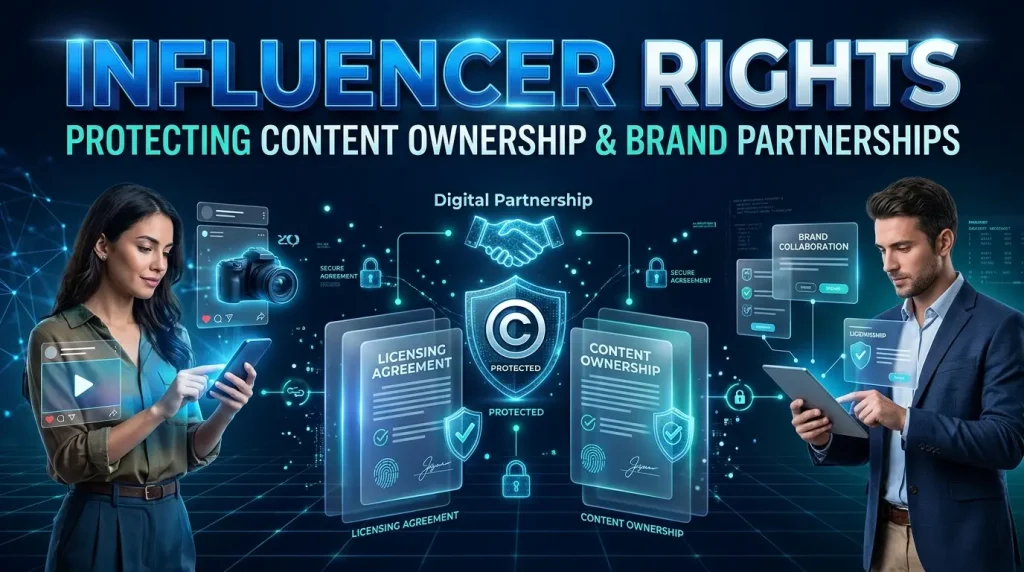
Influencer Rights establish how creators and brands can own, license, publish, modify, and reuse influencer-generated content. Clear agreements covering ownership, usage permissions, licensing terms, social media distribution, exclusivity, and copyright protection help prevent disputes and protect commercial interests. By addressing these matters during campaign planning, businesses and influencers can build more transparent partnerships and use digital content with greater confidence.
Influencer Rights define how creators and brands can use, share, modify, distribute, and benefit from content produced through influencer collaborations. As influencer marketing becomes an important part of digital promotion, understanding content ownership, licensing agreements, usage permissions, and copyright protection is essential for both parties. Clear rights agreements help prevent disputes, protect creative work, and establish professional partnerships built on transparency and mutual respect.
The Value of Ownership in Influencer Marketing
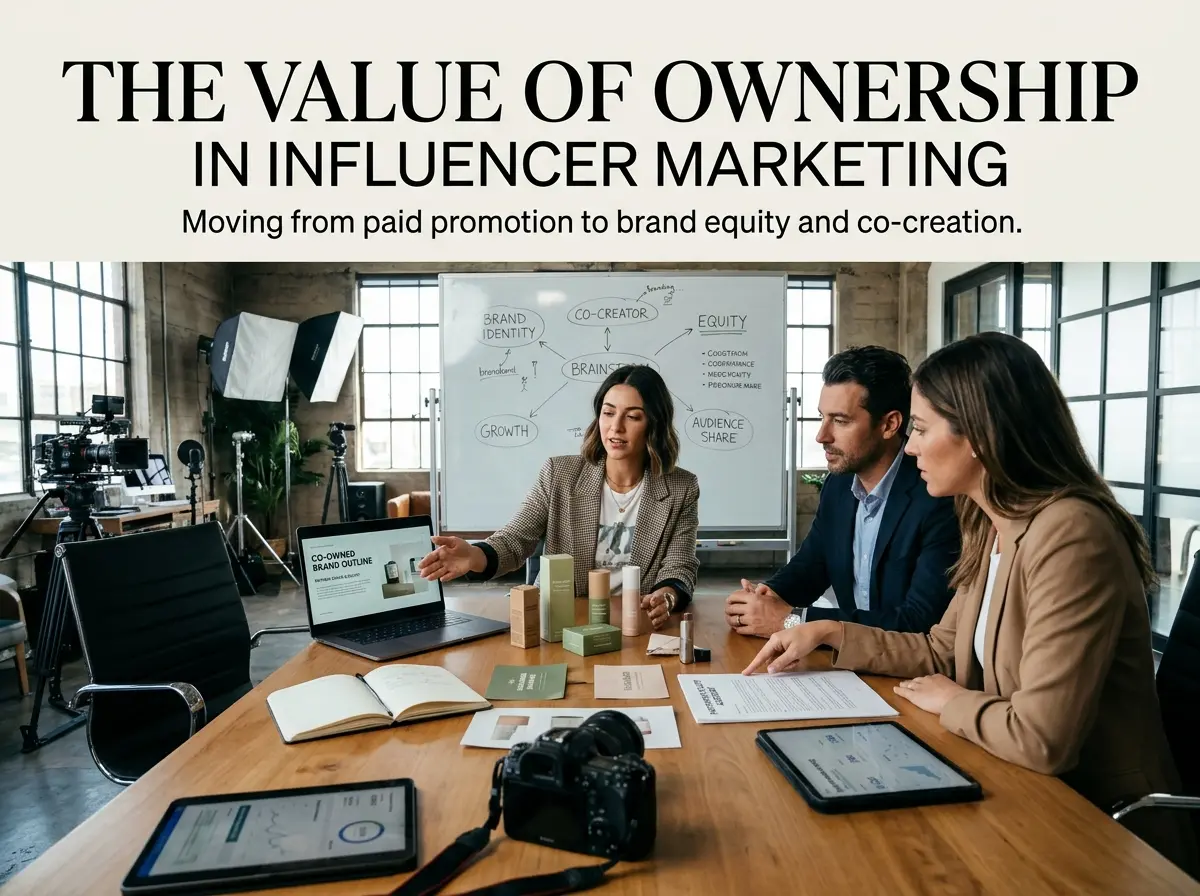
An influencer partnership often involves more than publishing a sponsored post. A creator may produce photographs, videos, captions, product reviews, graphics, or other original material for a campaign. Brands may then want to reuse that content in advertisements, on their websites, in email campaigns, or across additional marketing channels.
This creates an important question: who has the right to use the content after it has been created?
Influencer Rights help establish the boundaries of that relationship. They clarify whether the creator retains ownership, whether the brand receives permission to use the material, and how long that permission remains valid. Without clear terms, both parties may have different expectations about what is allowed.
For influencers, these rights protect creative work, professional identity, and potential future earnings. For brands, they provide a clearer legal and operational basis for using campaign assets. A business that invests in a creator partnership needs to know whether it can republish the content, adapt it for advertising, or continue using it after the campaign ends.
Rights should therefore be discussed before content production begins. Treating them as an afterthought can create disagreements at the moment when a campaign is expected to deliver results.
Understanding the Difference Between Ownership and Usage
Content ownership and content usage are closely connected, but they are not the same thing. Ownership generally refers to who holds the relevant rights in an original creative work, while usage rights describe the permissions granted to another party to use that work under specified conditions.
For example, an influencer may create a product video and retain ownership of the original recording. The brand may receive permission to share that video on its social media accounts for a defined period. This arrangement allows the company to benefit from the content without automatically transferring ownership.
The distinction becomes especially important when a brand wants to use the same material in paid advertising, website promotions, or other commercial activities. Permission to repost a video organically does not necessarily include permission to edit it, run it as an advertisement, or provide it to another company.
Influencer Content Rights should identify the specific activities that are permitted. These may include publishing, reposting, editing, distributing, storing, or using content in promotional campaigns. Each permission should be understood in the context of the agreement and the applicable law.
A clear distinction between ownership and usage helps prevent assumptions. Neither party should treat a general collaboration agreement as automatic permission for every possible use of the content.
Why Influencer Usage Rights Need Clear Boundaries
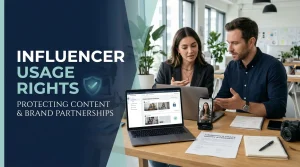
Influencer Usage Rights determine how a brand can use content created by a creator. They are among the most important parts of a professional influencer agreement because they affect the commercial value of campaign assets long after the original post has been published.
Consider a creator who produces a short video for a skincare campaign. The brand may initially request permission to share the video on its official Instagram account. Several months later, the marketing team may want to use the same video in paid social advertisements or on a product landing page.
Those additional uses may require separate permission, depending on the original agreement. A creator who agreed to organic reposting has not necessarily agreed to paid promotion, extensive editing, or unlimited commercial distribution.
A well-defined usage agreement identifies the channels, duration, territory, and permitted purposes of content use. It should also explain whether the brand can crop or edit the material, add promotional text, combine it with other assets, or use it in future campaigns.
These details are particularly important when influencer content performs well. A successful campaign may encourage a business to extend the life of its creative assets, but continued use should remain consistent with the permissions originally granted.
For a deeper look at the practical permissions involved in these arrangements, businesses and creators can explore Influencer Usage Rights. Understanding those permissions helps both parties make informed decisions before content becomes part of a larger marketing strategy.
Influencer Ownership Rights and the Value of Original Work
Influencers invest time, creative ability, equipment, and professional experience in producing content. Their work may include original photography, video production, editing, storytelling, and personal commentary. These contributions can become valuable assets for both the creator and the brand.
Influencer Ownership Rights help protect the creator’s position when original content is developed for a collaboration. Depending on the agreement and applicable copyright law, the influencer may retain ownership while granting the brand a license to use selected materials.
However, ownership arrangements can differ. Some contracts may include an assignment or transfer of particular rights, while others establish a limited license. The language of the agreement matters because a broad transfer can have significantly different consequences from permission to use content for a specific campaign.
Creators should understand whether they are retaining ownership, granting an exclusive license, or transferring certain rights. Brands should likewise ensure that the agreement provides the permissions needed for their intended use.
Ownership questions can also become more complicated when several people contribute to the final asset. A photographer, videographer, editor, graphic designer, or music provider may have separate rights or contractual interests. An influencer’s permission alone may not cover every element included in a finished video or image.
For this reason, ownership should be considered across the complete creative process, not only the relationship between the influencer and the brand.
Licensing Terms That Define Commercial Use
Influencer Licensing Terms explain the conditions under which a brand or another authorized party can use a creator’s content. A license can be limited or extensive, depending on the permissions negotiated by both parties.
A limited license might allow a company to publish selected images on its social media profiles for three months. A broader license might cover several marketing channels, a longer period, or specific paid advertising activities. An exclusive license may restrict the creator’s ability to authorize similar uses elsewhere, depending on its terms.
The commercial value of a license can vary according to the content’s reach, production quality, intended use, exclusivity, and duration. A brand using a creator’s video in a large paid advertising campaign may receive a different commercial benefit from a business simply reposting an image on its organic social channels.
Licensing agreements should therefore be connected to the actual scope of the campaign. If a business wants additional permissions later, it should discuss an extension or revised agreement rather than assume that the original license covers every future use.
Creators should pay particular attention to exclusivity. An agreement that prevents them from working with competing brands may affect future earning opportunities. Any restrictions should be clearly defined, including the relevant product category, competitors, territory, and time period.
Well-written licensing terms make it easier for both parties to understand what has been agreed and reduce the risk of unexpected restrictions.
Social Media Content Rights Across Different Platforms
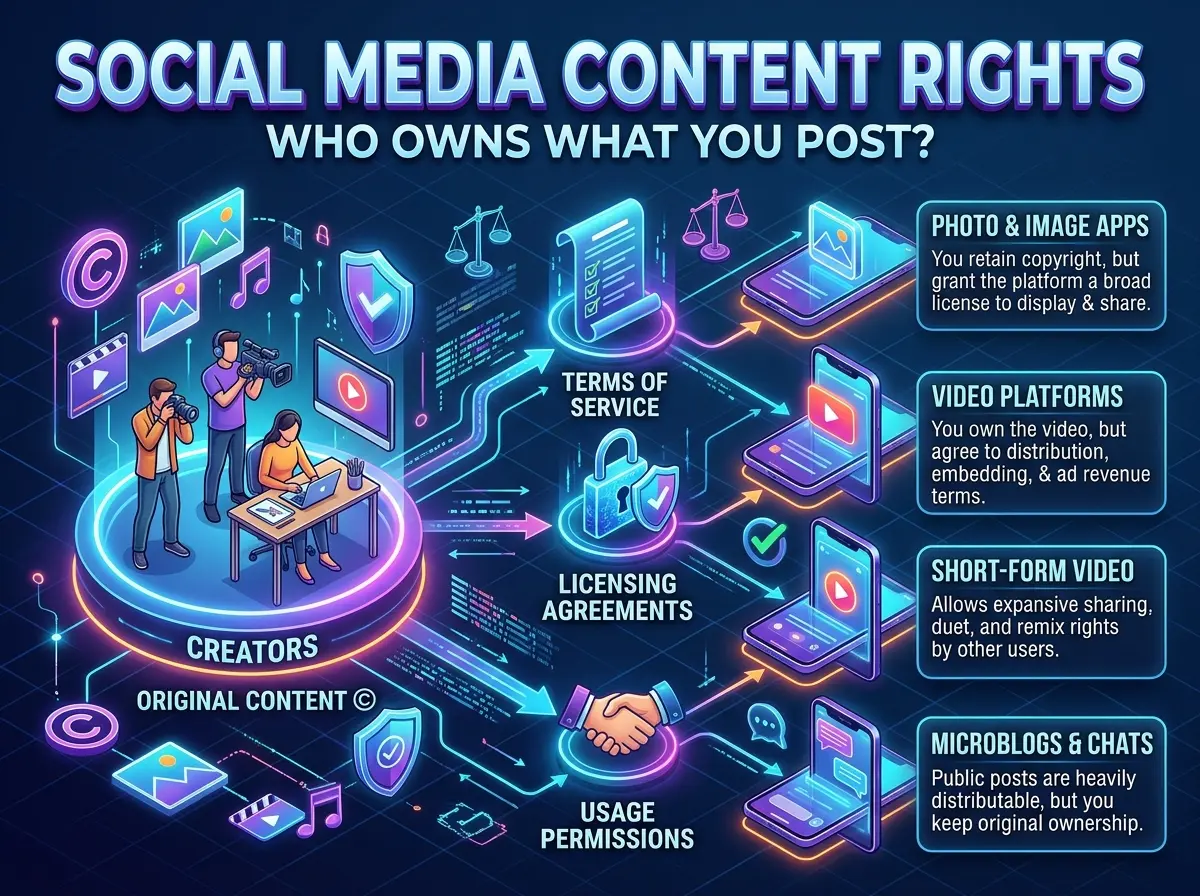
Influencer campaigns often involve multiple platforms, each with its own publishing features, content formats, and commercial policies. A creator may produce a video for Instagram, adapt it for TikTok, and share a related post on YouTube or another channel.
Social Media Content Rights should reflect these different uses. Permission to publish a post on one platform does not automatically establish permission for every other platform or marketing channel. A brand that wants to reuse a video across several networks should ensure that the agreement covers those intended uses.
Platform tools can also introduce additional considerations. Some advertising and partnership features allow brands to promote creator content through the creator’s account or an authorized advertising arrangement. These activities may involve permissions that differ from simply downloading and reposting a finished video.
Content formats matter as well. A short vertical video may be adapted for a website, but the adaptation could involve cropping, changing captions, adding graphics, or removing elements. The agreement should clarify whether such modifications are allowed and whether the creator needs to approve the final version.
Music, stock footage, fonts, photographs, and other third-party materials can create further restrictions. A track that is permitted for a creator’s organic social post may not be cleared for use in a brand’s paid advertisement. Businesses should verify that all included assets are licensed for the intended commercial purpose.
Platform-specific planning makes content reuse more reliable and helps prevent campaigns from exceeding the permissions available to them.
Influencer Partnership Rights and Professional Expectations
Influencer Partnership Rights extend beyond the ownership of individual photographs or videos. They can also cover the broader relationship between a creator and a brand, including campaign responsibilities, approvals, payment conditions, disclosure obligations, confidentiality, and restrictions on competing partnerships.
A professional collaboration should establish what each party is expected to deliver. The influencer may agree to publish a specific number of posts, create certain content formats, or participate in a campaign event. The brand may be responsible for providing products, campaign information, creative direction, payment, and timely feedback.
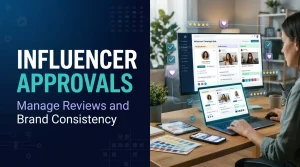
The agreement should also clarify how content approvals work. Some brands require review before publication, while others allow creators greater creative independence within an agreed campaign brief. A clear approval process helps avoid last-minute changes and disagreements about whether the final content meets expectations.
Exclusivity is another important consideration. A company may want an influencer to avoid promoting direct competitors during a campaign or for a specified period afterward. Such restrictions should be reasonable and clearly explained so that creators understand their impact on other business opportunities.
These broader responsibilities are closely connected to the way campaigns are structured. A thoughtful Influencer Marketing Partnership Guide can help brands and creators understand the relationship between collaboration expectations, communication, and long-term partnership success.
Influencer Contract Terms That Prevent Disputes
An influencer contract provides a written record of the agreement between the creator and the brand. While the exact requirements vary by jurisdiction and collaboration type, a clear contract should address the most important commercial and creative expectations.
Content ownership should be stated explicitly. The agreement should explain whether the creator retains ownership, grants a license, or transfers specified rights. If a license is involved, its scope should be understandable rather than hidden behind vague language.
The permitted uses should also be described. These may include organic social publishing, paid advertising, website display, email marketing, product pages, or other agreed channels. Duration, territory, exclusivity, and modification permissions should be addressed where relevant.
Payment terms deserve equal attention. The contract should explain the agreed fee, payment schedule, expenses, and any additional compensation connected to extended usage or new campaign requirements.
Other important terms may include:
- Content deliverables and publication deadlines.
- Review, approval, and revision procedures.
- Advertising disclosures and regulatory responsibilities.
- Confidentiality and protection of campaign information.
- Cancellation, termination, and dispute-resolution conditions.
- Rules for renewing or extending content permissions.
The agreement should also explain what happens when the collaboration ends. For example, it may specify whether existing posts can remain online, whether the brand must stop using certain assets, or whether a license continues for an agreed period.
Influencers and brands should review contracts carefully before signing. For complex arrangements, legal advice can help clarify obligations and ensure that the agreement reflects applicable laws.
Brand Content Permissions and the Reuse of Creator Assets
Brands frequently want to extend the value of influencer-created material beyond its original publication. A strong creator video may work well on a product page, while a customer testimonial may support an email campaign or promotional presentation.
Brand Content Permissions determine whether these additional uses are allowed. Businesses should identify their intended channels before negotiating a collaboration, because the rights needed for a single social post may differ from those required for a broader advertising campaign.
The permission should also cover the type of modification involved. Minor formatting adjustments may be treated differently from editing a creator’s statements, changing the meaning of a video, or combining the content with new promotional claims.
Brands should be particularly careful when using creator content in advertisements. The creator’s image, voice, name, and endorsement can carry significant commercial value. The agreement should make clear whether these elements can be used in paid campaigns and whether the creator has any approval rights over the final advertisement.
Content reuse should also respect the original context. A creator’s statement should not be edited in a way that changes its meaning or suggests an endorsement beyond what was agreed. Preserving accuracy protects the credibility of both the influencer and the brand.
Influencer Copyright Protection and Third-Party Content
Copyright protection is an important part of Influencer Rights because original creative work can be copied, distributed, or modified without appropriate authorization.
Influencers may protect their work through clear contracts, retained original files, documented agreements, and records of publication. Watermarks or visible creator credits can sometimes help identify ownership, although they do not replace the legal protections available under applicable copyright laws.
Brands should also confirm that the creator has the necessary rights to license the material being delivered. A photograph may include licensed music, stock footage, a third-party graphic, or another person’s creative work. The influencer may not have authority to grant commercial permissions for those elements unless the relevant licenses allow it.
The same issue applies to people appearing in campaign content. Depending on the jurisdiction and circumstances, additional consent or permissions may be needed for the commercial use of someone’s image or likeness.
If unauthorized use occurs, the affected party may need to document the material, identify the relevant platform or publisher, review the agreement, and consider appropriate reporting or legal options. The correct response depends on the circumstances and applicable law.
Respecting copyright is not only a legal concern. It also supports a healthier creator economy by recognizing the work and contributions behind digital content.
Digital Content Ownership in a Changing Marketing Environment
Digital content can remain commercially useful long after the original campaign ends. A creator’s video may continue attracting views, a product review may appear in search results, and a campaign photograph may be reused in different promotional contexts.
Digital Content Ownership becomes more important as businesses build larger libraries of creator-produced assets. Without organized records, marketing teams may struggle to identify who owns a particular file, which permissions apply, or whether a license has expired.
A central content rights record can help. It may include the asset name, creator, original campaign, ownership status, permitted channels, license duration, territory, exclusivity conditions, and any restrictions on editing or redistribution.
This information becomes particularly useful when marketing responsibilities change or several teams work with the same content. A social media manager should not have to guess whether an older creator video can be used in a new paid campaign.
Brands should also review their asset libraries periodically. Expired licenses, outdated agreements, and missing permissions should be identified before content is reused. Influencers can benefit from maintaining similar records of their work and the licenses granted to clients.
As influencer marketing expands across platforms and formats, organized rights management helps businesses use creative assets more confidently while respecting the interests of creators.
Bringing Rights Into the Campaign Planning Process

Rights discussions are most effective when they are included in campaign planning rather than postponed until content has already been created. Brands should know what they want to publish, where they intend to use the material, and whether they may need additional permissions in the future.
This is also connected to the broader campaign strategy. Content formats, creator selection, audience expectations, campaign objectives, and distribution channels all influence the rights a business may need. Planning these details early can prevent unexpected costs and delays.
A structured Influencer Marketing Campaign Planning process can help businesses connect creative deliverables with distribution requirements and campaign expectations. When rights are considered alongside these decisions, contracts can reflect the actual needs of the campaign rather than relying on broad assumptions.
Local campaigns introduce additional considerations. A brand working with creators in a particular region may need to consider local advertising rules, audience expectations, language requirements, and the markets where content will appear. The wider context of Mastering Local Marketing can help businesses understand how regional promotion fits into their marketing activities.
Ultimately, clear rights agreements make influencer collaborations easier to manage. They protect original work, define commercial permissions, and give both parties a stronger foundation for successful campaigns.
Frequently Asked Questions
1. What are Influencer Rights?
Influencer Rights refer to the legal and contractual permissions connected to content created by influencers. They cover areas such as ownership, licensing, publishing, commercial use, copyright protection, and the responsibilities of brands and creators.
2. Who owns content created by an influencer?
Ownership depends on applicable copyright law and the agreement between the parties. In many arrangements, the creator retains ownership while granting the brand permission to use the content. Some contracts may establish different ownership or rights-transfer arrangements.
3. What are Influencer Usage Rights?
Influencer Usage Rights describe how a brand is permitted to use creator-produced content. They may define the approved platforms, duration, territory, commercial purposes, and whether editing, paid advertising, or redistribution is allowed.
4. What is the difference between content ownership and licensing?
Ownership generally identifies who holds the relevant rights in a creative work. Licensing grants another party permission to use that work under specified conditions without necessarily transferring ownership.
5. Can brands use influencer content in paid advertisements?
Yes, when the brand has the appropriate permissions. An agreement should specifically address paid advertising, the platforms involved, the duration of use, and any relevant approval or compensation requirements.
6. Why are Influencer Licensing Terms important?
Influencer Licensing Terms clarify the commercial permissions granted to a brand. They help both parties understand where content can be used, how long permissions last, whether exclusivity applies, and what happens when additional usage is requested.
7. Can an influencer restrict how a brand edits their content?
An influencer can negotiate restrictions or approval requirements in the agreement. The contract may specify which changes are allowed and whether more substantial edits require the creator’s consent.
8. What should an influencer contract include?
A contract should address content ownership, usage permissions, deliverables, deadlines, payment, licensing duration, exclusivity, approval procedures, advertising disclosures, cancellation, and dispute-resolution conditions.
9. How can influencers protect their original content?
Influencers can protect their work by understanding copyright rules, using clear written agreements, retaining original files, documenting permissions, and monitoring unauthorized use. The appropriate legal protections depend on the content and applicable jurisdiction.
10. What happens when a brand uses influencer content without permission?
Unauthorized use may lead to a licensing dispute, copyright complaint, takedown request, or other legal action, depending on the circumstances and applicable law. The affected creator should document the use and review the relevant agreement before deciding how to respond.