Influencer Marketing Campaign Planning: Build Successful Brand Partnerships

Influencer marketing campaign planning involves defining clear goals, identifying the right creators, structuring partnerships with detailed briefs, and tracking performance with measurable KPIs. Brands that follow a structured planning process consistently outperform those that don’t—generating up to 11x higher ROI than traditional digital advertising, according to TapInfluence.
Influencer marketing has evolved far beyond celebrity endorsements and one-off sponsored posts. Today, it’s one of the most data-driven, relationship-focused strategies in a marketer’s toolkit—and when done right, it delivers results that most paid channels simply can’t match.
But here’s the problem: most brands dive in without a real plan. They DM a creator with a large following, send over a product, and hope for the best. The result? Inconsistent messaging, poor engagement, and little to no measurable return.
Successful influencer marketing campaign planning requires a structured approach—one that starts long before you send your first outreach email and continues well after the content goes live. This post walks you through every stage of that process, from setting objectives and finding the right partners to negotiating deals, measuring ROI, and building the kind of long-term brand partnerships that compound over time.
Whether you’re running campaigns for a global brand or exploring influencer marketing for small businesses, the principles here apply at every scale.
What Is Influencer Marketing Campaign Planning—and Why Does It Matter?

Influencer marketing campaign planning is the process of strategically organizing every element of a creator-driven campaign before, during, and after execution. This includes defining your target audience, setting measurable goals, selecting appropriate influencer tiers, drafting partnership agreements, and establishing a framework for performance measurement.
Without this structure, campaigns become reactive rather than strategic. You end up chasing metrics that don’t align with business goals or partnering with creators whose audiences don’t convert.
According to Influencer Marketing Hub’s 2023 Benchmark Report, the influencer marketing industry was valued at $21.1 billion globally—up from $1.7 billion in 2016. That kind of growth signals mainstream adoption, but it also means the market is more competitive. Brands that plan carefully earn a measurable edge over those that don’t.
What separates a successful campaign from a forgettable one?
The difference usually comes down to three things: alignment, authenticity, and accountability. Aligned campaigns match the right creator to the right audience. Authentic campaigns give creators enough creative freedom to produce content their followers actually trust. Accountable campaigns track the metrics that matter and use that data to improve over time.
Step 1: How to Plan an Influencer Marketing Campaign from Scratch
Every effective campaign starts with a clear strategic foundation. Before you approach a single creator, you need to answer four fundamental questions.
What are your campaign goals?
Your goals will determine every decision that follows—who you partner with, what content you commission, and how you measure success. Common campaign objectives include:
- Brand awareness: Reach new audiences and increase share of voice
- Engagement: Drive likes, comments, shares, and saves
- Traffic: Direct followers to a landing page, product page, or piece of content
- Conversions: Generate leads, sign-ups, or direct sales
- Content creation: Produce high-quality creative assets for repurposing
Each goal requires a different influencer tier, platform, and content format. A brand awareness campaign might call for a macro-influencer with broad reach, while a conversion-focused campaign often performs better with micro-influencers who have tightly engaged niche audiences.
Who is your target audience?
Define your ideal customer in specific terms: age range, location, interests, income level, purchasing behavior, and platform preference. The more precise your audience definition, the easier it becomes to identify creators whose followers match that profile.
Tools like SparkToro, Audiense, and even native platform analytics can help you validate whether a creator’s audience aligns with your target demographic before you commit to a partnership.
What is your budget?
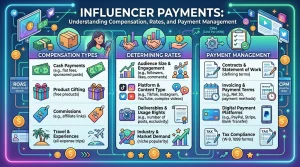
Influencer rates vary enormously based on platform, follower count, engagement rate, content format, and exclusivity terms. A rough benchmark from Influencer Marketing Hub suggests:
|
Influencer Tier |
Follower Range |
Estimated Cost Per Post (Instagram) |
|---|---|---|
|
Nano |
1K–10K |
$10–$100 |
|
Micro |
10K–100K |
$100–$500 |
|
Mid-tier |
100K–500K |
$500–$5,000 |
|
Macro |
500K–1M |
$5,000–$10,000 |
|
Mega/Celebrity |
1M+ |
$10,000+ |
Your budget should account for creator fees, product costs, content licensing, paid amplification, and platform or agency fees if applicable.
What does success look like?
Define your KPIs before the campaign launches. Decide upfront whether you’re measuring reach, impressions, engagement rate, click-through rate, cost per acquisition, or direct revenue. Tying these KPIs to your original campaign goals keeps your reporting honest and your optimization decisions grounded in data.
Step 2: Finding the Right Influencers for Your Brand
This is where many brands go wrong. Follower count is not a reliable indicator of campaign performance. A creator with 8,000 highly engaged followers in a specific niche will often outperform a macro-influencer with 500,000 passive ones—especially for conversion-focused objectives.
What criteria should you use to evaluate influencers?
When assessing potential partners, look beyond vanity metrics and evaluate the following:
Engagement rate: A healthy engagement rate on Instagram typically falls between 1–5% for larger accounts and 5–10% for nano and micro-influencers. Use tools like Phlanx or HypeAuditor to calculate this independently.
Audience authenticity: Check for signs of purchased followers—sudden follower spikes, low comment quality, or disproportionate likes-to-comments ratios. HypeAuditor and Modash both offer audience credibility scores.
Content quality and consistency: Review the creator’s last 20–30 posts. Does the content feel genuine? Does it align with your brand’s aesthetic and values?
Past brand partnerships: Look at how they’ve handled sponsored content previously. Do their paid posts feel natural, or do they appear forced and transactional?
Platform fit: Not every creator translates across platforms. A strong YouTube presence doesn’t guarantee effective TikTok content. Match your platform strategy to where your target audience is most active.
Micro vs. macro influencers: which is better for your campaign?
The answer depends on your objective. Micro-influencers (10K–100K followers) consistently deliver higher engagement rates and stronger purchase intent, according to a 2021 Markerly study. They’re particularly effective for influencer marketing for small businesses, where budgets are tight and audience relevance is critical.
Macro-influencers are better suited to awareness-stage campaigns where broad reach matters more than niche specificity. Many brands get the best results from a tiered strategy—using one or two macro-influencers for reach and several micro-influencers for depth and conversion.
Step 3: Influencer Outreach Strategies That Actually Work
Most outreach fails because it’s generic. Creators receive dozens of partnership requests every week. A templated pitch that leads with your brand name and follower count is easy to ignore.
How should you approach influencer outreach for the first time?
Start by engaging authentically before you pitch. Follow the creator, comment meaningfully on their content, and share their work where relevant. This creates a warm introduction that doesn’t feel transactional.
When you do reach out, your initial message should:
- Reference specific content they’ve created that aligns with your brand
- Explain why the partnership makes sense for their audience—not just for you
- Keep it brief (under 150 words in the first message)
- Include a clear next step (a 15-minute call, a link to your media kit, or a reply with rates)
Avoid leading with free product as your primary incentive. Experienced creators—particularly those in the micro and mid-tier range—treat influencer work as a profession and expect to be compensated accordingly.
Should you use an influencer marketing platform or outreach manually?
Both approaches have merit. Manual outreach gives you more personalization and relationship-building potential. Platforms like AspireIQ, Upfluence, Grin, and CreatorIQ streamline discovery, campaign management, and reporting—particularly useful when managing multiple partnerships simultaneously.
For smaller campaigns or brands newer to influencer marketing, starting with manual outreach helps you build authentic relationships that are harder to replicate through automated tools.
Step 4: Building a Campaign Brief That Sets Creators Up for Success
A well-written campaign brief is one of the most underrated tools in influencer marketing campaign planning. It aligns expectations, protects your brand, and gives creators the context they need to produce content that performs.
What should a strong influencer campaign brief include?
|
Brief Component |
What to Include |
|---|---|
|
Campaign overview |
Brand background, campaign goals, key dates |
|
Target audience |
Demographics, interests, pain points |
|
Key messages |
What you want the audience to feel or believe |
|
Content requirements |
Platform, format, length, mandatory mentions |
|
Creative guidelines |
Tone, visual style, dos and don’ts |
|
Disclosure requirements |
FTC compliance language (e.g., #ad, #sponsored) |
|
Deliverables & timeline |
Content due dates, approval process, go-live dates |
|
Compensation |
Fee structure, payment schedule, exclusivity terms |
The brief should guide without restricting. Creators know their audiences better than you do—give them enough structure to stay on-brand while leaving room for authentic expression.
Step 5: How to Build Successful Brand Partnerships Over Time
One-off campaigns produce one-off results. The brands that see compounding returns from influencer marketing are those that invest in long-term partnerships rather than transactional single-post arrangements.
Why are long-term influencer partnerships more effective than one-off campaigns?
Audience trust builds over time. When a creator repeatedly mentions a brand across multiple posts and formats, followers begin to associate the two. A 2019 study by Nielsen found that 92% of consumers trust earned media—like influencer recommendations—over traditional advertising, and that trust deepens with repeated, consistent exposure.
Long-term partnerships also give creators more time to genuinely experience and understand your product, which leads to more authentic, nuanced content.
How do you structure a brand ambassador program?
A brand ambassador relationship typically involves:
- A retainer agreement: Committing to a set number of posts per month over three, six, or twelve months
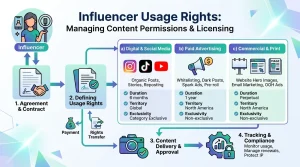
- Exclusive or category-exclusive terms: Preventing the creator from partnering with direct competitors during the term
- Performance-based bonuses: Tying additional compensation to specific KPIs like conversions, promo code usage, or affiliate link clicks
- Co-creation opportunities: Involving the creator in product development, limited editions, or event appearances to deepen authenticity
Treat your best-performing creators as strategic partners, not vendors. Invite them to brand events, provide early access to new products, and solicit their feedback on campaign direction.
Step 6: How to Measure Influencer Marketing ROI
Measurement is where many influencer marketing programs break down. Without clear attribution, it’s nearly impossible to justify spend, optimize future campaigns, or make the case internally for increased budget.
What are the most important influencer marketing KPIs?
The right KPIs depend on your campaign objective, but a well-rounded performance framework typically includes:
Awareness metrics
- Reach and impressions
- Share of voice
- Follower growth on brand channels
Engagement metrics
- Engagement rate (likes + comments + shares ÷ reach)
- Saves and shares (strong signal of high-value content)
- Sentiment analysis of comments
Traffic and conversion metrics
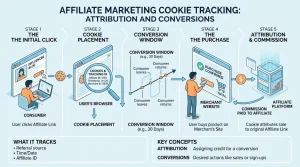
- Clicks via tracked UTM links
- Promo code redemptions
- Affiliate link revenue
- Cost per click (CPC) and cost per acquisition (CPA)
Content performance metrics
- Content quality score (based on internal review criteria)
- Repost and repurposing value
What tools can you use to measure influencer marketing ROI?
|
Tool |
Best For |
|---|---|
|
Google Analytics (UTM tracking) |
Traffic and conversion attribution |
|
HypeAuditor / Modash |
Audience quality and engagement analysis |
|
Grin / Upfluence |
End-to-end campaign management and reporting |
|
Affiliatly / Impact |
Affiliate link and commission tracking |
|
Brandwatch |
Social listening and sentiment analysis |
Establish your measurement framework before the campaign launches, not after. Configure UTM parameters, set up promo codes, and brief your analytics team on what to track and when.
Best Influencer Marketing Campaign Planning Tips
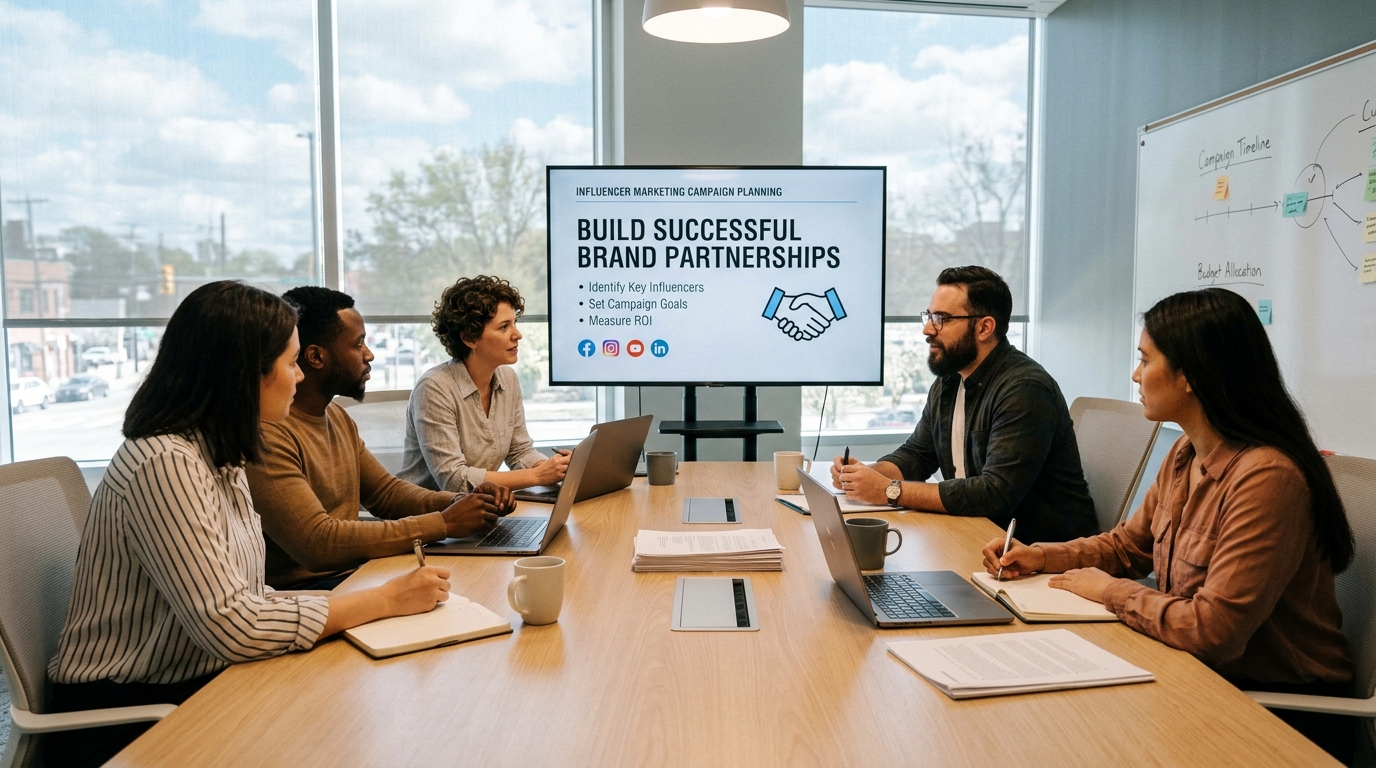
Here’s a consolidated reference of the most actionable influencer marketing campaign planning tips from this guide:
- Set specific, measurable goals before identifying any creators
- Prioritize audience fit over follower count when evaluating influencers
- Use a tiered influencer strategy to balance reach and conversion
- Warm up relationships before pitching—cold outreach rarely converts
- Write a detailed campaign brief that guides without over-constraining
- Invest in long-term partnerships rather than one-off activations
- Give creators genuine creative freedom—it produces more authentic content
- Set up attribution tools before launch, not after
- Repurpose high-performing influencer content across paid and owned channels
- Review campaign data after each activation and document learnings for the next
Building a Scalable Influencer Marketing Program
Influencer marketing campaign planning is not a one-time project—it’s an ongoing discipline. The brands that build sustainable, scalable programs are those that treat every campaign as a learning opportunity, every creator as a long-term partner, and every data point as an input for improvement.
Start with a single, well-planned campaign. Define your goals, identify two or three creators whose audiences genuinely align with your brand, write a clear brief, and measure everything. Use that data to refine your approach for the next campaign.
Over time, you’ll develop a network of trusted creators, a library of high-performing content, and a deep understanding of what resonates with your audience. That’s the real competitive advantage—not any single viral post, but a repeatable system for building authentic connections at scale.
Frequently Asked Questions
What is influencer marketing campaign planning?
Influencer marketing campaign planning is the process of defining goals, selecting creators, structuring partnerships, producing content, and measuring results in a coordinated, strategic way. A well-planned campaign outperforms ad-hoc influencer activity in both efficiency and ROI.
How do I find the right influencers for my brand?
Start by defining your target audience precisely, then use tools like HypeAuditor, Modash, or SparkToro to identify creators whose followers match that profile. Evaluate candidates based on engagement rate, audience authenticity, content quality, and alignment with your brand values—not follower count alone.
How much does an influencer marketing campaign cost?
Costs vary widely depending on influencer tier, platform, content format, and exclusivity terms. Nano-influencers may charge $10–$100 per post, while macro-influencers typically charge $5,000–$10,000 or more. Budget should also account for product costs, licensing fees, and platform or agency tools.
Is influencer marketing effective for small businesses?
Yes. Influencer marketing for small businesses is often most effective at the micro and nano-influencer level, where engagement rates are higher and audience relationships are tighter. These partnerships are also more affordable, making them accessible to brands with limited budgets.
How do I measure the ROI of an influencer marketing campaign?
Use a combination of UTM-tracked links, promo codes, affiliate links, and platform analytics to measure traffic, conversions, and revenue attributable to each creator. Calculate ROI by dividing total campaign revenue by total campaign cost, and compare against your pre-defined KPIs.
What is the difference between a macro and micro influencer?
Macro-influencers have between 500K and 1M followers and are best suited for awareness campaigns. Micro-influencers have between 10K and 100K followers and typically deliver higher engagement rates and stronger purchase intent, making them more effective for conversion-focused campaigns.
How long should an influencer marketing campaign run?
Campaign duration depends on your goals. Awareness campaigns often run for two to four weeks. Longer-term brand ambassador programs run for three, six, or twelve months and typically deliver stronger results due to compounding audience trust.