Influencer Relationship Management: Building Strong and Lasting Brand Partnerships
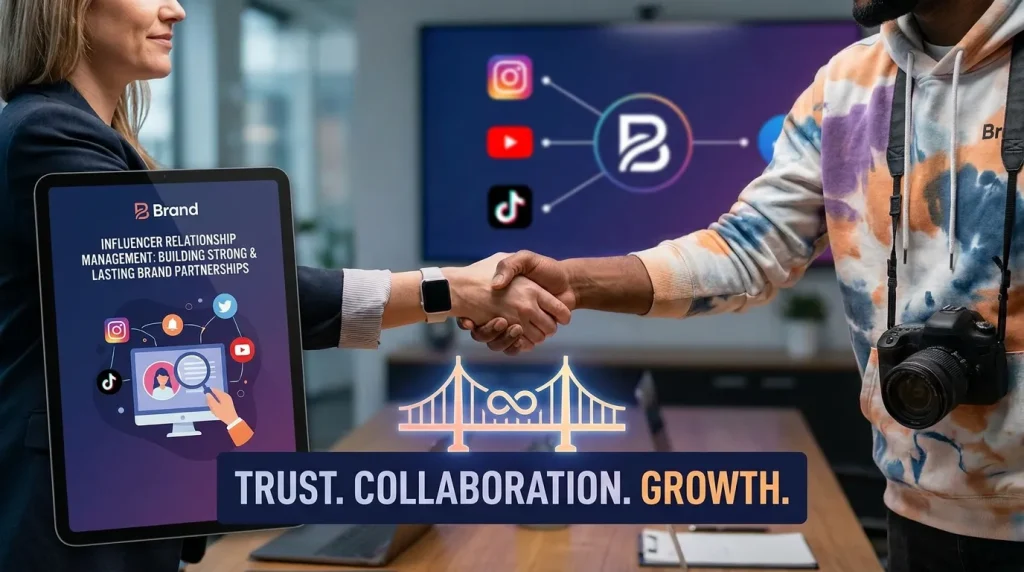
Influencer relationship management helps brands create meaningful, consistent, and long-term relationships with influencers. By using effective communication, collaboration, outreach, and partnership strategies, businesses can improve influencer engagement, strengthen brand credibility, and develop lasting partnerships that support sustainable marketing growth.
Influencer marketing is no longer only about finding a creator, sending a campaign brief, and measuring the number of impressions generated. Successful influencer marketing depends heavily on the relationship a brand develops with its influencers. When creators feel respected, understood, and valued, they are more likely to produce authentic content and remain interested in future collaborations.
This is where influencer relationship management becomes important. It focuses on developing and maintaining strong relationships between brands and influencers throughout the entire partnership lifecycle. From identifying suitable creators and starting conversations to managing campaigns and maintaining communication after a project ends, relationship management creates a more organized and mutually beneficial experience.
A strong relationship can also make influencer collaborations feel more natural. Instead of treating influencers as temporary advertising channels, brands can build partnerships based on trust, shared objectives, creativity, and consistent communication.
What Is Influencer Relationship Management?
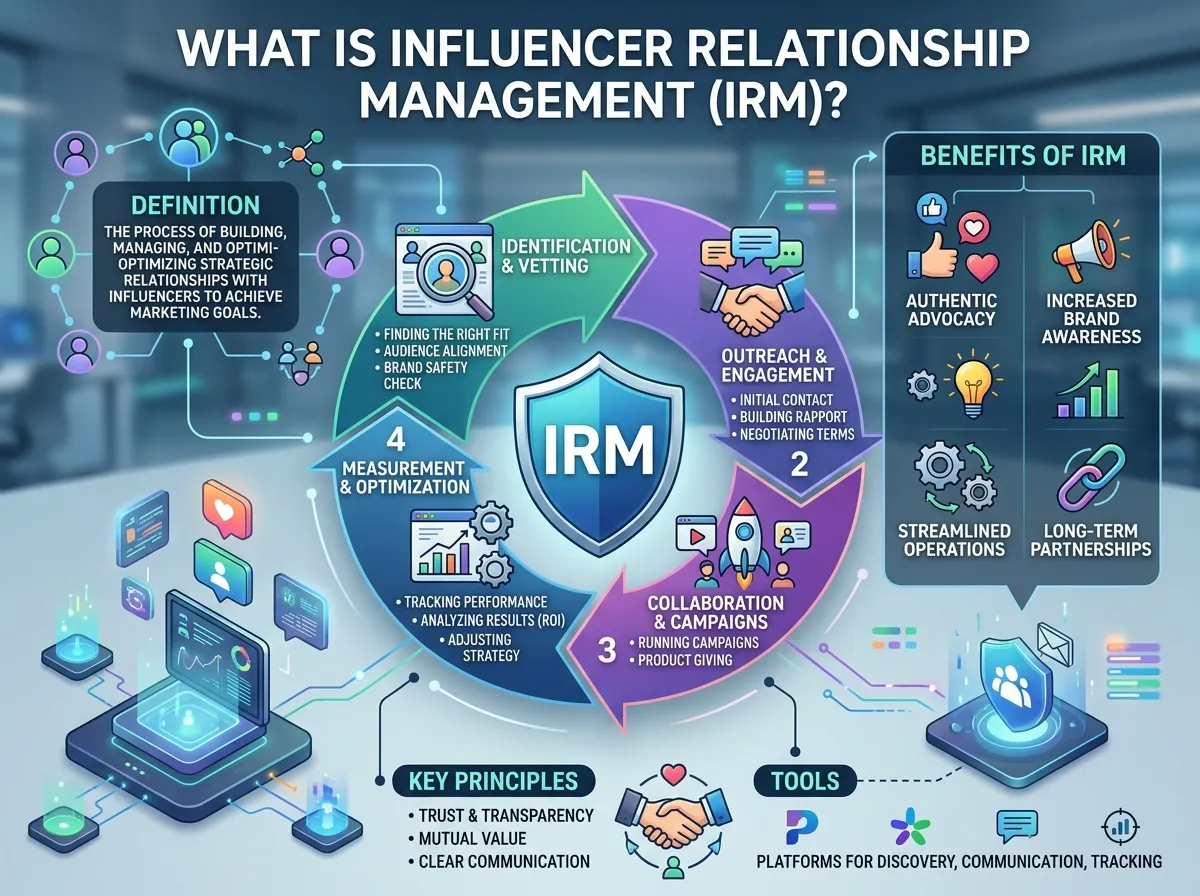
Influencer relationship management is the process of building, organizing, maintaining, and improving relationships between brands and influencers. It involves everything from influencer discovery and outreach to collaboration, communication, performance evaluation, and long-term partnership development.
A successful approach goes beyond transactional campaign management. Brands need to understand an influencer’s audience, content style, values, communication preferences, and professional expectations before developing a partnership.
An effective influencer relationship strategy should therefore focus on both business goals and relationship quality. While brands need measurable marketing results, influencers also need clear expectations, fair compensation, creative freedom, and respectful treatment.
When these elements work together, influencer partnerships can become more consistent and productive.
Why Influencer Relationships Matter for Brands
Influencer relationships can have a significant impact on the effectiveness of influencer marketing campaigns. A creator who already understands a brand’s products, audience, and communication style can often create more relevant content than someone working with the brand for the first time.
Strong relationships also improve trust. Influencers are more likely to recommend products naturally when they genuinely understand and appreciate the brand. Their audiences may recognize this authenticity, which can improve engagement and brand perception.
Another advantage is efficiency. Brands that maintain relationships with reliable influencers do not need to start the discovery and outreach process from zero for every campaign. Existing relationships can make future collaborations easier to organize.
This makes influencer relationship building a valuable long-term marketing activity rather than a one-time campaign task.
Developing an Effective Influencer Relationship Strategy
A successful relationship begins before the first collaboration. Brands should carefully identify influencers whose audiences, content, values, and communication style align with their objectives.
The goal should not simply be to find creators with large follower counts. Audience relevance, engagement quality, content consistency, credibility, and brand alignment can be equally important.
Once suitable influencers are identified, brands should approach them with personalized communication. Generic messages can make creators feel like they are being contacted as part of a mass campaign. Personalized outreach demonstrates that the brand has actually reviewed their content and understands why the partnership could be valuable.
An effective strategy should also establish clear expectations from the beginning. Campaign objectives, deliverables, timelines, compensation, content requirements, approval processes, and usage rights should be discussed openly.
Managing Influencer Partnerships Effectively
Influencer partnership management requires organization and continuous communication. Once a creator agrees to collaborate, brands need to make the process as smooth as possible.
A clear campaign brief can help influencers understand the purpose of the collaboration without restricting their creativity. The brief should explain the campaign objective, target audience, important messages, deadlines, and required deliverables.
At the same time, brands should allow influencers enough creative freedom to communicate in a way that fits their established voice. Influencers understand their audiences better than most brands, so their creative perspective can contribute significantly to campaign performance.
Good management also means being responsive. Delayed replies, unclear feedback, or constantly changing requirements can damage otherwise promising partnerships.
Building a Strong Influencer Collaboration Strategy
An effective influencer collaboration strategy should be based on mutual value. The brand should understand what the influencer wants from the relationship while also defining what the collaboration should accomplish for the business.
Some influencers may prioritize financial compensation, while others may value creative opportunities, product access, professional exposure, or long-term partnerships. Understanding these motivations can help brands structure more attractive collaborations.
Collaboration can also extend beyond sponsored social media posts. Brands and influencers can work together on educational content, podcasts, webinars, product launches, interviews, events, reviews, or other creative formats.
For example, brands interested in expanding their content reach can explore Podcast Influencer Marketing to create deeper conversations and reach audiences through a different content format.
The more naturally the collaboration fits the influencer’s content style, the more authentic the final result is likely to feel.
Influencer Engagement Management

Influencer engagement management focuses on maintaining active and positive communication throughout the relationship. This should not begin and end with a campaign.
Brands can engage influencers by interacting with their content, sharing relevant opportunities, acknowledging successful work, and checking in periodically. These simple actions can make creators feel that the brand values the relationship rather than only the campaign results.
Regular engagement can also help brands stay aware of changes in an influencer’s audience, content direction, and interests. This information can become useful when planning future campaigns.
However, communication should remain genuine. Constant promotional requests can make the relationship feel transactional, so brands should balance campaign-related communication with authentic professional engagement.
Creating an Effective Influencer Outreach Strategy
A strong influencer outreach strategy begins with research. Before contacting an influencer, brands should understand their content, audience, previous collaborations, and general communication style.
Personalized outreach is usually more effective than sending the same message to hundreds of creators. The message should explain why the influencer appears to be a good fit and briefly communicate what the brand is hoping to accomplish.
The first communication should also avoid overwhelming the creator with excessive information. A short, relevant introduction can open the conversation, after which the brand can provide detailed campaign information.
Respect is another important part of outreach. Influencers receive many collaboration requests, so brands should make the communication professional and transparent.
Developing a Long-Term Influencer Partnership Strategy
A one-time campaign can generate short-term exposure, but an effective influencer partnership strategy can create much greater long-term value. Repeated collaborations allow influencers to become more familiar with a brand and its products.
Over time, this familiarity can improve content quality and authenticity. The influencer may also develop their own creative ways to communicate the brand’s message.
Brands should therefore identify creators who have potential for continued collaboration instead of evaluating every partnership only as an individual campaign.
Long-term partnerships can include recurring content, ambassador programs, product launches, seasonal campaigns, event participation, or exclusive creator initiatives.
Strengthening Brand Influencer Relationships Through Communication
Strong brand influencer relationships depend heavily on communication. Both sides need to understand what is expected and feel comfortable discussing challenges.
Brands should provide clear instructions but remain open to influencer feedback. If a creator believes a particular campaign concept will not work well with their audience, their feedback should be considered seriously.
Similarly, brands should communicate changes as early as possible. Last-minute modifications to deadlines, deliverables, or campaign requirements can create unnecessary pressure.
A clear influencer communication strategy can help prevent misunderstandings and create a more professional relationship.
Communication should continue after the campaign as well. Brands can share performance feedback, thank influencers for their work, and discuss future opportunities.
Data Privacy and Trust in Influencer Relationships
Trust is especially important when influencer relationships involve audience information, campaign analytics, or personal business information. Brands should establish appropriate processes for handling data responsibly.
Creators should understand how information will be collected, stored, and used during a campaign. Brands should also avoid requesting unnecessary personal information.
Businesses working across regions should pay attention to applicable privacy requirements and establish transparent data practices. For additional context, brands can explore Data Privacy in Influencer Marketing when developing responsible influencer campaign processes.
Privacy practices can strengthen professional trust and demonstrate that the brand takes its responsibilities seriously.
Using Influencer Relationships for B2B Marketing
Influencer relationship management is not limited to consumer brands. B2B companies can also develop meaningful relationships with industry experts, professionals, analysts, consultants, educators, and niche creators.
B2B influencers can help brands build credibility by discussing industry topics, sharing expertise, participating in events, or contributing to professional content.
A carefully developed B2B partnership can also provide access to highly relevant audiences. Instead of focusing only on follower numbers, B2B brands should evaluate professional authority, audience relevance, expertise, and engagement quality.
Brands interested in this approach can learn more from B2B Influencer Marketing, particularly when developing partnerships with industry-focused creators.
Creating Long-Term Influencer Partnerships

Long-term influencer partnerships can turn individual creators into reliable brand advocates. These relationships become stronger when brands consistently deliver positive collaboration experiences.
Consistency matters. Brands should pay creators on time, respect agreed deadlines, communicate clearly, and provide realistic expectations. These professional habits can significantly influence whether an influencer wants to continue working with a company.
Long-term partnerships should also evolve. As an influencer’s audience and content develop, brands may need to adjust campaign formats and objectives.
Instead of repeating exactly the same sponsored post, businesses can explore new formats and creative concepts that keep the relationship and content fresh.
Measuring the Value of Influencer Relationships
Relationship quality is important, but brands should still measure business outcomes. Campaign performance can be evaluated through engagement, reach, traffic, conversions, sales, audience growth, brand mentions, and other relevant metrics.
However, relationship management requires a broader perspective. A creator who consistently produces strong content, communicates effectively, and delivers reliable results may be more valuable over time than an influencer who generates high reach during a single campaign.
Brands can also consider repeat collaboration rates, content quality, audience sentiment, and the efficiency of campaign management.
The broader goal is to understand whether influencer relationships are contributing to sustainable brand growth. For a wider perspective on measuring brand-related business value, The ROI of Brand Strategy provides useful context around evaluating brand investment and long-term impact.
Common Mistakes in Influencer Relationship Management
One common mistake is treating every influencer as a media placement rather than a professional partner. This can lead to generic outreach, limited communication, and overly restrictive campaign briefs.
Another problem is focusing entirely on follower count. A large audience does not automatically mean that an influencer is the right fit for a brand.
Poor communication can also damage relationships. Delayed responses, unclear expectations, frequent last-minute changes, and inconsistent feedback can make collaborations frustrating.
Brands should also avoid ending communication immediately after a campaign. Following up, sharing results, expressing appreciation, and discussing future opportunities can help transform a single campaign into an ongoing relationship.
How to Build Better Influencer Relationships

Successful relationship management requires consistency, personalization, transparency, and respect. Brands should carefully select influencers, communicate clearly, support creative freedom, and provide a positive professional experience.
The strongest partnerships are usually based on mutual benefit. Influencers should have meaningful reasons to work with the brand, while the brand should receive relevant content, audience access, credibility, and measurable marketing value.
As relationships develop, businesses can create a network of trusted influencers who understand their products and brand identity. This network can make future campaigns more efficient while creating greater consistency across influencer marketing activities.
Conclusion
Influencer relationship management is an important part of creating successful and sustainable influencer marketing programs. Instead of focusing only on individual campaigns, brands can build relationships that develop over time through communication, trust, collaboration, and shared value.
From creating an effective influencer relationship strategy and improving outreach to managing partnerships and developing long-term influencer partnerships, every stage of the relationship can influence campaign success.
Brands that treat influencers as valued professional partners are more likely to create authentic collaborations, stronger engagement, and lasting marketing opportunities. With the right approach, influencer relationships can become a valuable part of a broader brand growth strategy.
Frequently Asked Questions
1. What is influencer relationship management?
Influencer relationship management is the process of building and maintaining professional relationships between brands and influencers. It includes influencer discovery, outreach, communication, collaboration, campaign management, performance evaluation, and long-term partnership development.
2. Why is influencer relationship management important?
It helps brands create stronger partnerships, improve communication, encourage authentic content, and increase the chances of repeated collaborations. Strong relationships can also make future campaigns easier to manage.
3. How can brands build better relationships with influencers?
Brands can build better relationships through personalized outreach, clear communication, fair compensation, creative freedom, timely feedback, professional campaign management, and ongoing engagement after campaigns.
4. What is an influencer relationship strategy?
An influencer relationship strategy is a structured approach to identifying, communicating with, collaborating with, and retaining influencers who align with a brand’s objectives, audience, and values.
5. How can brands improve influencer outreach?
Brands can improve outreach by researching influencers before contacting them and creating personalized messages. Explaining why the influencer is a suitable fit can make the initial communication more relevant and professional.
6. What is influencer partnership management?
Influencer partnership management involves coordinating the relationship between a brand and an influencer throughout a collaboration. It can include campaign briefs, deadlines, deliverables, communication, feedback, payments, and future partnership planning.
7. Why are long-term influencer partnerships valuable?
Long-term influencer partnerships allow creators to become more familiar with a brand and its products. This can support more authentic content, stronger audience trust, smoother collaboration, and greater consistency across campaigns.
8. How often should brands communicate with influencers?
Communication frequency depends on the relationship and campaign requirements. Brands should communicate whenever important information needs to be shared while maintaining reasonable ongoing engagement without overwhelming the influencer.
9. Should brands give influencers creative freedom?
Yes. Influencers understand their audiences and content style, so reasonable creative freedom can help produce more natural and engaging content. Brands should provide important campaign requirements while allowing creators flexibility in execution.
10. How can brands measure influencer relationship success?
Brands can evaluate relationship success through campaign performance, engagement, reach, traffic, conversions, content quality, repeat collaborations, audience sentiment, and the overall reliability of the partnership. Looking beyond individual campaign metrics can provide a better understanding of long-term value.