Influencer Marketing Trends for Better Engagement and Business Growth

Discover the latest influencer marketing trends that help businesses increase engagement, build authentic customer relationships, and drive sustainable growth. Learn how micro influencers, short-form video, long-term partnerships, and data-driven strategies improve brand visibility, customer trust, and marketing ROI.
Influencer marketing trends in center on micro and nano creators, long-term partnerships, authentic storytelling, short-form video, and data-driven measurement. Brands that adopt these influencer marketing trends see higher engagement, stronger trust, and measurable business growth across social media platforms.
Marketing has changed faster in the last five years than in the previous twenty. Audiences no longer trust polished ads the way they once did. Instead, they look to real people—creators they follow, relate to, and believe. That shift has turned influencer marketing into one of the most powerful tools for reaching customers and building lasting relationships.
But this space moves quickly. What worked last year may already feel outdated. To stay competitive, brands need to understand where creator-led promotion is heading and how to adapt their approach. This guide breaks down the latest influencer marketing trends, explains why they matter, and shows you how to apply them for real results.
Whether you run a small business or manage campaigns for a global brand, the strategies below will help you connect with the right audiences, boost engagement, and grow your bottom line. Let’s explore what’s shaping the industry and how you can use it to your advantage.
What Is Influencer Marketing and Why Does It Matter?
Influencer marketing is a strategy where brands partner with content creators who have engaged followings to promote products, services, or ideas. These creators range from celebrities with millions of fans to everyday people with a few thousand loyal followers.
The reason this approach works comes down to trust. People are far more likely to buy something recommended by a creator they admire than from a banner ad. According to research from various industry sources, consumers consistently rank recommendations from people they follow as more persuasive than traditional advertising.
For businesses, the appeal is clear. Working with creators offers access to targeted audiences, authentic content, and measurable engagement. As the industry matures, the most successful brands treat creator partnerships not as one-off promotions but as a core part of their long-term marketing plan.
Why Are Micro Influencer Marketing Trends Gaining Momentum?
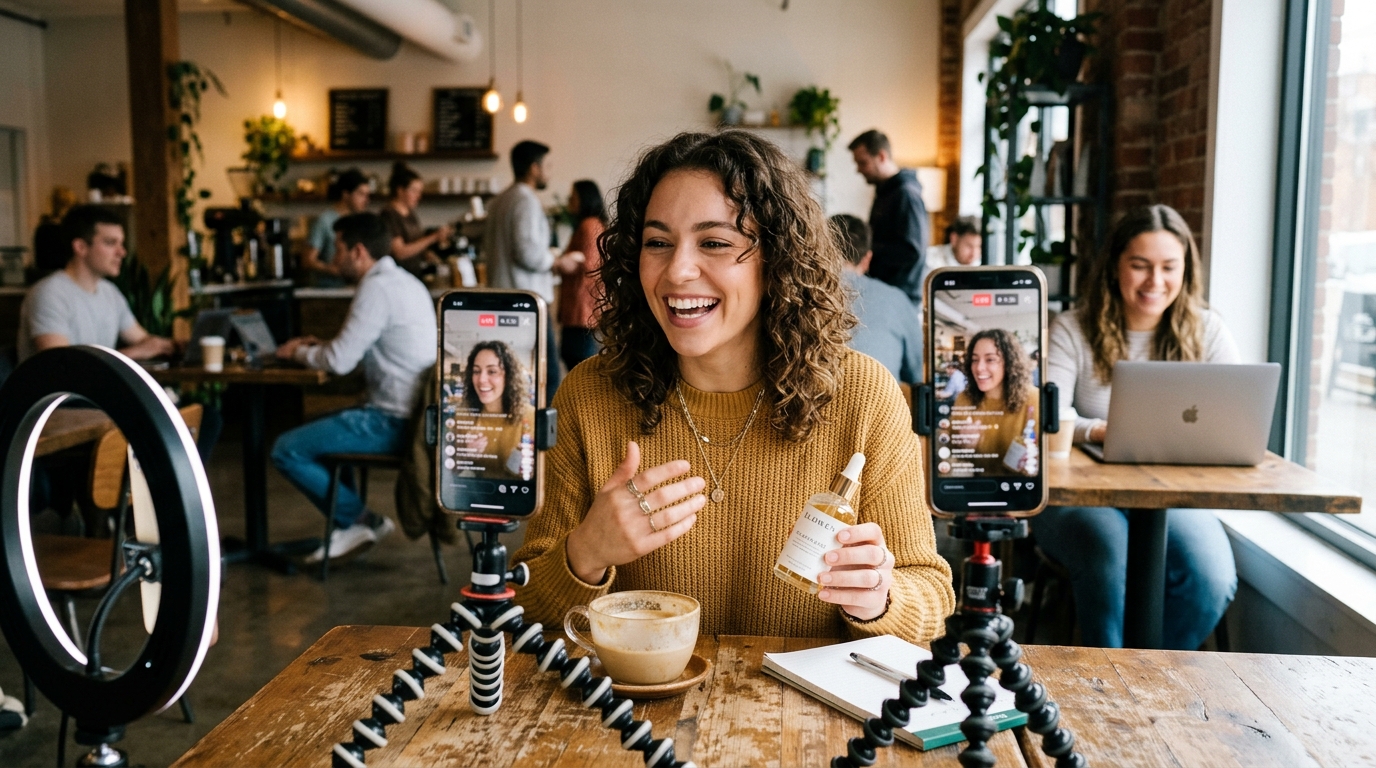
One of the biggest shifts in recent years is the rise of smaller creators. Brands once chased the largest names with the widest reach. Today, many are discovering that creators with smaller, tightly knit communities often deliver better results.
What Makes Micro and Nano Creators So Effective?
Micro creators typically have between 10,000 and 100,000 followers, while nano creators have fewer than 10,000. What they lack in size, they make up for in connection. Their audiences feel like a community rather than a crowd, which leads to higher engagement and stronger trust.
These smaller partnerships also cost less, which means brands can work with several creators at once and reach different audience segments. A skincare brand, for example, might partner with ten micro creators across different regions instead of one celebrity, spreading its message wider and feeling more authentic in the process.
The growing focus on micro influencer marketing trends reflects a broader truth: relevance now beats reach. A creator who genuinely loves your product and speaks to a dedicated niche will often outperform a famous face promoting dozens of brands.
How Do You Find the Right Micro Creators?
Start by looking at who already talks about your industry or product category. Search relevant hashtags, check engagement rates rather than follower counts, and review the comments to see whether the audience is genuinely active. The goal is to find creators whose values and audience align closely with your brand.
What Are the Latest Influencer Marketing Trends Shaping?
The industry keeps evolving, and several clear patterns are defining how brands and creators work together this year. Understanding these latest influencer marketing trends will help you build campaigns that feel current and effective.
Long-Term Partnerships Over One-Off Posts
Brands are moving away from single sponsored posts toward ongoing relationships with creators. These extended collaborations feel more authentic to audiences and give creators time to genuinely understand and advocate for a product. A creator who mentions your brand repeatedly over several months builds far more credibility than one who posts about it once.
Short-Form Video Dominates Content
Platforms like TikTok, Instagram Reels, and YouTube Shorts have made short-form video the centerpiece of social media influencer marketing. These quick, engaging clips capture attention fast and encourage sharing. Creators who master storytelling in under sixty seconds drive some of the highest engagement rates in the industry.
Authenticity Beats Perfection
Audiences crave realness. Overly produced, scripted content often feels like an advertisement, which pushes viewers away. The most effective creators share honest opinions, show real product use, and even mention drawbacks. This transparency builds the trust that drives purchases.
Data and Performance Tracking Take Center Stage
Gone are the days of guessing whether a campaign worked. Brands now rely on detailed metrics—engagement rates, click-throughs, conversions, and return on investment—to measure success. This data-driven approach helps marketers refine their influencer marketing strategies and invest in what actually delivers.
Social Commerce Closes the Gap
Shopping features built directly into social platforms let audiences buy products without leaving the app. When a creator tags a product, followers can purchase it in a few taps. This seamless experience shortens the path from discovery to sale and makes campaigns far more measurable.
How Can Influencer Marketing Drive Business Growth?
The real value of creator partnerships shows up in tangible business results. When done well, this approach supports growth in several key areas.
|
Business Goal |
How Influencer Marketing Helps |
|---|---|
|
Brand Awareness |
Creators introduce your brand to new, relevant audiences |
|
Trust and Credibility |
Authentic endorsements build confidence in your product |
|
Lead Generation |
Engaging content drives traffic and captures interest |
|
Sales and Conversions |
Social commerce turns followers into buyers |
|
Customer Loyalty |
Ongoing partnerships keep your brand top of mind |
Using influencer marketing for business growth requires patience and consistency. A single campaign rarely transforms a business overnight. Instead, the brands that thrive treat creator relationships as a long-term investment, building familiarity and trust over time.
Smaller companies often see the strongest returns because creator partnerships level the playing field. A well-chosen creator can give a startup the same kind of visibility once reserved for brands with massive ad budgets.
What Are the Best Influencer Marketing Strategies for Success?
Building a winning campaign takes more than picking a popular creator and hoping for the best. The following influencer marketing strategies will help you plan, execute, and measure campaigns that deliver.
Define Clear Goals First
Before reaching out to anyone, decide what you want to achieve. Are you after brand awareness, more website traffic, or direct sales? Your goal shapes everything—the creators you choose, the content you request, and the metrics you track.
Choose Creators Who Match Your Brand
Alignment matters more than fame. Look for creators whose audience, values, and content style fit your brand naturally. A mismatched partnership feels forced and can damage your credibility, no matter how large the creator’s following.
Give Creators Creative Freedom
Creators know their audiences better than you do. Provide clear guidelines and key messages, but let them craft content in their own voice. This freedom produces more authentic posts that resonate with their followers.
Focus on Engagement, Not Just Reach
A creator with 500,000 followers but low engagement may deliver less value than one with 20,000 highly active fans. Prioritize engagement strategies that spark comments, shares, and saves rather than chasing raw follower numbers.
Measure and Optimize Continuously
Track your results closely and adjust as you go. If certain content formats or creators outperform others, lean into them. Continuous optimization is one of the most important influencer marketing best practices for long-term success.
What Are the Top Influencer Engagement Strategies That Work?
Engagement is the heartbeat of any successful campaign. High follower counts mean little if no one interacts with the content. These influencer engagement strategies help turn passive viewers into active participants.
Encourage Authentic Conversations
The best content sparks discussion. Encourage creators to ask questions, respond to comments, and invite their audience to share opinions. When followers feel heard, they engage more deeply with both the creator and your brand.
Use Interactive Content Formats
Polls, quizzes, challenges, and live streams pull audiences into the experience. These formats invite participation rather than passive scrolling, which boosts engagement and keeps your brand memorable.
Create Shareable Moments
Content that people want to share extends your reach organically. Whether it’s a clever tip, an emotional story, or a fun challenge, shareable moments multiply your campaign’s impact without extra spend.
Build Community Around Your Brand
The strongest creator partnerships foster a sense of belonging. When audiences feel part of a community, they become loyal advocates who promote your brand long after a campaign ends.
How Do Different Platforms Affect Your Strategy?
Each social platform has its own culture, audience, and content style. Smart marketers tailor their approach to fit where their audience spends time.
Instagram and Visual Storytelling
Instagram remains a powerhouse for visual content, lifestyle brands, and product showcases. Its mix of Reels, Stories, and posts gives creators flexible ways to engage audiences.
TikTok and Viral Reach
TikTok thrives on creativity, trends, and entertainment. Its algorithm can push content to massive audiences quickly, making it ideal for brands willing to embrace playful, authentic content.
YouTube and In-Depth Content
YouTube suits longer, detailed content like reviews, tutorials, and storytelling. Creators here build deep trust over time, which works well for products that need explanation.
LinkedIn and Professional Influence
For business-to-business brands, LinkedIn creators offer access to professional audiences. Thought leadership and industry insights perform especially well on this platform.
Common Mistakes to Avoid in Influencer Marketing
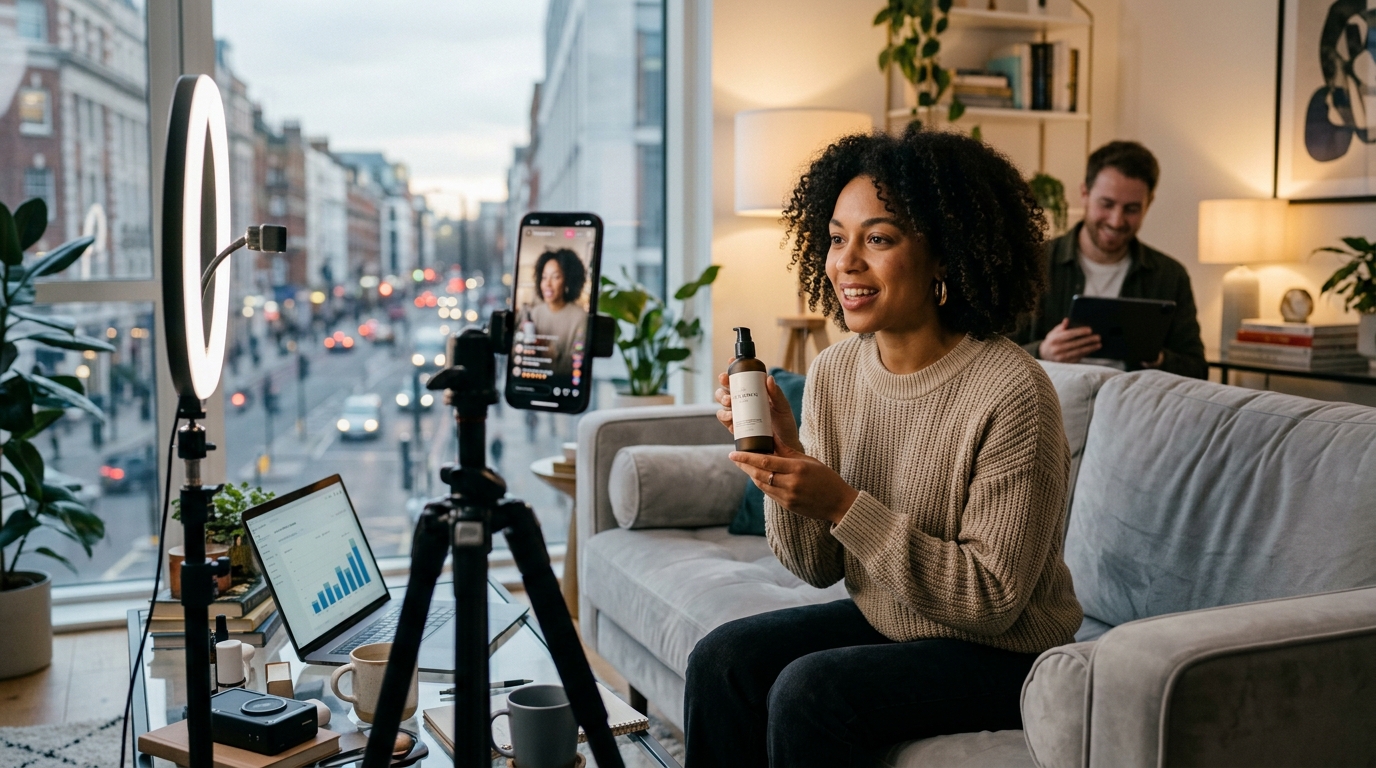
Even experienced marketers stumble. Avoiding these pitfalls will save you time, money, and frustration.
- Chasing follower counts over engagement. Big numbers don’t guarantee results.
- Ignoring audience alignment. A mismatched creator wastes your budget.
- Over-controlling content. Scripted posts feel inauthentic and underperform.
- Skipping measurement. Without data, you can’t improve.
- Expecting instant results. Growth takes consistency and patience.
Key Takeaways and Next Steps
Influencer marketing has grown into a serious driver of engagement and revenue. The brands winning today understand that authenticity, smart creator selection, and consistent measurement matter more than chasing the biggest names. By embracing micro creators, long-term partnerships, short-form video, and data-driven decisions, you position your brand to grow steadily and connect genuinely with your audience.
Start small if you need to. Choose one platform, find a handful of aligned creators, set clear goals, and measure everything. As you learn what works, scale your efforts and refine your approach. The creators who match your brand and the strategies that prioritize real engagement will carry you furthest.
The opportunity is here, and the tools are within reach. Put these insights into action, stay flexible as the industry evolves, and you’ll build campaigns that deliver lasting results for your business.
Conclusion
Influencer marketing continues to evolve as consumers seek authentic recommendations and meaningful connections with brands. Businesses that embrace micro and nano creators, prioritize long-term partnerships, leverage short-form video, and measure campaign performance are better positioned for sustainable growth. Success comes from choosing influencers who genuinely align with your brand and giving them the creative freedom to engage their audiences naturally. Rather than focusing only on follower counts, prioritize trust, relevance, and measurable results. By staying informed about emerging trends and continuously optimizing your campaigns, you can strengthen customer relationships, increase engagement, and achieve long-term business growth through influencer marketing.
Frequently Asked Questions
What is the difference between micro and macro influencers?
Micro creators have between 10,000 and 100,000 followers and offer high engagement within tight-knit communities. Macro creators have hundreds of thousands or millions of followers and offer wide reach but often lower engagement rates. Micro creators usually cost less and feel more authentic, while macro creators suit campaigns focused on mass awareness.
How much does influencer marketing cost?
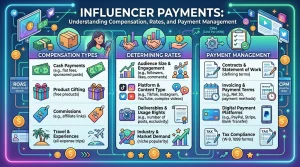
Costs vary widely based on the creator’s following, platform, content type, and campaign length. Nano and micro creators may charge anywhere from a free product to a few hundred dollars per post, while larger creators can charge thousands. Many small businesses start with micro creators to maximize value on a limited budget.
How do you measure influencer marketing success?
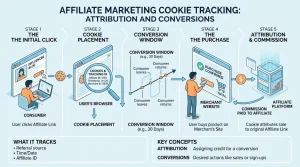
Track metrics tied to your goals, such as engagement rate, reach, website clicks, conversions, and return on investment. Use platform analytics, trackable links, and discount codes to connect campaign activity to real business outcomes. Consistent measurement helps you refine your strategy over time.
Which platform is best for influencer marketing?
The best platform depends on your audience and goals. Instagram and TikTok work well for consumer products and visual content, YouTube suits detailed reviews and tutorials, and LinkedIn fits business-to-business brands. Focus on the platform where your target audience spends the most time.
How long does it take to see results from influencer marketing?
Results vary, but most brands see meaningful engagement within a few weeks of a campaign launch. Building trust and driving consistent sales usually takes several months of ongoing partnerships. Patience and consistency are key to long-term success.