Influencer Management: Build Strong Partnerships and Campaigns

Influencer Management helps businesses organize creator relationships, manage outreach, coordinate campaigns, track performance, and maintain clear contracts. By using reliable databases, communication processes, and campaign workflows, brands can improve collaboration and protect their interests. A balanced approach that combines structured management with creative freedom supports stronger influencer partnerships and more effective marketing campaigns.
Influencer Management helps brands organize creator relationships, coordinate collaborations, manage agreements, and maintain consistent communication throughout influencer marketing campaigns. As businesses work with creators across social media platforms, effective management becomes essential for keeping campaigns organized, protecting brand interests, and building long-term partnerships.
Influencer marketing involves more than finding popular creators and asking them to promote a product. Brands need to identify suitable partners, communicate expectations, coordinate content production, manage contracts, monitor performance, and maintain professional relationships. Without a clear management process, these responsibilities can become difficult to handle, especially when multiple creators and campaigns operate simultaneously.
A structured approach helps businesses improve collaboration, maintain brand consistency, and make better use of their marketing resources. It also creates a smoother experience for influencers by providing clear instructions, realistic deadlines, timely feedback, and transparent expectations. When both sides understand their responsibilities, influencer partnerships have a stronger foundation for long-term success.
Understanding the Importance of Influencer Management
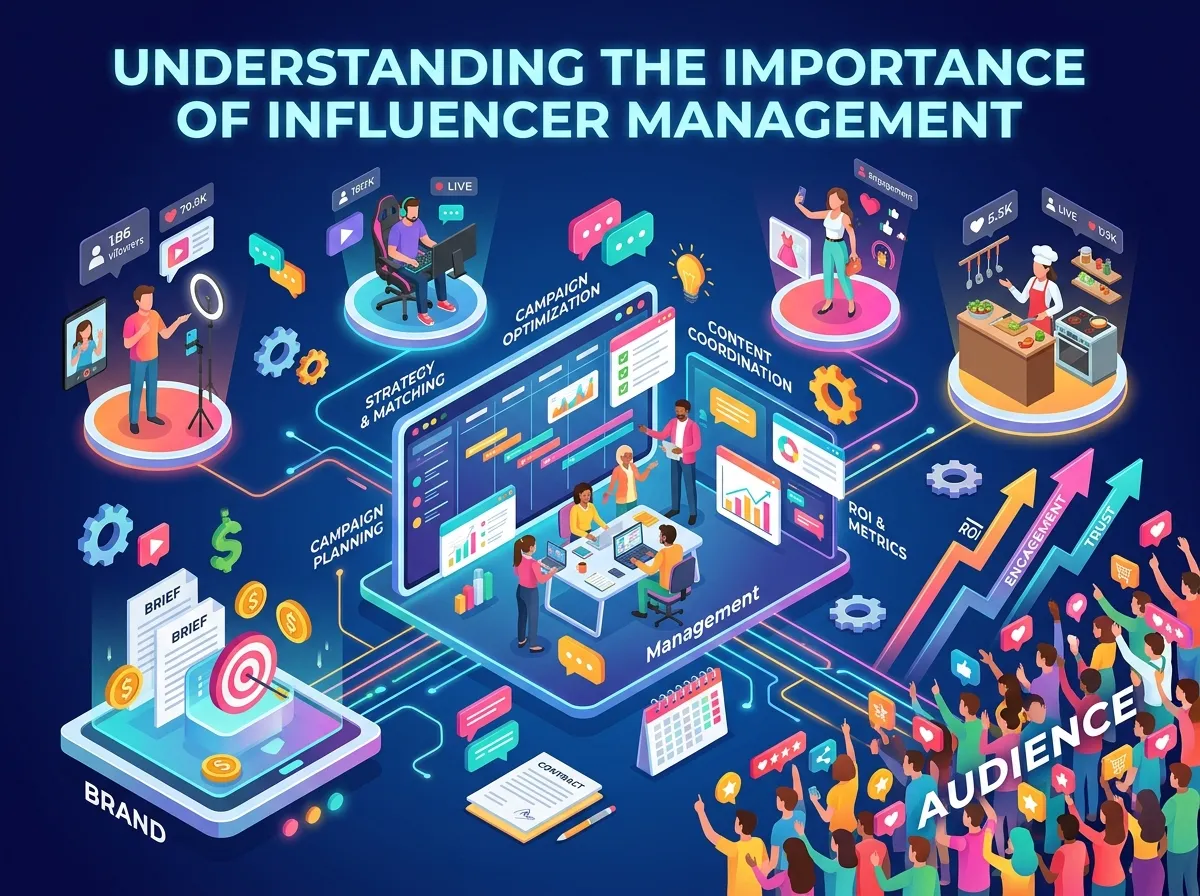
Influencer Management refers to the process of organizing and maintaining relationships with content creators who help brands reach relevant audiences. It includes influencer discovery, communication, collaboration planning, contract administration, campaign coordination, and performance evaluation.
Each of these responsibilities contributes to campaign quality. A suitable influencer may have an engaged audience, but a partnership can still struggle if communication is inconsistent or deliverables are poorly defined. Clear management processes help prevent misunderstandings and ensure that everyone understands the campaign’s objectives.
Influencer management is particularly important when brands work with multiple creators. Different influencers may have different content styles, audience expectations, availability, and working preferences. Coordinating these differences requires organized records, clear timelines, and consistent communication.
A strong management process also supports brand safety and relationship development. Brands need to ensure that creator content aligns with campaign requirements while respecting the influencer’s individual voice. Excessive control can make content feel unnatural, while insufficient guidance may lead to inconsistent messaging.
Effective influencer management balances these needs. It provides enough structure to protect business objectives without limiting the creativity that makes influencer partnerships valuable.
Influencer Relationship Management and Long-Term Partnerships
Influencer relationship management focuses on building professional, mutually beneficial relationships with creators. Instead of treating influencers as temporary promotional channels, brands can view them as partners who understand their audience and contribute valuable creative perspectives.
Strong relationships begin with thoughtful communication. Brands should explain why they are interested in working with a particular creator, identify shared objectives, and outline the potential value of the collaboration. Generic outreach messages may receive less attention because they do not demonstrate an understanding of the influencer’s content or audience.
Reliability matters throughout the relationship. Responding to questions, providing feedback on time, honoring payment terms, and respecting agreed deadlines demonstrate professionalism. When creators know what to expect, they can plan their work more confidently and focus on producing quality content.
Relationship management also involves understanding individual preferences. Some creators may prefer detailed briefs and structured approval processes, while others may work best with broader creative direction. Learning how partners communicate and organize their work can reduce friction during future campaigns.
Long-term partnerships often become more efficient as both parties gain experience working together. Influencers develop a better understanding of the brand, while businesses learn which communication styles and creative approaches work well. This familiarity can support more consistent collaborations and stronger audience trust.
Choosing the Right Influencer Management Platforms
Influencer management platforms help brands organize creator information, communication, campaign activities, and performance data. Depending on the platform, features may include influencer discovery, audience analysis, contact management, contract records, content tracking, payment coordination, and reporting.
The most suitable platform depends on the organization’s size and campaign requirements. A small business working with a few creators may only need a well-organized database and simple project management tools. A larger brand managing multiple campaigns may benefit from centralized workflows, team permissions, automated reminders, and integrations with marketing systems.
Ease of use is an important consideration. A platform should help teams find information quickly rather than create additional administrative work. Clear dashboards, searchable records, customizable fields, and accessible reports can make daily management more efficient.
Integration can also improve coordination. When influencer records, campaign calendars, contracts, and performance reports are maintained in disconnected systems, team members may struggle to identify the latest information. Bringing relevant details together can reduce duplication and improve visibility.
However, technology should support a defined process rather than replace it. Even advanced platforms require accurate information, clear responsibilities, and consistent updates. Brands should establish how their teams will use the system before adding more tools to their workflow.
Influencer Database Management for Organized Campaigns
Influencer database management involves collecting, organizing, and maintaining relevant information about current and potential creator partners. A well-maintained database helps marketing teams identify suitable influencers, review previous collaborations, and avoid repeating unnecessary research.
Useful records may include the creator’s name, social media profiles, content category, audience characteristics, location where relevant, contact details, collaboration history, and preferred communication method. Brands may also record agreed rates, campaign participation, contract status, and previous performance.
The quality of the database matters more than the number of entries it contains. A large list of poorly matched creators may be less useful than a smaller collection of relevant, carefully evaluated partners. Teams should prioritize audience relevance, content quality, engagement patterns, and alignment with brand values.
Information should also be reviewed regularly. Influencers may change their content focus, audience composition, posting frequency, or contact details. Updating records helps ensure that outreach decisions rely on current information rather than outdated assumptions.
Consistent categorization makes the database easier to use. Brands can group creators by industry, content format, audience type, campaign objective, or previous relationship. These categories help teams identify potential partners for specific projects without starting the discovery process from the beginning.
Responsible information handling is equally important. Businesses should collect only necessary professional information, restrict access where appropriate, and follow applicable privacy requirements. A reliable database supports better decisions while protecting the trust of both creators and the brand.
Influencer Communication Management and Clear Expectations
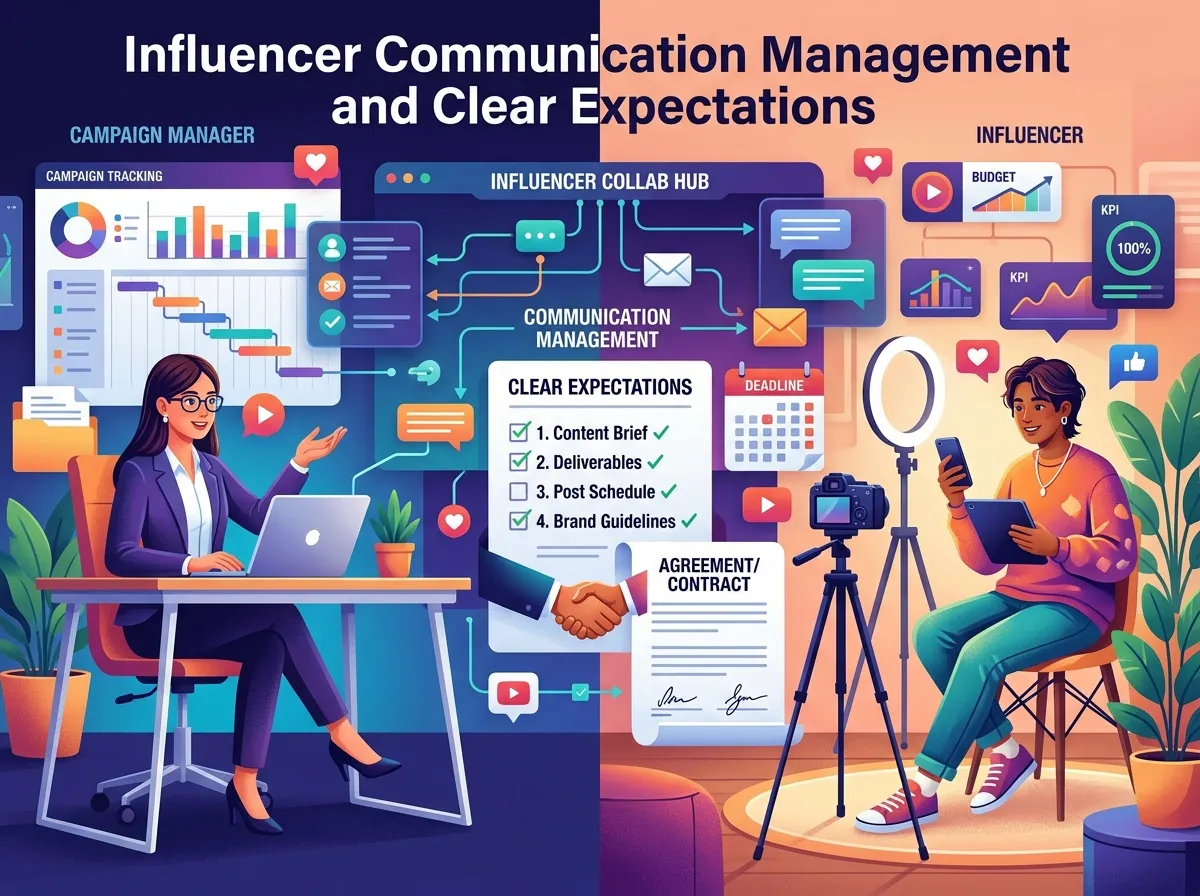
Influencer communication management ensures that brands and creators receive accurate information throughout a collaboration. It covers initial outreach, campaign briefs, content discussions, approvals, schedule updates, feedback, and post-campaign follow-up.
Clear communication begins with the campaign brief. Influencers should understand the campaign objective, target audience, key messages, deliverables, deadlines, compensation, disclosure requirements, and content approval process. When these details are established early, both parties can work with greater confidence.
Communication should remain organized as the campaign progresses. Brands can establish agreed channels for routine updates and identify the appropriate contact person for questions or urgent changes. This reduces confusion when several team members are involved.
Feedback should be specific and constructive. Instead of asking an influencer to make a post more appealing, a brand can explain which message needs clarification or which campaign requirement has not been addressed. Useful feedback helps creators understand what needs to change without unnecessarily restricting their style.
Timely responses are also essential. Delayed approvals can affect publishing schedules and create avoidable pressure. Brands should set realistic review periods and communicate changes as early as possible.
Influencer communication should feel collaborative rather than purely transactional. Creators often understand their audiences better than outside marketing teams do, so inviting their perspectives can improve content relevance. Respectful communication helps maintain trust and makes future partnerships easier to coordinate.
Influencer Collaboration Management and Creative Alignment
Influencer collaboration management coordinates the work required to develop and deliver content with creators. It ensures that campaign objectives, creative direction, timelines, and responsibilities remain aligned throughout the partnership.
The process begins by agreeing on the type of collaboration. A campaign may involve sponsored videos, product demonstrations, reviews, educational posts, event appearances, or co-created content. Each format requires different preparation, production time, and approval arrangements.
Brands should provide clear creative direction while allowing influencers to communicate naturally with their audiences. Creators build relationships through their individual voices, formats, and perspectives. Content that sounds overly scripted may feel less authentic, while content without sufficient direction may fail to communicate important product information.
A practical collaboration plan should identify deliverables, submission dates, revision limits, publication schedules, and the people responsible for approvals. These details help prevent misunderstandings and keep projects moving.
Brands can also improve collaboration by involving creators early in the planning process. Influencers may suggest content formats, audience questions, or presentation styles that the brand has not considered. Their input can make campaigns more relevant and engaging.
For businesses managing several creators, collaboration workflows help maintain consistency without making every piece of content identical. Shared campaign objectives and essential brand requirements can coexist with individual creative approaches.
A well-organized influencer collaboration marketing approach can help brands coordinate these relationships while preserving the creative strengths that each partner brings to the campaign.
Influencer Contract Management and Usage Rights
Influencer contract management involves creating, reviewing, storing, and tracking agreements between brands and creators. Contracts clarify expectations, reduce the likelihood of disputes, and establish the terms under which a collaboration will operate.
An agreement should define the services being provided, content deliverables, deadlines, compensation, payment terms, revision requirements, cancellation conditions, and disclosure responsibilities. It should also explain what happens if content is delayed, requirements change, or either party cannot fulfill the agreed commitments.
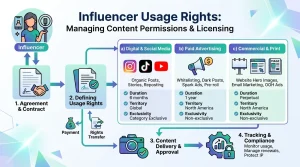
Content usage rights deserve particular attention. Permission to publish a sponsored post does not automatically mean a brand can reuse that content in paid advertising, on its website, in email campaigns, or across other marketing channels. The agreement should clearly specify the permitted uses, duration, platforms, geographic scope where relevant, and any additional compensation.
Brands can review Influencer Usage Rights to better understand why content permissions and licensing terms should be addressed before publication or reuse.
Contract records should be stored in an organized and accessible location. Teams need to know which agreements are approved, when deliverables are due, what permissions have been granted, and whether any terms require renewal.
For larger campaigns, legal review may be appropriate, particularly when agreements involve extensive content licensing, exclusivity, paid media usage, or significant financial commitments. Clear contracts help protect both parties and establish a professional foundation for the relationship.
Influencer Outreach Management and Creator Selection
Influencer outreach management organizes the process of identifying suitable creators, contacting them, following up, and moving interested partners toward collaboration. A structured approach helps businesses maintain professional communication and prioritize the creators most likely to support their campaign objectives.
Effective outreach starts with relevance. Brands should assess whether a creator’s audience, content style, subject expertise, and values align with the campaign. Follower count alone is not a reliable measure of suitability because audience relevance and genuine engagement can matter more than overall reach.
Outreach messages should demonstrate familiarity with the creator’s work. Explaining why a particular creator is a suitable partner makes the invitation more meaningful than sending a generic message to a large contact list. The initial communication should briefly introduce the brand, describe the opportunity, and make the next step clear.
Tracking outreach status helps prevent missed opportunities. Teams can record when a creator was contacted, whether they responded, what information they requested, and whether a proposal was sent. Follow-up reminders can help maintain consistency without encouraging excessive messaging.
Outreach management also benefits from clear evaluation criteria. Brands can consider content quality, audience alignment, communication reliability, previous partnerships, and campaign requirements before deciding whom to approach.
For businesses that use influencer partnerships to attract prospective customers, coordinated outreach can support wider commercial objectives. Where appropriate, influencer campaigns can work alongside relevant lead generation services to help connect audience interest with broader lead-generation activities.
Influencer Performance Monitoring and Campaign Evaluation
Influencer performance monitoring evaluates how creator partnerships contribute to campaign objectives. It helps brands understand whether their collaborations are generating meaningful reach, engagement, website visits, inquiries, or sales.
The most appropriate metrics depend on the campaign’s purpose. Awareness-focused activities may prioritize reach, impressions, video views, and audience relevance. Engagement-focused campaigns may examine comments, shares, saves, and meaningful audience interactions. Conversion-focused campaigns may track referral traffic, leads, purchases, and revenue.
Brands should establish measurement criteria before the campaign begins. Tracking links, unique promotional codes, landing pages, and platform analytics can help connect creator activity with results. Consistent measurement methods also make it easier to compare different campaigns over time.
Performance should be interpreted in context. A creator with a smaller audience may generate highly relevant engagement, while a larger account may provide broad visibility but fewer conversions. Campaign costs, audience characteristics, content quality, and the intended outcome should all inform the evaluation.
Qualitative feedback is valuable alongside numerical data. Comments and direct audience responses may reveal questions, concerns, or product interests that basic metrics cannot explain. These insights can help brands improve future messaging and collaboration choices.
Performance monitoring should support learning rather than simply ranking creators. Reviewing results with influencers can identify successful approaches, clarify unexpected outcomes, and reveal opportunities for improvement. A fair and transparent review process can strengthen the relationship while improving future campaign decisions.
Influencer Partnership Management and Campaign Coordination

Influencer partnership management focuses on maintaining productive relationships across multiple campaigns and over longer periods. It helps brands coordinate expectations, recognize strong contributors, and create opportunities for repeat collaboration.
Long-term partnerships can provide continuity. When creators work with a brand repeatedly, they may develop a deeper understanding of its products, values, and target audience. This familiarity can make future content more consistent and reduce the time required for onboarding and briefing.
Partnership management should include regular communication about expectations and results. Brands can discuss what worked well, identify content opportunities, and gather feedback about the collaboration process. These conversations help both parties understand how the relationship can become more effective.
Campaign coordination connects individual creator activities with the wider marketing calendar. It includes aligning publication dates, managing deliverables, coordinating product shipments, arranging approvals, and ensuring that promotional messages are consistent across channels.
As the number of creators increases, shared calendars and clear workflows become increasingly important. Each campaign should have defined responsibilities, deadlines, and approval stages so that teams can identify potential delays early.
Marketing automation can support repetitive administrative tasks, such as reminders, status updates, and reporting. A suitable influencer marketing automation process can improve efficiency while allowing teams to focus on relationship building and creative decisions.
Automation should not replace personal communication. Influencers still benefit from relevant feedback, direct conversations, and recognition of their contributions. Combining organized workflows with genuine professional relationships creates a stronger foundation for sustainable partnerships.
Conclusion
Influencer Management helps brands organize creator relationships, coordinate collaborations, maintain clear agreements, and evaluate campaign performance. By combining effective communication, reliable databases, structured workflows, and ongoing monitoring, businesses can reduce administrative challenges and create more productive partnerships.
The most effective approach balances organization with flexibility. Clear expectations and consistent processes protect campaign objectives, while trust and creative freedom allow influencers to produce content that resonates with their audiences. When brands treat influencer management as a long-term relationship-building process, they can improve collaboration quality and create stronger foundations for future campaigns.
10 Frequently Asked Questions
1. What is Influencer Management?
Influencer Management is the process of organizing and maintaining relationships with creators who promote or collaborate with a brand. It includes influencer discovery, outreach, communication, contract management, content coordination, and performance evaluation.
2. Why is influencer management important for brands?
It helps brands maintain clear communication, coordinate deliverables, protect content rights, and evaluate campaign results. Effective management also reduces administrative problems and supports long-term relationships with suitable creators.
3. What are influencer management platforms?
Influencer management platforms are digital tools that help businesses discover creators, organize contact information, manage campaigns, track deliverables, store agreement details, and analyze performance. The right platform depends on campaign complexity, team size, and business requirements.
4. What information should an influencer database contain?
A useful database may include creator profiles, social media links, content categories, audience information, contact details, collaboration history, agreed rates, contract status, and performance records. Information should be updated regularly and handled responsibly.
5. How can brands improve influencer communication management?
Brands can improve communication by providing clear briefs, establishing realistic deadlines, assigning a primary contact, responding promptly, and giving specific feedback. Respecting creators’ expertise and creative styles also helps maintain productive relationships.
6. What should an influencer contract include?
An influencer contract should define deliverables, deadlines, compensation, payment terms, revisions, disclosure responsibilities, cancellation conditions, and content usage rights. Both parties should understand the agreement before work begins.
7. How does influencer performance monitoring work?
Performance monitoring involves reviewing metrics such as reach, impressions, engagement, referral traffic, leads, and conversions. Brands should select measures that match campaign objectives and consider audience relevance, content quality, and campaign costs when interpreting results.
8. What is the difference between influencer outreach and relationship management?
Influencer outreach focuses on finding and contacting potential creators to discuss collaboration opportunities. Relationship management covers the broader process of building and maintaining professional partnerships before, during, and after campaigns.
9. Can automation improve influencer campaign coordination?
Yes. Automation can help manage reminders, track deliverables, organize records, and support reporting. However, personal communication, creative feedback, and relationship development still require human judgment and attention.
10. How can brands build long-term influencer partnerships?
Brands can build long-term partnerships by selecting relevant creators, communicating transparently, paying on time, respecting creative expertise, reviewing performance fairly, and identifying mutually beneficial opportunities for future collaborations.