How to Create an Influencer Marketing Strategy: A Practical Guide for Brands

A strong influencer plan aligns goals, creator fit, message timing, and budget so each collaboration builds trust, content, and conversions without wasting attention or spend.
Influencer marketing works best when it is treated like a system, not a one-off sponsorship. The most effective brands do not simply pay creators and hope for results. They create a clear plan, match the right voice to the right audience, and measure what happens after the post goes live. That is where structure matters.
When teams search for How to create an influencer marketing strategy, they usually want a process that is simple enough to follow but strong enough to produce real business results. A smart strategy helps a brand choose the right creators, define campaign goals, map the content journey, and keep the relationship focused on outcomes rather than vanity metrics.
An effective Influencer marketing strategy also respects how people make decisions. Audiences do not always buy the first time they see a product. They observe, compare, trust, and then act. A thoughtful plan gives them multiple chances to understand the brand in a natural way.
What Is an Influencer Marketing Strategy
What is an influencer marketing strategy? It is a structured plan for using creators, content, and audience trust to support business goals such as awareness, traffic, engagement, leads, or sales. Instead of random partnerships, the brand chooses a clear objective, a target audience, and a content approach that fits the message.
A strong strategy is built on alignment. The influencer’s audience should resemble the brand’s ideal customer. The creator’s tone should match the campaign’s personality. The content format should fit the platform. When those parts work together, the message feels authentic rather than forced.
The best Influencer marketing strategy does more than create exposure. It shapes perception. People often trust a creator because they already feel connected to that person’s style, routine, or point of view. When that trust transfers to a brand, the campaign gains more credibility than a standard ad can usually deliver.
Why the Strategy Matters

The Benefits of an influencer marketing strategy are bigger than short-term visibility. One major benefit is trust. A recommendation from a creator can feel more human than a branded advertisement, especially when the creator has already built a loyal audience around a niche. That trust can lower resistance and improve response rates.
Another benefit is better targeting. A brand can choose creators whose followers already care about the topic, product category, or lifestyle. That means the message reaches a more relevant audience instead of casting a wide net and hoping for attention. In many cases, this makes campaigns more efficient and easier to scale.
A well-built strategy also improves content quality. Influencer collaborations often produce photos, videos, stories, reviews, tutorials, and testimonials that can be reused across other marketing channels. That extra content can support ads, landing pages, email campaigns, and social proof. In that sense, influencer work can strengthen the broader marketing engine.
There is also a psychological advantage. People often respond better to a message when it arrives from someone they already follow and respect. A strong plan uses that dynamic responsibly, which can create higher engagement and stronger brand memory over time.
Start With Clear Goals
Influencer marketing goals should be specific before any creator is contacted. A campaign without goals may look active, but it becomes hard to evaluate. A brand may want brand awareness, product education, website traffic, email signups, app installs, or direct sales. Each goal requires a different content style and a different way of measuring success.
If the goal is awareness, the campaign should prioritize reach, impressions, and audience fit. If the goal is engagement, the content should invite comments, shares, saves, and saves on platform-specific formats. If the goal is conversions, the brand should focus on stronger offers, clearer calls to action, tracking links, and landing pages that support the campaign message.
Good goals also help the team make faster decisions. When everyone knows what the campaign is supposed to do, it becomes easier to choose the right influencer, approve the right content, and judge the outcome honestly. That clarity prevents confusion later in the process.
A useful rule is to define one primary goal and one secondary goal. That keeps the campaign focused while still leaving room for a broader impact.
Plan the Campaign Intentionally
Influencer marketing campaign planning begins with the customer journey. A brand should think about what the audience knows before the campaign starts, what they need to understand during the campaign, and what should happen after the first interaction. That journey determines the message order and the content mix.
Planning should also include platform choice. Some stories work better on Instagram, others on TikTok, YouTube, LinkedIn, or a blog. The right platform depends on where the audience already spends time and how they prefer to consume content. A video-first campaign needs a different plan than a text-based review series.
Timeline matters too. A launch campaign may need a burst of visibility in a short period. A long-term partnership may require weekly or monthly posts that build recognition over time. In both cases, the brand should decide how many pieces of content are needed, what each piece should say, and when it should appear.
Strong planning also reduces last-minute mistakes. When deliverables, messaging, usage rights, and measurement methods are clear from the beginning, the campaign runs more smoothly and creates less friction for both the brand and the creator.
How to Choose the Right Influencers
How to choose the right influencers is one of the most important decisions in the entire process. Audience size matters, but it is not the only thing that matters. A creator with a smaller but highly engaged audience may outperform a larger creator whose followers are passive or unrelated to the offer.
Start by reviewing audience fit. Does the creator speak to the same type of person the brand wants to reach? Then look at content style. Does the creator’s tone feel natural for the brand message? Finally, check engagement quality. Real comments, thoughtful replies, and steady interaction often say more than a raw follower count.
It also helps to review consistency. A reliable creator posts regularly, understands their audience, and knows how to communicate in a way that feels familiar. That consistency makes it easier for the brand to predict performance and maintain campaign quality.
Brands should also watch for authenticity. If every post looks overly promotional, the audience may stop trusting the recommendation. The most valuable partnerships usually come from creators who already talk about related topics and can present the product in a believable way.
Build the Message Around the Audience

A strong influencer campaign begins with audience psychology. People pay attention when they feel understood. They respond when a message speaks to their needs, habits, fears, or goals. That means the content should answer questions the audience is already thinking about.
For example, some people want proof that a product works. Others want to know how it fits into a routine. Some want affordability, while others want quality or convenience. Influencer content works best when it highlights the angle that matters most to the target viewer.
The message also needs to feel native to the platform. A polished demonstration may work well in a video tutorial, while a candid first impression might feel stronger in a story or casual post. The more naturally the message fits the creator’s style, the more believable it becomes.
This is why the best campaigns are not built around the brand’s favorite wording alone. They are built around the audience’s language, expectations, and level of awareness.
Steps to Create an Influencer Marketing Strategy
Steps to create an influencer marketing strategy can be broken into a repeatable process. When teams follow a clear sequence, the campaign becomes easier to launch, measure, and improve.
1. Define the business outcome
Decide what the campaign should accomplish. The goal may be awareness, clicks, trials, leads, or sales. Once the outcome is clear, the rest of the strategy becomes much easier to shape.
2. Identify the target audience
Write down who should see the message, what they care about, what they already know, and what problems they want solved. This step creates the foundation for creator selection and content design.
3. Match the right creators
Choose influencers whose audience, style, and niche support the message. This is where the strategy becomes practical, because the wrong creator fit can weaken even a good offer.
4. Choose content formats
Decide whether the campaign needs reels, stories, long-form videos, tutorials, live sessions, testimonials, or a mix. Each format serves a different role in the journey.
5. Set a timeline
Map out the launch date, posting sequence, review process, and follow-up period. A timeline keeps the collaboration organized and helps the brand maintain momentum.
6. Define success metrics
Choose the numbers that matter most. That might be reach, engagement, CTR, traffic, conversions, signups, or revenue. Metrics keep the campaign grounded in reality.
7. Review and improve
After the campaign ends, analyze what worked and what did not. The best Influencer marketing strategy improves over time by using performance data to refine the next round.
Budget With Clarity
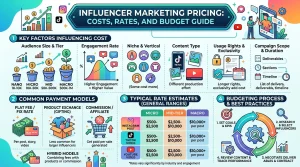
Influencer marketing budget decisions should be made before the first contract is signed. Budget is not only about how much money is available. It is about how that money is distributed across creators, content production, product samples, paid amplification, tracking, and reporting.
The size of the budget should match the goal. A broad awareness campaign may need multiple creators and more content pieces. A conversion-focused campaign may need fewer creators but stronger tracking, better landing pages, and a more compelling offer. A budget without a strategy can be wasted quickly.
It also helps to plan for testing. A brand does not always know in advance which creator, format, or message will work best. Setting aside part of the budget for experimentation gives the team room to learn. That learning can make the next campaign more efficient and more effective.
Smaller budgets can still work well if the brand is selective. In many cases, a focused campaign with a few aligned creators will outperform a large but unfocused spend.
Influencer Marketing for Small Businesses
Influencer marketing for small businesses can be surprisingly powerful because small teams often need trust faster than they need scale. A creator partnership can help a small brand look more established, build credibility, and introduce the business to a relevant audience without requiring a huge media budget.
Small businesses usually benefit from micro or nano creators who have strong relationships with a niche audience. These partnerships often feel more personal and less commercial. For a small business, that authenticity can matter more than celebrity reach. It can also make the collaboration more affordable and easier to manage.
A simple campaign structure works best. One product, one creator, one clear message, and one measurable action can already produce useful results. Small businesses should focus on learning quickly instead of trying to run a complex multi-channel program too early.
The best advantage for a smaller brand is flexibility. It can move faster, test different creators, and adapt content more easily than a large organization with many approval layers.
Influencer Marketing for B2B
Influencer marketing for B2B follows the same trust principle, but the audience is often more cautious and more analytical. The buying cycle may be longer, the product may be more complex, and the decision may involve multiple people. That changes the content strategy.
B2B creators often succeed when they are seen as industry experts, educators, analysts, or practitioners. Their content usually needs to explain value, show experience, and reduce risk. The campaign may include thought leadership, product walkthroughs, webinar participation, case study commentary, or expert opinion posts.
A B2B strategy should also align with the sales funnel. Early-stage content might build awareness around a problem. Mid-stage content might show comparisons or implementation examples. Late-stage content might support a demo request or consultation. In that model, the influencer helps move the buyer through a more deliberate journey.
B2B partnerships are especially valuable when the creator can speak credibly to the audience’s pain points. When that happens, the brand becomes easier to understand and easier to trust.
Create Content That Converts Without Feeling Forced
Influencer content should feel useful first and promotional second. People ignore content that feels like a sales pitch too quickly. They stay with content that teaches, entertains, solves a problem, or reflects their own experience.
The best creator content often has a simple structure. It starts with a relatable problem, introduces the product or idea, shows how it works in a realistic setting, and ends with a gentle call to action. That flow feels less aggressive and more human.
A brand should also allow the creator some freedom. Influencers know how to speak to their audience. If the script is too rigid, the final content may lose the personality that made the partnership valuable in the first place. A good strategy sets boundaries while still leaving room for the creator’s voice.
This balance between brand control and creator authenticity is one of the most important parts of the process. When done well, it creates content that feels credible, memorable, and persuasive.
Tracking Performance the Right Way
A strong campaign needs measurement. Without tracking, it becomes impossible to know whether the strategy was effective or merely visible. The easiest way to start is with a few core metrics tied to the campaign goal.
If the goal is awareness, measure reach, impressions, views, and share of voice. If the goal is engagement, measure comments, shares, saves, completion rate, and interaction quality. If the goal is traffic or conversions, measure clicks, landing page behavior, signups, purchases, or demo requests.
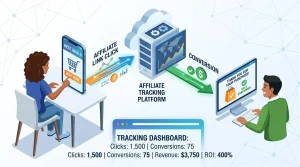
Tracking links, discount codes, custom landing pages, and UTM parameters can help isolate performance. Those tools show which creator or content format contributed most strongly to the result. Over time, the data makes planning smarter.
It is also important to review qualitative signs. Comments can reveal objections, audience language, and product questions. Those insights can improve future campaigns and even shape other marketing materials.
Common Mistakes to Avoid
One common mistake is choosing creators only by follower count. That approach can miss audience fit, trust, and engagement quality. Another mistake is giving the creator a script that sounds too promotional. People can often feel when content is not genuine, and that reduces its effect.
Another issue is unclear success criteria. If the brand never defines what the campaign is supposed to do, the final result will be hard to judge. That makes it difficult to improve the next campaign or explain value to stakeholders.
Poor timing is another problem. A creator may post the right message at the wrong stage of a buyer journey. When that happens, the audience may not be ready. Good planning reduces this risk by connecting the content to the likely level of awareness.
A final mistake is treating influencer work as separate from the rest of marketing. The strongest results usually happen when creator content supports ads, email, SEO, and landing pages. The campaign becomes stronger when the channels work together.
A Simple Framework for Long-Term Success
The most durable influencer programs are built around repetition and learning. One campaign teaches the brand something about audience behavior. The next campaign uses that insight to improve the offer, the format, or the creator fit. Over time, that loop creates a stronger system.
A useful framework is to think in four stages: discover, test, optimize, and scale. First, discover which creators and messages align best. Then test a few options in a small way. After that, optimize based on results. Finally, scale the combinations that perform well.
This approach keeps the strategy practical. It allows the team to build confidence before making bigger decisions. It also keeps the work tied to outcomes rather than assumptions.
The best campaigns are not always the biggest ones. They are the ones that understand the audience, respect the creator, and stay focused on the business goal.
Conclusion
A successful influencer program is built on clarity, fit, and consistency. Brands that treat creators as strategic partners, not just media placements, usually get more from the relationship. They earn attention that feels more natural, more trusted, and more useful to the audience. That is why a thoughtful process matters so much. When goals are clear, the audience is understood, the creator is chosen carefully, and the content is measured properly, the campaign becomes much easier to improve. Over time, a strong strategy can support awareness, conversions, and long-term brand equity in a way that feels human and scalable.
FAQ
1. What is the first step in planning a creator campaign?
The first step is defining the business goal so the campaign has a clear purpose and a measurable outcome.
2. How do I know which creators are a good fit?
Check audience match, content style, engagement quality, and whether the creator’s voice feels natural for your brand.
3. Do small brands need big creators?
No. Smaller brands often do very well with micro or nano creators who have stronger audience trust and better niche relevance.
4. What metrics matter most?
The best metric depends on the goal. Reach matters for awareness, while clicks, leads, and sales matter for conversion-focused campaigns.
5. How much should I budget?
Budget depends on the goal, the number of creators, the content needed, and whether you also plan to boost the content with paid media.
6. Can this work for B2B brands?
Yes. B2B campaigns often work well when creators act as experts who educate the audience and support the buying journey.
7. Should the brand write the full script?
Not always. A guideline is useful, but creators usually perform better when they can keep their own style and authenticity.
8. How long should a campaign run?
That depends on the goal. Some campaigns are short launches, while others work better as ongoing partnerships over several weeks or months.
9. What makes content feel authentic?
Authentic content usually sounds natural, fits the creator’s usual tone, and focuses on real use instead of exaggerated claims.
10. How do I improve future campaigns?
Review the data, compare creator performance, study audience comments, and use those lessons to refine the next strategy.