Influencer Marketing for eCommerce Businesses: Boost Sales

Influencer marketing offers online stores a proven path to more sales and stronger brand recognition. By partnering with trusted creators, you reach targeted buyers, build credibility, and generate authentic content—all while keeping costs flexible enough for any budget. The keys to success are clear goals, careful creator selection, trackable links, and long-term relationships. Start small, measure closely, and scale what works.
Influencer marketing helps eCommerce businesses boost sales and brand growth by connecting products with trusted creators who already have engaged audiences. By partnering with the right influencers, online stores can build credibility, reach targeted buyers, and drive measurable returns—often outperforming traditional ads on cost and conversion.
Online stores face a crowded market. Shoppers scroll past hundreds of ads each day, and most of them tune out. So how do you cut through the noise and reach people who actually want to buy? The answer, for thousands of brands, is influencer marketing.
Influencer marketing has grown from a niche tactic into a core sales channel. The industry was valued at roughly $21.1 billion in 2023, according to Influencer Marketing Hub, and it keeps climbing each year. For eCommerce businesses, this growth signals a clear opportunity: tap into the trust creators have built with their followers and turn that trust into sales.
This guide breaks down how influencer marketing works for online stores, the benefits it offers, and the strategies you can use to launch campaigns that pay off. Whether you run a small Shopify shop or a large retail operation, you’ll find practical steps to find creators, measure results, and grow your brand. Let’s get into it.
How Does Influencer Marketing Help eCommerce Businesses Grow?
Influencer marketing puts your products in front of people through a voice they already trust. Instead of a brand shouting “buy this,” a creator shares a genuine recommendation with an audience that values their opinion. That shift in perspective changes everything.
For online stores, this matters because buying decisions hinge on trust. A study by Matter Communications found that 69% of consumers trust recommendations from influencers, friends, and family over information that comes directly from a brand. When a creator demonstrates your product, that endorsement carries weight a banner ad simply cannot match.
There’s also the discovery factor. Many shoppers find new products through social feeds rather than search engines. A skincare brand featured in a creator’s morning routine reaches potential buyers who weren’t even looking for skincare that day. This kind of organic exposure helps online stores expand their reach without relying solely on paid search or display advertising.
Finally, influencer content gives your store a steady supply of authentic material. Photos, reviews, and unboxing videos created by influencers can be repurposed across your product pages, ads, and email campaigns—extending the value of every partnership well beyond the original post.
What Are the Main Benefits of Influencer Marketing for Online Stores?

The appeal of influencer marketing goes deeper than reach. Here are the core benefits that make it a smart investment for online retail.
Higher trust and credibility. Recommendations from real people feel more honest than polished brand messaging. When a creator vouches for your product, their audience extends some of that trust to your store.
Targeted reach. Creators build audiences around specific interests—fitness, beauty, parenting, gaming. Partnering with the right one means your products reach people already primed to care about what you sell.
Better conversion rates. Warm audiences convert better than cold ones. Followers who trust a creator’s judgment are more likely to click, browse, and buy.
Cost flexibility. You don’t need a celebrity budget. Micro-influencers and nano-influencers often deliver strong results at a fraction of the price, making this channel accessible to stores of every size.
Authentic content at scale. Each partnership generates fresh, usable content—a major advantage for small teams that struggle to produce enough visual material on their own.
The table below shows how different influencer tiers compare, helping you decide where to focus your budget.
|
Influencer Tier |
Follower Range |
Typical Engagement |
Best For |
|---|---|---|---|
|
Nano |
1K–10K |
Very high (5–8%) |
Niche products, local reach |
|
Micro |
10K–100K |
High (3–5%) |
Targeted campaigns, strong ROI |
|
Macro |
100K–1M |
Moderate (1–3%) |
Broad awareness |
|
Mega/Celebrity |
1M+ |
Lower (1%) |
Mass-market brand launches |
For most growing online retailers, nano and micro creators offer the best balance of cost, engagement, and authenticity.
What Are the Best Influencer Marketing Strategies for eCommerce?
A successful campaign starts with a clear plan. Random partnerships rarely move the needle. These strategies help online stores build campaigns that actually drive sales.
Set Clear Goals Before You Start
Decide what success looks like first. Are you after brand awareness, direct sales, or user-generated content? Your goal shapes everything—the creators you choose, the content you request, and the metrics you track. A store launching a new product needs awareness, while an established shop may want trackable sales from discount codes.
Match the Creator to Your Audience
Reach means little if it lands on the wrong people. Look for creators whose followers match your ideal customer. A vegan snack brand gains nothing from a creator whose audience loves steak. Audience alignment beats raw follower count every time.
Use Affiliate Links and Promo Codes
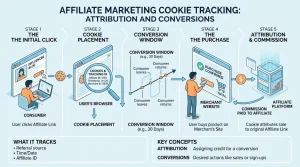
Give each creator a unique discount code or affiliate link. This rewards their followers with a deal, motivates the creator with commission, and lets you trace every sale back to its source. It’s one of the cleanest ways to measure performance.
Build Long-Term Partnerships
One-off posts can spark a quick bump, but repeated exposure builds real trust. When a creator features your products over several months, their audience starts to see you as a brand they recommend, not a one-time sponsor. Long-term relationships also produce more consistent content and better rates.
Mix Content Formats
Different formats serve different goals. Unboxing videos showcase products in action, Instagram Stories drive urgency with swipe-up links, and detailed reviews answer buyer questions. A varied mix keeps campaigns fresh and reaches followers across multiple touchpoints.
How Do You Find the Right Influencers for Your eCommerce Brand?
Finding creators who fit your brand takes more than scrolling through social feeds. Use these methods to build a shortlist worth your time.
Start with your own followers. Some of your best partners may already follow your store. These creators genuinely like your products, which makes their content more believable.
Use influencer marketing platforms. Tools like Upfluence, Aspire, and Grin let you filter creators by niche, audience size, engagement rate, and location. They save hours of manual searching.
Search relevant hashtags. Look for hashtags tied to your product category and see which creators consistently post quality content with strong engagement.
Check engagement, not just followers. A creator with 20,000 engaged followers often outperforms one with 200,000 passive ones. Look at comments, shares, and the quality of audience interaction—not just the headline number.
Vet for authenticity. Watch for fake followers and inflated metrics. Review the comments to confirm the audience is real and active before you commit.
What Does a Successful Influencer Marketing Campaign Look Like?
A strong campaign follows a clear structure from start to finish. Here’s how the pieces fit together for online stores.
First, you define the offer and the message. Maybe it’s a 20% launch discount or a free product gift in exchange for an honest review. Next, you brief the creator—sharing key talking points while leaving room for their authentic voice. The most effective sponsored content feels natural, not scripted.
Then the content goes live. A beauty brand might send a popular makeup artist a new palette, who films a tutorial using it and shares a promo code. Followers watch the product in action, trust the demonstration, and use the code to buy. Each sale tracks back to that creator, giving the store clear data on what worked.
After the campaign, you analyze results, repurpose the best content, and decide whether to renew the partnership. The brands that win treat each campaign as a learning loop—refining their approach with every round.
What Are the Best Practices for eCommerce Influencer Marketing?

Follow these guidelines to get the most from your partnerships and avoid common pitfalls.
- Require clear disclosure. Make sure creators label sponsored posts with tags like #ad or #sponsored. It keeps you compliant with FTC guidelines and protects trust.
- Give creative freedom. Creators know their audience best. Rigid scripts produce stiff content that followers scroll right past.
- Track everything. Use codes, links, and platform analytics to measure each partnership so you know where your budget works hardest.
- Start small, then scale. Test a few creators with smaller budgets before committing to larger deals. Use the data to double down on what performs.
- Treat creators as partners. Pay fairly, communicate clearly, and respect their time. Strong relationships lead to better content and lasting collaborations.
How Do You Measure Influencer Marketing ROI for eCommerce?
Return on investment tells you whether your campaigns are worth the spend. To calculate it, compare the revenue a campaign generates against its total cost, including product, fees, and team time.
Track these key metrics to get the full picture:
|
Metric |
What It Tells You |
|---|---|
|
Sales from promo codes |
Direct revenue tied to each creator |
|
Click-through rate |
How well content drives traffic to your store |
|
Engagement rate |
How much the audience interacts with the content |
|
New followers |
Audience growth for your own channels |
|
Cost per acquisition |
How much you spend to gain each customer |
Promo codes and affiliate links give you the clearest sales data. But don’t ignore softer returns—brand awareness, content you can reuse, and audience growth all add value over time, even when they’re harder to put a dollar figure on.
A practical benchmark: many online stores aim for at least a 3:1 return, meaning $3 in revenue for every $1 spent. If a campaign falls short, adjust your creator mix, offer, or content format before you write off the channel entirely.