The Rise of Virtual Influencers: How AI-Driven Avatars Are Revolutionizing Digital Marketing
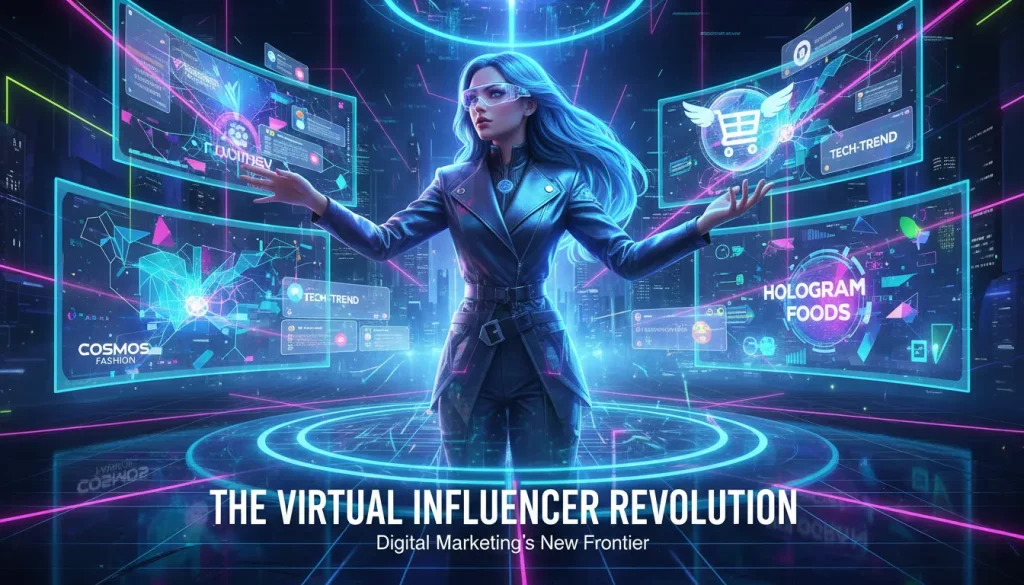
Virtual influencers are AI-generated digital personalities that are transforming modern marketing. They give brands full creative control, consistent messaging, and scalability across global markets. Cost-effective and always available, these avatars are especially popular with younger, tech-savvy audiences. Successful campaigns require clear goals, well-designed avatars, strategic content planning, and ongoing optimization. As AR, VR, and AI technologies advance, virtual influencers will enable deeper interaction and more immersive storytelling.
In the ever-evolving landscape of digital marketing, brands continually seek fresh ways to capture audience attention and build meaningful connections. Traditional influencer marketing has delivered impressive results, but it also comes with challenges such as fluctuating authenticity, scheduling conflicts, and budget constraints. Enter virtual influencers—computer-generated personalities powered by artificial intelligence and brought to life through meticulous design and storytelling. These digital avatars are rapidly gaining traction as a reliable and innovative alternative to human influencers. From AI-designed models on Instagram to chatbot personas on TikTok, virtual influencers offer brands unprecedented control over messaging, consistency in content, and the ability to experiment with cutting-edge technology. In this comprehensive guide, we explore what virtual influencers are, why leading brands are embracing them, the tangible benefits they deliver, and how to strategically integrate virtual avatars into your marketing mix to stay ahead of the competition.
What Are Virtual Influencers?
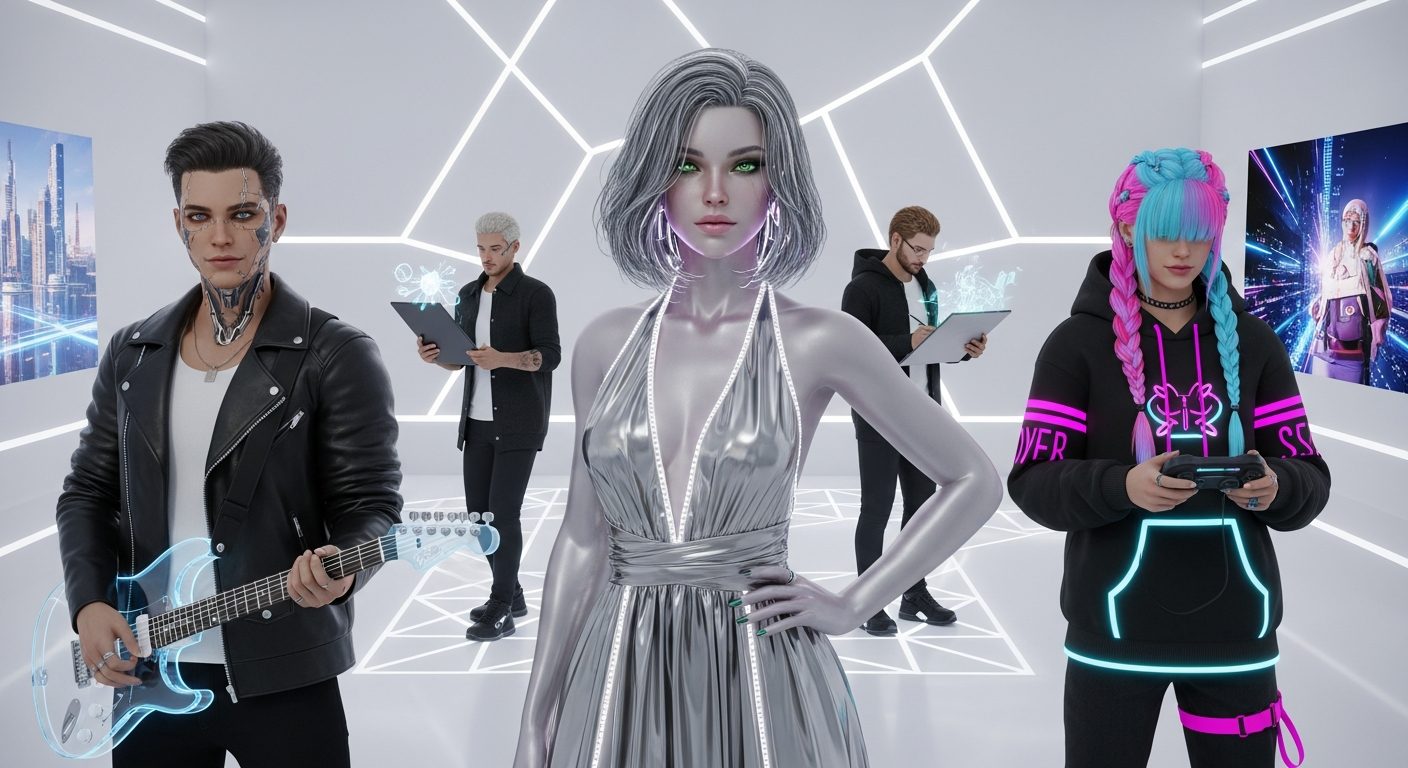
Virtual influencers are synthetic, computer-generated personalities created using a combination of 3D modeling, animation, AI-driven scripts, and sometimes voice synthesis. Unlike traditional influencers, these digital beings do not exist in the physical world. They have backstories, unique personalities, and branded aesthetics engineered by creative teams and AI specialists. One of the earliest and most iconic virtual influencers is Lil Miquela, a fictional character modeled in 3D who posts fashion-forward content on social media platforms, commands millions of followers and collaborates with global brands. Virtual influencers can be wholly fictional or inspired by real people, but their fame is built on engaging content, consistent branding, and the novelty of their digital existence. As technology advances, virtual influencers are increasingly lifelike, capable of real-time interactions, personalized responses, and adaptive storytelling based on audience feedback and data analytics.
Why Brands Are Embracing Virtual Influencers
Brands are drawn to virtual influencers for several compelling reasons. First, the complete creative control over these digital personalities ensures brand safety and consistency; companies can script every aspect of a virtual influencer’s behavior, appearance, and messaging without worrying about unpredictable off-platform actions. Second, virtual influencers are available around the clock, never require travel or physical accommodations, and can effortlessly scale global campaigns without logistical constraints. Third, audiences—particularly Gen Z and younger demographics—are intrigued by the novelty of AI-driven characters and are more likely to engage with innovative content that blends reality and digital fantasy. Finally, virtual influencers can be precisely tailored to reflect brand diversity and inclusive values, tapping into niche markets and underrepresented communities with hyper-specific messaging and aesthetics designed to resonate authentically.
Key Benefits of Using Virtual Influencers
One of the most significant advantages of virtual influencers is brand safety and consistency. Since companies control every facet of their virtual ambassador’s persona and content calendar, the risk of off-brand behavior, controversies, or last-minute cancellations is eliminated. This ensures that marketing messages remain coherent across campaign durations, platforms, and geographic regions. Additionally, virtual influencers can be updated instantly to reflect new product launches, seasonal promotions, or shifts in brand strategy without the delays inherent in coordinating with human talent.
Cost efficiency and scalability are also major benefits. While the initial investment in creating or licensing a virtual influencer—covering 3D modeling, AI development, and content production—can be substantial, subsequent campaigns incur lower incremental costs compared to booking top-tier human influencers. Virtual influencers do not require travel expenses, per diem allowances, or extensive contract negotiations. Brands can deploy these avatars in multiple markets simultaneously, customizing language, style, and promotions for different audiences with minimal additional effort.
Furthermore, virtual influencers offer a unique innovation appeal. Engaging with digital avatars signals that a brand is forward-thinking and tech-savvy. Audiences are often enthusiastic participants in virtual experiences—whether through augmented reality filters, interactive live streams, or gamified social media activations. By leveraging virtual influencers, brands can create immersive storytelling campaigns that blur the lines between physical products and digital experiences, driving higher engagement rates and fostering stronger emotional connections with consumers.
How to Implement Virtual Influencers in Your Marketing Strategy

1. Define Your Objectives: Begin by outlining clear goals for your virtual influencer initiative. Are you seeking to increase brand awareness, promote a new product, or engage a specific demographic? Establish measurable KPIs such as follower growth, engagement rates, website traffic, or sales conversions to track campaign success.
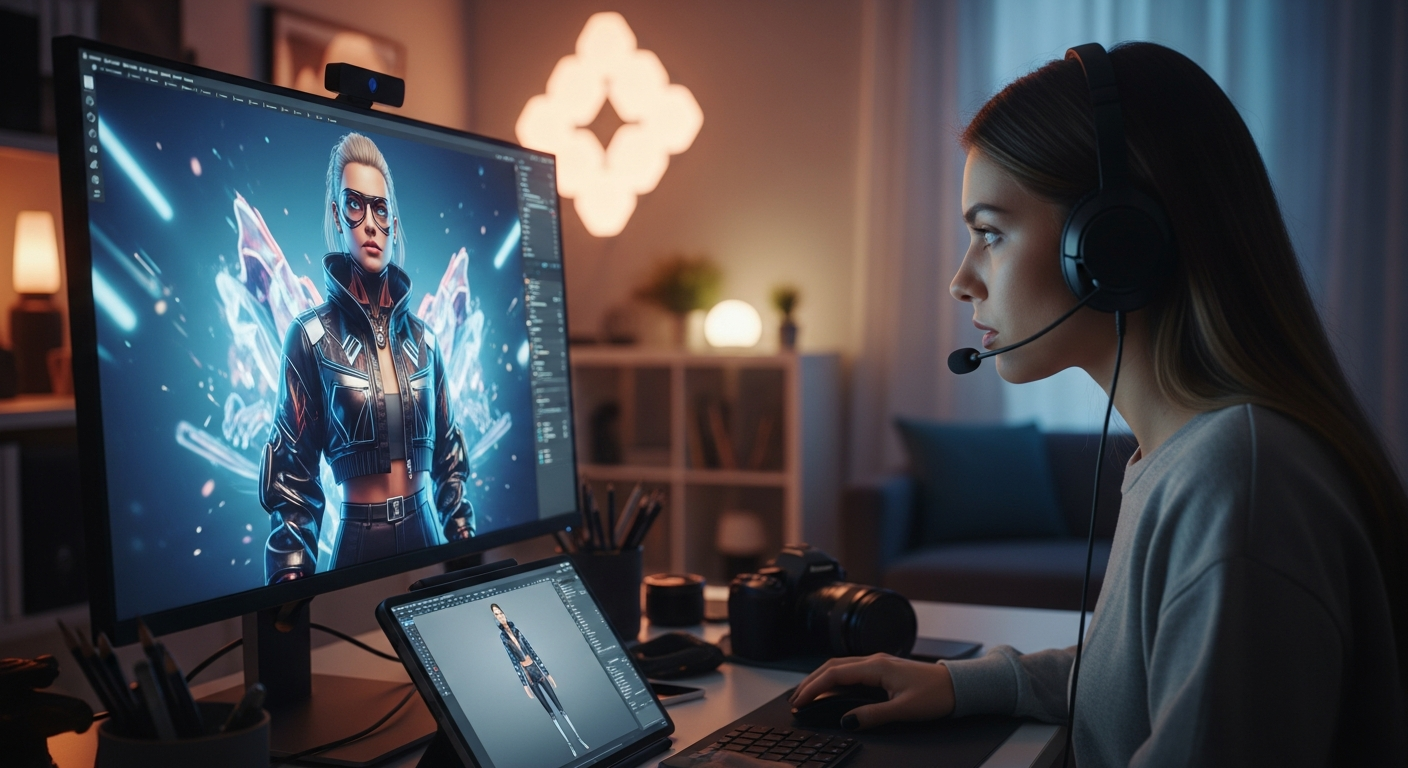
2. Select or Create Your Avatar: Evaluate whether to partner with an existing virtual influencer or develop a bespoke digital avatar. Partnering can provide immediate reach and credibility, while creating your own allows for full creative control. Collaborate with 3D artists, AI developers, and brand strategists to design an avatar that embodies your brand’s personality, values, and target audience preferences.
3. Develop a Content Plan: Map out a content calendar that blends promotional messages with lifestyle, behind-the-scenes, and interactive posts. Incorporate multimedia formats such as short-form videos, AR filters, interactive polls, and Q&A sessions to keep audiences engaged. Use data-driven insights to refine content themes, posting frequency, and platform selection.
4. Collaborate with Creators and AI Experts: Even virtual influencers need human creativity behind the scenes. Partner with influencers, voice artists, and AI specialists to script authentic dialogues, engaging story arcs, and reactive interactions based on audience feedback. Regularly update the AI algorithms to ensure responses feel natural and reflect evolving cultural trends.
5. Launch, Monitor, and Optimize: Roll out your campaign across chosen platforms, monitor performance metrics in real-time, and solicit audience feedback. Use A/B testing to compare different content approaches. Iterate on character development, messaging, and creative formats to maximize ROI and deepen audience affinity for your virtual ambassador.
Case Studies: Brands Leveraging Virtual Influencers
Balmain, the luxury fashion house, collaborated with virtual model Shudu to showcase its haute couture line. Shudu’s lifelike 3D imagery debuted in digital-only lookbooks and social media teasers, generating buzz without the logistical complexities of traditional photoshoots. The campaign saw a 25 percent increase in online engagement and attracted media coverage in top fashion publications.
KFC introduced a virtual Colonel Sanders to refresh its brand image among younger consumers. This AI-driven avatar hosted live-stream cooking tutorials, engaged in playful banter with fans on Twitter, and starred in AR Snapchat filters that drove a 15 percent boost in mobile app downloads. The campaign exemplified how food and beverage brands can harness virtual personalities for interactive experiences.
Best Practices for Working with Virtual Influencers
- Maintain Transparency: Clearly disclose that your ambassador is a virtual creation to build trust and avoid misleading audiences.
- Align with Brand Values: Ensure the avatar’s personality, visual style, and content themes reflect your brand’s mission and culture authentically.
- Ensure Authentic Engagement: Integrate real-world events, user-generated content, and interactive features so audiences feel connected to the virtual persona.
- Leverage Data for Optimization: Continuously analyze engagement metrics, sentiment analysis, and demographic insights to refine AI behavior and content strategies.
By following these best practices, brands can create compelling virtual influencer campaigns that resonate authentically with their audience while maintaining the novelty and technological edge that digital avatars provide.
Future Trends: The Next Frontier in Virtual Influencers
As artificial intelligence, augmented reality, and virtual reality technologies continue to converge, virtual influencers will become more immersive and interactive. Expect avatars to host live virtual events in the metaverse, facilitate personalized shopping experiences via AR try-ons, and engage in real-time dialogues powered by advanced language models. Blockchain and NFTs may enable unique ownership of virtual content, allowing fans to purchase exclusive digital collectibles tied to their favorite avatars. Additionally, as ethical AI practices evolve, virtual influencers will be programmed with stronger safeguards against misinformation, bias, and inappropriate behavior. These trends will open new frontiers for brands to deepen customer loyalty, drive innovative product launches, and more effectively measure the impact of digital storytelling.
Conclusion
Virtual influencers represent an exciting evolution in the influencer marketing ecosystem. By combining the consistency and control of AI-driven avatars with the creative ingenuity of human storytellers, brands can unlock novel ways to engage audiences, stand out in crowded social feeds, and future-proof their digital strategies. As technology advances, virtual influencers will become increasingly indistinguishable from their human counterparts, offering limitless opportunities to innovate, personalize, and scale marketing campaigns across global markets. Embracing virtual personas today can pave the way for richer brand experiences tomorrow.
FAQs About Virtual Influencers
What exactly is a virtual influencer?
A virtual influencer is a computer-generated imagery (CGI) character built using 3D modeling and AI. These digital personas have unique backstories, distinct voices, and curated lifestyles, allowing them to interact on social media platforms just like human creators, despite having no physical existence.
How do virtual influencers improve brand safety?
Because every action, word, and visual is scripted and rendered by a creative team, there is zero risk of unpredictable behavior. This eliminates the “human error” factor—such as off-camera controversies or late-night social media rants—ensuring your brand perception in marketing remains untarnished and consistent.
Is the ROI of a virtual influencer higher than that of a human one?
Initially, the creation of a high-fidelity avatar is a significant digital asset investment. However, over time, the ROI increases because you avoid recurring travel costs, talent agency fees, and logistical expenses. You can also deploy the same avatar in multiple global markets simultaneously with localized messaging.
How can a brand maintain authenticity with a non-human ambassador?
Authenticity comes from the quality of storytelling and transparency. By being open about the avatar’s digital nature and focusing on emotional intelligence marketing, brands can create deep connections. Users often engage with the “narrative” of the character, much like they do with fictional icons in film or gaming.
Do virtual influencers work for B2B industries?
Yes. While common in fashion, B2B brands can use virtual avatars as “technical guides” or “AI brand mascots.” For example, a virtual persona can host a Webinar Marketing session or explain complex software features, positioning the company as a forward-thinking, tech-driven leader.
How do virtual influencers integrate with inclusive brand strategies?
Brands can intentionally design avatars to represent diverse ethnicities, body types, and abilities that may be underrepresented in traditional media. This allows for the execution of inclusive brand strategies that resonate with a global, multifaceted audience without appearing performative.
Can virtual influencers interact in real-time?
With advancements in generative AI, virtual influencers can now host live streams, respond to comments instantly, and even participate in real-time Q&A sessions. This creates a bridge between static content and active inbound marketing engagement.
What role do virtual influencers play in the Metaverse?
They are the “native citizens” of the Metaverse. As brands move into VR and AR spaces, virtual influencers serve as guides, hosts, and storefront models, facilitating immersive brand experiences that human influencers cannot physically enter 24/7.
Are there legal requirements for using virtual influencers?
Yes. To maintain trust, regulations often require clear disclosure (e.g., using hashtags like #AI or #VirtualInfluencer). Brands must also ensure they own all intellectual property rights to the 3D models and AI scripts to avoid legal disputes over the character’s likeness.
Can virtual influencers be used for sustainable branding strategies?
Absolutely. They are the ultimate “low carbon” ambassadors. Because they don’t require physical photoshoots, international flights, or material waste for sets, they perfectly align with sustainable branding strategies and help communicate a brand’s commitment to a smaller ecological footprint.
How do virtual influencers impact consumer brand loyalty?
By maintaining a consistent personality and aesthetic over several years, virtual influencers become a reliable presence in a follower’s feed. This stability helps foster long-term brand trust, as the digital persona never “ages out” or changes its core values unless strategically directed by the brand.
Can virtual influencers be used for localized global campaigns?
One of their greatest strengths is the ability to be “multilingual.” A single digital avatar can speak perfect French in one video and Japanese in another, adapting its styling and cultural references for each region. This makes them a primary tool for integrated marketing across diverse international markets.
What is the “Uncanny Valley” and how can brands avoid it?
The “Uncanny Valley” refers to the dip in human comfort when a digital creation looks almost—but not quite—human. Brands avoid this by either leaning into a stylized, “artistic” look or investing in high-end CGI that ensures fluid, natural movements. A well-designed avatar enhances brand perception by appearing as a feat of innovation rather than an unsettling simulation.
How do virtual influencers support User-Generated Content (UGC)?
Brands often launch challenges where followers can interact with the avatar’s “digital world” using AR filters. When users create content alongside a virtual persona, it amplifies brand awareness and creates a unique form of social proof that traditional photography cannot achieve.
How do these avatars influence the “Path to Purchase”?
Virtual influencers are ideal for shoppable social media integrations. Because they exist digitally, they can be instantly “linked” to product pages. A user can see a virtual model wearing a digital twin of a real jacket and click a hotspot to buy it, creating a seamless, friction-free conversion funnel.