Influencer Marketing Psychology and Consumer Behaviour: What Drives Buying Decisions?
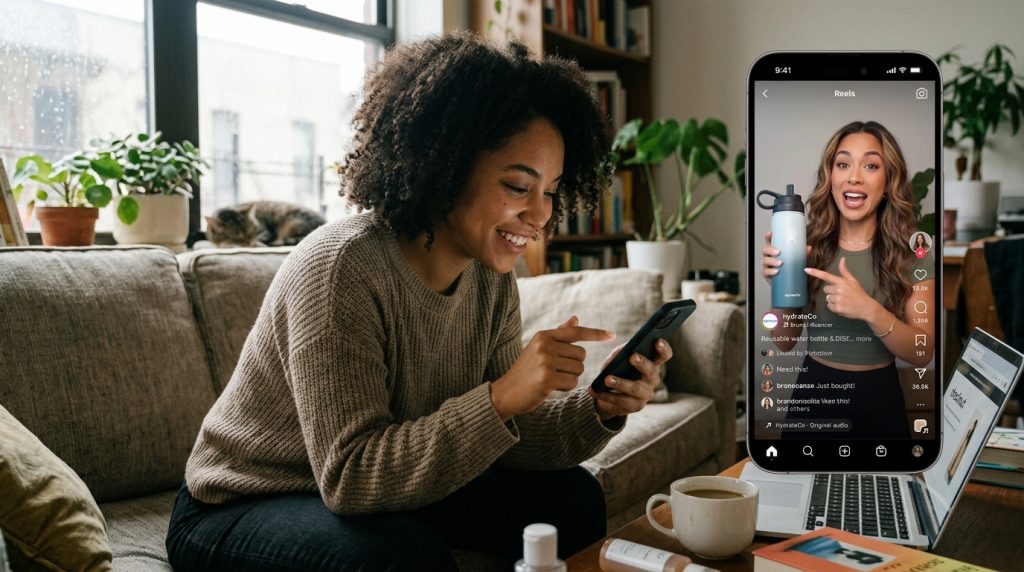
Influencer marketing succeeds because it speaks to human psychology. It uses trust, emotion, identity, and social validation to guide attention toward action. The most effective campaigns do not just promote a product. They create meaning around it, reduce hesitation, and make the buying decision feel safer and more personally relevant.That is the deeper lesson of Influencer Marketing Psychology and Consumer Behaviour: people do not buy only what is shown to them. They buy what feels credible, familiar, emotionally useful, and socially approved. Brands that understand this can build campaigns that connect more naturally and convert more consistently.
Influencer marketing has moved far beyond simple product promotion. Today, it shapes how people discover brands, evaluate options, and decide what feels worth buying. At the heart of this shift is a deeper question: why does a recommendation from a creator, expert, or online personality feel more persuasive than a traditional ad? The answer sits in the intersection of psychology, trust, identity, and digital habits.
Influencer Marketing Psychology and Consumer Behaviour is not just a modern marketing phrase; it explains a real shift in how attention turns into action. People do not always buy because something is cheaper, louder, or more visible. Often, they buy because they feel understood, reassured, or socially validated. That is why brands that understand the emotional and cognitive side of influence can build stronger campaigns and more loyal customers.
To see what really shapes purchase decisions, we need to look at the mental shortcuts consumers use, the role of trust, the power of social proof, and the emotional triggers that move people from interest to action. When these pieces come together, influencer marketing becomes far more than content distribution. It becomes a powerful driver of consumer choice.
What Makes Influencer Content So Persuasive?
The reason influencer content works is simple: it feels human. Unlike polished brand ads, influencer content often appears personal, conversational, and relatable. That familiarity lowers resistance. Instead of feeling sold to, audiences feel like they are receiving advice from someone they already follow and recognize.
A major part of what drives consumer buying decisions is the mind’s tendency to trust familiar signals. When a creator uses a product in a real-life setting, explains a personal experience, or shares a before-and-after result, the message feels more believable. This is especially true when the audience believes the creator has no reason to lie.
In this way, the psychology behind influencer marketing is built on perceived authenticity. People respond to content that mirrors their own aspirations, problems, and routines. They pay attention because the message appears useful rather than forced. That usefulness creates attention, and attention creates the possibility of conversion.
The Psychology of Trust in Digital Spaces
Trust is one of the strongest forces in online buying. In physical stores, people can touch products, ask questions, and compare them directly. Online, they rely more on cues. A creator’s tone, consistency, expertise, and engagement history all influence whether the recommendation feels reliable.
This is why why consumers trust influencers has become such an important topic. Consumers often believe influencers because they seem to speak from experience instead of from a script. Even when audiences know a post is sponsored, the message can still work if the creator has built credibility over time. Consistency matters. So does relevance. A creator who regularly speaks about beauty, fitness, parenting, or finance will naturally feel more trustworthy in that category.
That trust is not accidental. It grows when audiences see repeated honesty, useful opinions, and a clear match between the influencer’s lifestyle and the product being promoted. Over time, the creator becomes a filter through which people interpret brand value.
Social Proof and the Need to Follow the Crowd
Humans are social beings. Before making decisions, people often look around to see what others think. This is one reason social proof in marketing has such a strong effect. If a product appears popular, reviewed positively, or repeatedly recommended by trusted voices, it starts to feel safer to choose.
The same mechanism explains how social proof influences purchasing decisions in everyday life. A person scrolling through a creator’s comments, watching thousands of likes, or seeing multiple creators mention the same product gets a signal that the item is worth attention. Even if they were not initially interested, the visible approval of others can shift perception.
This social reinforcement is powerful because it reduces uncertainty. Buyers do not want to make poor choices. When they see others validating a brand, they feel more comfortable moving forward. That comfort is often the missing step between curiosity and purchase.
How Consumers Process Influencer Messages

The consumer mind does not evaluate influencer posts in a purely logical way. It processes them quickly, emotionally, and in context. A short video, a story post, or a tutorial can create an impression in seconds. That impression often determines whether someone will keep researching or move on.
This is closely tied to consumer decision-making process behaviour online. People usually move through stages: awareness, consideration, comparison, confidence, and action. Influencer content can support each stage. A discovery video creates awareness. A demonstration builds consideration. A review strengthens confidence. A discount code or limited offer can trigger action.
At every step, the consumer is asking an unspoken question: does this feel useful, honest, and relevant to me? When the answer is yes, the path to purchase becomes shorter. That is why strong creator campaigns are not just about visibility. They are about reducing hesitation.
Table: Psychological Triggers Behind Influencer Purchases
| Psychological Trigger | What It Does | Buying Effect |
|---|---|---|
| Familiarity | Makes the message feel safe and recognizable | Lowers resistance |
| Social proof | Shows that other people approve | Increases trust |
| Authenticity | Makes the recommendation feel real | Improves believability |
| Relevance | Connects the product to the audience’s life | Raises interest |
| Emotion | Creates excitement, relief, or desire | Encourages action |
| Authority | Signals expertise or experience | Strengthens confidence |
Factors That Shape Buying Behaviour
Many people assume consumers buy only based on price or product features, but that is only part of the story. There are several factors affecting consumer buying behaviour, including values, habits, social identity, urgency, convenience, and emotional state. Influencer content works because it speaks to more than one factor at once.
A creator may demonstrate value, but they may also create desire, aspiration, and belonging. A lifestyle creator can make a product feel like part of a better version of life. A technical expert can make a solution feel smart and practical. A local creator can make the product feel accessible and culturally familiar.
The more these factors align, the more powerful the recommendation becomes. People buy when a product seems to fit not just their needs, but also their self-image and social environment.
Emotional Triggers in Buying Decisions
Buying is rarely a fully rational act. People often justify purchases after the fact, but the initial spark is frequently emotional. That is why emotional marketing psychology is such a valuable lens for marketers. It helps explain why a message lands at the right moment and turns interest into desire.
Fear of missing out, hope for improvement, relief from a problem, pride in identity, and excitement about status all play a role. These are not shallow reactions. They are basic human motivators. Influencer content is effective because it often wraps a product inside a story that activates one or more of these emotions.
This leads directly to emotional triggers in consumer decision making. A skincare review may reduce insecurity. A fitness recommendation may inspire motivation. A travel product may awaken aspiration. When the emotional message is strong and believable, consumers feel a deeper reason to act.
Why Creator-Brand Relationships Matter

Influencer campaigns work best when the relationship between creator and brand feels natural. Audiences can tell when a partnership is purely transactional. They can also tell when the creator genuinely uses, understands, and respects the product.
That is why influencer brand partnerships need strategic alignment. The creator’s audience, voice, and content style should fit the brand’s purpose. When that happens, the message flows more easily. It no longer feels like an interruption. It feels like part of the creator’s normal content ecosystem.
This is where influencer credibility becomes essential. A creator with strong credibility can introduce a new brand without losing trust, but only when the partnership makes sense. If the audience senses inconsistency, the recommendation loses force. Credibility is built slowly and can be lost quickly.
Brand Trust in the Age of Recommendations
Brands often spend large budgets trying to earn attention, yet trust remains the real currency. Influencer marketing and brand trust are linked because creators can transfer some of their credibility to the product they recommend. That transfer works best when the brand itself delivers on the promise.
A trusted creator can open the door, but the product must still satisfy the buyer. If the product quality disappoints, trust erodes quickly for both the influencer and the brand. This is why long-term consistency matters more than one-time hype.
The most effective campaigns support trust at every stage. The creator introduces the product. The audience sees proof. The brand delivers the experience. That sequence creates a repeatable trust loop, which is far more valuable than a viral spike with no retention.
How Influence Changes Perception
Consumers do not just buy products; they buy meanings. A product can signal convenience, beauty, sophistication, belonging, or competence. That is why how influencers shape consumer perceptions is so important for modern marketing. The product itself may not change, but the way people interpret it often does.
A premium creator presentation can make a budget product feel elevated. A practical review can make an unfamiliar product feel accessible. A story-driven recommendation can make a functional item feel emotionally meaningful. Influence works by framing, and framing changes perception.
This perceptual shift is one of the most powerful outcomes of creator campaigns. Once a product moves from “I have never considered this” to “this seems right for me,” the buying process becomes much easier.
Consumer Behaviour in Digital Marketing
Digital environments change how people think, compare, and decide. In consumer psychology in digital marketing, speed and simplicity matter. People scroll quickly, compare instantly, and trust visually clear signals. They also expect proof, convenience, and easy next steps.
Digital consumer behaviour is shaped by repeated exposure, peer validation, and content formats that feel native to the platform. A short video may be more effective than a static ad because it demonstrates use in a real setting. A comment section can add persuasive weight. A saved post can keep the product in the buyer’s mind longer.
This is why digital campaigns need more than reach. They need frictionless storytelling. The more naturally a brand fits into the platform experience, the more likely it is to influence actual purchase behaviour.
What Case Studies Usually Reveal
In influencer marketing case studies, one pattern appears again and again: relevance beats raw follower count. Smaller creators often outperform larger ones when their audience is highly aligned with the product. Engagement, trust, and authenticity matter more than spectacle.
Case studies also show that repeated exposure matters. People may not buy after the first mention, but repeated recommendations across different formats can gradually build confidence. A tutorial, a review, and a follow-up post together often work better than one dramatic promotion.
Another recurring insight is that creators who explain the “why” behind a recommendation tend to convert better than creators who simply say “buy this.” Audiences want context. They want proof. They want to understand how the product fits into real life.
A Practical Framework for Brands
A strong influencer marketing strategy starts with audience understanding. Brands need to know who they are trying to reach, what problems those people care about, and which creators already speak to those needs in a believable way.
From there, the campaign should focus on three things: message match, format fit, and trust alignment. Message match means the creator’s story aligns with the product promise. Format fit means the content works naturally on the platform. Trust alignment means the creator has enough credibility to recommend the product without breaking audience confidence.
When these three elements come together, campaigns become more persuasive and more efficient. Instead of chasing attention, brands begin shaping decision-making in a way that feels natural to the consumer.
Conclusion
The future of influencer marketing belongs to brands that respect how people actually decide. Buyers do not move in straight lines. They pause, compare, doubt, and look for reassurance. Influencers help guide that journey because they speak in a human voice, inside a trusted context, with a sense of lived experience.
When brands focus on authenticity, relevance, and emotional resonance, they can influence not only awareness but also belief. That is what makes this channel so powerful. It does not simply show products. It shapes meaning, confidence, and choice. And in a crowded digital world, that psychological advantage can make all the difference.
FAQ
1. Why is influencer marketing effective for consumer buying decisions?
It works because people trust human recommendations more than direct ads, especially when the message feels authentic and relevant.
2. How does social proof affect online purchases?
It reduces uncertainty by showing that other people approve of the product, making it feel safer to buy.
3. What role does trust play in influencer campaigns?
Trust determines whether the audience believes the recommendation. Without trust, even good content loses persuasive power.
4. Do smaller influencers perform better than big influencers?
Often yes, especially when their audience is highly targeted and the relationship feels more personal and credible.
5. How can brands improve influencer marketing results?
They should choose creators carefully, align the message with audience needs, and focus on authenticity rather than forced promotion.