Influencer Marketing Guide: What Works, What Doesn’t, and Why

Influencer marketing is highly effective if you choose the right creators, maintain authentic collaborations, and track performance carefully. With proper planning, vetting, and clear expectations, brands can reduce the risks and build campaigns that deliver real, measurable results.
Influencer marketing has transformed from a niche tactic into a cornerstone of modern digital strategy. Brands across industries are allocating significant budgets to collaborate with creators who have captivated audiences on platforms like Instagram, TikTok, and YouTube. The appeal is clear: influencers offer a direct and seemingly authentic channel to connect with potential customers.
However, the path to a successful influencer campaign is not always straightforward. While the potential rewards are substantial, so are the risks and challenges. Navigating this landscape requires a clear understanding of both the opportunities and the pitfalls. This guide will provide a balanced overview of influencer marketing, exploring its key benefits and drawbacks to help you determine if it’s the right strategy for your brand. By understanding the full picture, you can make more informed decisions and build campaigns that deliver real, measurable results.
The Upside: Key Benefits of Influencer Marketing

When executed thoughtfully, influencer marketing can deliver impressive returns. It offers a unique blend of authenticity, reach, and engagement that traditional advertising often struggles to match. Here are some of the most significant advantages.
Build Trust and Credibility
One of the greatest assets an influencer brings to the table is the trust they have cultivated with their audience. Unlike branded advertisements, which consumers are often skeptical of, recommendations from a trusted creator feel more like a referral from a friend. This “social proof” is incredibly powerful. When an influencer vouches for a product or service, their followers are more likely to believe in its quality and value.
This trust is built over time through consistent, authentic content. Influencers share their lives, opinions, and expertise, creating a strong rapport with their followers. By partnering with the right influencer—one whose values align with your brand—you can borrow some of that credibility. The endorsement feels genuine because it comes from a source the audience already knows and respects, making your brand more believable and trustworthy in their eyes.
Reach a Targeted and Engaged Audience
Traditional advertising often involves casting a wide net and hoping to catch the right people. Influencer marketing, on the other hand, allows for precision targeting. Influencers typically cater to specific niches, whether it’s sustainable fashion, vegan cooking, PC gaming, or home renovation. Their followers are a pre-vetted audience with a demonstrated interest in that particular topic.
This means your marketing message is delivered directly to people who are most likely to be interested in your products. For example, a brand selling high-performance running shoes can partner with a marathon runner’s account to reach thousands of dedicated runners. This level of targeting is not only efficient but also leads to higher engagement rates. Followers are more receptive to content that is relevant to their interests, resulting in more likes, comments, shares, and ultimately, conversions.
Boost Brand Awareness and Reach
Influencers can introduce your brand to a large, often untapped, audience. A single post from a macro-influencer can generate millions of impressions, rapidly increasing your brand’s visibility. Even micro-influencers, with smaller but highly dedicated followings, can create significant buzz within a specific community.
This expanded reach is crucial for new or growing brands looking to establish a foothold in the market. An influencer campaign can put your brand on the map, sparking conversations and driving traffic to your website and social media profiles. The “halo effect” of being associated with a popular and respected creator can elevate your brand’s status and make it more memorable to consumers.
Generate High-Quality, Authentic Content
Creating compelling marketing content is a constant challenge for brands. Influencer partnerships offer a solution by outsourcing content creation to skilled and creative individuals. Influencers are experts at producing content that resonates with their audience. They know what types of images, videos, and captions will perform well on their platform of choice.
The content they create for your brand is often more authentic and relatable than polished, corporate-style advertisements. This user-generated content (UGC) can then be repurposed across your own marketing channels—on your website, in email newsletters, or on your social media feeds. This provides you with a steady stream of high-quality, authentic assets without the high cost of a professional photoshoot or video production.
Drive Sales and Conversions
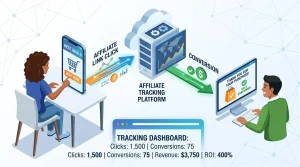
Ultimately, the goal of most marketing efforts is to drive sales. Influencer marketing can be a powerful driver of conversions. By including unique discount codes, affiliate links, or direct calls-to-action in their content, influencers can guide their followers directly to the point of purchase.
The immediacy of social media platforms makes this process seamless. A follower can see a product in an influencer’s post, click a link in their bio or story, and make a purchase within minutes. Because the recommendation comes from a trusted source, the path to conversion is often shorter and more direct than with other marketing channels. Tracking these sales through unique codes and links also makes it easier to measure the return on investment (ROI) of your influencer campaigns.
The Downside: Potential Drawbacks of Influencer Marketing

Despite its many benefits, influencer marketing is not without its challenges. From finding the right partners to measuring results, several potential pitfalls can derail a campaign. Being aware of these drawbacks is the first step toward mitigating them.
Finding the Right Influencers
The success of an influencer campaign hinges on finding the right partners. This can be a time-consuming and challenging process. The market is saturated with creators, and it can be difficult to identify those who genuinely align with your brand’s values and have an authentic connection with their audience.
A mismatch can lead to an inauthentic campaign that fails to resonate with the target audience or, even worse, damages your brand’s reputation. Some influencers have also been known to purchase followers or engagement, creating a false impression of their reach and influence. Vetting potential partners thoroughly—by analyzing their engagement metrics, reviewing their past collaborations, and assessing the quality of their content—is crucial, but it requires significant time and resources.
High Costs and Uncertain ROI
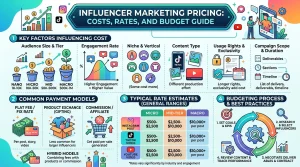
Influencer marketing can be expensive. Macro-influencers with millions of followers can charge tens or even hundreds of thousands of dollars for a single post. While micro-influencers are more affordable, running a campaign with multiple creators can still add up to a significant investment.
Measuring the return on this investment can also be tricky. While direct sales can be tracked through unique codes and links, it’s harder to quantify the impact on brand awareness, sentiment, and long-term customer loyalty. This lack of clear, standardized metrics can make it difficult to justify the spend and to determine which campaigns are truly effective. Without a clear way to measure ROI, it’s challenging to optimize your strategy for future campaigns.
Lack of Control Over Messaging
When you partner with an influencer, you are placing your brand’s reputation in their hands. While you can provide guidelines and a creative brief, the final content is ultimately created by them. This means you have less control over the final message than you would with traditional advertising.
Most of the time, this is a good thing—it’s what makes the content feel authentic. However, there is always a risk that the influencer’s interpretation of your brand or product might not align with your vision. Misunderstandings, off-brand messaging, or poorly executed content can reflect negatively on your brand. Furthermore, if an influencer becomes embroiled in a controversy, the negative sentiment can spill over and damage your brand by association.
Risk of Inauthenticity and Follower Fatigue
As influencer marketing has become more mainstream, audiences have become more savvy and skeptical. They can often tell when an endorsement is purely transactional and not a genuine recommendation. If a campaign feels forced or inauthentic, it can backfire, leading to negative comments and a loss of trust in both the influencer and the brand.
There is also the issue of follower fatigue. If an influencer’s feed becomes oversaturated with sponsored posts, their audience may become disengaged. They might start to see the influencer as a “sellout,” diminishing the impact of their endorsements. Brands need to work with influencers who are selective about their partnerships and who can integrate sponsored content in a way that feels natural and provides value to their audience.
Logistical and Administrative Burdens
Running an influencer marketing campaign involves a wide range of moving parts, each requiring careful attention to detail. From the initial outreach to identifying and vetting the right influencers, negotiating terms, managing contracts, and overseeing content approvals, the administrative workload can quickly become substantial. Once agreements are in place, brands also need to manage timelines, ensure content aligns with messaging guidelines, and track deliverables to avoid delays or miscommunication.
When working with multiple influencers simultaneously, these logistical challenges multiply. Coordinating campaign schedules, monitoring performance metrics, and reconciling payments for each influencer demands a high level of organization and time investment. Many brands find it necessary to leverage specialized influencer marketing platforms to streamline operations or even hire a dedicated influencer marketing manager to oversee campaigns. While this adds cost, it ensures that campaigns run smoothly, maintain consistency across messaging, and achieve the desired ROI. Ultimately, effective planning, clear communication, and the right tools are essential for successfully managing influencer collaborations at scale.
Your Next Steps
Influencer marketing offers a powerful way to build trust, reach targeted audiences, and drive sales. The authenticity and credibility that influencers bring can be invaluable for brands looking to connect with consumers in a meaningful way. However, it’s essential to approach this strategy with a clear understanding of its potential drawbacks.
The challenges of finding the right partners, managing costs, and measuring ROI are real. By carefully vetting influencers, setting clear expectations, and developing a robust tracking system, you can mitigate these risks and create campaigns that deliver tangible results. Weighing the pros and cons in the context of your brand’s specific goals and resources is the key to determining if influencer marketing is the right investment for you.
Frequently Asked Questions
How do I ensure an influencer’s audience is actually authentic?
Before signing a contract, perform an “audit” of the creator’s engagement. Look for red flags such as sudden spikes in follower counts, generic “bot-like” comments (e.g., just emojis or “nice post”), or a low engagement-to-follower ratio. Tools like SEMrush or Ahrefs can sometimes help track domain authority if they have a blog, while specialized social platforms can verify “audience health” scores.
What is the difference between a one-off post and an Influencer Ambassador Program?
A one-off post is a single transaction, whereas Influencer Ambassador Programs are long-term partnerships. Long-term collaborations build significantly more long-term brand trust because the audience sees the creator using the product consistently over time, making the endorsement feel like a lifestyle choice rather than a paid ad.
How does an influencer marketing strategy improve Brand Positioning?
By partnering with a creator who already dominates a specific niche, you inherit their authority. This is a core part of how to create strong brand positioning in your market. If a respected tech expert uses your software, your brand perception in marketing shifts from “just another tool” to “the industry standard.”
Is influencer marketing effective for B2B brands?
Yes, though the platforms differ. While B2C thrives on TikTok and Instagram, B2B brands find success on LinkedIn or YouTube. Partnering with a thought leader to discuss remote team management or integrated marketing can generate high-quality leads and position your company as a professional authority.
How can I use influencer content to enhance my own Digital Marketing?
The content creators produce—known as User-Generated Content (UGC)—is a valuable digital asset. You can repurpose this content for your web push notifications, email newsletters, or even paid social ads. UGC often performs better than polished corporate assets because it feels more “human” and relatable.
What role does “Micro Influencer Marketing” play in a tight budget?
Micro influencer marketing is often the highest-ROI path for smaller brands. These creators (10k–100k followers) usually have a much closer relationship with their fans. Their “niche authority” allows you to drive conversions at a lower Customer Acquisition Cost (CAC) than expensive macro-celebrities.
How do I protect my brand if an influencer becomes controversial?
Always include a “morality clause” in your legal contracts. This gives the brand the right to terminate the partnership immediately if the influencer engages in behavior that causes environmental harm, promotes illegal activity, or contradicts your inclusive brand strategies. This protects your brand perception from being damaged by association.
Can influencers help promote Sustainable Branding Strategies?
Absolutely. In fact, third-party validation is critical for sustainable branding strategies. When an influencer shows the “truth behind the brand” by visiting your eco-friendly factory or unboxing plastic-free packaging, it carries more weight than the brand claiming it is “green” in a traditional ad.
What is the “Major Objective of All Brand Marketing” in this context?
The major objective of all brand marketing is to build a connection that leads to a purchase. Influencers achieve this by humanizing the brand. When a creator shares a story about how a product solved a personal problem, they are using emotional intelligence marketing to move the consumer from “awareness” to “decision.”
How do I track the “halo effect” of an influencer campaign?
While direct sales are tracked via UTM links in Google Analytics, the “halo effect” is measured by monitoring increases in branded search volume, a surge in new followers on your own channels, and improved sentiment in social mentions. These qualitative shifts indicate a successful lift in overall brand awareness.
Conclusion:
Mastering an influencer marketing strategy requires balancing creative freedom with data-driven precision. By selecting authentic partners and tracking key performance metrics, you can transform creator-led content into a powerful engine for growth. This integrated approach ensures sustainable ROI, strengthens brand positioning, and builds lasting consumer trust.