What is influencer marketing, and how does it work
This guide breaks down what is influencer marketing and how you can use it to grow your business. We cover everything from setting budgets and finding the right creators to measuring campaign success, avoiding common pitfalls, and tracking your return on investment.
Wondering exactly what is influencer marketing? It happens when brands partner with online creators to promote products. This strategy builds trust, reaches new audiences, and drives sales.
Understanding What is Influencer Marketing
When we ask what is influencer marketing, we look at the evolution of word-of-mouth recommendations. Influencer marketing involves brands collaborating with online creators who have dedicated, engaged followings. These creators advocate for products or services by integrating them into their content. Because they have spent years building a loyal community, their audience trusts their recommendations far more than traditional advertisements.
This marketing strategy shifts the focus from speaking directly to consumers to speaking through someone they already admire. By aligning your brand with a trusted figure, you bypass the skepticism people naturally feel toward corporate advertising.
The Evolution of Brand Endorsements
Decades ago, brand endorsements were reserved for Hollywood celebrities and professional athletes. Brands would pay millions to feature a famous face on a billboard or television commercial. While this generated mass awareness, it lacked a personal connection. The average consumer knew the celebrity was paid handsomely for the spot, making the endorsement feel transactional.
The internet democratized influence. Everyday people started creating content about their passions, from makeup tutorials and fitness routines to cooking recipes and travel vlogs. These creators built highly engaged communities based on shared interests. Brands quickly realized that partnering with these internet personalities offered a more authentic way to reach targeted audiences.
Why the Creator Economy Matters Now
The creator economy represents a massive shift in how people consume media and make purchasing decisions. Consumers now spend hours every day scrolling through social platforms, looking for entertainment, education, and shopping inspiration.
Creators understand their audiences deeply. They know what kind of content resonates, what problems their followers face, and how to present solutions naturally. When a creator recommends your product, they transfer their credibility to your brand. This dynamic makes creator partnerships one of the most effective ways to drive both brand awareness and direct conversions.
How Does Influencer Marketing Work?
Understanding how this strategy functions requires looking at the step-by-step process of building a campaign. Successful brands do not simply pay someone to post a picture; they build strategic relationships that align with specific business goals.
Step 1: Defining Your Goals and Key Performance Indicators
Every successful marketing initiative starts with clear objectives. Before you reach out to a single creator, you must define what you want to achieve. Common goals include increasing brand awareness, driving website traffic, generating leads, or boosting direct sales.
Once you have your primary goal, you must assign Key Performance Indicators (KPIs) to measure success. If your goal is brand awareness, you will track metrics like reach, impressions, and video views. If your goal is sales, you will monitor click-through rates, promo code usage, and overall conversion rates. Setting these parameters early ensures you can accurately evaluate the campaign’s performance later.
Step 2: Setting a Realistic Budget
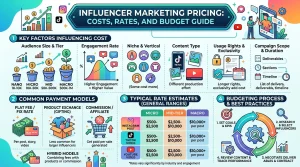
Budgeting for creator partnerships requires flexibility. Pricing varies wildly depending on the creator’s follower count, engagement rate, industry, and the platform they use. You must determine how much you are willing to spend overall and how you want to distribute those funds.
Some brands prefer to spend their entire budget on one large creator for a massive awareness spike. Others divide their budget among twenty smaller creators to sustain a prolonged conversation about their product. You should also account for additional costs, such as the value of the products you give away, platform fees if you use an agency, and the cost of repurposing the content for your own paid ads.
Step 3: Finding the Right Creators
Identifying the perfect partners is arguably the most critical step in the process. You want to find creators whose audience demographics match your target customer profile.
Look beyond the follower count. Analyze their content style, their values, and how they interact with their community. Do they reply to comments? Do their followers ask them questions? A creator with a highly engaged audience will yield far better results than someone with millions of passive followers. You can use search tools on platforms like Sprout Social to filter creators by niche, location, and engagement rate.
Step 4: Outreach and Negotiation
Once you have a list of potential partners, you need to initiate contact. Your outreach message should be professional, personalized, and clear about why you think they are a good fit for your brand. Avoid sending generic, mass emails.
During the negotiation phase, clearly outline your expectations. Discuss the deliverables, such as the number of posts, the format (e.g., video, story, blog post), and the timeline. Be transparent about compensation, whether you are offering a flat fee, free products, or a performance-based commission. Once both parties agree, draft a formal contract that protects both your business and the creator.
Step 5: Campaign Execution and Tracking
With the contracts signed, the creator will begin producing content. Provide them with a detailed creative brief that outlines key talking points, brand guidelines, and mandatory hashtags or disclosure requirements. However, you must allow them the creative freedom to present the product in their unique voice.
As the content goes live, monitor the performance closely. Track the engagement, read the comments to gauge audience sentiment, and check your analytics dashboard for spikes in website traffic or sales.
Types of Creators You Can Partner With
The influencer landscape is diverse, featuring creators of all sizes. Choosing the right tier depends entirely on your budget, goals, and target audience.
Influencer Tiers Comparison Table
|
Influencer Tier |
Follower Count |
Best For |
Cost Level |
Engagement Rate |
|---|---|---|---|---|
|
Nano |
1,000 – 10,000 |
Hyper-local targeting, community trust |
Very Low |
Very High |
|
Micro |
10,000 – 50,000 |
Niche authority, steady conversions |
Low to Medium |
High |
|
Macro |
500k – 1 Million |
Broad reach, brand positioning |
High |
Medium |
|
Mega / Celebrity |
1 Million+ |
Massive global awareness |
Very High |
Low to Medium |
The Power of micro-influencers
Many brands assume bigger is always better, but that is rarely the case. Partnering with micro-influencers often provides the best return on investment. These creators possess a highly engaged, niche audience that views them as trusted peers rather than distant celebrities.
Because their audience is smaller, they can interact more personally, answering questions in the comments and building deep relationships. When they recommend a product, their followers listen. Furthermore, their rates are much more accessible, allowing brands to partner with several creators simultaneously to dominate a specific niche.
Core Benefits of Creator Partnerships
Investing in this type of marketing offers several distinct advantages that traditional advertising struggles to match.
Generating Authentic social proof
Consumers seek validation before making a purchase. They want to know that other people have tried a product and loved it. Creator partnerships generate powerful social proof by showcasing real people using your products in their daily lives. Seeing a trusted figure demonstrate a skincare routine, cook with a specific ingredient, or review a software tool provides the validation consumers need to feel confident in their buying decisions.
Expanding Your Reach
Creator partnerships allow you to tap into entirely new audiences that you might not reach through your own channels or paid ads. Creators have already done the hard work of gathering your ideal customers in one place. By partnering with them, you get direct access to a highly targeted demographic, instantly expanding your brand’s footprint.
Boosting Conversions and ROI
Because creator content is highly trusted, it naturally drives better conversion rates. When a creator shares a genuine review alongside a custom discount code, it creates a seamless purchasing pathway for the consumer. Studies from authoritative sources like McKinsey consistently show that well-executed creator campaigns deliver a higher return on investment than many traditional marketing channels.
Popular Compensation Models
Figuring out how to pay your partners is a major component of campaign planning. There is no single correct way to compensate creators, and many brands use a combination of these models.
Flat Fee Sponsorships
The most common model is the flat fee sponsorship. You pay the creator a set amount of money in exchange for specific deliverables. This model is straightforward and guarantees exactly what content will be produced. Rates are typically determined by the creator’s average engagement, follower count, and the production complexity of the content requested.
Performance-Based affiliate marketing
Many brands integrate affiliate marketing into their creator campaigns. In this model, the creator receives a unique tracking link or promo code. They earn a commission for every sale generated through their specific link. This structure aligns the creator’s incentives with your business goals, as they only make money when you make money. It works exceptionally well for software products, fashion, and e-commerce brands.
Product Gifting and Seeding
Product gifting, also known as seeding, involves sending free products to creators with the hope that they will feature them in their content. While there is no guarantee they will post about the item, it is a highly cost-effective way to build relationships. If the creator genuinely loves the product, they will share it with their audience organically, resulting in highly authentic endorsements.
Choosing the Right Social Media Platform
Not all social media networks serve the same purpose. To maximize your campaign’s effectiveness, you must choose the platform where your target audience spends their time.
Instagram: The Visual Heavyweight
Instagram remains the cornerstone platform for most creator campaigns. It offers diverse formats, including highly polished grid posts, ephemeral Stories, and short-form Reels. It is the ideal platform for lifestyle, beauty, fashion, and travel brands that rely on strong visual aesthetics to sell their products.
TikTok: The Viral Video Engine
TikTok has revolutionized the way we consume video content. Its algorithm prioritizes engagement over follower count, meaning even new creators can achieve massive viral reach. Content on TikTok feels less polished and more authentic, making it perfect for brands looking to showcase product demonstrations, behind-the-scenes glimpses, and entertaining trends.
YouTube: Long-Form Educational Content
When you need to explain complex products, YouTube is the superior choice. Creators can spend ten to twenty minutes reviewing a tech gadget, explaining a financial service, or demonstrating a detailed makeup look. YouTube content also has a much longer shelf life, often generating views and driving sales months or even years after the video is published.
LinkedIn: B2B Thought Leadership
For business-to-business companies, LinkedIn is the ultimate platform. Partnering with industry experts, executives, and thought leaders allows you to reach decision-makers directly. B2B creator campaigns focus on sharing industry insights, reviewing business tools, and hosting professional webinars.
Common Mistakes to Avoid
Even experienced marketers can stumble when building their creator programs. Keep these common pitfalls in mind to protect your brand and your budget.
Prioritizing Follower Count Over Engagement
The biggest mistake brands make is chasing massive follower counts while ignoring engagement metrics. A creator with one million followers but only a few hundred likes per post will not drive results. Always prioritize creators who have an active, vocal community. High engagement proves that the audience actually consumes and cares about the content.
Stifling Creative Freedom
When you hire a creator, you are hiring an expert in audience communication. If you provide a script that is too rigid, the content will sound like a television commercial. Consumers spot inauthentic content immediately and will scroll past it. Give creators clear guidelines regarding your brand safety rules, but let them dictate the tone, style, and delivery of the message.
Ignoring FTC Disclosures
Transparency is not just ethical; it is a legal requirement. The Federal Trade Commission mandates that any material connection between a brand and a creator must be clearly disclosed. Failing to ensure creators use tags like #ad or #sponsored can result in severe fines and irreparable damage to your brand’s reputation. Make sure your contracts explicitly state disclosure requirements.
Pro Tips and Expert Insights
To elevate your strategy from good to exceptional, apply these expert-level tactics to your campaigns.
Treat Creators as True Partners
Stop viewing creators as walking billboards and start viewing them as creative partners. Include them in your brainstorming sessions. Ask for their feedback on your product messaging. When you build long-term, collaborative relationships, creators become genuine brand advocates, and their passion will shine through in their content.
Leverage Data-Driven Matchmaking
Do not rely on gut feelings when selecting partners. Use analytics platforms to review a creator’s audience demographics. Ensure their audience’s age, location, and interests match your ideal customer profile. Request an updated media kit that includes their recent campaign performance data before you sign a contract.
Repurpose Influencer Content for Paid Ads
Creator-generated content consistently outperforms brand-generated content in paid advertising. Negotiate usage rights in your contracts so you can run the creator’s videos as targeted ads on social media. This practice, often called whitelisting, combines the authentic feel of a creator’s endorsement with the precision targeting of paid advertising platforms.
How to Measure Influencer Marketing Success
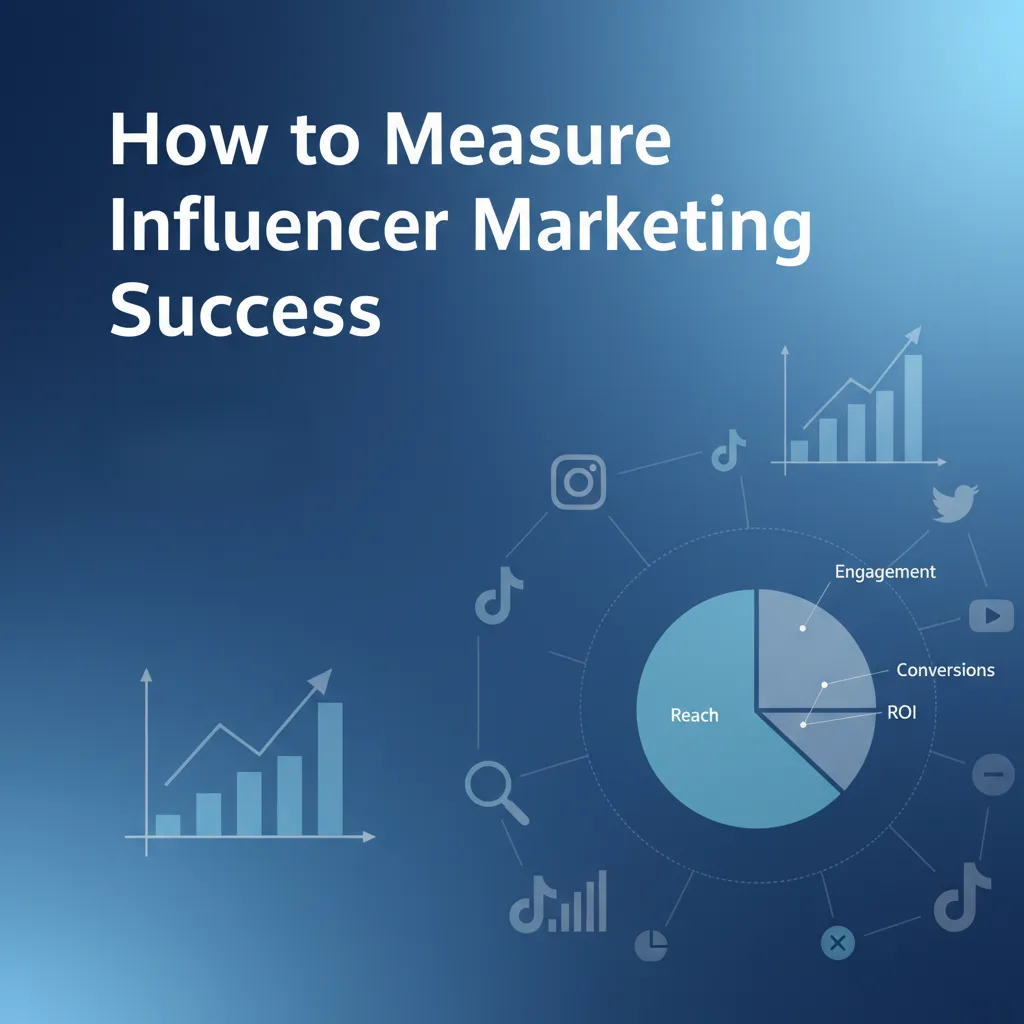
You cannot scale what you cannot measure. Establishing a rigorous tracking system ensures you understand exactly how your campaigns impact your bottom line.
Tracking Impressions and Reach
If your primary objective is brand awareness, you must monitor top-of-funnel metrics. Reach tells you how many unique individuals saw the content, while impressions tell you how many total times the content was displayed. These metrics help you understand the sheer volume of exposure your brand received during the campaign.
Analyzing Engagement Rates
Engagement metrics offer insight into how the audience actually received the message. Track the total number of likes, comments, shares, and saves. High save and share rates are particularly valuable, as they indicate that the audience found the content useful enough to keep for later or send to a friend. Read the comments to gauge qualitative data; look for people asking where they can buy the product or expressing intent to purchase.
Calculating Direct Sales and ROI
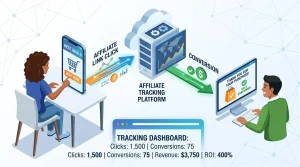
To prove the financial value of your campaigns, you must track conversions. Provide each creator with a unique promotional code or a specific UTM tracking link. This allows your analytics software to attribute website visits and purchases directly to the creator who generated them. By comparing your total sales against the amount you paid the creator, you can calculate an accurate return on investment.
The Future of Influencer Partnerships
The landscape of digital marketing changes rapidly. To stay competitive, you must keep an eye on emerging trends that will shape the future of creator partnerships.
AI and Virtual Influencers
The rise of artificial intelligence has introduced virtual influencers to the market. These computer-generated personalities have amassed millions of followers and collaborated with major global brands. While they offer brands complete control over messaging and eliminate the risk of human unpredictability, they lack the genuine human connection that drives traditional creator campaigns. Brands will need to balance the novelty of virtual influencers with the authenticity of human creators.
Long-Term Brand Ambassadors
The industry is shifting away from one-off, transactional posts toward long-term ambassadorships. Brands are signing creators to multi-month or multi-year contracts. This approach fosters deeper authenticity, as the audience sees the creator using the product consistently over a long period. It also allows brands to lock in pricing and secure exclusivity, preventing the creator from promoting direct competitors.
Conclusion
Understanding what is influencer marketing is just the beginning. By partnering with authentic creators, you build trust and drive sustainable growth. Start small, measure your results, and scale your winning campaigns. Ready to transform your digital strategy? Launch your first creator collaboration today and watch your community multiply.
FAQs
1. What is influencer marketing in simple terms?
It is a marketing strategy where brands partner with popular social media content creators to promote products or services. Because the creator has built a trusting relationship with their audience, their endorsement acts as a highly effective, modern form of word-of-mouth advertising.
2. How much does it cost to hire a creator?
Costs vary dramatically based on the creator’s audience size, engagement rate, and niche. A small local creator might charge $100 per post or accept free products, while massive global personalities can charge tens of thousands of dollars for a single video.
3. Which platform is best for influencer marketing?
The best platform depends entirely on where your target audience spends their time. Instagram is excellent for visual lifestyle products, TikTok is ideal for viral short-form video, YouTube works best for detailed educational reviews, and LinkedIn is the premier choice for B2B services.
4. How do I find influencers for my brand?
You can find partners by searching relevant hashtags on social media, looking at who your followers already engage with, or using dedicated discovery platforms and software that allow you to filter creators by demographics, location, and specific niches.
5. What is an influencer media kit?
A media kit is a digital portfolio created by an influencer. It highlights their audience demographics, engagement statistics, past brand collaborations, and pricing structure. Brands use this document to determine if the creator is a strategic fit before initiating a partnership.
6. Can small businesses use influencer marketing?
Absolutely. Small businesses often see massive success by partnering with local or highly niche creators. These smaller partnerships are highly cost-effective and allow small brands to reach tight-knit, highly engaged communities without spending a fortune on advertising.
7. Do I need to sign a contract with influencers?
Yes, you should always use a formal contract. A contract protects both the brand and the creator by clearly outlining payment terms, content deliverables, usage rights, deadlines, and legal requirements like FTC disclosures.
8. What makes a campaign successful?
A successful campaign pairs a great product with a creator whose audience perfectly matches the brand’s target demographic. Success relies on granting the creator the creative freedom to present the product authentically, rather than forcing them to read a corporate script.
9. How do you measure influencer marketing ROI?
You measure ROI by tracking the direct results of the campaign against your total spend. Use unique promo codes, UTM tracking links, and affiliate software to monitor exactly how much website traffic and how many direct sales each specific creator generates.
10. What are the FTC guidelines for sponsored posts?
The Federal Trade Commission requires creators to clearly and conspicuously disclose their relationship with a brand whenever they post sponsored content. This usually involves using clear language or hashtags like #ad or #sponsored so consumers know the content is a paid advertisement.