The Ultimate Influencer Marketing Guide for Brand Growth and Customer Engagement
Inez Gile June 6, 2026 0
Influencer marketing works because it combines trust, relevance, and social proof. When the right creator delivers the right message, Brand Growth and Customer Engagement can improve quickly and sustainably. The strongest campaigns do not feel forced; they feel useful, personal, and easy to act on.
The best results come from matching creator type to campaign goal, designing content around audience needs, and measuring outcomes beyond vanity metrics. When those pieces come together, Brand Growth and Customer Engagement turn into a repeatable growth system instead of a one-time promotion.
Influencer marketing has evolved into one of the most practical ways to build Brand Growth and Customer Engagement without forcing people to care. Today’s audiences do not respond well to hard-sell advertising, but they do respond to creators they already trust. That is why Brand Growth and Customer Engagement can improve so quickly when the right voice delivers the right message at the right moment.
At its core, this strategy works because it feels human. People follow people, not faceless companies. When a creator shares a product experience, a story, or a recommendation that feels authentic, the audience is more likely to listen, interact, and take action. For brands, that creates a powerful path to Brand Growth and Customer Engagement that is both scalable and emotionally persuasive.
This guide explains how to plan campaigns that are built for trust, visibility, and conversion. It also shows how to connect creator partnerships with long-term business goals so Brand Growth and Customer Engagement continue after the first post goes live. If your goal is not just to be seen but to be remembered, this is the system to follow.
Why Influencer Marketing Works So Well
The reason influencer marketing continues to outperform many traditional promotions is simple: people believe real experiences more than polished claims. When a creator demonstrates how a product fits into daily life, the audience sees proof instead of advertising. That proof builds Brand Growth and Customer Engagement because it lowers resistance and increases confidence.
This is where social media influencer marketing becomes especially effective. Platforms such as Instagram, YouTube, TikTok, Facebook, and LinkedIn reward content that feels native to the feed. A brand message wrapped inside a creator’s usual format feels less disruptive and more relatable, which naturally supports Brand Growth and Customer Engagement.
The psychology behind this is important. Audiences look for authority, familiarity, and identity. If a creator shares a product that matches the audience’s lifestyle, the recommendation feels personal. That emotional alignment is one of the fastest ways to create Brand Growth and Customer Engagement while still keeping the campaign informative and useful.
Choosing the Right Creator Mix
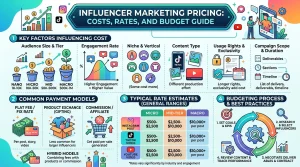
Not every influencer serves the same purpose. Some creators are best for awareness, some for trust, and some for conversion. A smart brand does not chase follower count alone. It chooses creators based on audience match, content style, and the type of Brand Growth and Customer Engagement the campaign needs.
Micro creators often drive stronger trust because their audiences feel close-knit and highly engaged. Macro creators are often better for reach and broad visibility. Both can help Brand Growth and Customer Engagement, but they do it in different ways. The right decision depends on budget, campaign goal, and the emotional response you want to trigger.
| Influencer Type | Best Use Case | Strengths | Trade-Off |
|---|---|---|---|
| Micro influencer marketing | Niche trust and conversions | Higher relatability, stronger comments, better audience fit | Smaller reach |
| Macro influencer marketing | Awareness and launch campaigns | Wide visibility, faster exposure, strong brand status | Usually higher cost |
When brands think strategically, they stop asking, “Who has the most followers?” and start asking, “Who can create the most relevant Brand Growth and Customer Engagement for this audience?” That shift changes the quality of the campaign immediately.
Building a Collaboration Model That Feels Mutual

A strong influencer collaboration strategy begins with mutual value. The creator should feel respected, not used. The brand should feel represented, not diluted. When both sides win, the partnership becomes more believable, and Brand Growth and Customer Engagement become more sustainable.
One of the most overlooked parts of brand influencer partnerships is alignment. The creator’s tone, audience values, and content habits must match the brand message. If there is a mismatch, even a large campaign can feel fake. But when the fit is right, the partnership builds Brand Growth and Customer Engagement through credibility instead of pressure.
The best digital influencer campaigns are usually not overly scripted. They give creators enough structure to stay on brand while leaving room for personality. That balance matters because audiences can quickly detect content that sounds copied, overly promotional, or forced. Natural delivery keeps Brand Growth and Customer Engagement strong and protects the creator’s relationship with the audience.
Creating Content That Feels Useful, Not Salesy
Influencer content creation should start with the audience’s problem, not the brand’s product. People pay attention when they feel the content solves something real. A tutorial, a before-and-after result, a day-in-the-life example, or a comparison post can all improve Brand Growth and Customer Engagement because they serve the viewer first.
Different content formats work at different stages of the buyer journey. Short videos can spark curiosity. Long-form reviews can reduce doubt. Live sessions can answer objections. Carousel posts can educate. When these formats are chosen intentionally, Brand Growth and Customer Engagement grow because the audience receives the right message in the right format.
Content should also be designed for memory. Repetition of the core benefit, visual consistency, and a clear takeaway help the audience recall the brand later. That recall matters because Brand Growth and Customer Engagement do not come only from a single impression. They come from repeated, meaningful exposure that builds familiarity over time.
Outreach That Gets Responses
An effective influencer outreach strategy is short, specific, and personal. Creators receive many generic messages, so the best approach is to show that you understand their work. Mention a recent post, explain why the audience fit matters, and clarify what value the partnership offers. That approach increases response rates and improves the quality of Brand Growth and Customer Engagement.
The first message should not feel like a cold pitch dump. It should feel like the beginning of a collaboration. When a creator sees that the brand has done its homework, trust increases. That trust can turn a simple outreach message into a relationship that drives Brand Growth and Customer Engagement across multiple campaigns.
Follow-up matters too. Many partnerships are lost because the brand waits too long or communicates too vaguely. A clean process, simple deliverables, and respectful timing make it easier for creators to say yes. That smooth experience often becomes part of the Brand Growth and Customer Engagement result because creators are more likely to produce better work when the workflow feels professional.
Measuring the Right Signals
A campaign should never be judged by reach alone. Reach matters, but it is only one piece of the story. To understand whether influencer marketing is actually improving Brand Growth and Customer Engagement, brands need to track engagement quality, click-through behavior, save rates, comments, traffic, leads, and conversions.
The influencer engagement rate is especially important because it reveals how well the audience is responding. A high engagement rate usually suggests a stronger relationship between creator and audience. That relationship often translates into more trustworthy Brand Growth and Customer Engagement than a flashy but shallow impression count.
Brands should also evaluate the type of engagement. A thoughtful comment, a save, a share, or a direct message can matter more than a passive like. These actions suggest interest and intent. Over time, those indicators reveal which creators truly support Brand Growth and Customer Engagement and which ones only generate surface-level attention.
Turning Attention into Revenue
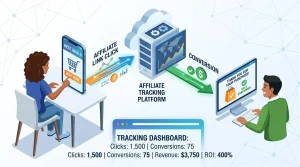
A campaign becomes more valuable when it connects content with conversion. That does not mean every post has to be aggressively promotional. It means the journey should be clear. The audience should know where to learn more, what to click, and why the next step matters. This is how influencer campaigns strengthen Brand Growth and Customer Engagement while still supporting sales.
Offer pages, special links, discount codes, lead magnets, and newsletter signups can all make the transition smoother. The point is to reduce friction. If the audience is already interested, the brand should make it easy for them to continue the relationship. That continuity increases Brand Growth and Customer Engagement because it moves people from passive viewers to active participants.
Campaigns also perform better when they include a strong narrative. A product launch, a customer success story, or a challenge-based campaign gives people a reason to follow the content over time. That storyline improves Brand Growth and Customer Engagement because people are naturally drawn to progress, transformation, and resolution.
A Practical Framework for Campaign Planning
Every good campaign starts with a clear objective. Some brands want visibility. Others want traffic. Others want leads. The objective determines the creator type, content style, timeline, and success metrics. Without a clear objective, Brand Growth and Customer Engagement may happen by accident, but they will be hard to repeat.
Next, define the audience. A campaign works best when the creator’s followers match the brand’s real customers. Age, interests, pain points, buying behavior, and platform habits all matter. When the audience is well defined, Brand Growth and Customer Engagement improve because the message is more relevant and more likely to feel personal.
Then define the content sequence. A teaser post can build curiosity. A main post can explain the value. A follow-up story or video can answer objections. A reminder post can push action. This sequence creates multiple touchpoints, and those touchpoints are what turn attention into Brand Growth and Customer Engagement.
Summary of the Most Important Principles
The strongest influencer programs are built on trust, audience fit, and content that feels useful. When those pieces are in place, Brand Growth and Customer Engagement become much easier to scale. The brand gets attention, the creator gets credibility, and the audience gets value.
The most reliable campaigns are also easy to measure. They do not rely on vanity metrics alone. They track engagement quality, traffic, lead behavior, and conversion signals. That makes Brand Growth and Customer Engagement easier to optimize over time instead of guessing what worked.
How Influencer Marketing Connects with Inbound Strategy
Influencer marketing is not separate from inbound thinking. In many cases, it strengthens it. A creator recommendation can attract the audience, educational content can keep them engaged, and follow-up nurturing can move them toward a decision. That is why Brand Growth and Customer Engagement improve even more when influencer efforts support a broader inbound system.
What is inbound marketing
What is inbound marketing? It is a customer-first approach that attracts people by providing useful content, helpful experiences, and relevant solutions instead of pushing intrusive ads. In practice, it supports Brand Growth and Customer Engagement because the audience comes in by choice, not by force.
How inbound marketing works
How inbound marketing works is through a simple sequence: attract, engage, and convert. A brand creates content that solves a problem, earns attention through search or social discovery, and then uses helpful follow-up to build a relationship. This model supports Brand Growth and Customer Engagement because it values trust before transaction.
Benefits of inbound marketing for businesses
The benefits of inbound marketing for businesses include lower acquisition pressure, better lead quality, stronger brand trust, and a more scalable content engine. When businesses earn attention instead of buying it aggressively, Brand Growth and Customer Engagement tend to last longer and cost less to maintain.
How to generate leads with inbound marketing
How to generate leads with inbound marketing depends on creating useful entry points such as guides, webinars, templates, quizzes, and informative posts. These assets attract people who already care about the topic, which makes Brand Growth and Customer Engagement more efficient because the leads are already interested.
Best inbound marketing strategies for small businesses
The best inbound marketing strategies for small businesses usually include educational blog content, social proof, SEO, email capture, and creator collaborations. Small brands often win by being more specific and more helpful than larger competitors, and that specificity can drive Brand Growth and Customer Engagement faster than broad advertising.
Inbound marketing vs outbound marketing
Inbound marketing vs outbound marketing is a comparison between attraction and interruption. Outbound methods try to reach a large audience quickly, while inbound methods help the audience discover the brand through relevance and value. For Brand Growth and Customer Engagement, inbound often creates a deeper relationship because it begins with permission.
How to create an inbound marketing strategy
How to create an inbound marketing strategy starts with understanding your audience, mapping their questions, and planning content around each stage of the journey. After that, choose channels, assign conversion points, and create a follow-up system. This structure helps Brand Growth and Customer Engagement because every piece of content serves a clear purpose.
Content marketing for lead generation
Content marketing for lead generation works when each piece of content has a clear next step. A helpful article, a short video, or an influencer post should guide the reader toward a low-friction action. That action could be a signup, a download, or a consultation, all of which support Brand Growth and Customer Engagement.
How to attract customers through inbound marketing
How to attract customers through inbound marketing depends on relevance, consistency, and trust. People are drawn to brands that answer real questions and make difficult decisions easier. Influencers can amplify this by acting as trusted messengers, which makes Brand Growth and Customer Engagement feel more natural and less forced.
Inbound marketing examples and case studies
Inbound marketing examples and case studies often show the same pattern: useful content attracts attention, helpful follow-up builds trust, and consistent value leads to conversion. Whether the content comes from a brand or a creator, the result is similar. Brand Growth and Customer Engagement increase when the audience feels educated instead of pressured.
How to increase organic traffic with inbound marketing
How to increase organic traffic with inbound marketing requires content that matches search intent, answers questions clearly, and stays useful over time. Search-optimized content and creator-driven discovery can work together beautifully. When they do, Brand Growth and Customer Engagement benefit from both discoverability and credibility.
Lead nurturing best practices
Lead nurturing best practices include timely follow-up, helpful emails, segmentation, and messages that fit the buyer’s stage. People rarely convert the first time they encounter a brand. They need reassurance, reminders, and context. When nurturing is done well, Brand Growth and Customer Engagement become more consistent because the relationship continues after the first click.
How marketing automation improves lead generation
How marketing automation improves lead generation is by making follow-up faster, more personalized, and more scalable. Automation can send a welcome sequence, score leads, and trigger content based on behavior. That saves time and helps Brand Growth and Customer Engagement by making the journey smoother and more responsive.
Ways to improve customer engagement online
Ways to improve customer engagement online include interactive content, fast responses, community-focused posts, live sessions, and personalized follow-up. Influencers often excel here because they already know how to keep conversations human and active. That is why Brand Growth and Customer Engagement often rise when brands borrow creator-style communication.
Inbound marketing trends for business growth
Inbound marketing trends for business growth continue to point toward authenticity, short-form video, creator trust, search-first education, and personalized customer journeys. The future is not less human; it is more human, just supported by better tools. Brands that understand this will keep improving Brand Growth and Customer Engagement while their competitors still rely on interruption.
How to Build a High-Performing Campaign from Start to Finish

A successful campaign begins with one central idea and one audience pain point. From there, the brand should choose the right creator, define the content format, and create a simple conversion path. This makes Brand Growth and Customer Engagement feel organized instead of random.
It also helps to repurpose content across channels. A creator video can be clipped into short posts, embedded in a blog, shared in email, and reused in ads. Repurposing extends the life of the idea, which means Brand Growth and Customer Engagement continue beyond the original publish date.
Another important step is testing. Try different hooks, content lengths, posting times, and calls to action. Small changes often reveal big insights. Over time, those insights improve Brand Growth and Customer Engagement because the brand learns which messages actually move people.
Common Mistakes to Avoid
One common mistake is choosing creators only for follower count. Large numbers can look impressive, but they do not guarantee relevance. A smaller creator with a loyal audience may produce far better Brand Growth and Customer Engagement than a celebrity with weak alignment.
Another mistake is over-controlling the content. Audiences can tell when a creator sounds scripted. The best campaigns leave room for the creator’s own voice, because authenticity is what drives trust. Without that trust, Brand Growth and Customer Engagement often stall.
A final mistake is failing to measure the full journey. Likes are easy to see, but they do not always tell the whole story. Better decisions come from tracking traffic, leads, conversions, and retention. That fuller view helps Brand Growth and Customer Engagement become more predictable
Conclusion
Brand Growth and Customer Engagement are no longer driven by attention alone. They are driven by trust, experience, and the quality of the conversation a brand can create. Influencer marketing gives businesses a practical way to earn that trust through voices people already believe.
The brands that win in this space are the ones that think long term. They build real partnerships, create helpful content, and connect creator activity with a broader inbound strategy. That is how Brand Growth and Customer Engagement become durable, not temporary.
If you approach influencer marketing as a relationship engine rather than a quick promotion, you will create stronger loyalty, better conversions, and a more resilient brand. That is the real advantage of modern Brand Growth and Customer Engagement.
FAQ
1. How does influencer marketing support brand growth?
It supports brand growth by borrowing trust from creators, reaching relevant audiences, and creating repeated exposure that feels authentic. It also improves Brand Growth and Customer Engagement by making the brand easier to remember.
2. Which influencers are best for customer engagement?
Micro influencers often create stronger conversations because their audiences are more tightly connected. That said, the best choice depends on your goals, and both micro and macro creators can improve Brand Growth and Customer Engagement in different ways.
3. Is influencer marketing useful for small businesses?
Yes. Small businesses often benefit because they can work with niche creators who already speak to the exact customer they want to reach. That focus can drive Brand Growth and Customer Engagement with a smaller budget.
4. How do I know if an influencer campaign is working?
Look beyond likes. Track engagement quality, click-throughs, leads, conversions, saves, and repeat visits. These signals show whether the campaign is actually improving Brand Growth and Customer Engagement.
5. Can influencer marketing and inbound marketing work together?
Yes. Influencer content can attract attention, inbound content can educate, and nurturing can convert. When these systems work together, Brand Growth and Customer Engagement become stronger and more sustainable.
6. What is the most important part of an influencer campaign?
The most important part is relevance. If the creator, the audience, and the message all align, the campaign is much more likely to create Brand Growth and Customer Engagement that feels natural and lasting.