How Influencer Marketing Drives Brand Growth and Customer Engagement

Influencer Marketing Drives brand growth by combining trust, visibility, and relevance in a way that feels natural to the audience. It helps businesses enter real conversations, build stronger recognition, and create content that people actually want to engage with. When the right creator, message, and strategy come together, Influencer Marketing Drives measurable value across awareness, trust, and sales.
Influencer Marketing Drives modern brand conversations in a way that traditional advertising often cannot. People do not just see a message; they see someone they already trust sharing a recommendation that feels real, timely, and relevant. That is why Influencer Marketing Drives stronger attention, deeper interest, and better action across the customer journey. For brands that want to grow in a crowded market, this approach is not only useful, it is often essential.
Influencer Marketing Drives results because it works with human psychology. Buyers are naturally influenced by social proof, familiarity, and perceived expertise. When a creator speaks honestly about a product, the audience pays attention because the message comes through a human voice, not a branded billboard. That emotional connection is one of the biggest reasons Influencer Marketing Drives higher engagement than many other channels.
Brands today compete for trust, not just visibility. Influencer Marketing Drives both at the same time. It helps businesses show up in social feeds, video platforms, blogs, and short-form content in ways that feel native to the audience. It also gives a brand a chance to enter conversations that already matter to the customer, which is far more persuasive than interruptive ads.
Why Influencer Marketing Matters in Modern Growth
Influencer Marketing Drives brand growth by shortening the gap between awareness and action. A customer may first discover a brand through an influencer, then research it, then follow the brand, and finally make a purchase. That journey can happen quickly when the content is persuasive and authentic. In many cases, Influencer Marketing Drives faster discovery than search alone because audiences are already active and engaged where influencers post.
The strongest campaigns are not built around a single post. Influencer Marketing Drives better growth when brands use repeated exposure across multiple formats and creators. A product mention in a reel, a detailed review in a video, and a supporting story post can work together to build familiarity. The more consistent the message, the more likely a customer is to remember the brand later.
This is also why Influencer Marketing Drives brand awareness so effectively. A good influencer does more than advertise. They translate a product into a lifestyle, a solution, or a personal experience. That translation helps the audience see how the product fits into their own lives. As a result, the brand becomes easier to remember and easier to trust.
The Psychology Behind Customer Response
Influencer Marketing Drives stronger responses because people tend to trust people more than corporate messaging. Customers often ask three silent questions before they buy: Is this real? Is this for me? Can I trust it? Influencer content can answer all three with far more credibility than a generic ad.
When a creator shows genuine use of a product, the audience sees proof, not just promotion. That is one reason Influencer Marketing Drives better engagement rates. Viewers comment, save, share, and ask questions because they feel the content is useful instead of forced. The audience is not being sold to in a hard way; they are being invited into a conversation.
Influencer Marketing Drives trust especially well when the creator has a clear niche. Fitness creators, beauty creators, parenting creators, and tech reviewers each speak to a specific audience with specific expectations. That alignment makes the recommendation feel more personal. It also improves the chances that the message reaches people who are already interested in that category.
How Influencers Help Brands Grow
How Influencers Help Brands Grow is simple at the surface but powerful in practice: they humanize the product, amplify the message, and make the brand feel accessible. Instead of speaking only through polished campaigns, brands get a real person to explain the value in everyday language. That clarity lowers resistance and makes the audience more comfortable.
Influencer Marketing Drives growth when the influencer’s style matches the brand’s identity. A luxury product needs a different presentation from a budget-friendly household item. A playful creator may be ideal for an everyday consumer brand, while an expert voice may work better for a technical product. Matching the right voice to the right offer is one of the smartest ways Influencer Marketing Drives meaningful results.
It is also important to think beyond awareness. Influencer Marketing Drives growth by helping prospects move from curiosity to confidence. A customer may not buy immediately after one post, but repeated exposure can make the brand feel familiar enough to choose later. This familiarity is often the hidden engine behind sustainable growth.
Role of Influencer Marketing in Brand Awareness
Role of Influencer Marketing in Brand Awareness is especially important in competitive industries where many products look similar. If multiple brands offer nearly the same features, the one that feels most familiar often wins. Influencer content helps create that familiarity faster by putting the brand in front of audiences in an organic way.
Influencer Marketing Drives top-of-funnel visibility because it places the message where attention already lives. Instead of waiting for customers to search for a solution, brands can appear earlier in the discovery process. This creates more opportunities to build interest before a competitor captures the sale.
The role of awareness is not just about reach. It is about recognition. Influencer Marketing Drives recognition by repeating a brand name, showing product use, and linking it to a real person the audience remembers. That repeated association builds mental availability, which makes the brand easier to choose when the buying moment arrives.
Benefits of Influencer Marketing for Businesses

Benefits of Influencer Marketing for Businesses include reach, credibility, engagement, and measurable conversions. It can support both big brands and smaller companies depending on the campaign structure. For startups, it may offer fast exposure. For established brands, it can refresh attention and strengthen customer relationships.
Influencer Marketing Drives efficiency because the right creator can produce content that feels native and trustworthy without the brand having to create every piece itself. That can save time while also producing higher engagement. In addition, many creators understand how to communicate in formats that their audience already prefers, which improves the chance that the message gets noticed.
Businesses also benefit from the feedback loop. Influencer Marketing Drives audience insights through comments, saves, shares, and reactions. Those signals can reveal what customers care about, what questions they have, and what objections they may still hold. That information helps brands improve both messaging and product positioning.
How Influencer Marketing Builds Customer Trust
How Influencer Marketing Builds Customer Trust depends on honesty, consistency, and relevance. Trust does not come from hype alone. It comes from content that feels believable, useful, and aligned with the audience’s needs. When a creator shares a genuine experience, customers are more likely to believe the recommendation.
Influencer Marketing Drives trust best when brands allow room for authentic storytelling. Over-scripted campaigns often feel artificial and can weaken the relationship between creator and audience. A more natural tone usually performs better because people can sense when a recommendation has room to breathe.
Trust also grows when brands choose influencers carefully. A credible creator who has used the product, understands the audience, and communicates clearly can do far more than a large but disconnected profile. That is one reason Influencer Marketing Drives better long-term value when quality is prioritized over vanity metrics.
Influencer Marketing and Customer Engagement
Influencer Marketing and Customer Engagement are closely connected because engagement is often the first visible sign that a campaign is working. When audiences like, comment, save, and share, they are participating in the message. That participation creates momentum that paid ads alone may not achieve.
Influencer Marketing Drives engagement because it invites interaction rather than simply demanding attention. A good creator asks questions, tells stories, and uses content formats that encourage feedback. That two-way dynamic makes audiences feel part of the experience, which increases response rates.
Why Influencer Marketing Improves Engagement is easy to understand when you look at content behavior. People engage more with creators they follow, especially when the content feels relevant to their interests and identity. The creator acts as a bridge between brand and buyer, making the message feel more personal and less transactional.
Influencer Marketing Impact on Sales Growth
Influencer Marketing Impact on Sales Growth can be strong when the campaign is aligned with audience intent. Not every engagement leads directly to a sale, but strong engagement often predicts stronger demand later. The path from content to conversion may be short for some buyers and longer for others, but the influence is real.
Influencer Marketing Drives sales by reducing doubt. Customers often hesitate because they are unsure whether a product is worth it. A trusted creator can answer that uncertainty with a demo, testimonial, or honest review. That reassurance often becomes the final nudge that turns interest into purchase.
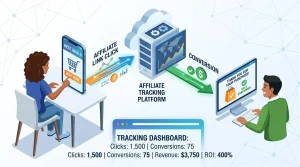
In performance-focused campaigns, the brand can also track links, discount codes, and referral traffic. This makes it easier to see how Influencer Marketing Drives action across different stages. Even when the sale does not happen instantly, the creator may still contribute to assisted conversions and repeat exposure.
How Brands Use Influencers for Marketing
How Brands Use Influencers for Marketing varies depending on goals, audience, and budget. Some brands focus on awareness campaigns. Others use creators for product launches, seasonal promotions, UGC-style content, affiliate programs, or long-term ambassador partnerships. Each format supports a different stage of growth.
Influencer Marketing Drives stronger outcomes when brands think strategically about creator fit. A creator with high trust and a focused audience may outperform one with a much larger but less engaged following. The best choice depends on the objective, not just the follower count.
How Brands Use Influencers for Marketing also depends on content rights and distribution. Many brands now reuse creator content in ads, landing pages, and email campaigns. That multiplies the value of the original partnership and extends the life of each asset. When done well, Influencer Marketing Drives more value from one piece of content than many businesses expect.
Influencer Marketing Strategies for Growth

Influencer Marketing Strategies for Growth should begin with clear goals. A brand needs to know whether it wants awareness, engagement, leads, sales, or community building. Without that clarity, even a strong campaign may underperform because the wrong creators or formats were chosen.
One of the most effective tactics is to combine macro and micro creators. Macro creators can create broad reach, while micro creators often generate more personal trust and stronger niche engagement. Together, they can create a balanced campaign that supports both scale and credibility.
Influencer Marketing Drives better growth when brands test messaging, content formats, and posting schedules. Short-form video may work for some products, while long reviews may work better for others. The key is to align the platform with audience behavior. Influencer Marketing Drives stronger returns when the message feels native to the platform instead of forced into it.
Another important strategy is consistency. One post may spark interest, but multiple touchpoints create memory. A brand should think in campaigns, not isolated posts. When the same product appears across different creators and content styles, the audience begins to recognize it. That recognition helps Influencer Marketing Drives both recall and action.
Practical Framework for a Strong Campaign
A useful campaign framework starts with audience research. Brands should understand who they want to reach, what problems those people have, and what kind of content they already consume. Influencer Marketing Drives better performance when the creator’s audience overlaps with that buyer profile.
Next comes creator selection. The best influencer is not always the most famous one. The best creator is the one who can speak naturally to the target audience and maintain credibility. If the partnership feels authentic, Influencer Marketing Drives stronger engagement and a more positive response.
Then comes message design. The brand should decide whether the creator should demo the product, share a story, review it, compare it, or show before-and-after results. The format should support the audience’s decision-making process. Done properly, Influencer Marketing Drives action because the content answers real customer questions.
Finally, brands should measure results. Views matter, but so do engagement quality, click-throughs, conversions, and repeat exposure. A campaign should be evaluated on both immediate and delayed impact. That way, Influencer Marketing Drives smarter decisions for future campaigns rather than being judged only by surface metrics.
Conclusion
Influencer Marketing Drives modern growth because it works with how people already discover, evaluate, and choose brands. It is not just a trend or a social media tactic. It is a relationship-based marketing method that can influence perception, behavior, and long-term loyalty. For brands that want meaningful customer engagement and sustainable expansion, Influencer Marketing Drives a path that is both practical and powerful.
FAQ
1. Why does influencer marketing work so well?
Influencer Marketing Drives results because people trust creators who feel relatable and knowledgeable. That trust makes brand messages easier to accept.
2. Is influencer marketing useful for small businesses?
Yes. Influencer Marketing Drives value for small businesses by helping them reach targeted audiences without needing massive ad budgets.
3. What type of influencer is best for engagement?
Usually, a creator with strong audience trust and a clear niche works best. That is where Influencer Marketing Drives the most meaningful interaction.
4. Can influencer marketing increase sales?
Yes. Influencer Marketing Drives sales by reducing hesitation, demonstrating product value, and guiding customers toward purchase.
5. How should brands measure success?
Brands should track engagement, reach, clicks, conversions, and audience sentiment. Those metrics show how Influencer Marketing Drives both short-term and long-term results.
6. What makes a campaign feel authentic?
A campaign feels authentic when the creator speaks naturally, the product fits the audience, and the message matches real experience. That authenticity is central to how Influencer Marketing Drives trust.