Influencer Guidelines: Build Partnerships and Maintain Brand Consistency

Influencer Guidelines help brands and creators maintain consistent messaging, meet disclosure requirements, protect content rights, and manage collaborations professionally. Clear standards for content approval, communication, compliance, and campaign performance reduce misunderstandings while preserving creative freedom. By establishing shared expectations and reviewing results regularly, businesses can build trustworthy influencer partnerships and achieve more effective marketing outcomes.
Influencer marketing has become an important way for businesses to connect with audiences, build brand awareness, and establish trust through authentic content. However, successful influencer partnerships require more than choosing popular creators and publishing promotional posts. Brands need clear expectations, consistent communication, and shared standards to ensure that every collaboration supports their objectives. This is where Influencer Guidelines become essential.
Influencer guidelines define how creators should represent a brand, communicate with audiences, develop content, and meet campaign requirements. They help businesses maintain a consistent identity while allowing influencers to express their creativity and connect with followers in their own style. Without clear expectations, even a promising partnership can result in inconsistent messaging, missed deadlines, disclosure issues, or content that does not reflect the brand’s values.
Effective guidelines establish a common understanding between brands, marketing teams, agencies, and content creators. They clarify responsibilities, explain approval procedures, and outline the standards that influence campaign execution. When developed thoughtfully, these guidelines support stronger professional relationships without making sponsored content feel overly controlled or artificial.
As influencer marketing continues to evolve, businesses need flexible policies that balance creative freedom with accountability. A well-structured approach helps brands protect their reputation, maintain compliance, and create collaborations that deliver meaningful value to both the business and its audience.
Understanding the Importance of Influencer Guidelines
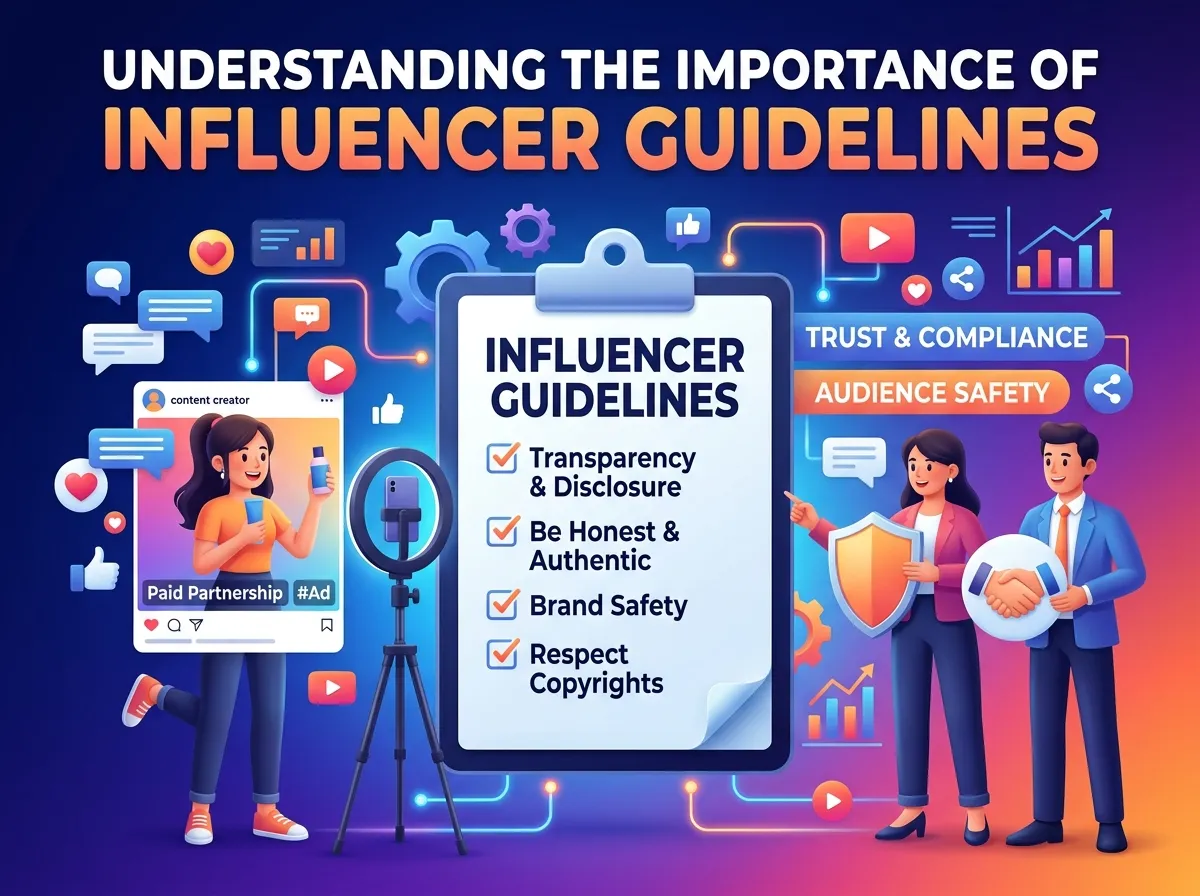
Influencer guidelines provide a shared framework for managing relationships between brands and creators. They explain what a business expects from a partnership and what influencers need to understand before producing or publishing sponsored content. These expectations may cover brand messaging, visual identity, content formats, campaign deadlines, disclosure requirements, and communication procedures.
Without a clear framework, different creators may interpret a campaign brief in different ways. One influencer might emphasize product features, while another focuses on lifestyle benefits. Although both approaches may be suitable, inconsistent claims, inaccurate information, or conflicting brand messages can weaken the overall campaign.
Influencer Marketing Guidelines help prevent these problems by defining the essential requirements before collaboration begins. They give creators a clear understanding of the campaign’s purpose while reducing confusion during content development. This can save time, limit unnecessary revisions, and help marketing teams coordinate several partnerships more efficiently.
Guidelines also contribute to long-term brand consistency. When businesses work with multiple influencers across different platforms, audiences should still recognize the brand’s core values and understand its products or services. Consistent standards make this possible without requiring every creator to produce identical content.
The most effective guidelines are practical rather than restrictive. They explain which elements are essential, where creators have flexibility, and how questions or unexpected situations should be handled. This balance encourages professional collaboration while preserving the authenticity that makes influencer marketing valuable.
Influencer Content Standards and Brand Identity
Influencer Content Standards help ensure that sponsored content accurately represents a brand while remaining relevant to the creator’s audience. These standards may cover tone of voice, visual presentation, product descriptions, factual claims, prohibited messaging, and the overall quality of published materials.
For example, a brand that emphasizes reliability and transparency may require influencers to describe product features accurately and avoid unsupported promises. A business with a playful identity may encourage humor and storytelling while maintaining clear boundaries around sensitive subjects. These expectations allow different creators to produce content that feels natural without losing the brand’s identity.
Visual consistency can also matter, particularly when campaigns involve product photography, videos, or recurring brand elements. Guidelines may explain how logos, product images, brand names, and approved assets should be used. However, these requirements should leave enough room for influencers to adapt the content to their established style and audience preferences.
Accuracy is another essential consideration. Influencers should receive reliable product information, approved claims, and relevant background materials before creating sponsored posts. When they understand the product properly, they are better equipped to communicate its benefits honestly and answer audience questions.
Brands should also distinguish between essential standards and optional creative suggestions. Requirements involving factual accuracy, safety, and legal compliance may be mandatory, while recommendations about storytelling or presentation can remain flexible. This distinction prevents unnecessary restrictions and supports more engaging content.
Brand Collaboration Guidelines and Creative Freedom
Strong Brand Collaboration Guidelines establish a productive relationship between businesses and influencers by clarifying responsibilities while respecting each party’s expertise. Brands understand their products, business objectives, and reputation requirements, whereas creators understand their audiences, content formats, and communication styles.
A successful partnership recognizes the value of both perspectives. Instead of dictating every sentence, gesture, or camera angle, businesses can provide a clear campaign objective, essential talking points, product information, and specific restrictions. Influencers can then develop content that communicates the intended message in a way that suits their audience.
Clear expectations should be established before work begins. Both parties need to understand the agreed deliverables, publishing platforms, deadlines, compensation, revision limits, and campaign duration. Written agreements can reduce misunderstandings and provide a reference if questions arise later.
Businesses can strengthen these relationships by involving creators early in the content development process. Influencers may offer useful insights about audience preferences, platform trends, and creative formats that the marketing team has not considered. Listening to this feedback can improve campaign relevance and make partnerships more collaborative.
For a broader understanding of how these relationships operate, brands can explore Influencer Collaboration Marketing, which examines how businesses and creators work together to develop effective promotional activities.
When collaboration guidelines encourage open communication rather than excessive control, creators are more likely to produce content that feels credible. This helps businesses protect their identity while benefiting from the unique voice and perspective each influencer brings to the partnership.
Influencer Partnership Policies and Professional Responsibilities
Influencer Partnership Policies explain the responsibilities, expectations, and boundaries that govern a working relationship. They help both parties understand what is required throughout the collaboration, from initial discussions to content publication and post-campaign evaluation.
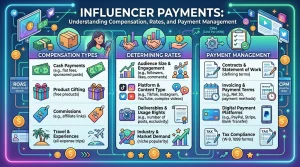
These policies should address the commercial arrangement clearly. Payment terms, deliverables, deadlines, cancellation conditions, exclusivity requirements, and additional work should be documented before the partnership begins. If the agreement includes usage rights or restrictions on working with competitors, those conditions should also be explained in understandable language.
Professional conduct is equally important. Influencers should communicate delays promptly, use approved information when discussing products, and notify the brand if circumstances could affect the campaign. Brands should provide accurate briefs, respond to questions within reasonable timeframes, and honor the commitments established in their agreements.
Partnership policies should also address unexpected situations. A product may become unavailable, a campaign deadline may change, or an influencer may discover an issue that makes previously approved content unsuitable. Clear procedures help both parties respond without creating unnecessary conflict.
Long-term partnerships benefit from consistency and mutual respect. Brands that treat creators fairly can build stronger relationships, while influencers who meet their commitments become more dependable partners. These professional standards make campaign management easier and help establish trust beyond a single sponsored post.
Social Media Influencer Rules and Platform Expectations
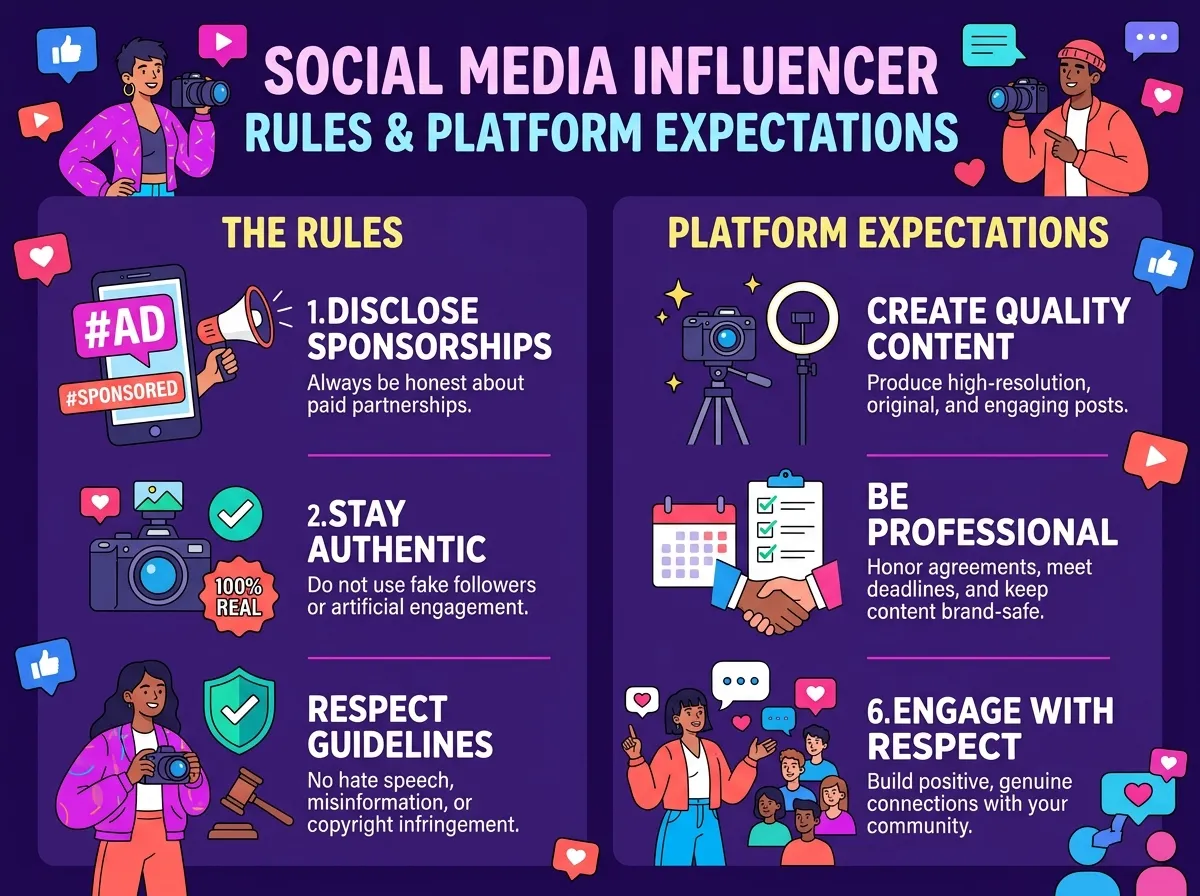
Social Media Influencer Rules should reflect the platforms where campaigns appear and the expectations of the audiences using them. Content that performs well on one platform may not be suitable for another, so brands should avoid relying on a single set of publishing instructions for every channel.
For example, a short-form video may require a clear opening message, while a long-form review may need more detailed explanations and product demonstrations. A visual platform may emphasize image quality and presentation, whereas a professional network may require a more business-focused tone. Influencer guidelines should account for these differences while maintaining consistent brand standards.
Platform policies also matter. Depending on the channel and campaign format, creators may need to use designated branded-content features, follow restrictions on certain products, or meet specific requirements for commercial posts. Brands should confirm current platform rules before launching campaigns rather than assuming that previous requirements remain unchanged.
Guidelines should also discourage misleading engagement practices. Fake followers, purchased interactions, deceptive product demonstrations, and fabricated testimonials can damage trust and distort campaign performance. Brands should establish reasonable expectations for authentic audience engagement and investigate unusual activity when appropriate.
Accessibility can improve the quality of influencer content as well. Captions, readable text, clear audio, and descriptive visual information can help audiences understand promotional messages more easily. These practices also support a more inclusive experience across different viewing environments.
When platform-specific expectations are clear, creators can adapt content confidently without compromising the campaign’s objectives or violating applicable rules.
Influencer Disclosure Requirements and Advertising Transparency
Influencer Disclosure Requirements are a critical part of responsible influencer marketing. When creators receive payment, free products, discounts, commissions, or other benefits in exchange for promotional content, audiences may need a clear explanation of that relationship. Disclosure helps viewers understand when a creator has a commercial connection with a brand.
The precise requirements depend on the applicable laws, regulatory guidance, platform policies, and circumstances of the collaboration. Brands should establish disclosure expectations before content production and ensure that influencers understand how to communicate the relationship clearly.
For example, a creator promoting a product in exchange for payment should not leave the commercial relationship ambiguous. Depending on the applicable requirements and platform, a clear statement such as “Ad” or “Paid partnership with [Brand]” may be appropriate. Affiliate relationships and gifted products may require different or additional explanations.
Disclosures should be easy to notice and understand. Hiding them among numerous hashtags, placing them where viewers are unlikely to see them, or relying exclusively on vague language can undermine transparency. For video content, brands should consider whether disclosures need to appear within the video, in its caption, or in multiple places to meet relevant requirements.
Businesses should also avoid asking influencers to make claims they cannot support or to present paid endorsements as independent personal experiences. Creators should communicate honestly about their experiences and clearly distinguish their opinions from verified product information.
Influencer guidelines should identify who is responsible for checking disclosures and how corrections will be handled if a post is published incorrectly. Reviewing the relevant requirements before a campaign begins helps protect audiences, creators, and the brand’s reputation.
Influencer Brand Compliance and Reputation Protection
Influencer Brand Compliance involves ensuring that creators follow agreed brand standards, advertising requirements, contractual obligations, and relevant platform policies. It helps businesses maintain control over essential risks without removing the creative freedom that makes influencer partnerships effective.
Compliance begins with selecting suitable partners. Brands should consider whether an influencer’s public content, communication style, audience, and professional conduct align with the business’s values. Follower count alone does not establish suitability, and a large audience cannot compensate for repeated misleading claims or inappropriate brand representation.
Before a campaign begins, businesses should provide clear information about approved product claims, restricted statements, disclosure requirements, and relevant content boundaries. For regulated or sensitive industries, the review process may need additional checks to ensure that claims are accurate and permitted.
Brands should also establish a reasonable procedure for addressing compliance issues. If an influencer publishes incorrect information, both parties should know how to request a correction, update a post, or temporarily pause promotional activity. Serious concerns may require escalation under the collaboration agreement.
Reputation protection should not become an excuse for monitoring every aspect of a creator’s personal life. Businesses should focus on relevant, proportionate standards connected to the partnership, contractual responsibilities, and legitimate brand risks. Expectations should be communicated clearly rather than introduced unexpectedly after a disagreement.
Consistent compliance practices help businesses identify potential problems early and respond professionally. They also demonstrate that brand safety, accurate communication, and audience trust are shared responsibilities.
Influencer Content Approval Process and Campaign Coordination
An Influencer Content Approval Process helps brands review promotional materials before publication. It provides a structured way to confirm that content meets essential requirements, uses accurate information, and aligns with the campaign’s objectives.
The process usually begins with a campaign brief that explains the intended audience, core message, deliverables, deadlines, and mandatory disclosures. Influencers use this information to develop concepts, scripts, captions, images, or videos that reflect both the campaign requirements and their personal style.
Depending on the campaign’s complexity, brands may review a concept before production and then evaluate a final draft before publication. This approach can identify significant problems early while avoiding unnecessary revisions to content that already meets expectations.
Reviewers should focus on meaningful issues, including inaccurate product claims, missing disclosures, incorrect brand information, prohibited content, and contractual requirements. Feedback should be specific and actionable so creators understand what needs to change and why.
Approval timelines should be agreed upon in advance. If a brand regularly delays feedback, influencers may struggle to meet publishing deadlines. Similarly, creators should allow sufficient time for required reviews and avoid publishing content that the agreement explicitly requires to be approved first.
A clear revision policy can prevent repeated changes. It should explain how many rounds of revisions are included, which types of corrections are mandatory, and how substantial changes to the original brief will be handled.
Effective approval processes protect the brand while keeping campaign production organized. They also reduce frustration by giving everyone a clear understanding of how content moves from the initial idea to publication.
Influencer Communication Standards for Stronger Relationships
Influencer Communication Standards help brands and creators maintain clear, respectful, and timely communication throughout a campaign. Strong communication reduces misunderstandings and allows both parties to address questions before they become larger problems.
At the beginning of a partnership, brands should identify the main contact person, preferred communication channels, expected response times, and procedures for urgent issues. Influencers should know whom to contact when they need product information, clarification about a brief, or assistance with a publishing problem.
Communication should remain professional without becoming unnecessarily formal. Clear messages, realistic deadlines, and direct feedback make collaboration more efficient. Brands should explain the reasons behind significant changes, while influencers should raise concerns early rather than waiting until the publication deadline.
It is also important to manage expectations around availability. Unless the agreement specifies otherwise, creators should not be expected to respond immediately at all hours or provide unlimited additional work. Similarly, businesses should receive reasonable notice if an influencer cannot meet an agreed deadline.
After publication, communication can continue through performance reviews, audience feedback, and discussions about future opportunities. These conversations help both parties understand what worked and identify improvements for upcoming campaigns.
When communication is consistent and respectful, influencer partnerships become easier to manage. Clear expectations also help businesses develop long-term relationships with creators who understand their objectives and share their commitment to quality.
Influencer Campaign Guidelines and Performance Evaluation
Influencer Campaign Guidelines connect individual creator activities with the wider goals of a marketing campaign. They help businesses define what success means, how results will be evaluated, and which responsibilities continue after the content is published.
Campaign objectives should be established before creators begin production. A brand focused on awareness may prioritize relevant reach, audience engagement, and content visibility. A campaign designed to generate sales may place greater importance on qualified traffic, conversions, or attributed revenue. Selecting appropriate metrics prevents businesses from judging every campaign by the same standard.
Performance evaluation should also consider content quality and audience relevance. High engagement does not always lead to meaningful business results, while a smaller creator may attract a more suitable audience and generate stronger commercial outcomes.
For businesses seeking to understand how campaign performance relates to broader marketing objectives, Maximizing ROI in Influencer Marketing Strategy offers a relevant perspective on evaluating influencer marketing effectiveness.
Campaign guidelines should clarify which performance information creators need to provide, when reporting is due, and how results will be used. Where appropriate, brands can agree on tracking links, discount codes, platform insights, or other measurement methods before publication.
Event-focused campaigns may require additional coordination around event dates, attendance objectives, location information, and promotional timing. In these cases, Event Influencer Promotion can provide useful context for connecting creator partnerships with event awareness and attendance goals.
Evaluating campaigns consistently allows businesses to identify effective partnerships, improve future briefs, and make more informed decisions about creator selection. It also encourages constructive conversations about performance instead of relying on assumptions or follower counts alone.
Influencer Usage Rights and Content Protection
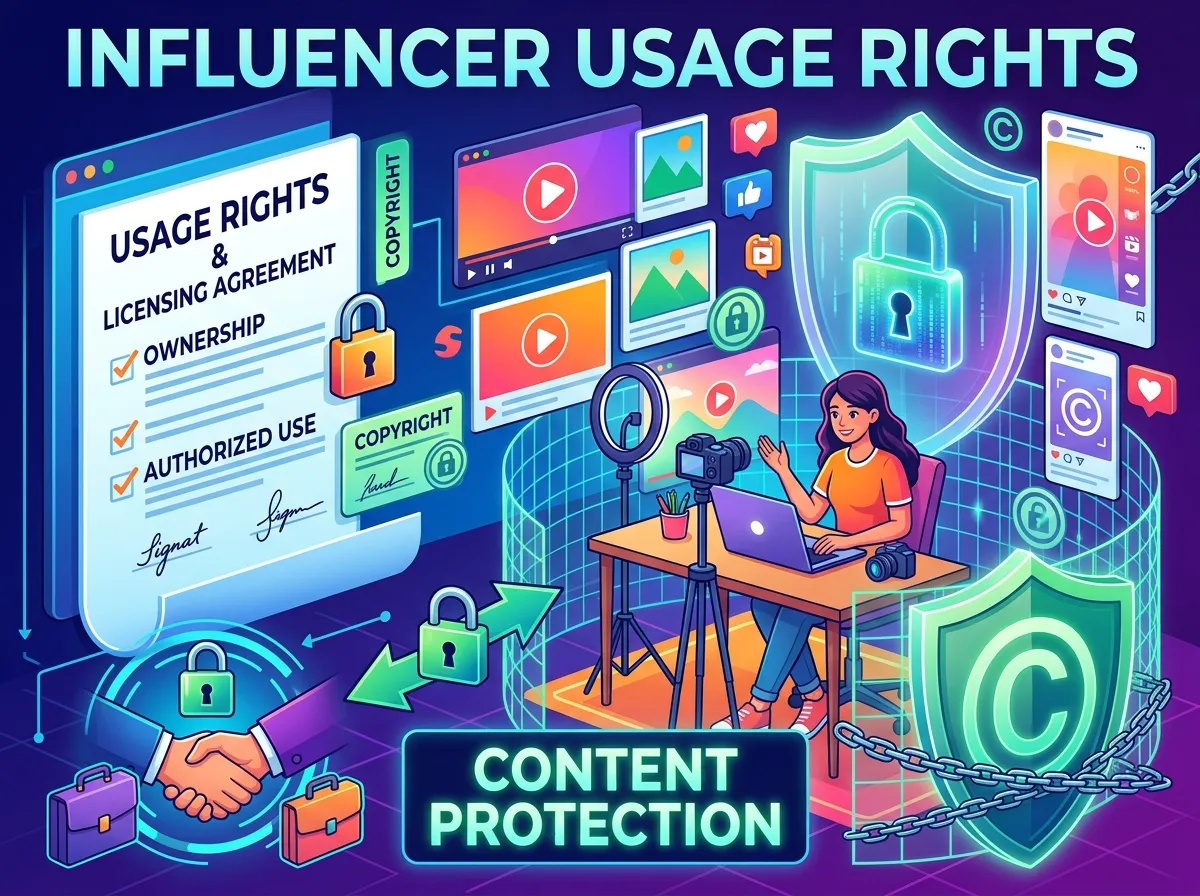
Influencer guidelines should clearly explain how brands and creators may use the content produced during a partnership. Publishing a sponsored post does not automatically mean that a business has unlimited permission to reuse the creator’s photographs, videos, voice, or other creative work in every marketing channel.
Influencer Usage Rights should be addressed in the contract before content is produced. The agreement may specify whether a brand can repost content on its social media accounts, feature it on a website, include it in paid advertisements, or use it in other promotional materials.
The agreement should also define the duration of those permissions, the platforms covered, any geographic restrictions, and whether additional compensation is required for expanded usage. Paid advertising and editing rights may require more specific terms than ordinary organic reposting.
Creators should understand whether the brand can modify their content, combine it with other materials, or continue using it after the campaign ends. Businesses should also confirm that any music, images, third-party footage, or other assets included in the content can legally be used for the intended purposes.
A clear explanation of these terms reduces disputes and protects the interests of both parties. Brands can learn more about these considerations through Influencer Usage Rights, which explores content permissions and protection in influencer marketing.
When usage rights are established early, brands can plan content distribution confidently while ensuring that creators understand how their work may be used beyond the original collaboration.
Conclusion
Influencer guidelines provide the foundation for reliable, transparent, and productive creator partnerships. By defining content standards, collaboration expectations, disclosure requirements, approval procedures, and communication responsibilities, businesses can reduce misunderstandings while maintaining consistent brand representation.
The most effective guidelines balance accountability with creative freedom. They establish clear rules for accuracy, compliance, and professional conduct while allowing influencers to communicate in ways that feel natural to their audiences. When these expectations are supported by fair agreements, appropriate content permissions, and meaningful performance evaluation, influencer marketing becomes easier to manage and more sustainable over time.
Businesses that regularly review and improve their influencer guidelines can adapt to changing platforms, audience expectations, and regulatory requirements. This creates stronger partnerships, protects brand reputation, and supports campaigns that deliver lasting value.
Frequently Asked Questions
1. What are influencer guidelines?
Influencer guidelines are standards that explain how creators should represent a brand during a partnership. They may cover messaging, content quality, disclosures, publishing deadlines, approval procedures, communication, and content usage rights. Clear guidelines help ensure that campaigns meet business objectives while allowing creators to maintain their authentic style.
2. Why are influencer marketing guidelines important?
Influencer marketing guidelines reduce confusion, improve brand consistency, and establish clear responsibilities for everyone involved. They help prevent inaccurate claims, missed deadlines, disclosure problems, and unnecessary content revisions. They also support stronger relationships by ensuring that brands and influencers understand their commitments before a campaign begins.
3. What should influencer content standards include?
Influencer content standards should explain brand messaging, tone of voice, visual identity, product information, factual accuracy, prohibited claims, and required disclosures. They should distinguish mandatory requirements from creative recommendations so influencers can produce engaging content without compromising essential brand standards.
4. What are influencer partnership policies?
Influencer partnership policies define the terms and responsibilities of a collaboration. They may address deliverables, compensation, deadlines, exclusivity, cancellation conditions, revision limits, and content ownership or licensing. Documenting these expectations helps both parties manage the relationship professionally and resolve disagreements more effectively.
5. What are influencer disclosure requirements?
Influencer disclosure requirements explain when and how creators must communicate their commercial relationship with a brand. Depending on applicable laws, platform rules, and the collaboration, disclosures may be necessary for paid promotions, gifted products, affiliate commissions, or other benefits. Disclosures should be clear and easy for audiences to notice.
6. How can brands ensure influencer brand compliance?
Brands can support compliance by selecting suitable creators, providing accurate product information, explaining prohibited claims, and reviewing relevant content before publication. They should also establish procedures for correcting inaccurate posts and responding to potential violations. Compliance expectations should be clear, proportionate, and consistent with applicable requirements.
7. How does an influencer content approval process work?
An influencer content approval process typically begins with a campaign brief, followed by content development, brand review, requested revisions, and final publication. The process should define review deadlines, approval responsibilities, and revision limits. Clear procedures help protect brand standards while preventing unnecessary delays.
8. How can brands improve influencer communication standards?
Brands can improve communication by assigning a primary contact, agreeing on response times, providing clear briefs, and giving specific feedback. Influencers should communicate potential delays or concerns promptly. Respectful, consistent communication makes it easier to resolve problems and maintain productive long-term relationships.
9. Why are influencer usage rights important?
Influencer usage rights determine how a brand can reuse content created during a partnership. Agreements should clarify permitted channels, usage duration, paid advertising permissions, editing rights, and any additional compensation. Defining these terms in advance helps protect creative ownership and reduces the risk of future disputes.
10. How should businesses measure influencer campaign success?
Businesses should measure campaign performance according to their objectives. Brand awareness campaigns may focus on relevant reach and engagement, while sales-focused campaigns may prioritize conversions, qualified traffic, and attributed revenue. Reviewing results alongside content quality and audience relevance helps brands identify successful partnerships and improve future campaigns.