How Influencer Marketing Works: A Complete Guide to Building Brand Awareness and Driving Sales
Influencer Marketing Works because it connects brands with trusted voices that audiences already pay attention to. It blends social proof, storytelling, and niche targeting into a format that feels natural and persuasive. It can drive awareness, engagement, traffic, and sales when the creator, offer, and audience are aligned.For deeper planning, this guide also covers how influencer marketing helps brands, influencer marketing for beginners, types of influencer marketing, influencer marketing step by step, why influencer marketing is effective, how brands use influencer marketing, influencer marketing ROI explained, influencer marketing examples, and social media influencer marketing.
Influencer Marketing Works when a brand chooses the right creator, the right message, and the right platform at the right time. Modern buyers do not want another hard sell; they want trust, proof, and relevance before they make a decision. That is why Influencer Marketing Works so well in today’s crowded digital space. It turns attention into interest, interest into trust, and trust into action.
At its core, Influencer Marketing Works because people listen to people they already follow and admire. When a creator recommends a product in a believable way, the message feels more like advice than advertising. This is why Influencer Marketing Works across fashion, beauty, fitness, tech, travel, B2B, and almost every other niche where audiences value real experiences.
Brands also love this model because Influencer Marketing Works at different stages of the customer journey. It can introduce a new product, strengthen brand credibility, drive website visits, and support conversions. Done well, Influencer Marketing Works not as a one-time promotion, but as a repeatable growth system.
What Is Influencer Marketing?
Influencer marketing is a partnership between a brand and a creator who has influence over a specific audience. The creator may have a large following or a smaller, highly engaged community. What matters most is trust. When people believe the creator, the brand message becomes easier to accept.
Influencer Marketing Works because the recommendation enters the conversation naturally. Instead of interrupting the audience, the message blends into content people already enjoy. That is a major reason why audiences respond differently to creator content than to standard ads.
For a brand, the goal is not just exposure. The goal is relevance. Influencer Marketing Works best when the partnership aligns with audience needs, content style, and buyer intent. A mismatch can feel forced, while a strong match can feel authentic and persuasive.
Why It Matters for Modern Brands
Today’s customers compare options before they buy. They read reviews, watch videos, and look for social proof. Influencer Marketing Works because it gives them that proof in a format they already consume. A tutorial, unboxing, story, or review can answer doubts faster than a landing page alone.
Trust is a huge factor in purchase behavior. People often believe a creator’s real-world experience more than a polished brand claim. That is another reason Influencer Marketing Works so consistently across industries. It lowers resistance and shortens the path from awareness to action.
Another advantage is reach. A brand can use one creator to reach a niche audience that is difficult to access through traditional ads. When Influencer Marketing Works well, the brand gains attention, credibility, and content assets that can be reused across channels.
How Influencer Marketing Works Step by Step

1. Define the goal
Every campaign starts with a clear objective. A brand may want awareness, traffic, leads, sales, app installs, or email signups. Influencer Marketing Works more effectively when the goal is specific, because the creator can shape the message around that outcome.
2. Understand the audience
A campaign should speak to the people most likely to care. Before contacting creators, a brand needs to know who the ideal customer is, what they value, and what problem they want solved. Influencer Marketing Works better when the content reflects real audience pain points instead of vague brand language.
3. Choose the right creator type
Different creators serve different needs. Some are great for broad awareness, while others are better for trust and conversions. Influencer Marketing Works when the creator’s voice, audience, and content style match the brand’s purpose. The best partner is not always the biggest one; it is often the most relevant one.
4. Build a clear offer
The collaboration should be simple to understand. The brand may provide a product, a paid fee, affiliate commission, exclusive access, or a combination of all three. Influencer Marketing Works best when expectations are clear and the creator knows exactly what success looks like.
5. Let the creator speak naturally
Audiences can spot overly scripted content. A creator needs room to explain the product in their own language and style. Influencer Marketing Works because the message feels personal and usable, not stiff or copied from a brand sheet.
6. Track results
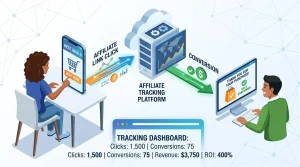
A campaign should always be measured. Brands can track clicks, conversions, saves, comments, watch time, use of discount codes, and revenue. Influencer Marketing Works best when performance data is reviewed carefully, because the next campaign should be smarter than the last one.
How Brands Use Influencer Marketing
Brands use creator partnerships in several ways. Some launch new products through a wave of reviews and tutorials. Some use creators to build social proof before a big promotion. Others create ongoing ambassador programs for long-term visibility.
Influencer Marketing Works especially well when brands use it as part of a larger content strategy. A creator’s video can be repurposed into ads, email campaigns, website banners, and social posts. That makes the campaign more efficient and extends the value of the original content.
Many teams also use creator collaborations to support seasonal promotions, product education, and community building. In each case, Influencer Marketing Works because the message arrives in a format that feels familiar and trusted.
Influencer Marketing for Beginners
If you are new to this space, start small. Influencer Marketing Works even with micro-creators when the audience is highly relevant. Beginners do not need a huge budget to learn the process. A simple test campaign can reveal what kind of content, messaging, and audience response is strongest.
The first step is to choose a niche and a goal. The next step is to find creators whose followers already care about your category. Influencer Marketing Works more smoothly when the product fits naturally into the creator’s normal content flow.
Beginners should also keep the first offer easy to manage. One post, one video, or one story series is often enough to test interest. Influencer Marketing Works better when the brand learns from the results instead of trying to launch too many variables at once.
Types of Influencer Marketing
There are several formats brands can use. Sponsored posts are the most common, where a creator is paid to feature a product. Affiliate marketing is another option, where the creator earns a commission for each sale. Product seeding, brand ambassadorships, and event collaborations are also popular.
Influencer Marketing Works differently depending on the format. A sponsored review may create awareness quickly, while an ambassador relationship can build consistency over time. A strong campaign strategy often combines multiple types to support the full funnel.
Some brands also use live streams, short-form videos, long-form tutorials, and user-generated content campaigns. Each format can help the audience see the product from a different angle. That is one more reason Influencer Marketing Works across platforms and industries.
Influencer Marketing Examples
A skincare brand may partner with a beauty creator to show how a serum fits into a morning routine. A fitness company may work with a trainer who demonstrates product use in real workouts. A software company may sponsor a tech reviewer who explains features practically.
Influencer Marketing Works in each of these examples because the product is shown in context. The audience sees not just what the product is, but how it fits into real life. That makes the message easier to remember and easier to trust.
These examples also show how flexible creator campaigns can be. A brand can educate, entertain, and convert at the same time. When Influencer Marketing Works well, the content does more than promote; it solves a problem or answers a question.
Influencer Marketing ROI Explained
ROI means return on investment, and it matters because brands want proof that campaigns are worth the cost. Influencer Marketing Works financially when the value created is greater than the money spent. That value may be direct sales, lower customer acquisition cost, stronger brand awareness, or reusable content.
To understand ROI properly, a brand should not focus only on immediate revenue. Some campaigns create awareness first and convert later. That is why Influencer Marketing Works better when brands track both short-term and long-term effects.
Good measurement helps teams compare creators, content styles, and platforms. A campaign with fewer clicks may still produce higher-quality customers. Influencer Marketing Works best when brands evaluate the full picture instead of relying on one metric alone.
Why Influencer Marketing Is Effective

The main reason is trust. People trust recommendations from voices they follow. Another reason is relevance. Creator content often matches the audience’s interests far better than a broad ad. Influencer Marketing Works because it combines trust, relevance, and timing in one message.
It is also effective because content feels social rather than commercial. A short video, story, or tutorial can look and feel like a normal part of the feed. That lowers resistance. Influencer Marketing Works when the audience feels informed rather than sold to.
Finally, it is effective because it can be tailored. Brands can work with different creators for different audience segments. This makes the strategy flexible and scalable. Influencer Marketing Works in a way that supports both niche targeting and wider brand growth.
Common Mistakes to Avoid
One common mistake is choosing a creator only by follower count. Bigger is not always better. If the audience is not aligned, the campaign will underperform. Influencer Marketing Works far better when relevance comes before vanity metrics.
Another mistake is over-controlling the content. Creators know their audience’s language, tone, and expectations. If the brand removes that authenticity, the message weakens. Influencer Marketing Works because it feels human, not robotic.
A third mistake is failing to measure results. Without tracking, it is impossible to learn what worked and what did not. Influencer Marketing Works more consistently when each campaign becomes a source of insight for the next one.
Conclusion
In a digital environment where people ignore hard-selling ads, Influencer Marketing Works by earning attention instead of forcing it. That is the real strength of the strategy. It helps brands speak through real experiences, credible opinions, and useful content that fits the way modern buyers make decisions.
For businesses that want growth with trust, Influencer Marketing Works as both a creative and a performance-driven channel. Start with one clear goal, choose the right creator, measure the outcome, and improve from there. When done with care, Influencer Marketing Works as a long-term brand asset, not just a campaign.
Practical Takeaway
For best results, start with one platform, one clear goal, and one creator profile that matches your audience closely. Keep the offer easy to understand, review the data honestly, and improve the next campaign using what the numbers and audience reactions reveal.
FAQ
1. What is influencer marketing?
Influencer marketing is a strategy where brands collaborate with social media creators to promote products or services. These creators have loyal audiences who trust their opinions, making the promotion feel more authentic than traditional ads.
2. How does influencer marketing work?
It works by connecting a brand with a creator who promotes the product through content like videos, posts, or stories. The audience sees real usage or recommendations, which builds trust and increases the chance of conversion.
3. Why is influencer marketing effective?
It is effective because it combines trust, relatability, and social proof. People are more likely to believe real creators than branded advertisements, which leads to higher engagement and better purchase decisions.
4. What platforms are best for influencer marketing?
Platforms like Instagram, YouTube, TikTok, Facebook, and even LinkedIn (for B2B) work well. The best platform depends on where the target audience spends most of their time.
5. How do brands choose influencers?
Brands evaluate influencers based on audience relevance, engagement rate, content style, niche alignment, and authenticity. A smaller creator with strong engagement can often outperform a larger influencer with weak interaction.
6. What are the types of influencer marketing?
Common types include sponsored posts, affiliate marketing, product reviews, brand ambassadorships, giveaways, and long-term partnerships. Each type serves different goals such as awareness or conversions.
7. Can small influencers be successful?
Yes, micro and nano influencers often perform very well because they have closer relationships with their audience. Their recommendations feel more personal and trustworthy, leading to higher engagement.
8. How do you measure influencer marketing ROI?
ROI is measured using metrics like clicks, conversions, engagement rate, sales revenue, discount code usage, and website traffic. Long-term benefits like brand awareness should also be considered.
9. What are common influencer marketing mistakes?
Common mistakes include choosing influencers only based on follower count, over-controlling content, ignoring audience relevance, and not tracking performance properly. These can reduce campaign effectiveness.
10. How long should an influencer campaign run?
Campaign duration depends on the goal. Short campaigns work for product launches, while long-term collaborations are better for building trust and consistent brand visibility over time.