Types of Influencers and How They Impact Marketing Success
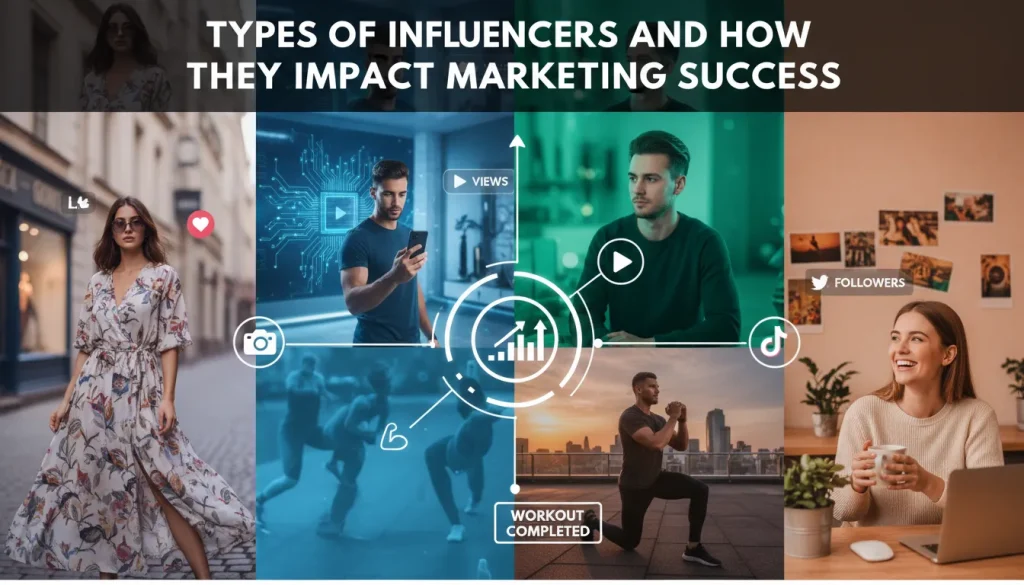
This guide explores every influencer tier, from nano to mega, and dives into premier content niches. You will discover actionable strategies for influencer partnerships, learn common mistakes to avoid, and see how aligning with the right creators maximizes your marketing ROI, content engagement, and brand growth. The focus on Types of Influencers ensures you gain clarity, strategic insight, and the ability to outperform your competition.
Struggling to find the right voices for your brand? Understanding the different Types of Influencers is essential to connecting with your audience and driving real sales across digital channels.
Understanding Influencer Tiers by Follower Count
When you build your influencer marketing strategy, the first crucial step is understanding the main Types of Influencers and how creators are categorized by audience size. Each tier offers unique benefits, from hyper-local engagement to massive global reach. The Types of Influencers you select will depend on your campaign objectives—awareness, conversions, or brand trust.
Nano-Influencers (1K–10K Followers)
Nano-influencers have the smallest follower counts, but they boast the highest engagement rates among all Types of Influencers. These creators often post about highly specific topics and maintain strong, personal relationships with their audiences. Because their followers view them as peers rather than celebrities, their recommendations feel incredibly authentic. The Types of Influencers you select at this level can deliver a big impact on a small budget.
- Best for: Local businesses, highly niche products, and brands with limited marketing budgets.
- Actionable Insight: Send nano-influencers free products in exchange for honest reviews to build organic buzz and kickstart your campaign. Consider including them in loyalty programs to maximize their effectiveness as Types of Influencers in your network.
Micro-Influencers (10K–100K Followers)
Micro-influencers strike the perfect balance between reach and engagement while representing some of the most effective Types of Influencers for savvy marketers and DTC brands. They have spent time cultivating a loyal community around a specific passion, such as vegan cooking or sustainable fashion. According to industry experts at Sprout Social, micro-influencers often deliver the best return on investment because their audiences trust their expertise.
- Best for: Mid-sized businesses looking to generate targeted leads and authentic user-generated content, especially in sectors like health, fashion, or food.
- Actionable Insight: Create an affiliate program designed for micro-influencers to drive measurable sales and maximize ROI. Leverage storytelling campaigns that highlight the Types of Influencers most aligned with your brand values.
Mid-Tier Influencers (50K–500K Followers)
Mid-tier influencers offer a powerful combination of professionalism and approachability in the Types of Influencers spectrum. They usually have experience working with brands, so they know how to create polished, high-quality content while still engaging directly with their followers.
- Best for: Brands looking to scale their campaigns without paying celebrity prices, especially for product launches or regional activations.
- Actionable Insight: Partner with mid-tier creators for brand ambassadorships and ongoing collaborations rather than limited, one-off posts. Look for Types of Influencers in this range who have shown consistency in content quality and engagement.
Macro-Influencers (100K–1M Followers)
When you need to reach a large audience quickly, macro-influencers are your best bet among the Types of Influencers. These individuals are often internet-famous content creators, vloggers, or industry leaders. While their engagement rates might be lower than micro-influencers, their overall reach in the Types of Influencers hierarchy is massive.
- Best for: Large product launches and major digital brand awareness campaigns where visibility is key.
- Actionable Insight: Use macro-influencers to create high-production-value content that you can repurpose across your owned media, paid ads, and web properties. Macro Types of Influencers can also be valuable as event hosts or guest speakers.
Mega-Influencers (1M+ Followers)
Mega-influencers are at the top of the Types of Influencers ladder, acting as the celebrities of the internet. They include actors, musicians, global YouTube personalities, or massive digital creators. Working with this tier requires a significant budget and often involves navigating talent agencies and complex contracts. However, a single post from a mega-influencer can put your product in front of millions of people instantly and drive explosive spikes in awareness.
- Best for: Global brands running massive awareness campaigns or those looking for cultural relevance through the highest-profile Types of Influencers.
- Actionable Insight: Ensure you have robust inventory and server capacity before a mega-influencer posts about your brand, as the sudden traffic spike can be overwhelming. Use mega Types of Influencers to amplify product launches, build FOMO, or quickly reach new markets.
Comparing Influencer Tiers
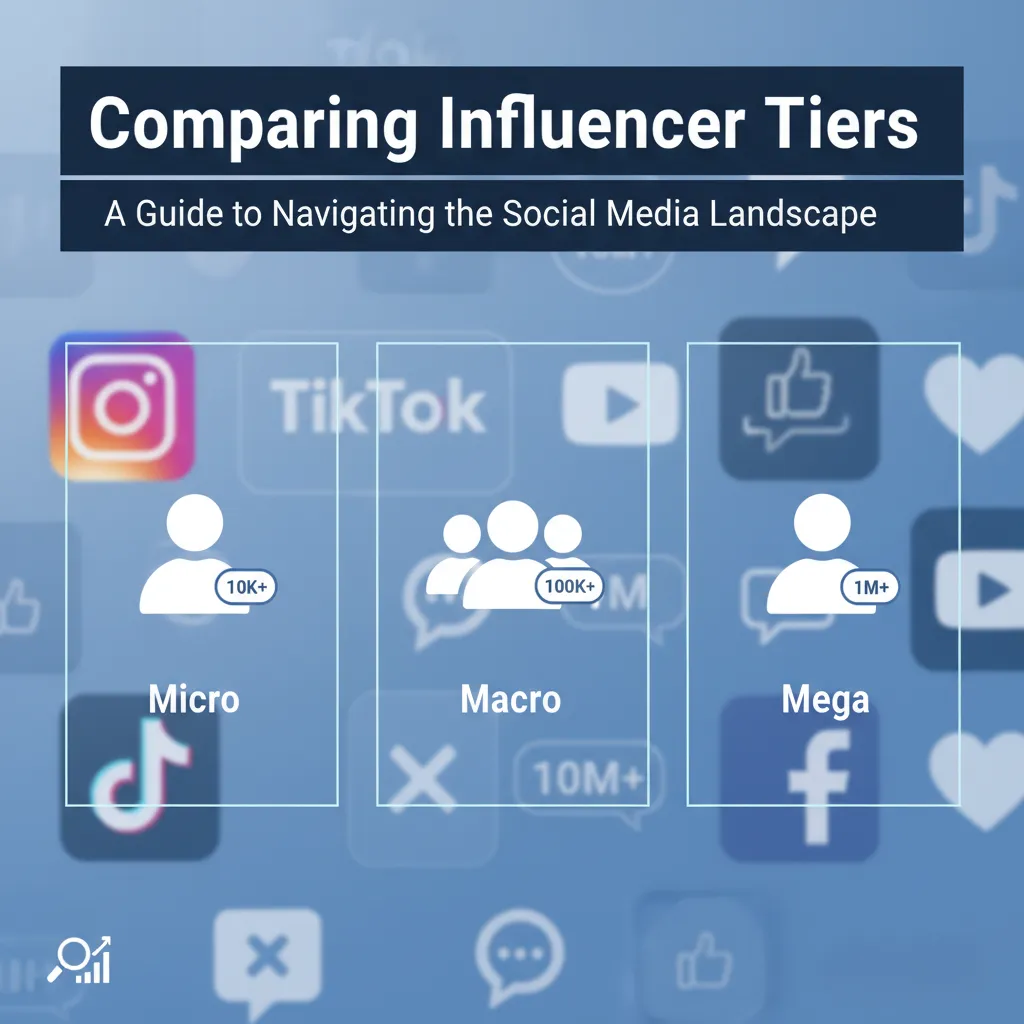
Use this structured comparison table to quickly determine which Types of Influencers align with your current marketing goals:
|
Influencer Tier |
Follower Count |
Engagement Rate |
Cost Level |
Primary Marketing Benefit |
|---|---|---|---|---|
|
Nano |
1K – 10K |
Very High |
Low |
Authentic trust and niche community building |
|
Micro |
10K – 100K |
High |
Low to Medium |
Targeted conversions and high ROI |
|
Mid-Tier |
50K – 500K |
Medium |
Medium |
Balance of professional content and reach |
|
Macro |
100K – 1M |
Low to Medium |
High |
Broad visibility and rapid brand awareness |
|
Mega |
1M+ |
Low |
Very High |
Massive global exposure and prestige |
When considering Types of Influencers, always balance reach with engagement and choose the partnership that best fits your campaign phase.
Exploring Influencer Niches and Industries
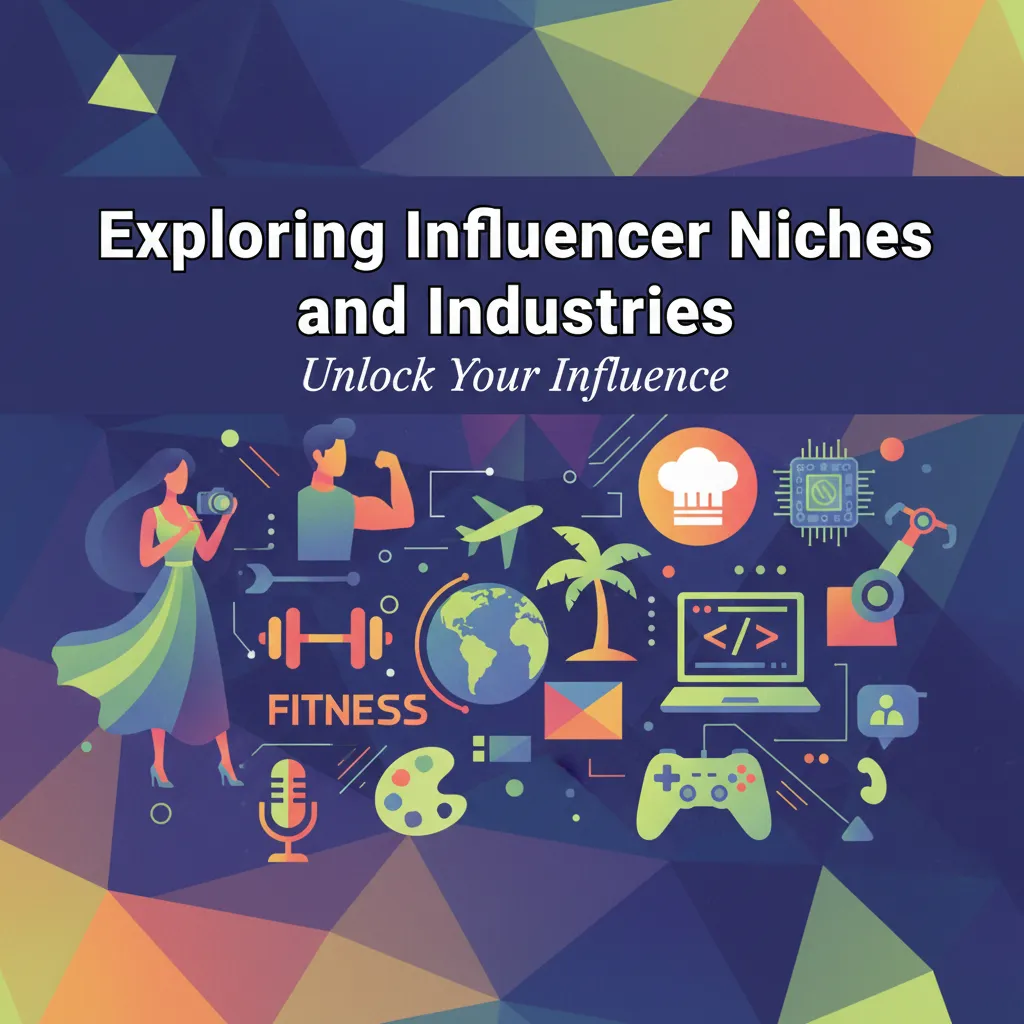
Beyond follower counts, it’s critical to evaluate Types of Influencers based on niche. The right creator will make your message relevant, authentic, and actionable for their dedicated audience. This is especially important as brand-influencer alignment boosts trust and conversions.
Fashion and Beauty
Fashion and beauty influencers are some of the most sought-after Types of Influencers. They thrive on platforms like Instagram and TikTok, setting trends, providing tutorials, and offering honest product reviews. Brands in beauty, skincare, or apparel should look for influencers whose values and styles align with their brand identity.
- Tip: Give creative control to these Types of Influencers to let them speak authentically about your product. Incorporate influencer-generated content into your paid campaigns for increased reach and trust.
Tech and Gadgets
Tech influencers specialize in unboxing, product demos, and deep tutorials. Their followers rely on them to explain complex topics simply. Types of Influencers in the tech arena are critical partners when launching gadgets, apps, or software solutions.
- Actionable Step: Host product comparison live streams and sponsored device reviews to reach a tech-savvy, discerning buyer segment. Use influencers for exclusive previews to build anticipation for your launch.
Gaming and Entertainment
Gaming influencers command enormous influence on Twitch, YouTube, and beyond. These Types of Influencers lead highly interactive communities with live gameplay, Q&A sessions, and behind-the-scenes content.
- Best Practices: Sponsor live streams, provide early access to games, or launch challenges with reward systems. These Types of Influencers are powerful for building hype and sustaining user interest—including in new and emerging genres.
Health and Fitness
Fitness creators inspire through workout videos, wellness tips, and healthy lifestyle content. Influencer Segments in this area must have genuine expertise or credentials in health and wellness to drive trust.
- Maximize Impact: Partner with trainers, nutritionists, or transformation storytellers who have loyal followings—leverage testimonials and long-term collaborations to maximize credibility.
Parenting, Food, Finance & More
Don’t overlook Types of Influencers in parenting, food, personal finance, and lifestyle. These trusted voices have deep emotional connections with followers and excel at storytelling, providing relatable and actionable advice.
- Marketing Insight: Choose creators whose life stage and audience mirror your primary customer demographic for highly targeted campaigns.
The Importance of Multi-Platform Influencer Strategies
In today’s landscape, the best-performing Types of Influencers are often platform-agnostic. By making appearances on Instagram, TikTok, YouTube, and even LinkedIn or X (Twitter), influencers multiply your brand’s reach and create available touchpoints for diverse audiences. Leverage multi-platform Influencer Segments to extend your brand’s presence and maintain relevance as digital trends evolve.
Influencer Impact on Marketing Success

Understanding how the Influencer Segments you choose can directly influence your campaign’s success is vital. Here’s how the right influencer tier and niche combine to drive results:
- Trust and Relatability: Nano and micro influencers have high trust, with followers more likely to take action based on recommendations.
- Awareness and Scale: Macro and mega Types of Influencers boost reach, foster rapid awareness, and can help build momentum for launches and events.
- Content Quality: Mid-tier and above Types of Influencers deliver professional content that elevates brand perception.
- Community Building: Types of Influencers who engage and respond to followers generate long-term loyalty for your brand.
Real-World Example
A sustainable apparel brand collaborated with a mix of nano and micro influencers, focusing on slow fashion and green living. Campaign performance surpassed expectations: 35% higher engagement rate and 18% sales increase versus macro-only strategies.
Common Mistakes to Avoid in Influencer Marketing
Even the most recognizable brands make errors. Here are the top mistakes to avoid when partnering with any type of influencer:
- Ignoring Engagement Rates: Don’t be dazzled by follower counts alone. As seen in multiple case studies, Influencer Segments with real engagement increase actual conversions.
- Overly Restrictive Campaign Briefs: Give Influencer Segments freedom to use their voice. Overly scripted messages often fall flat and reduce trust.
- Neglecting Compliance: Disclosure is critical for every collaboration. Review FTC guidance and reference best practices from Forbes.
- Short-Term Focus: Avoid focusing on single-post campaigns. Long-term relationships with Types of Influencers yield more organic results and deeper loyalty.
- Lack of Measurement: Always track KPIs specific to the Types of Influencers you work with, whether it’s engagement, reach, sales, or sentiment.
Pro Tips for Influencer Marketing Success
Elevate your Influencer Segments campaigns with these expert insights:
- Set SMART Goals: Define campaign-specific KPIs before outreach for optimal Influencer Segments activation.
- Leverage Social Proof: Repurpose influencer content across your website, ecommerce, or retargeting ads.
- Analyze Audience Data: Ensure the selected Influencer Segments’ followers align with your ideal buyer persona using demographic analytics.
- Negotiate Value Exchanges: Don’t underestimate barter deals; Influencer Segments often appreciate exclusive products or experiences alongside paid collaborations.
- Diversify Your Influencer Portfolio: Mix different Influencer Segments for each campaign phase—from seeding to splash launches to sustainers.
- Tap into Metrics: Use built-in analytics tools to monitor the performance of all your Influencer Segments and refine your strategy based on actionable data.
Conclusion
The right Influencer Segments elevate your brand from ordinary to extraordinary. By understanding and leveraging the full spectrum of Types of Influencers—from nano to mega, across every niche—you can accelerate your marketing success, generate authentic brand love, and reach your business objectives more efficiently. Remember: the secret to standout influencer marketing lies in aligning the Types of Influencers with your unique goals, platforms, and target audience. Don’t settle for generic campaigns; embrace a strategic mix of Types of Influencers and watch your digital presence and community flourish.
Ready to unlock your brand’s true marketing potential with the perfect Influencer Segments? Start planning your outreach, measure what matters, and grow your online footprint—one inspired partnership at a time.
FAQs
1. What is an influencer?
An influencer is an individual who has built a dedicated online following and has the power to affect the purchasing decisions of their audience due to their authority, knowledge, or relationship with their followers. Understanding the Types of Influencers helps brands target the right audiences.
2. How do I choose the right influencer for my brand?
Look at your campaign goals. If you want high engagement in a specific niche, choose nano or micro-influencers. If you need massive brand awareness quickly, look toward macro or mega Types of Influencers. Always ensure their audience demographics match your target customer.
3. What is a nano-influencer?
A nano-influencer has between 1,000 and 10,000 followers. They typically have a highly engaged, close-knit community and are excellent for hyper-local or highly specific niche marketing. These Influencer Segments are great for starting campaigns on a tight budget.
4. Are micro-influencers better than mega-influencers?
It depends on your goals. Micro-influencers generally offer higher engagement rates and better conversion rates at a lower cost. Mega Types of Influencers offer massive reach but often have lower engagement and cost significantly more.
5. How much should I pay an influencer?
Rates vary wildly based on the platform, the influencer’s follower count, engagement rate, and the type of content required (e.g., a simple photo vs. a fully produced YouTube video). Many nano and micro influencers will accept free products in exchange for posts.
6. What platforms are best for influencer marketing?
Instagram and TikTok are currently the most popular platforms for visual and lifestyle brands. YouTube is excellent for in-depth tech and gaming reviews, while LinkedIn is highly effective for B2B influencer marketing. Align the platform with the right Types of Influencers for best results.
7. How do I measure the ROI of an influencer campaign?
You can measure return on investment by tracking key performance indicators (KPIs) such as affiliate link clicks, custom promo code usage, total impressions, engagement rates, and direct sales generated during the campaign period. The Types of Influencers you select may influence the appropriate metrics.
8. Do influencers have to disclose sponsored posts?
Yes. In most countries, consumer protection agencies (like the FTC in the United States) require creators to clearly and conspicuously disclose when they have a financial relationship with a brand, usually using hashtags like #ad or #partner. This applies to all Types of Influencers.
9. Can small businesses afford influencer marketing?
Absolutely. Small businesses can successfully leverage nano and micro Types of Influencers by offering product trades or utilizing small affiliate commissions, making it a highly cost-effective marketing channel.
10. What is the biggest mistake brands make with influencers?
The most common mistake is treating an influencer like a traditional billboard. Brands that script every word stifle the creator’s natural voice, resulting in an advertisement that feels forced and fails to resonate with the audience. Let Types of Influencers communicate in their authentic style for the best results.
11. Should I focus on a single tier or use multiple Types of Influencers?
Utilizing multiple Types of Influencers amplifies reach, diversifies your messaging, and engages different segments of your target audience across campaign stages. Cross-collaborate for well-rounded marketing impact.
12. How do I integrate Types of Influencers with other marketing strategies?
Include influencer-generated content in email, website, and PPC efforts; reference influencers in PR campaigns; and use branded hashtags for campaign unity.
13. How do Types of Influencers differ by region?
Depending on geographic focus, Types of Influencers may vary in follower counts, engagement, and channel popularity. Hyper-local influencers are key for regional campaigns.
14. Can Types of Influencers help with crisis communications?
Yes—trusted Types of Influencers can act as advocates in reputation management, helping brands regain trust during challenging times.
15. What analytics tools help track performance by Types of Influencers?
Popular tools include Sprout Social, Hootsuite, and Google Analytics. Choose one that lets you segment data by Types of Influencers for actionable insights.
16. Are there compliance risks in different markets for Types of Influencers?
Every region has unique requirements about disclosure, advertising, and compensation. Review market regulations before launching campaigns with local Types of Influencers.
17. What’s next for Types of Influencers and influencer marketing?
Emerging trends such as AI-driven partnerships, micro-video, and voice influencers will shape the next generation of Types of Influencers. Stay updated via reputable sources like HubSpot and Launchmetrics to maintain your competitive edge.