Podcast Influencer Marketing: 7 Strategies to Grow Audience

In today’s digital landscape, podcast influencer marketing has emerged as one of the most effective ways to cut through the noise and grow a loyal listener base. With thousands of new episodes launching daily, standing out requires authentic endorsements from trusted voices who already engage your ideal audience. By collaborating with influencers, podcasters can tap into dedicated communities, amplify their show’s credibility, and drive sustainable growth. This year (2026), marketers and creators are leveraging data-driven strategies paired with compelling audio storytelling to reach highly targeted demographics.
In this comprehensive guide, we’ll walk you through every stage of a successful podcast influencer marketing campaign. We’ll begin by defining crystal-clear objectives and constructing listener personas based on verifiable data. Next, we’ll explore how to identify the right influencers—those with genuine authority, active engagement, and a listening audience that aligns with your niche. You’ll learn how to draft personalised proposals, experiment with diverse collaboration formats, and provide ready-to-use promotional assets that minimize friction. Along the way, we’ll reference authoritative research—such as the 2026 report from Pew Research Centre and demographic insights from the U.S. Census Bureau—to help you make informed decisions.
Whether you’re launching a brand-new podcast or seeking to accelerate an established program, the strategies outlined here will equip you to harness the full potential of podcast influencer marketing. Let’s dive in and transform your outreach into measurable success.
Define Your Goals and Understand Your Audience
Any successful podcast influencer marketing campaign begins with clearly articulated goals and a deep understanding of the audience you want to attract. Without this foundational clarity, even the most persuasive influencer activations can fall flat. Start by answering two critical questions: What outcome do you seek, and who exactly do you want to reach?
Articulating Your Objectives
Today, podcast creators set a variety of objectives, from boosting download counts and subscriber growth to driving website traffic or social engagement. Ask yourself whether you aim to increase total listens, encourage newsletter sign-ups, or generate buzz on social platforms. Document specific, measurable targets—such as a 25% lift in new subscribers over six weeks or a defined number of referral visits via unique URLs. Defining these benchmarks upfront lets you monitor performance and adjust tactics quickly.
Building Detailed Listener Personas
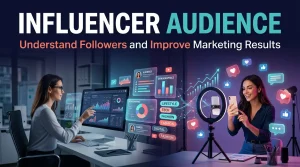
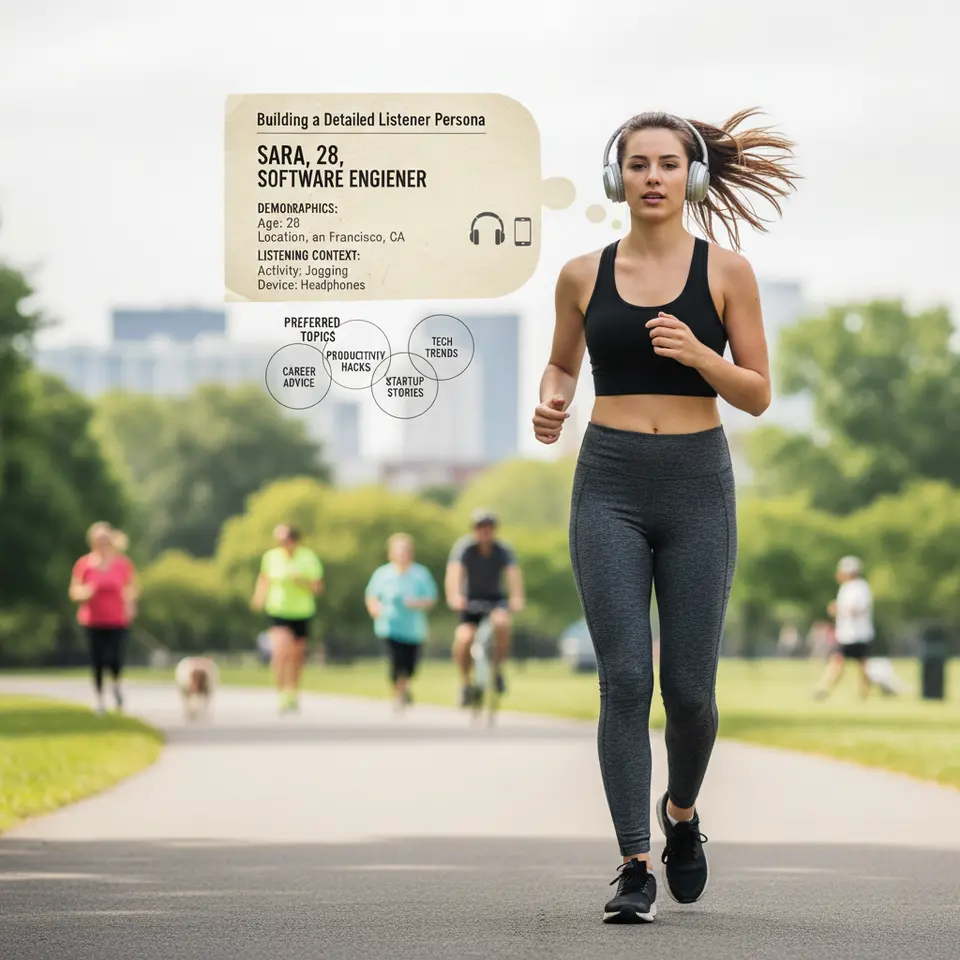
Next, dive into your existing analytics. Platforms like Spotify for Podcasters, Apple Podcasts Analytics, and Google Analytics reveal demographic breakdowns, listening habits, and device usage. Extract actionable data points—age ranges, geographic concentrations, preferred topics, and listening environments (commutes, workouts, etc.). With this information, craft detailed personas: for example, “Sara, a 28-year-old software engineer who listens during her morning run and seeks career-development advice.”
Aligning Influencer Audiences with Your Personas
Knowing precisely who you want to reach enables you to identify influencers whose followers mirror your ideal listener profile. This alignment ensures relevance and maximizes impact. For instance, if your show covers small-business finance, target micro-influencers who specialize in entrepreneurship education and demonstrate high engagement rates in comments and direct messages. By building a clear roadmap of goals and audience personas, you’ll streamline every subsequent step of your podcast influencer marketing campaign.
Finding the Perfect Influencer Fit
With objectives and audience personas in place, the next step in your podcast influencer marketing journey is identifying creators who can authentically champion your show. Not every influencer will move the needle—seek out those who combine niche relevance, genuine engagement, and proven audio expertise.
Evaluating Niche Relevance and Authenticity
First, focus on relevance. Search for influencers who consistently discuss themes related to your podcast’s core topics, whether entrepreneurship, wellness, or emerging technologies. Tools like BuzzSumo and Upfluence allow you to filter potential partners by category, engagement metrics, and audience demographics. At the same time, conduct manual research on social channels and podcast directories to unearth micro- and nano-influencers. These creators often maintain tight-knit communities with high trust levels, making their endorsements more persuasive.
Assessing Engagement Over Follower Counts
In today’s environment, a large following doesn’t always equate to influence. Instead, prioritize engagement rates—look for consistent comment threads, shares, and audience interactions. An influencer with 10,000 highly engaged audience members can deliver more value than one with 100,000 passive followers. Use platforms like Heepsy or native analytics (Instagram Insights, Twitter Analytics) to gauge authentic engagement.
Verifying Audio Experience and Production Quality
Since your campaign centers on audio storytelling, it’s crucial to partner with influencers who demonstrate discipline in recording and editing. Review their past podcast appearances or their own series. Evaluate sound quality, pacing, and their ability to weave in sponsorships organically. A polished ad read that aligns with your brand voice will resonate far better than a generic shout-out.
Shortlisting and Outreach Preparation
Finally, compile a shortlist of three to five influencers whose audiences closely mirror your personas and whose content style complements your own. Document key metrics—average downloads per episode, social media engagement rates, and audience demographics. This data will inform your outreach proposals and ensure you select partners poised to deliver strong ROI.
Creating Compelling Partnership Proposals
The difference between a declined invitation and a fruitful collaboration often lies in how well you craft your proposal. A personalized, concise, and transparent pitch demonstrates respect for the influencer’s time and lays the groundwork for mutual success in your podcast influencer marketing efforts.
Personalization and Research
Before drafting your proposal, immerse yourself in the influencer’s work. Reference specific episodes, guests, or moments that resonated with you. This signals genuine interest and reassures the influencer you’re not sending a boilerplate email. For example: “Your discussion on remote team-building in Episode 12 inspired our team’s recent workflow overhaul. We believe our show’s insights on leadership alignment would be a valuable extension for your audience.”
Presenting Your Value Proposition
Next, concisely introduce your podcast. Highlight your unique angle, listener growth stats, and any notable achievements (e.g., top-ranked in a category, media mentions). Frame how this collaboration benefits both parties: your audience gains expert insights, while the influencer reaches a new segment of potential fans. Clarity here boosts the influencer’s confidence in recommending your show.
Outlining Deliverables and Compensation
Clearly define the scope of work: episode mentions, social media posts, dedicated ads, or guest interviews. Specify formats (audio ad-read vs. live mention), required platforms, and expected timelines. Be upfront about compensation structures—whether it’s a flat fee, performance-based commission via unique URLs, or a cross-promotion swap. Transparent terms reduce back-and-forth and help forge smoother partnerships.
Next Steps and Timeline
Wrap up your proposal by inviting questions and offering a clear call to action. Provide a brief timeline for review, production, and launch. A sample closing might read: “If you’re interested, I’d love to schedule a 15-minute call next week to discuss details and lock in dates.” This structured approach to outreach sets expectations and accelerates decision-making.
Leveraging Diverse Cooperation Strategies

Diversifying how you collaborate can unlock new audience segments and sustain listener interest. Rather than relying on a single promotion type, combine formats that play to both your strengths and the influencer’s preferences.
Guest Interviews and Co-Hosting Specials
Inviting an influencer onto your show as a guest or co-host is one of the most powerful ways to tap into their network. Their appearance lends third-party credibility, and they’re likely to share the episode across their channels. Consider limited-run miniseries or themed specials co-hosted by you and the influencer—this format encourages binge listening and social sharing.
Host Takeovers and Live Sessions
Allow influencers to temporarily manage your social media stories or livestream sessions. A day in the life of your podcast behind the scenes, hosted by the influencer, provides fresh content and drives audience engagement. These takeovers can include question-and-answer segments, teaser clips, and exclusive announcements.
Authentic Mention Sponsorships
When influencers record ad-read segments, authenticity is key. Encourage them to weave your message into personal anecdotes or relevant stories. A genuine endorsement—“I’ve been listening to XYZ podcast every week because it helps me navigate startup challenges”—resonates far better than a scripted copy.
Audiograms and Social Snippets
Short, 15–30 second audiograms featuring compelling soundbites can be cross-posted by both parties. Pair these clips with captivating imagery and clear calls to action. Getting influencers to share swipe-up links or include URLs in their bios makes it easy for their followers to hit “play” immediately.
Optimizing Promotional Assets
Providing on-brand, high-quality assets reduces friction for influencers and ensures visual consistency across platforms. Well-designed materials also enhance shareability and maintain professional standards.
Pre-Written Copy and Hashtags
Draft ready-to-use social media captions that include your focus keyword, event dates, and a clear call to action. Suggest relevant hashtags—both branded (#YourPodcastName) and popular (#PodcastRecommendations, #PodcastInfluencerMarketing). This guidance saves influencers time and promotes consistency.
High-Resolution Cover Art and Banners
Supply episode cover images sized for Instagram, Facebook, and LinkedIn. Make sure they feature clear typography, your logo, and an eye-catching visual motif. Providing multiple sizes (square, landscape, vertical) ensures the influencer can post on any platform without cropping issues.
Audiograms and Teaser Clips
Create 15–30 second audiograms highlighting your most compelling soundbites. Use waveform animations, branded colors, and subtitles. Host these files on a shared drive or asset manager so influencers can access them instantly.
Dedicated Landing Pages and UTM-Tagged Links
Build a focused landing page for each influencer campaign, optimized for mobile and desktop. Incorporate concise episode descriptions, subscription buttons, and social share options. Generate UTM-tagged URLs to accurately track referral traffic and conversions within Google Analytics or your CRM.
Frequently Asked Questions
What metrics should I track to measure the success of my podcast influencer marketing campaign?
Focus on metrics that align with your goals—download counts, subscriber growth, unique referral clicks, and social engagement rates. Use UTM-tagged URLs to monitor traffic sources and Google Analytics or your podcast hosting analytics to track conversions and listener behaviour over time.
How do I find relevant micro-influencers in my niche?
Combine tools like BuzzSumo, Upfluence, and Heepsy with manual searches on social media and podcast directories. Look for creators who consistently discuss your core topics and maintain high engagement rates, even if their follower counts are modest.
What’s an appropriate budget for influencer compensation?
Budget depends on influencer reach, engagement, and content quality. Nano- and micro-influencers typically charge lower flat fees or accept performance-based commissions, while larger creators may require higher rates. Define your budget per deliverable and consider testing with smaller partners first.
How can I ensure influencers maintain my brand voice when promoting my podcast?
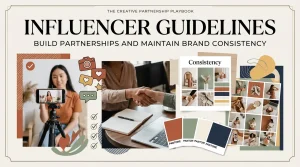
Provide clear style guidelines and sample scripts, but allow creative freedom. Share your podcast’s tone, key messages, and preferred call to action. Review drafts or run test segments to ensure alignment before the final recording.
Conclusion
Podcast influencer marketing presents a dynamic, data-driven opportunity to elevate your show’s visibility and build authentic connections with new listeners. By beginning with clear goals and well-defined audience personas, you ensure every partnership aligns with your growth objectives. Carefully vet influencers for niche relevance, engagement quality, and audio expertise, then present personalized proposals that lay out deliverables and compensation transparently. Experiment with a mix of guest interviews, host takeovers, and authentic mention sponsorships, supported by professionally designed promotional assets. Throughout your campaign, leverage UTM-tracked links, listener surveys, and platform analytics to measure performance and refine your approach.
In today’s crowded podcast ecosystem, authenticity and data go hand in hand. Start small with micro-influencers, test multiple formats, and iterate based on real-time feedback. With clear communication, respect for creative freedom, and a focus on measurable outcomes, your podcast influencer marketing efforts will yield sustainable growth in 2026 and beyond.