Influencer Marketing Compliance: Legal and Ethical Guidelines
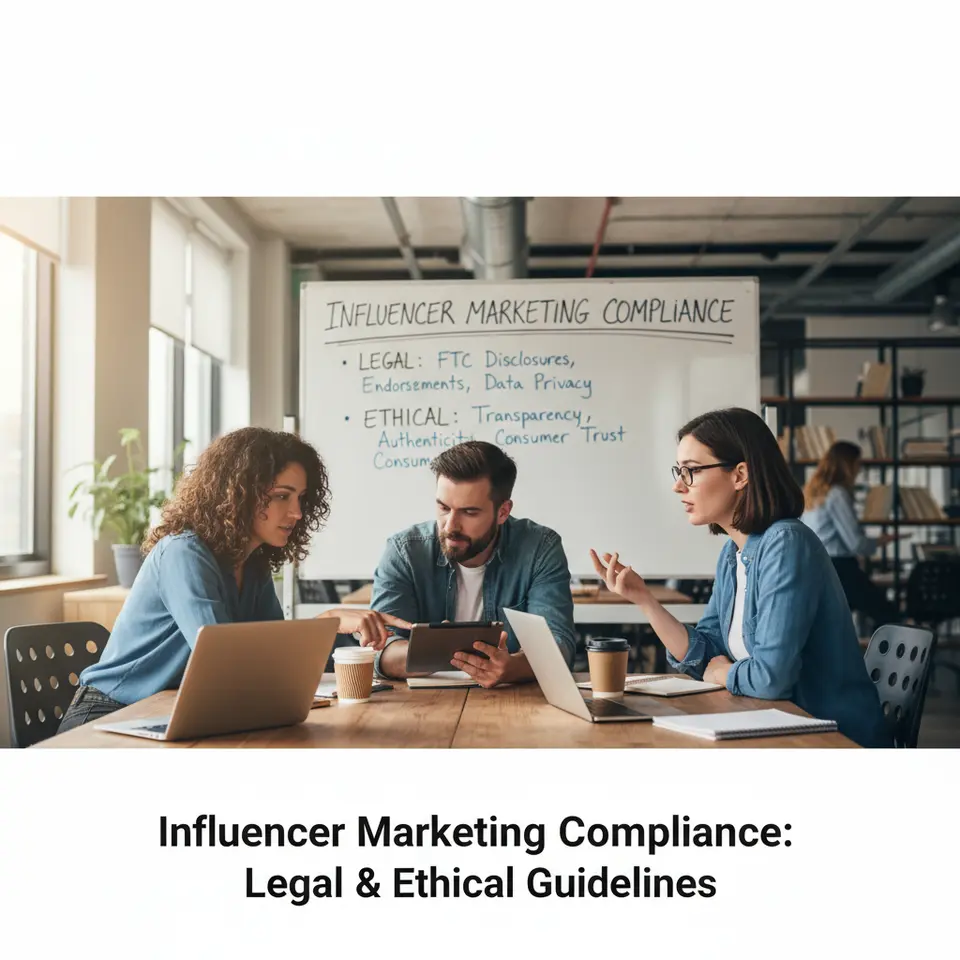
In today’s digital landscape, influencer partnerships have revolutionized the way brands communicate with consumers. By leveraging authentic voices, companies can tap into engaged audiences and generate genuine interest in their products or services. Yet, as the popularity of influencer campaigns surges, so does regulatory scrutiny. Ensuring Influencer Marketing Compliance is not only a legal requirement but also a strategic advantage that fosters transparency and trust.
Currently, global authorities are tightening guidelines to protect consumers from misleading content. Ignoring these rules can expose brands and influencers to fines, negative publicity, or legal challenges. This article will guide you through critical compliance considerations, from understanding key legal frameworks and crafting clear disclosures to establishing robust contracts and ongoing monitoring. By embracing ethical best practices and staying aligned with the latest standards, you’ll be well-equipped to navigate influencer collaborations responsibly in 2026.
Understanding the Importance of Compliance
Protecting Brand Reputation
Maintaining a trustworthy image is paramount. When influencers transparently disclose paid partnerships, audiences perceive endorsements as credible, leading to higher engagement rates and stronger brand loyalty. Conversely, hidden sponsorships can erode trust long-term, causing customer attrition and damaging brand equity.
Meeting Regulatory Expectations
Regulatory bodies worldwide have implemented clear mandates for influencer advertising. For instance, the Federal Trade Commission (FTC) in the USA and the Competition and Markets Authority (CMA) in the UK require prominent disclosure of material connections. Failure to comply carries financial penalties and can trigger enforcement actions, which are costly in both fines and reputation.
Enhancing Consumer Confidence
Consumers today are savvy—they value honesty and authenticity. Demonstrating a commitment to transparency through clear hashtags or on-screen labels reassures audiences that recommendations are genuine. This transparency drives purchase intent and cultivates long-term advocacy.
Minimizing Legal Risk
Beyond fines, noncompliance can result in lawsuits, forced content removal, or regulatory injunctions. By proactively embedding compliance into your influencer strategy, you mitigate these risks and protect your marketing investment.
Key Legal Frameworks Shaping Influencer Collaborations

Federal Trade Commission (FTC) Guidelines
In 2026, the FTC continues to mandate that any sponsored content must be clearly identified. Influencers must place disclosures such as “#ad” or “#sponsored” at the beginning of captions. Misleading formats, hidden hashtags, or ambiguous language can incur penalties. Brands are jointly responsible for ensuring influencers adhere to these guidelines.
EU Data Protection and Privacy Rules
The EU Data Protection rules, including the GDPR, govern personal data handling in campaigns that collect user information via giveaways, contests, or email sign-ups. Marketers must obtain explicit consent, detail processing purposes, and enable data subjects to exercise rights such as access or deletion.
United Kingdom’s Competition and Markets Authority (CMA)
The CMA enforces clear disclosure of sponsored relationships. Its guidance requires that any form of remuneration—monetary or in-kind—be conspicuous to avoid misleading viewers. Failures can lead to public warnings or case referrals to the courts.
Advertising Standards Authority (ASA) Oversight
The ASA in multiple jurisdictions upholds truthfulness in promotional messages. Its codes stipulate that both text and visual media must not distort product claims. Influencers should avoid superlatives or guarantees that cannot be substantiated.
ePrivacy Directive Considerations
When digital campaigns employ cookies or direct email outreach, the ePrivacy Directive mandates user consent for tracking and communications. Sound compliance requires cookie banners, privacy notices, and easy opt-out mechanisms.
Strategies for Transparent Disclosures
Choosing the Right Disclosure Format
Different platforms demand tailored approaches. On Instagram, use “#ad” or “#sponsored” at the very start of a caption. For TikTok or Snapchat Stories, incorporate on-screen text that remains visible for the duration of viewing.
Crafting Clear and Unambiguous Language
Avoid vague phrases like “thanks to” or “partnered with.” Instead, state “Paid partnership with BrandX” or “This post is sponsored by BrandX.” Clear terminology eliminates confusion and aligns with regulatory expectations.
Maintaining Consistency Across Channels
If content is syndicated to multiple platforms—blogs, newsletters, or social media—ensure disclosures are equally prominent in each context. Uniform labeling prevents regulatory gaps and maintains audience clarity.
Visual Best Practices
Use contrasting colors or bold text for on-screen labels to enhance readability. Position disclosures near the product shot or influencer’s commentary, rather than buried at the end of a story slide.
Educating Influencers
Offer training sessions or style guides that outline disclosure rules. Providing templates or examples helps creators understand expectations and significantly reduces errors.
Developing Comprehensive Contracts

Defining Deliverables and Scope
A well-crafted agreement should detail every aspect of the campaign: number of posts, content types (stories, reels, blogs), posting schedule, and platform specifications. Clarity prevents misunderstandings and scope creep.
Embedding Disclosure Clauses
Include explicit mandates requiring influencers to use designated hashtags or labels. Reference specific regulatory standards—FTC, CMA, ASA—to ensure contractual obligations align with legal requirements.
Outlining Intellectual Property Rights
Clarify ownership of photos, videos, and text after publication. Specify whether the brand may reuse or repurpose content in paid ads, website galleries, or other marketing collateral.
Addressing Data Collection and Privacy
If the influencer will handle user data—for contests, surveys, or sign-ups—mandate compliance with GDPR or applicable local laws. Require influencers to adopt secure data storage practices and facilitate user opt-out.
Specifying Termination and Penalties
Define breach scenarios, such as failing to disclose sponsorship or deviating from brand guidelines. Outline penalties including content removal, fee deductions, or contract termination. Clear repercussions deter noncompliance.
Ensuring Ongoing Oversight and Ethical Standards
Pre-Approval Workflows
Before going live, require draft submissions for legal and brand review. This step ensures all disclosures, claims, and imagery adhere to regulatory and ethical benchmarks. A standardized checklist streamlines this process.
Real-Time Monitoring
Use social-listening tools or compliance dashboards to track influencer posts as they appear. Immediate detection of missing disclosures allows for prompt corrective action, minimizing exposure.
Post-Campaign Audits
After campaign conclusion, perform a thorough audit of all published content. Document any breaches or inconsistencies and reconcile them with contractual obligations. Reporting these findings supports continuous improvement.
Applying Ethical Principles
Beyond legal mandates, strive for authenticity. Encourage influencers to incorporate personal anecdotes or honest appraisals. Partner with diverse creators to reflect inclusive perspectives, and consider environmental or social causes to strengthen campaign impact.
Transparency in Reporting
Publish performance metrics and compliance summaries in quarterly or annual reports. Demonstrating accountability to stakeholders—customers, investors, regulators—reinforces trust in your brand’s commitment to responsible marketing.
AI-Driven Compliance Monitoring in Influencer Campaigns
Artificial intelligence tools are now widely used to detect missing disclosures, misleading claims, and risky content in real time. Brands can automate monitoring across platforms, reducing manual workload while improving accuracy and ensuring influencer posts remain compliant at scale.
Micro-Influencer Risk Assessment & Vetting
Micro-influencers often have highly engaged audiences, but compliance risks can vary widely. Brands should evaluate past content history, disclosure habits, audience authenticity, and niche credibility before onboarding them to reduce reputational and regulatory risks.
Cross-Border Influencer Legal Challenges
Global campaigns must navigate multiple legal systems simultaneously. What is compliant in one country may violate rules in another. Brands should align campaigns with the strictest applicable regulations to avoid penalties and ensure consistency across markets.
Disclosure Design Psychology for Higher Transparency
How disclosures are presented matters as much as their presence. Clear positioning, readable fonts, and early placement in captions increase audience awareness. Psychological clarity improves trust and reduces confusion about sponsored content.
Crisis Management for Non-Compliance Violations
When influencers fail to disclose properly, immediate corrective actions are essential. Brands should have crisis protocols that include post removal requests, public clarification statements, and internal audits to minimize reputational damage and regulatory escalation.
Performance Metrics Linked with Compliance Scores
Modern campaigns now integrate compliance scoring into performance dashboards. Influencers can be evaluated not only on engagement but also on disclosure accuracy, content transparency, and regulatory adherence, ensuring ethical marketing is rewarded alongside reach and conversions.
Frequently Asked Questions
1. What is influencer marketing compliance?
It refers to following legal and ethical rules when working with influencers, including proper disclosures, truthful advertising, and adherence to global regulations like FTC, CMA, and GDPR standards.
2. Why is disclosure important in influencer marketing?
Disclosure ensures audiences clearly understand when content is sponsored. It builds trust, prevents misleading advertising, and helps brands and influencers avoid fines or legal actions from regulators.
3. What happens if influencers fail to disclose ads?
Failure to disclose can lead to penalties, content takedowns, legal warnings, brand reputation damage, and in severe cases, financial fines from regulatory authorities such as the FTC or CMA.
4. Who is responsible for compliance—brand or influencer?
Both are responsible. Brands must ensure contracts and guidelines are clear, while influencers must properly label sponsored content and follow all agreed compliance requirements.
5. What are best practices for influencer disclosures?
Use clear hashtags like #ad or #sponsored, place disclosures at the beginning of captions, avoid vague language, and ensure visibility across all platforms and formats.
6. How do contracts support compliance?
Contracts define responsibilities, disclosure rules, content approval processes, penalties for violations, and legal obligations, ensuring both parties understand compliance expectations clearly.
7. Do compliance rules differ by country?
Yes. Different countries have different regulations. For example, the FTC governs the US, CMA regulates the UK, and GDPR affects data usage in the EU. Brands must adapt accordingly.
8. How can brands monitor influencer compliance?
Brands can use real-time monitoring tools, pre-approval workflows, compliance checklists, and post-campaign audits to ensure all influencer content meets legal standards.
9. What is the role of ethics in influencer marketing?
Ethics go beyond legal compliance. They include honesty, authenticity, fair representation of products, and responsible content creation that respects audience trust.
10. How can non-compliance risks be reduced?
Risks can be reduced through proper training, strict contracts, continuous monitoring, AI tools, and selecting influencers with a strong history of transparent and ethical content.
Conclusion
Influencer Marketing Compliance is a dynamic and evolving discipline that intersects legal requirements with ethical best practices. By understanding core regulations, implementing clear disclosures, drafting detailed contracts, and maintaining vigilant oversight, brands and influencers can collaborate effectively while minimizing risk. In today’s marketplace, transparency not only satisfies regulatory bodies but also resonates deeply with consumers who value honesty. Incorporate these guidelines into your influencer campaigns this year (2026) to foster sustainable partnerships, uphold brand integrity, and achieve measurable business results with confidence.