AI-Powered Influencer Marketing Strategy Guide

In today’s digital landscape, brands are leveraging advanced technologies to engage audiences more effectively than ever before. Central to this evolution is the emergence of AI-powered influencer marketing as a transformative force. By combining the precision of machine learning with the authenticity of social creators, businesses can establish meaningful connections, amplify brand messages, and drive tangible results. This year (2026), organizations that harness AI-driven tools to identify ideal ambassadors, tailor outreach, and optimize every campaign stage will gain a distinct advantage in a crowded marketplace.
As consumer expectations shift toward personalized, trust-based experiences, combining AI with influencer partnerships gives us greater scale and insight. Marketers can analyze vast volumes of social data in seconds, predict content performance, and automate repetitive workflows—freeing strategists to focus on creative direction and relationship building. In this comprehensive guide, we explore how AI-powered influencer marketing reshapes strategy, discovery, execution, measurement, and ethical considerations. Readers will learn actionable approaches for defining clear goals, selecting the right platforms, vetting collaborators, crafting dynamic campaigns, and maximizing ROI. Along the way, we’ll reference leading authorities such as the National Institutes of Health and NASA to underscore research-driven best practices.
Whether you are a seasoned digital marketer or a brand-new entrant, this article will equip you with the principles and frameworks needed to integrate AI at every turn of your influencer initiatives. By the end, you will be prepared to deploy an AI-powered influencer marketing strategy that elevates engagement, enhances authenticity, and delivers measurable value.
Emergence of Machine Intelligence in Influencer Collaboration
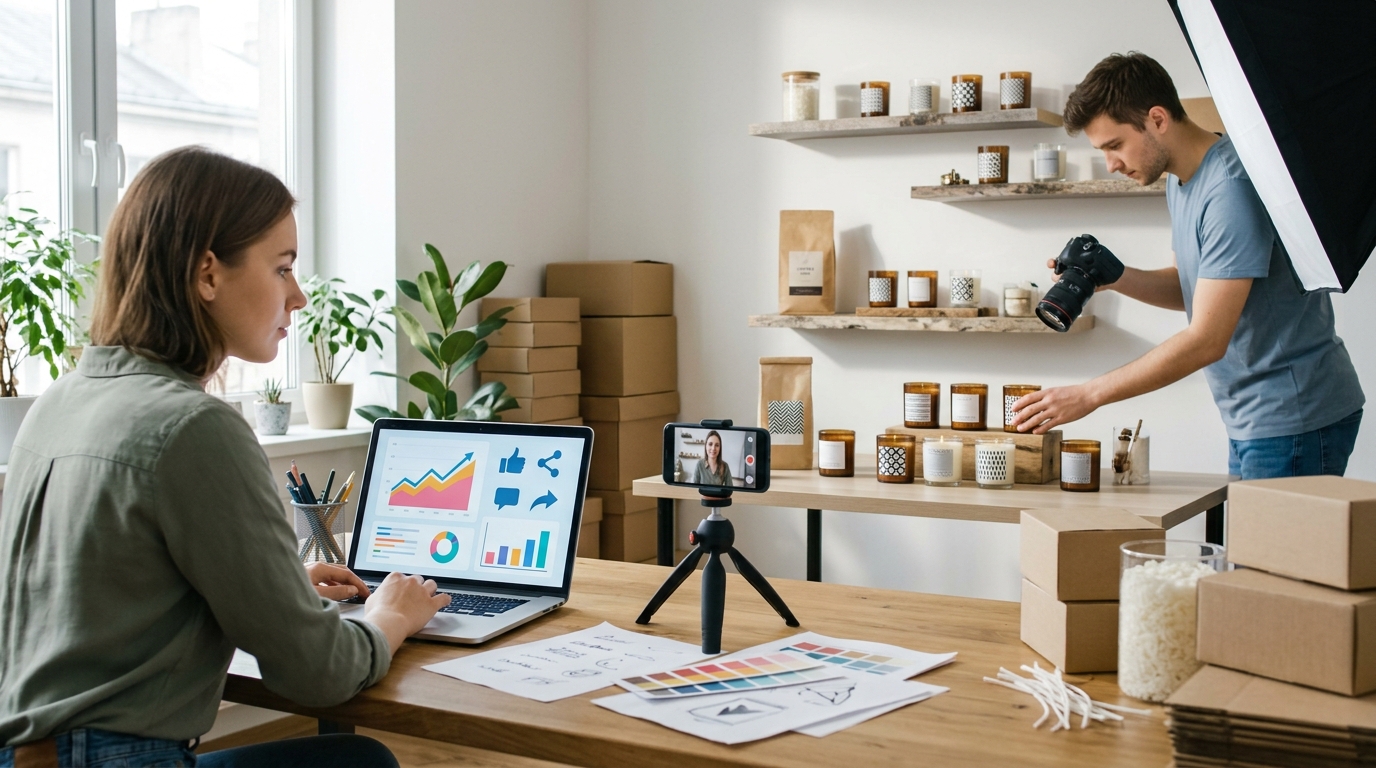
In the past, identifying the right social creators required manual outreach, spreadsheets, and gut instinct. Today, AI-powered influencer marketing tools have revolutionized this process by crunching millions of data points across platforms such as Instagram, TikTok, and YouTube. Natural Language Processing (NLP) algorithms evaluate captions, comments, and sentiment to surface creators who align with brand voice and audience interests. Computer vision models assess visual quality, context, and brand safety, ensuring that selected influencers produce on-brand imagery free from conflicting products or controversial symbols.
Predictive analytics play a vital role in forecasting potential engagement rates, conversion likelihood, and content resonance. By modeling historical campaign data alongside industry benchmarks, these systems estimate return on investment before a single post goes live. A recommendation engine then matches brands with micro, nano, or macro influencers whose follower demographics, interests, and engagement patterns harmonize with campaign objectives.
Furthermore, AI dramatically accelerates the discovery phase. What once took weeks of manual research can now be completed in minutes. Automated dashboards present side-by-side comparisons of key metrics—audience overlap, authentic interaction score, average engagement rate, and cost-per-engaged-user. These insights empower marketers to build more diverse, targeted influencer lineups and negotiate partnerships based on data rather than assumptions.
Importantly, while machine intelligence drives efficiency and precision, human expertise remains essential. Marketers interpret AI recommendations, nurture personal relationships with creators, and infuse campaigns with cultural nuance and creativity. By balancing algorithmic insights with strategic judgment, brands can achieve an ideal blend of scale and authenticity in their AI-powered influencer marketing initiatives.
Crafting a Structured AI-Driven Strategy
Successful AI-powered influencer marketing starts with a well-defined framework. First, establish clear objectives aligned with organizational goals. Do you aim to boost brand awareness, drive website traffic, generate leads, or increase direct sales? Each goal demands specific KPIs—engagement rate, click-through ratio, conversion value, sentiment uplift, or cost-per-acquisition. By articulating quantifiable targets, you can configure AI tools to track performance accurately and provide actionable alerts.
Next, assemble a centralized dataset. Consolidate historical campaign metrics, audience demographics, past content performance, and influencer profiles into a unified platform. A robust data foundation enables machine learning models to detect patterns, segment audiences effectively, and produce reliable predictions. Consider integrating first-party data from your customer relationship management (CRM) system with social analytics to gain a 360-degree view of consumer behavior.
Selecting the right AI solution is critical. Seek a platform that offers advanced influencer discovery powered by deep learning, real-time monitoring with customizable dashboards, and automated reporting that includes predictive ROI modeling. Ensure it provides ethical screening features to flag potential brand-safety risks. Evaluating vendor case studies, requesting live demos, and reviewing third-party research from institutions such as the U.S. National Institutes of Health (https://www.nih.gov) can guide your decision.
Even the most sophisticated AI requires human guidance. Assemble a cross-functional team that combines marketing strategists, data analysts, and creative leads. Train team members on AI fundamentals—algorithmic biases, data privacy regulations, and model interpretability. Regularly audit AI recommendations for fairness and alignment with brand values. Finally, pilot your approach with a small-scale campaign to validate assumptions, refine workflows, and build internal confidence before scaling across the enterprise.
Data-Driven Discovery and Rigorous Vetting
Discovering and validating social creators is the heart of AI-powered influencer marketing. Automated discovery engines crawl diverse platforms to index influencers by factors such as follower demographics, content themes, engagement consistency, and authenticity scores. Advanced filters enable you to refine searches by niche interest, geographic region, audience age bracket, and language. This precision ensures you identify not only high-follower-count personalities but also micro and nano influencers whose smaller yet engaged communities deliver exceptional resonance.
Audience overlap analysis is another vital capability. Machine learning algorithms calculate the degree to which an influencer’s followers intersect with your existing customer base. Minimizing audience redundancy prevents wasted budget and maximizes incremental reach. Likewise, fraud detection modules monitor for anomalies—sudden spikes in followers, bot-driven likes, or engagement pods. By automatically flagging suspicious activity, AI safeguards your brand from costly partnerships with inauthentic creators.
Computer vision enhances brand safety by analyzing imagery for undesirable elements—competing logos, controversial symbols, or misleading product placements. When paired with NLP sentiment analysis, these tools ensure that influencers maintain a positive, on-brand narrative. Rigorous vetting also involves manual review: experienced marketers validate AI findings by examining influencer multimedia portfolios, tone, and audience comments. This dual-layer approach—algorithmic screening followed by human assessment—guarantees that chosen partners reflect your brand ethos while delivering measurable impact.
Designing Dynamic, AI-Enhanced Campaigns
After selecting influencers, AI-powered influencer marketing tools drive campaign execution through personalized creative guidance and predictive insights. NLP engines analyze each creator’s style, past performance, and audience preferences to recommend optimal tone, messaging, and calls to action. By delivering customized creative briefs, brands empower influencers to produce content that resonates authentically with their followers.
Predictive performance models simulate how different content formats—static posts, Stories, Reels, long-form videos—are likely to perform within targeted segments. These forecasts inform budget allocation decisions, allowing you to invest more heavily in assets with the highest projected engagement or conversion rates. This dynamic approach contrasts with traditional static media buys by enabling real-time flexibility and continuous refinement.
During campaign rollout, AI dashboards provide real-time KPI monitoring. Automated alerts notify you when engagement dips, sentiment shifts, or competitors initiate overlapping promotions. With this intelligence, you can adjust posting schedules, tweak creative elements, or reallocate spend instantly. For example, if a video tutorial outperforms a static image by 30%, you might boost its ad placement mid-campaign to capitalize on momentum.
Integration with e-commerce platforms and chatbots—powered by AI conversational agents—further enhances the customer journey. Shoppable posts and automated assistants can offer personalized recommendations based on influencer endorsements, effectively reducing friction between inspiration and purchase. This seamless fusion of social influence and AI-driven commerce elevates both user experience and conversion potential.
Measuring Impact and Maximizing ROI
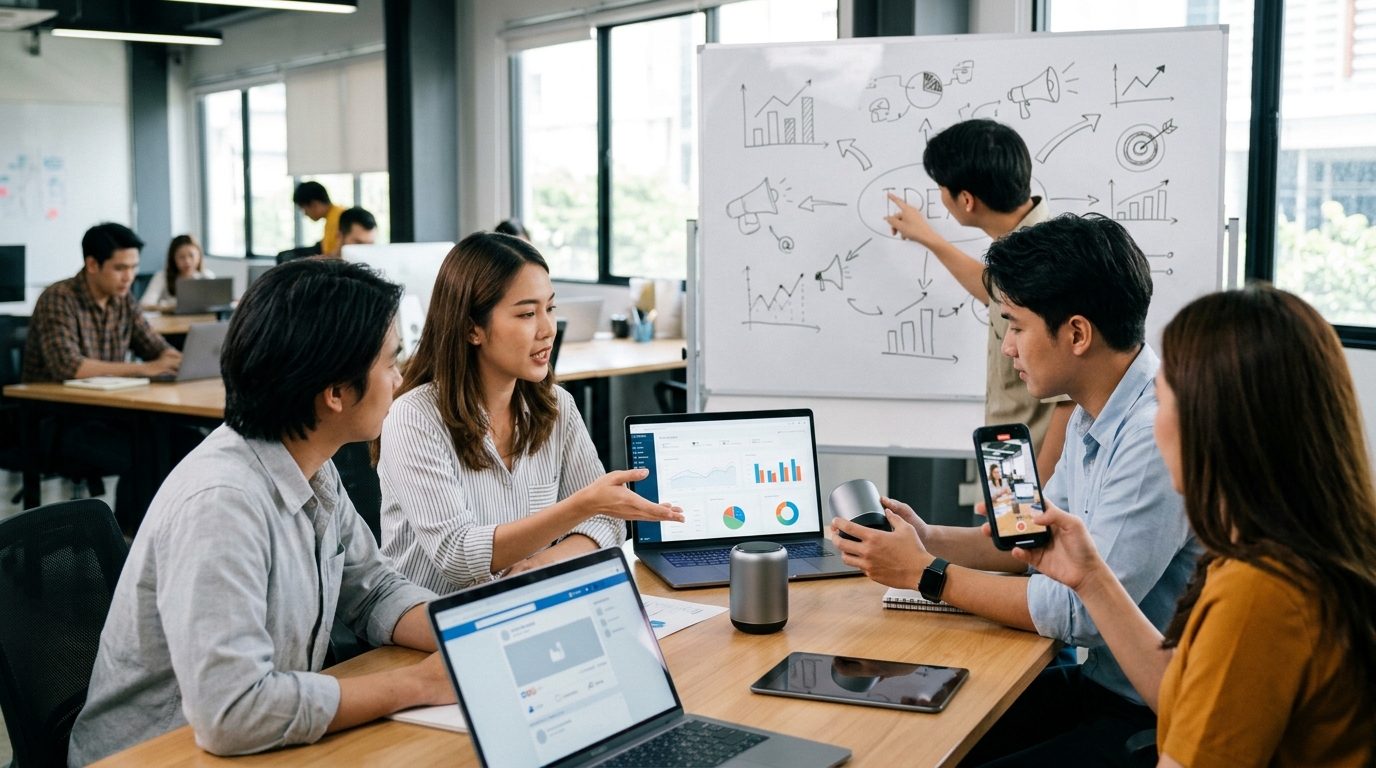
One of the most compelling advantages of AI-powered influencer marketing is the ability to tie activities directly to business outcomes. Traditional reporting often arrives days—or even weeks—after campaign conclusion. In contrast, AI automates data collection and unifies multi-channel touchpoints within advanced attribution models. These frameworks credit influencer interactions across the customer journey, from initial awareness through conversion and repeat purchase.
Sentiment analysis tools quantifiably measure brand lift by tracking shifts in public perception across social channels. AI correlates positive sentiment spikes with specific influencer posts, revealing which narratives and personalities drive the strongest emotional response. By linking sentiment data with revenue attribution, marketers gain a holistic understanding of campaign efficacy.
Machine learning also offers budget reallocation recommendations through continuous simulation. Algorithms test various funding scenarios, suggesting adjustments—such as shifting resources from underperforming influencers toward top-tier advocates—to maximize return on ad spend. These feedback loops ensure each marketing dollar works harder and smarter.
Regular performance reviews, supported by AI-generated dashboards, foster a culture of data-driven optimization. Teams can hold weekly stand-ups to review automated insights, celebrate successes, and troubleshoot low-performing segments. This agile methodology accelerates learning and drives sustained improvements across subsequent influencer initiatives.
Frequently Asked Questions
1. What is AI-powered influencer marketing?
AI-powered influencer marketing combines artificial intelligence technologies such as machine learning, natural language processing (NLP), and predictive analytics with traditional influencer marketing strategies. These technologies help brands identify suitable influencers, analyze audience behavior, predict campaign performance, and optimize content strategies. By processing large volumes of social media data, AI enables marketers to make more informed decisions, reduce manual workload, and achieve higher campaign effectiveness while maintaining authentic connections with target audiences.
2. How does AI improve influencer discovery?
AI streamlines influencer discovery by analyzing millions of social media profiles, engagement metrics, audience demographics, and content themes. Instead of relying solely on follower counts, AI evaluates audience quality, authenticity, and relevance to a brand’s target market. This allows marketers to quickly identify influencers whose followers are genuinely interested in their products or services. As a result, brands can find high-performing creators faster and build more effective partnerships.
3. Can AI detect fraudulent influencer activities?
Yes. AI-powered fraud detection systems are designed to identify suspicious behaviors such as fake followers, engagement manipulation, bot-generated interactions, and engagement pods. These systems continuously monitor influencer accounts and compare engagement patterns against industry benchmarks. By detecting anomalies such as sudden follower spikes or unusually high engagement rates, AI helps brands avoid investing in influencers with inflated metrics and ensures marketing budgets are spent on authentic partnerships.
4. How do brands measure ROI with AI-driven campaigns?
AI enhances ROI measurement by connecting influencer activities to business outcomes. Advanced attribution models track customer interactions across multiple channels, including social media, websites, email campaigns, and online stores. AI can also evaluate sentiment, engagement quality, conversion rates, and customer acquisition costs. Real-time analytics dashboards provide marketers with actionable insights, enabling them to adjust campaigns instantly and maximize return on investment throughout the campaign lifecycle.
5. Do human experts still play a role in AI-powered influencer marketing?
Absolutely. While AI excels at processing data and identifying patterns, human expertise remains essential. Marketing professionals interpret insights, build relationships with influencers, create compelling campaign strategies, and ensure brand messaging remains authentic. Human judgment is also critical when evaluating cultural trends, managing sensitive topics, and maintaining ethical marketing practices. The best influencer campaigns combine AI-driven efficiency with human creativity and emotional intelligence.
6. What are the benefits of using AI in influencer marketing?
AI offers numerous advantages, including faster influencer discovery, improved audience targeting, fraud detection, campaign automation, and more accurate performance forecasting. It helps marketers reduce manual research time while increasing campaign precision. AI also provides real-time optimization recommendations, enabling brands to improve engagement, conversions, and overall campaign effectiveness. These benefits make influencer marketing more scalable and cost-efficient for businesses of all sizes.
7. Is AI-powered influencer marketing suitable for small businesses?
Yes. Small businesses can benefit significantly from AI-powered influencer marketing tools because they provide access to sophisticated analytics without requiring large marketing teams. AI helps small brands identify affordable micro-influencers, optimize limited budgets, and track campaign performance effectively. By automating many tasks that traditionally required extensive resources, AI enables smaller organizations to compete more effectively with larger brands in the influencer marketing space.
8. How does AI help improve audience targeting?
AI analyzes audience demographics, interests, purchasing behavior, online activity, and engagement patterns to create highly detailed audience profiles. This information allows brands to match with influencers whose followers closely align with their ideal customers. Improved targeting leads to more relevant content, stronger audience engagement, higher conversion rates, and better campaign outcomes. AI-driven audience analysis also helps reduce wasted advertising spend by focusing efforts on the most valuable consumer segments.
9. What challenges are associated with AI-powered influencer marketing?
Although AI provides significant advantages, it also presents challenges. Data privacy concerns, algorithm bias, platform limitations, and overreliance on automation can affect campaign outcomes. AI systems are only as effective as the data they analyze, and inaccurate data can lead to poor recommendations. Additionally, influencer marketing remains relationship-driven, meaning brands must balance automation with authentic human interactions to maintain trust and credibility.
10. What is the future of AI-powered influencer marketing?
The future of AI-powered influencer marketing is expected to involve even more advanced predictive analytics, automated campaign optimization, and personalized creator-brand matching. Emerging technologies such as generative AI, enhanced sentiment analysis, and real-time audience intelligence will provide deeper insights into consumer behavior. As AI continues to evolve, brands will be able to create more targeted, efficient, and measurable influencer campaigns while preserving the authenticity that drives audience engagement and trust.
Conclusion
AI-powered influencer marketing stands as a cornerstone of modern brand strategy, marrying the precision of machine learning with the authenticity of human creators. By adopting advanced tools for discovery, vetting, campaign execution, and measurement, organizations can streamline workflows, personalize engagement, and achieve unprecedented levels of ROI. However, the true power of AI emerges when it amplifies—not replaces—human creativity and strategic judgment.
As you embark on or refine your AI-powered influencer marketing journey, start by defining clear goals, centralizing data, and selecting platforms that balance technological sophistication with ethical safeguards. Integrate human expertise at every stage to ensure cultural relevance and genuine relationships. With continuous monitoring, predictive insights, and agile budget allocation, your brand can harness the full potential of AI to connect with audiences in meaningful ways.
Embrace this convergence of data-driven intelligence and creative collaboration today to stay ahead in a rapidly evolving digital landscape. The future of influencer marketing is here, powered by AI and driven by authentic human connection.