Pinterest Influencer Marketing: The Ultimate Guide for Brands

Pinterest influencer marketing helps brands drive long-term traffic, awareness, and conversions through authentic creator partnerships, SEO-optimized pins, and evergreen content that continues performing long after campaigns end.
Pinterest has transited now from its simple origins cute digital inspiration boards when it was first conceived to one of the most powerful business platforms anywhere. With over 465 million monthly active users, and Pinterest is a cash cow for discovering trends and marketing brand awareness as well as boosting sales.
But there’s one marketing strategy that has been changing the game on Pinterest more than any other—influencer marketing.
If you’ve seen some impressive metrics about Pinterest influencer marketing and want more details on how it works so you can see whether it’s right for your business, well hang around here–you’ll find the answer in this guide.
Pinterest Influencer Marketing – What is It?
Sponsorship from Pinterest creators with large followings (known as “influencers”). These people get you creative brand content that harmonizes with the PBR cans on their feed or creates something in line with what’s swaying through your shop window; either way it brings profitable eyeballs back to your site.
A campaign for instance might involve an influencer pinning photos of herself decked out to kill in your clothing, creating mood boards about sidewalks somewhere using nothing but a hose and your merchandise, or posting video tutorials for her followers that tell them everything they need before they’ll ever receive delivery.
What is distinctive about Pinterest influencers? Unlike other social media platforms which may focusing on building relationships with existing followers, and in terms of traffic Pinterest is second to Facebook alone — Pinterest will promote individual shots of people eating their lunch or their 80 year old neighbor’s dog. In this case several of the top 10 most repined images on Pinterest way had originally been Pins.
What Is Pinterest Influencer Marketing?
Pinterest influencer marketing involves collaborating with creators who have established audiences on Pinterest to promote products or services through authentic pins. These influencers create content—such as lifestyle images, tutorials, or curated boards—that naturally integrate a brand into their existing aesthetic.
Unlike traditional ads, influencer pins feel organic and inspirational rather than promotional. They often include links that direct users to product pages, blogs, or landing pages, turning Pinterest into a discovery-based sales funnel. Because Pinterest prioritizes content relevance over follower count, even individual pins can gain massive reach, delivering long-term traffic and conversions well after the campaign ends.
Why Use Pinterest Influencer Marketing?
Long Content Lifespan
Compared to Instagram or TikTok, where posts fall out of view in mere hours, the lifetime of a pin on Pinterest can be much longer. Those little drawings stay searchable for months and even years, offering you more mileage from your campaign money.
Perfect for Niche Marketing
Whether you’re into fashion, fitness, food, or home décor, Pinterest’s user base is an eager crowd. Using focused boards and well-chosen keywords, influencers can deliver your brand message right to a highly specific audience.
Traffic-Driven Platform
Pinterest is not just for making things look pretty; it’s also a source of traffic. Influencer designed pins generally include links back to your website, landing pages or web shops. This means that Pinterest, to some extent, becomes like a sales funnel for your brand.
Defining Your Target
Define Your Goals
Before you start contacting influencers, take time to define exactly what you want out of it. Are you looking to:
-
Increase brand awareness?
-
Drive traffic to your website?
-
Make sales?
-
Grow your following on Pinterest?
Define your objectives clearly. That will help you select the right influencers and give you a yardstick of success for your campaign.
Selecting the Right Influencers
Finding the right Pinterest influencers is arguably the most important step. How do you do it? Here is what we suggest:
-
Niche alignment: Select those doing content relevant to your products (e.g., for your storage solutions brand, a home organizer).
-
Audience demographics: Factors such as location, age and interests should be taken into account to ensure that the audience these influencers attract matches your target market.
-
Engagement level: Influencers often have large followings, but those with smaller, highly engaged groups drive better results.
-
Content quality: Since Pinterest is a visual platform, concentrate on creators with pins that are of high quality and consistent with good aesthetics.
Influencers can be found using Pinterest’s own search tools, influencer marketing platforms (like AspireIQ or Upfluence), or by monitoring relevant keywords and hashtags.
Collaborate on Content Creation
Pinterest is all about authenticity. When you partner with an influencer, bring them into the creative process. Get them to:
-
Create mood boards or style guides showcasing your products.
-
Prepare tutorials or “how-to” pins.
-
Publish seasonal or themed content (e.g. “Holiday Gift Ideas” or “Back-to-School Must-Haves”).
By giving influencers creative freedom, their posts will feel more authentic to their followers and therefore more effective as marketing material.
Properly Use Rich Pins and Keywords
Influencers who use Rich Pins (pins with enhanced metadata like pricing) and keywords well are more likely to get your campaign noticed. Provide them with a list of appropriate keywords to integrate into board titles, pin descriptions, and hashtags.
Track and Measure Success
To measure how effective your influencer campaign was, look at such important numbers as:
-
Impressions and Reach: How many users actually saw the pins?
-
Click-through Rate: When the links appear, how many users are actively clicking on them?
-
Conversions: What percentage of users proceeding from this campaign act of purchasing or signing up for something a little later?
Most influencers will provide screenshots showing how their posts performed in Pinterest Analytics, but you can also make use of tools like UTM codes or Google Analytics.
Pinterest Is Perfect for Niche Marketing
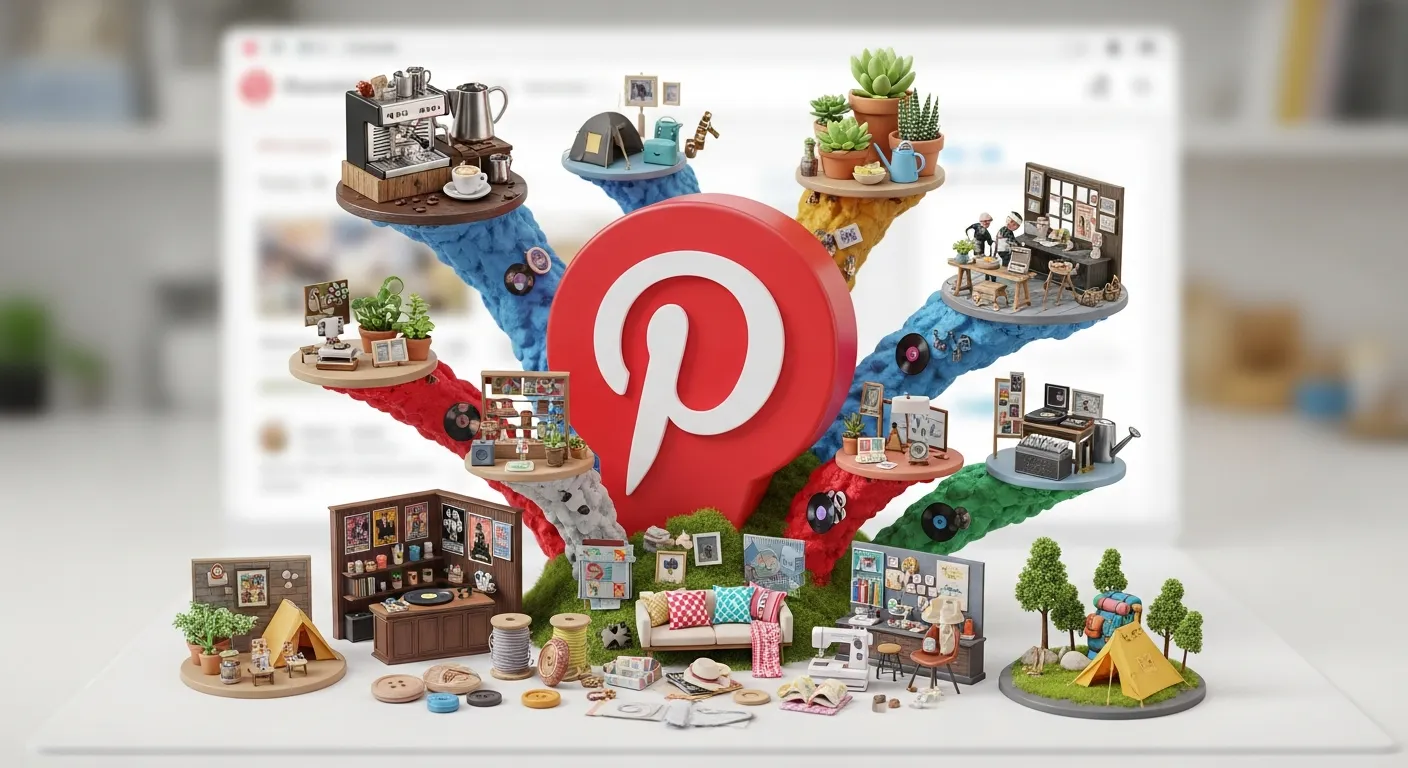
Pinterest thrives on niche interests. Whether your brand operates in fashion, food, fitness, home décor, or digital products, Pinterest users actively search for specific solutions. Influencers help brands tap into these micro-communities with precision.
Through focused boards, keyword-rich descriptions, and visual storytelling, influencers place your product directly in front of high-intent audiences. This makes Pinterest influencer marketing ideal for businesses targeting specific lifestyles, problems, or passions. Rather than broadcasting to everyone, brands can connect with users already interested in what they offer—driving higher engagement and better conversion rates.
Pinterest Influencer Marketing Case Studies
Made.com
The furniture firm teamed up with a number of Pinterest influencers to display mood boards featuring its products. The result? A 106% increase in traffic to its online store.
HelloFresh
HelloFresh collaborated with food influencers to create recipe pins featuring their own products. This initiative led to an 88% rise in site subscriptions.
Tarte Cosmetics
Want to get 40% more people subscribed to Tarte on Instagram? The answer came from tutorial pins.
6 Tips for Pinterest Influencer Campaigns That Work
-
Keep At It – As you do more and more posts, you’ll likely see campaign performance start to trend upwards.
-
Have Influencers Repin – Ask them to repine their own content to keep the boards fresh and alive.
-
Cross-Promote – Share the pins to Facebook and Twitter. Influencers often thank followers in ways that extend your pipeline.
Guide to Pinterest’s Chance of Growth in Influencer Marketing
Pinterest isn’t just a way to find inspiration. It is also a place where businesses can connect across borders and cultures. Working with the right influencers, you can get your audience motivated to take action, and turn that inspiration into relevant business.
Now that you know how valuable influencer marketing can be for your business, why not give Pinterest a try? The first step is to research who the online influencers are in your niche.
Using Keywords, Rich Pins, and SEO
Pinterest functions like a visual search engine. Influencer campaigns perform best when content is optimized with relevant keywords and Rich Pins.
Brands should provide influencers with keyword guidance for pin titles, descriptions, and board names. Rich Pins enhance content with metadata such as pricing and availability, increasing click-through rates. When influencer content is properly optimized, it gains greater discoverability and long-term performance, amplifying campaign reach organically.
Tracking Performance and Measuring ROI
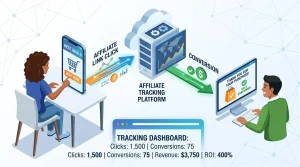
Measuring success is essential for refining future campaigns. Brands should track impressions, saves, clicks, conversions, and assisted sales.
Influencers often share Pinterest Analytics screenshots, but brands should also use UTM links and Google Analytics for deeper insights. Tracking performance reveals which influencers, content formats, and keywords drive the strongest results. This data-driven approach enables continuous optimization and ensures influencer marketing investments deliver measurable ROI.
Pinterest Influencer Marketing for NFT & Web3 Projects

NFT and Web3 brands benefit significantly from Pinterest influencer marketing. Educational pins, roadmap explainers, visual storytelling, and community-driven boards help projects build credibility in a trust-sensitive market.
Influencers can create beginner-friendly guides, visual breakdowns of utilities, and inspiration boards showcasing NFT aesthetics. Because Pinterest users research before investing, inbound-style influencer content nurtures long-term interest rather than short-term hype. This approach supports organic discovery, collector education, and sustainable growth beyond launch cycles.
Conclusion
Pinterest influencer marketing offers brands a powerful blend of inspiration, discovery, and conversion. With long content lifespan, niche targeting, and strong traffic potential, Pinterest stands apart from other platforms. By choosing the right influencers, optimizing content, and tracking performance, brands can turn inspiration into measurable business growth.
Frequently Asked Questions (FAQs)
1. What Is Pinterest Influencer Marketing?
Pinterest influencer marketing is a strategy where brands collaborate with Pinterest creators to promote products or services through visually engaging pins. Influencers create content such as lifestyle images, tutorials, idea pins, or curated boards that naturally feature a brand. These pins often include links that drive users to websites, product pages, or landing pages. Because Pinterest users actively search for inspiration and solutions, influencer content feels organic and helpful rather than intrusive. This makes Pinterest influencer marketing highly effective for long-term brand visibility, traffic, and conversions.
2. How Is Pinterest Influencer Marketing Different from Instagram Influencer Marketing?
The biggest difference lies in content lifespan and user intent. Instagram content is short-lived and engagement-focused, while Pinterest content is evergreen and discovery-driven. Pinterest users actively search for ideas, products, and solutions, making them more purchase-ready. Influencer pins can continue driving traffic for months or years, whereas Instagram posts typically lose visibility within days. Pinterest also functions as a visual search engine, meaning SEO and keywords play a larger role than follower count.
3. Is Pinterest Influencer Marketing Good for Sales?
Yes, Pinterest influencer marketing is highly effective for sales, especially for products that require inspiration or planning. Pinterest users often save pins before purchasing, making it a powerful mid-to-bottom funnel platform. Influencer pins usually link directly to product pages or stores, turning inspiration into action. Many brands see higher conversion rates from Pinterest traffic compared to other social platforms due to strong purchase intent and longer decision-making cycles.
4. How Long Do Pinterest Influencer Campaigns Last?
Unlike other platforms, Pinterest influencer campaigns don’t end when posting stops. A single pin can generate traffic for months or even years if optimized correctly. Campaigns typically run for 30–90 days, but their impact continues long after. Seasonal content may resurface annually, while evergreen content delivers ongoing results. This long lifespan makes Pinterest influencer marketing one of the most cost-effective influencer strategies available.
5. What Industries Perform Best on Pinterest?
Pinterest performs exceptionally well for industries centered around inspiration, lifestyle, and education. Top-performing niches include fashion, beauty, home décor, food, fitness, travel, eCommerce, digital products, and personal development. SaaS, B2B, and Web3 brands also succeed when content focuses on education, visual storytelling, and problem-solving. If your product benefits from explanation or visual context, Pinterest is a strong platform choice.
6. How Do I Find Pinterest Influencers?
You can find Pinterest influencers through Pinterest search, keyword research, influencer platforms, or manual board exploration. Search keywords related to your niche and analyze top-performing pins and creators. Look beyond follower count—focus on engagement, saves, and content quality. Influencer platforms like Aspire, Upfluence, or manual outreach through Pinterest profiles and websites are also effective methods.
7. Are Micro-Influencers Effective on Pinterest?
Yes, micro-influencers are often more effective than large influencers on Pinterest. Creators with smaller but highly engaged audiences tend to generate better saves, clicks, and conversions. Pinterest’s algorithm prioritizes content relevance over follower size, allowing high-quality pins from micro-influencers to rank and spread organically. This makes micro-influencers cost-effective and powerful for niche targeting.
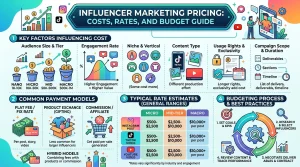
8. How Much Do Pinterest Influencers Charge?
Pinterest influencer pricing varies based on niche, engagement, content type, and experience. Micro-influencers may charge a few hundred dollars per pin or campaign, while larger creators can charge thousands. Some influencers offer package deals including multiple pins, boards, and repins. Because Pinterest content delivers long-term value, pricing often provides better ROI compared to short-lived platforms.
9. Can Pinterest Influencer Marketing Help SEO?
Indirectly, yes. Pinterest influencer marketing drives high-quality referral traffic, increases content visibility, and supports link-building efforts. Pins rank in Pinterest search and sometimes Google image results. When influencer pins drive traffic to optimized content, they improve engagement metrics such as time-on-site and bounce rate—factors that support overall SEO performance.
10. Is Pinterest Influencer Marketing Good for B2B Brands?
Yes, Pinterest can be effective for B2B brands when used strategically. Educational content, visual explainers, infographics, checklists, and thought leadership perform well. Influencers can simplify complex topics and drive traffic to blogs, webinars, or lead magnets. B2B brands that rely on long sales cycles benefit from Pinterest’s evergreen discovery model.
11. Can NFT and Web3 Projects Use Pinterest Influencer Marketing?
Absolutely. NFT and Web3 projects benefit greatly from Pinterest’s education-focused audience. Influencers can create visual guides explaining utilities, roadmaps, and concepts, helping build trust in a skeptical market. Pinterest content supports organic discovery and long-term visibility, making it ideal for Web3 brands focused on credibility rather than hype-driven promotion.
12. How Do I Measure Pinterest Influencer Marketing ROI?
ROI is measured using metrics such as impressions, saves, link clicks, conversions, and assisted sales. Brands should use Pinterest Analytics, UTM tracking, and Google Analytics to assess performance. Evaluating traffic quality, conversion rates, and long-term engagement provides a clear picture of campaign success and helps optimize future influencer partnerships.