How to Leverage YouTube Influencer Promotion for Your Brand

YouTube influencer promotion drives brand awareness, engagement, and ROI through trusted creators, strategic content formats, and measurable performance. With the right goals and partnerships, brands and NFT projects can achieve sustainable digital growth.
When it comes to digital marketing, YouTube influencer promotion is one strategy brands can no longer overlook. With over 2.5 billion monthly active users as of 2023, YouTube has become the second-largest search engine, right behind Google. Influencer content on this massive platform holds the power to boost brand awareness, drive traffic, and increase real engagement with audiences.
But how do you tap into the potential of YouTube influencer marketing? This guide will walk you through everything you need to know to start your own impactful influencer promotion campaign.
Why YouTube Influencer Promotion Works
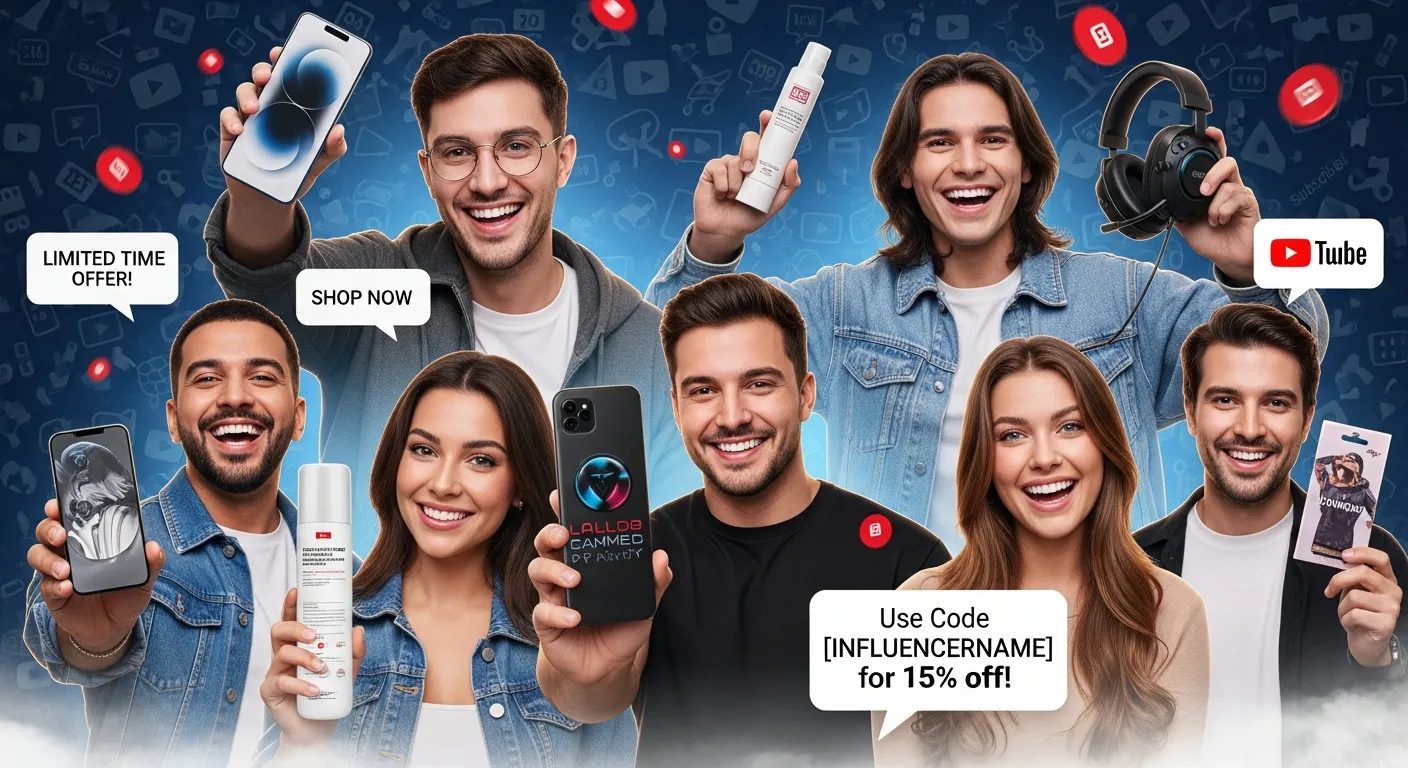
YouTube continues to dominate as the go-to platform for video-based content. But what sets it apart is the influence creators wield over their loyal audiences. Unlike traditional ads, YouTube influencers have cultivated trust, relatability, and authenticity, making their promotions feel more like conversations than sales pitches.
This trust is built over time through consistent content, honest opinions, and meaningful engagement with viewers. Audiences don’t just watch videos—they follow creators for guidance, inspiration, and recommendations they can rely on. As a result, influencer-led promotions feel natural and credible, often blending seamlessly into tutorials, reviews, or everyday routines. This authenticity drives higher engagement, stronger brand recall, and better conversion rates, making YouTube influencer marketing one of the most effective strategies for brands seeking long-term impact rather than short-term exposure.
Here’s why this strategy excels:
- Massive Reach: Influencers can help you tap into their highly engaged audiences, reaching thousands or even millions of people.
- Trust and Credibility: Followers trust YouTube creators they admire, boosting the likelihood of your brand being well-received.
- Engaged Communities: YouTube users are active participants, watching content with focus and often leaving comments, which drives organic engagement.
- Visual Storytelling: The video platform allows influencers to showcase your product in action, whether through tutorials, reviews, or featured integrations.
How to Get Started with YouTube Influencer Promotion
Step 1: Define Your Campaign Goals
Before you start, clarify what you want to achieve. Common campaign goals include:
- Expanding brand awareness
- Driving website traffic
- Generating sales or app downloads
- Building a community or subscriber base
For example, if you’re launching a new skincare product, your goal might be to generate awareness among viewers aged 18-34. Once you define your purpose, you can tailor the influencer partnership to meet specific expectations.
Step 2: Identify the Right Influencers
Not every YouTube creator is right for your brand, even if they have millions of subscribers. Partnering with the wrong influencer could lead to wasted resources and underwhelming results. Here’s how to choose wisely:
1. Audience Alignment
Check if their audience demographic matches your target customers. Review the following factors:
- Age
- Location
- Interests
- Viewership behavior
For example, a vegan food brand would benefit most from collaborating with influencers who focus on plant-based diets, food prep, or healthy living.
2. Engagement Rate
A large subscriber count doesn’t guarantee personal connections with viewers. Look at how active their community is. Do they leave meaningful comments? Are their videos shared widely?
3. Authenticity
Influencers who genuinely love your product resonate more with viewers. Look for creators whose personal values and previous promotions align with your brand.
4. Niche Experts vs. Mass Appeal
Micro-influencers (10K – 100K subscribers) often drive highly specific engagement within a niche. On the other hand, macro or celebrity influencers cater to broader audiences with wide exposure. Balance your choice based on your campaign goals.
Step 3: Develop a Creative Marketing Brief
Your influencer will need clear guidance to communicate the right message, but you’ll also want to give them creative freedom to maintain authenticity. Your brief should include:
- Brand Details: A short introduction to your business, products, and core values.
- Campaign Goals: Clearly outline the objectives of the promotion (e.g., “Drive 5,000 sign-ups for our free trial in 30 days”).
- Key Messaging: Provide a list of must-mention points about your product/service, such as features, benefits, and your unique selling point.
- Content Guidelines: Ensure creators adhere to FTC disclosure rules, including hashtags like #Ad or #Sponsored.
- Call to Action (CTA): What precise action do you want viewers to take after watching? Examples could include visiting your website, using a discount code, or clicking an affiliate link.
Step 4: Choose the Right Type of Content
Not all YouTube content suits every brand or campaign. Here are the most popular ways influencers can promote your product:
- Product Reviews: The influencer gives an honest assessment of your product, highlighting its features, benefits, and areas where it stands out.
- Routine Integrations: The creator incorporates your product into their daily life, providing a natural and relatable showcase.
- Tutorials or “How-To” Videos: Perfect for helping viewers understand how to use complex or unique products.
- Unboxings or Hauls: Influencers open and share their initial reactions to your product, which keeps viewers engaged.
- Collaborations: Create something unique, like a co-branded campaign, video series, or product range.
Step 5: Measure Campaign Success
Tracking the effectiveness of your YouTube influencer campaign ensures that your time and budget are well spent. Use specific performance metrics like:
- Views: Number of people who watched the video.
- Engagement Rate: Amount of likes, shares, and comments. Higher numbers show greater viewer involvement and interest.
- Click-Through Rate (CTR): Percentage of viewers who clicked on your links or CTAs.
- Conversions: Track sign-ups, purchases, or downloads to measure ROI.
- Audience Feedback: Read viewer comments to gauge how the promotion was received.
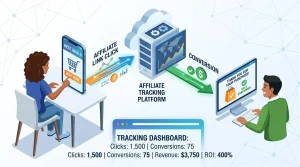
Pro Tip: Provide influencers with UTM links, trackable discount codes, or affiliate URLs to easily monitor conversions driven by their content.
Real-Life Examples of Successful YouTube Influencer Promotions
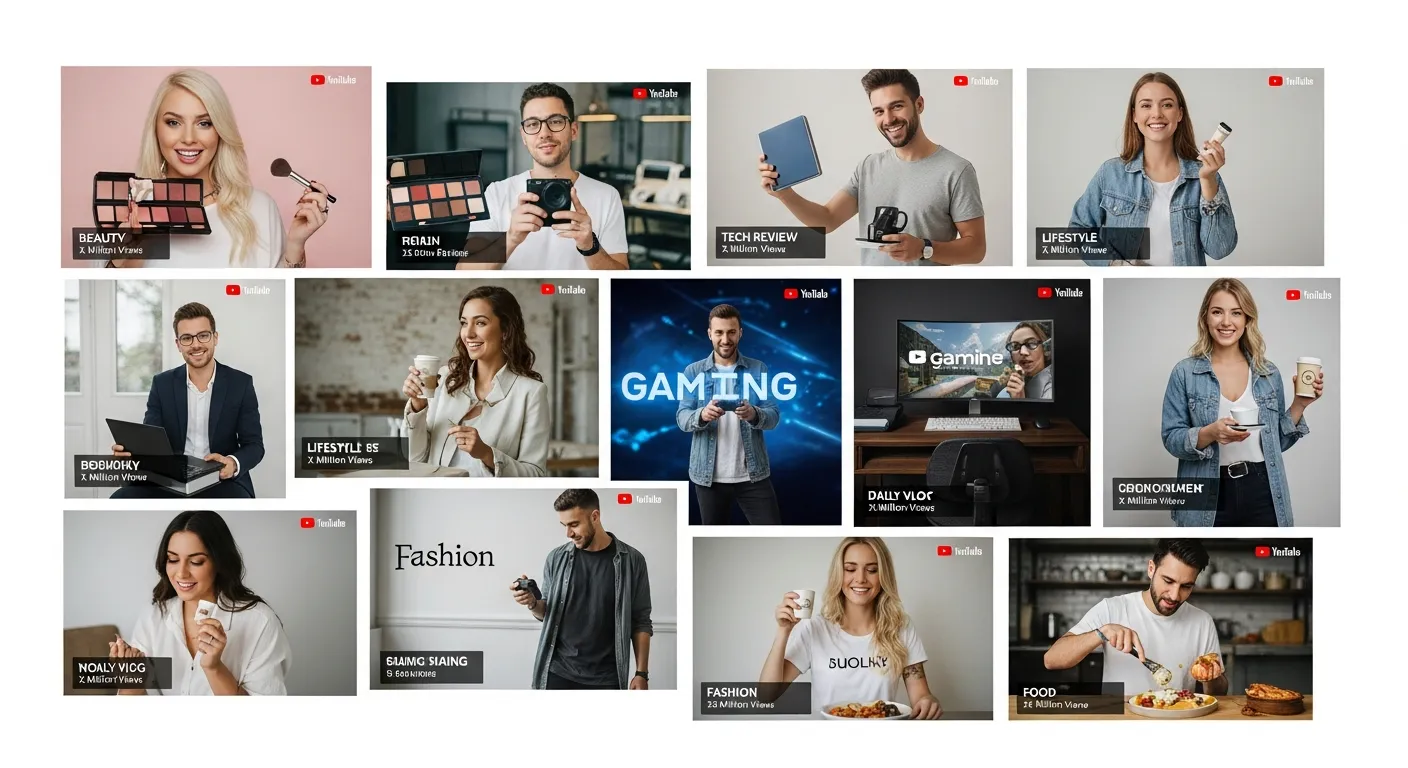
-
HelloFresh
HelloFresh partnered with multiple lifestyle and food influencers to demonstrate the simplicity of their meal kits. These collaborations included both cooking tutorials and promo codes, resulting in significant subscriber growth.
-
Skillshare
Skillshare collaborates with creators from various niches like art, photography, and technology. Their partnerships often feature influencers sharing their unique learning experiences, leading to millions of free trial sign-ups.
-
Glossier
Glossier used micro-influencers within the beauty community to showcase authentic product reviews and tutorials. This strategy helped them capture highly engaged, niche audiences.
Overcoming Common Challenges in Influencer Promotions
Although YouTube influencer promotions have clear advantages, they come with their own set of challenges. Here’s how to handle some common obstacles:
- Budget Constraints: Work with micro-influencers who offer more affordable partnership rates but maintain high engagement.
- Lack of Control Over Content: Select influencers with a proven history of creating quality, on-brand partnerships.
- Measuring ROI: Use advanced analytics tools like Google Analytics or platforms like Aspire to closely track campaign performance.
Budget Optimization and Cost Control
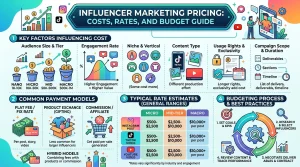
Influencer marketing budgets can vary widely, but cost efficiency depends on strategy, not spend. Micro-influencers often deliver better ROI at lower costs, especially for niche products. Long-term partnerships reduce acquisition costs and improve consistency. Negotiating usage rights allows brands to repurpose content across paid ads and social channels. Clear budget allocation across creators, production, and tracking tools prevents overspending. Smart budgeting ensures sustainable campaigns without sacrificing quality or performance.
Common Challenges and How to Overcome Them
Brands often struggle with content control, ROI measurement, and influencer misalignment. These challenges can be mitigated through careful vetting, clear briefs, and performance tracking. Choosing creators with proven brand collaborations reduces risk. Setting expectations upfront avoids creative conflicts. Using analytics tools helps connect influencer efforts to tangible results. Addressing challenges proactively ensures smoother collaborations and stronger outcomes.
NFT Marketing Through YouTube Influencers
YouTube influencers play a powerful role in NFT marketing by educating audiences and building trust in emerging digital assets. Explainer videos, project walkthroughs, and creator-owned NFT drops help demystify complex concepts. Influencers can showcase utility, roadmap updates, and community benefits, driving informed participation rather than hype. This approach supports long-term holder value and community growth. NFT projects benefit most when creators genuinely understand and believe in the project. YouTube’s long-form format is ideal for storytelling, transparency, and trust-building in Web3 marketing.
The Future is Influencer-Driven

YouTube influencer promotions bring an unparalleled mix of storytelling, audience trust, and measurable results to your marketing campaigns. Whether you’re just starting your YouTube strategy or refining an ongoing program, leveraging influencers can elevate your brand visibility and engagement beyond traditional advertising methods.
Make your mark in the influencer-driven future of marketing. Reach out to creators aligned with your brand, deliver clear campaign briefs, and prioritize long-term partnerships that work. This approach will position your business for steady growth and genuine customer connections.
Ready to start? YouTube’s billions of active users are one click away from your brand.
Conclusion
YouTube influencer promotion is no longer optional—it’s a core digital marketing strategy. By partnering with the right creators, setting clear goals, and tracking meaningful metrics, brands can achieve sustained growth, trust, and measurable ROI. Whether promoting products, services, or NFTs, YouTube influencers offer unmatched storytelling power and audience influence. Success lies in authenticity, alignment, and long-term collaboration. Brands that embrace this approach will thrive in the creator-driven marketing landscape.
FAQs: YouTube Influencer Promotion
1. What is YouTube influencer promotion?
YouTube influencer promotion involves partnering with content creators who integrate a brand, product, or service into their videos. These promotions rely on the creator’s authenticity and audience trust to deliver messages in a natural, engaging way rather than traditional advertising formats.
2. Why is YouTube effective for influencer marketing?
YouTube combines long-form video, strong storytelling, and search engine visibility. Videos remain discoverable for years, allowing influencer content to generate ongoing traffic, engagement, and conversions long after publication.
3. How do brands choose the right YouTube influencers?
Brands should evaluate audience demographics, engagement quality, niche relevance, past brand collaborations, and content tone. Alignment between the creator’s values and the brand’s message is more important than subscriber count alone.
4. Are micro-influencers effective on YouTube?
Yes. Micro-influencers often have highly engaged, loyal communities within specific niches. Their recommendations feel more personal, which can lead to higher trust, stronger conversions, and better ROI.
5. What content formats work best for promotions?
Product reviews, tutorials, daily-life integrations, unboxings, and collaborative videos perform well. These formats allow influencers to demonstrate real-world use cases and explain value clearly.
6. How is ROI measured in YouTube influencer campaigns?
ROI is measured using metrics such as views, watch time, engagement rate, click-through rate (CTR), conversions, affiliate sales, and custom tracking links or discount codes.
7. Is influencer marketing expensive on YouTube?
Costs vary depending on creator size, niche, and content complexity. However, long-term partnerships and micro-influencer collaborations often deliver cost-effective results compared to traditional advertising.
8. Can YouTube influencers directly drive sales?
Yes. Influencers significantly influence buying decisions by demonstrating products, sharing honest experiences, and addressing audience questions, which reduces purchase hesitation.
9. How long should influencer campaigns run?
Long-term collaborations typically outperform one-off promotions. Ongoing partnerships build familiarity, reinforce messaging, and strengthen audience trust over time.
10. How do NFTs benefit from YouTube influencer marketing?
YouTube creators help educate audiences about NFTs, explain utility and value, showcase use cases, and build credibility—especially important in a complex and trust-sensitive space.
11. Are sponsorship disclosures required?
Yes. FTC and platform guidelines require clear disclosures such as “#Ad” or verbal acknowledgments to maintain transparency and protect both brands and creators.
12. What tools help track influencer campaign performance?
Common tools include Google Analytics, UTM tracking, affiliate platforms, influencer marketing dashboards, and YouTube Analytics to measure traffic, engagement, and conversions accurately.