What is Affiliate Marketing? Everything You Need to Know to Get Started
This comprehensive guide explains the core mechanics of performance marketing. You will learn how to choose profitable niches, select the best networks, create high-converting content, and avoid common beginner traps. Start building a sustainable revenue stream using proven, data-driven strategies today.
Want to build a profitable online business without creating your own products? Understanding what is affiliate marketing unlocks the path to scalable passive income. Let us dive in.
The Fundamentals: Understanding What is Affiliate Marketing
To grasp the true potential of online revenue, you must first understand what is affiliate marketing at its core. It is a performance-based business model where you earn a commission by promoting other companies’ products or services. You find a product you like, promote it to your audience, and earn a piece of the profit for each sale you make.
The beauty of this model lies in its simplicity. You do not need to manufacture products, handle inventory, or manage customer service. Your only job is to connect the right product with the right buyer. This makes it an incredibly low-risk, high-reward entry point into digital entrepreneurship.
Many beginners overcomplicate the process. They assume they need complex sales funnels or massive advertising budgets. In reality, success stems from building trust with a specific audience and offering genuine solutions to their problems. When you approach promotions with an intent to help rather than just sell, your conversion rates naturally increase.
By focusing on authentic recommendations, you build a sustainable asset. Your content works for you around the clock, generating traffic and sales even while you sleep. This is the true power of building a performance-based marketing business.
The Core Ecosystem: Who Are the Key Players?
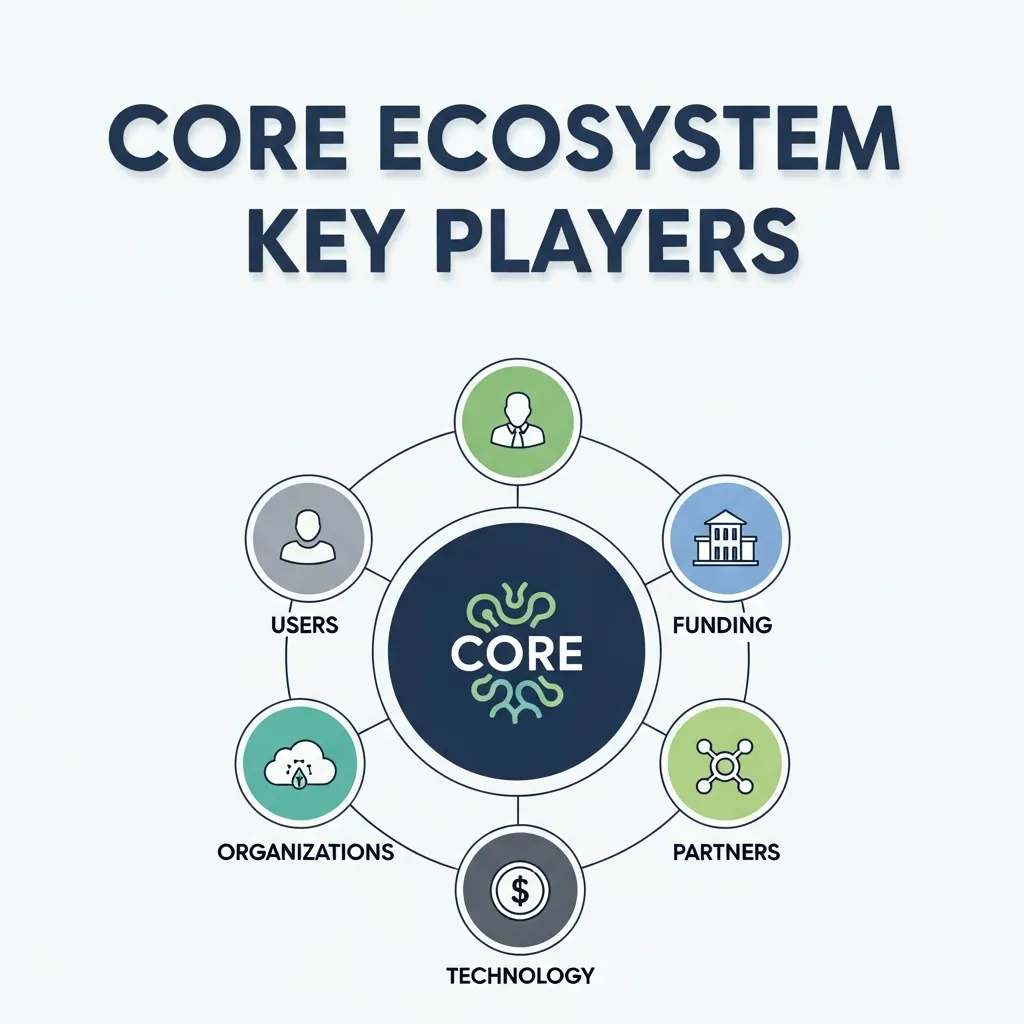
A successful promotional campaign requires a functioning ecosystem. Four main players make this entire process operate smoothly. Understanding their roles helps you navigate the landscape effectively.
The Merchant or Creator
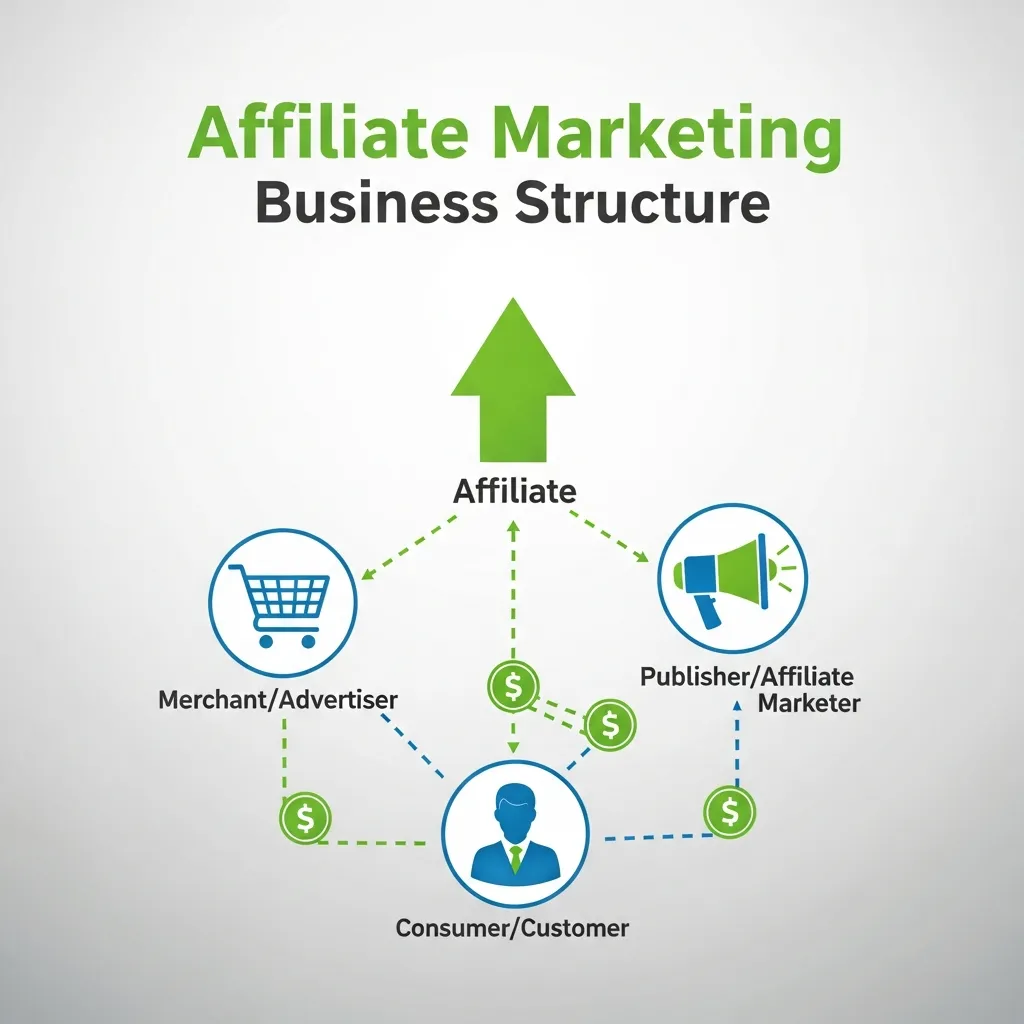
The merchant is the party that creates the product. This can be a massive enterprise like Amazon or a solo entrepreneur selling a digital course. They need sales and are willing to pay a premium to acquire new customers. The merchant handles all the logistics, fulfillment, and customer support.
The Affiliate
That is you. Also known as the publisher, the affiliate attracts and convinces potential customers of the value of the merchant’s product. You might run a review blog, a popular YouTube channel, or a niche email newsletter. Your goal is to educate your audience and guide them toward making a purchase using your unique tracking link.
The Consumer
Consumers are the lifeblood of the system. Without them, there are no clicks, no sales, and no commissions. They might find your content through search engines, social media, or a forwarded email. When they trust your recommendation and buy the product, the system completes its cycle.
The Network
While not always present, the network often acts as an intermediary between the affiliate and the merchant. Platforms like ShareASale or Commission Junction manage the tracking technology, handle the payouts, and provide a database of products to promote. Integrating with reliable Affiliate Networks simplifies the administrative side of your business.
The Financial Mechanics: How Do You Get Paid?
Before launching your campaigns, you need to understand how the money flows. Different programs offer different payment structures. Choosing the right structure aligns with your traffic strategy and audience type.
Pay Per Sale (PPS)
This is the standard structure. The merchant pays you a percentage of the sale price after a consumer purchases the product. This requires the highest level of commitment from the buyer, but it also offers the highest payouts. Software and digital products often pay between 20% and 50% per sale.
Pay Per Lead (PPL)
Under this model, you earn a commission based on lead generation. You must persuade the consumer to visit the merchant’s website and complete a specific action. This action might be filling out a contact form, signing up for a trial, or subscribing to a newsletter. Financial services and insurance companies frequently use this model.
Pay Per Click (PPC)
This structure focuses entirely on driving traffic. You get paid based on the number of visitors you send to the merchant’s site, regardless of whether a sale occurs. This is less common in traditional affiliate spaces but still exists within certain display advertising networks.
Types of Affiliate Marketing You Can Start
Not all promotional strategies require the same level of involvement. Marketer Pat Flynn famously categorized this industry into three distinct types. Knowing where you fit helps you craft a better strategy.
Unattached Marketing
This involves promoting products you have no personal connection to or authority over. You simply run pay-per-click advertising campaigns to an offer and hope the return on investment remains positive. It requires capital and testing, but demands zero audience building.
Related Marketing
Here, you promote products relevant to your niche, even if you have not used them personally. If you run a fitness blog, you might promote a highly-rated treadmill based on its specifications and public reviews. You rely on your general authority in the niche to drive sales.
Involved Marketing
This is the most authentic and effective method. You only promote products you have personally used and truly believe in. You share your direct experiences, both good and bad. This builds deep trust with your audience, leading to significantly higher conversion rates over the long term.
Step-by-Step Blueprint to Launch Your Business
Starting a profitable business requires strategic planning. Follow these sequential steps to build a solid foundation that will generate revenue for years to come.
Step 1: Select a Profitable Niche
Your niche dictates your audience, your content, and your potential earnings. Avoid broad categories like “health” or “wealth.” Instead, target specific segments like “keto diets for busy professionals” or “budgeting software for college students.” A focused niche faces less competition and attracts a highly engaged audience.
Step 2: Build Your Digital Platform
You need a home base for your content. While social media is great for reach, you do not own those platforms. Building a self-hosted website gives you complete control over your business. Invest in good hosting, a clean design, and optimize your site architecture from day one.
Step 3: Find the Right Programs
Do not apply to every program you see. Look for products that align perfectly with your audience’s needs. Check the commission rates, cookie durations, and payment terms. Read reviews from other affiliates to ensure the merchant pays on time and respects their partners.
Step 4: Create Outstanding Content
Your content must solve problems. Write in-depth reviews, step-by-step tutorials, and honest comparison guides. Use Content Marketing strategies to educate your readers. If your content provides more value than the manufacturer’s own sales page, you will win the click.
Step 5: Drive Targeted Traffic
Great content means nothing without visitors. Focus heavily on SEO Strategies to rank your articles on search engines. Build an email list to capture visitors and bring them back to your site. You can also leverage social media platforms to drive immediate traffic to new posts.
Choosing the Best Traffic Channels
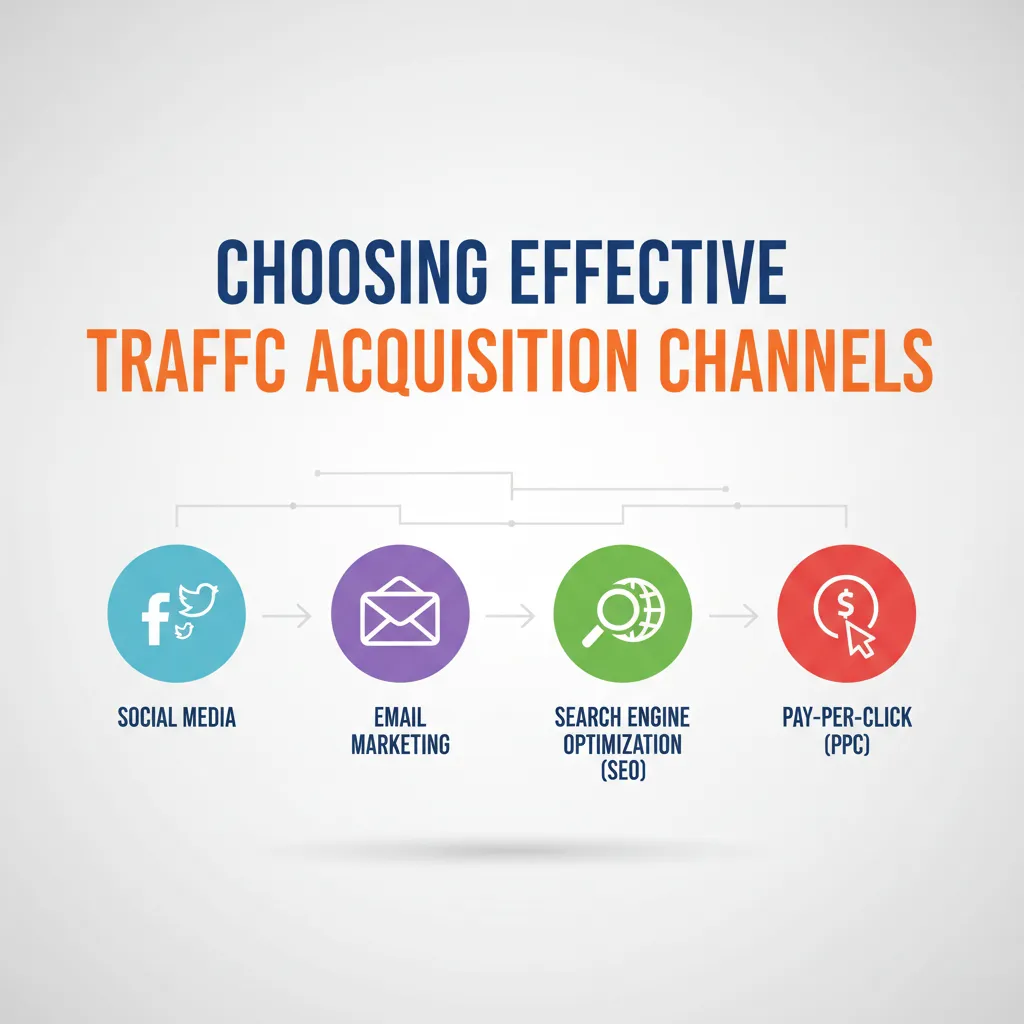
Traffic is the currency of the internet. You must master at least one traffic channel to succeed. Diversifying your sources protects your business from sudden algorithm changes.
Search Engine Optimization
SEO provides the highest quality traffic. When someone searches for “best CRM software,” they have high purchase intent. By optimizing your content for these specific keywords, you position yourself right in front of buyers. It takes time to rank, but the passive traffic is worth the effort. Consider studying resources from Ahrefs to improve your search visibility.
Email Marketing
Building a subscriber list gives you a direct line to your audience. You can send targeted recommendations, exclusive discounts, and helpful content directly to their inbox. Email Marketing boasts some of the highest conversion rates in the industry because you have already established trust with your subscribers.
YouTube and Video Content
Video builds trust faster than text. When viewers see you demonstrating a product, explaining its features, and showing real results, their buying resistance drops. YouTube also acts as the world’s second-largest search engine, providing massive organic reach for well-optimized videos.
Comparison Table: Top Affiliate Networks Analyzed
Choosing the right network streamlines your workflow. Here is a quick comparison of the top platforms available to beginners and veterans alike.
|
Network Name |
Best For |
Commission Types |
Ease of Use |
Minimum Payout |
|---|---|---|---|---|
|
ShareASale |
Physical & Digital Goods |
PPS, PPL |
Beginner Friendly |
$50 |
|
ClickBank |
Information Products |
PPS |
Very Easy |
$10 |
|
CJ Affiliate |
Big Brand Names |
PPS, PPL |
Moderate |
$50 |
|
Amazon Associates |
E-commerce Products |
PPS |
Extremely Easy |
$10 |
|
Impact |
SaaS & Tech Brands |
PPS, PPL |
Advanced |
$10 |
Use this table to align your niche with the appropriate network. Software reviewers thrive on Impact, while lifestyle bloggers often prefer RewardStyle or Amazon Associates.
Content Strategies That Drive Real Conversions
Traffic does not equal money; conversions do. To turn readers into buyers, you must employ specific psychological triggers and formatting techniques in your content.
Focus on the User’s Problem
People do not buy products; they buy solutions. Instead of listing a software’s features, explain how it saves them five hours a week. Connect the product directly to their specific pain point. Empathy drives action far better than technical specifications.
Use Clear and Honest Formatting
Online readers scan; they rarely read word-for-word. Use bullet points, bold text, and short paragraphs to make your content digestible. Highlight both the pros and the cons of a product. Consumers know no product is perfect. Honesty increases your credibility.
Implement Strategic Call-to-Actions
Tell your readers exactly what to do next. Use clear, action-oriented buttons like “Check Current Price” or “Start Your Free Trial.” Place these buttons strategically throughout your content—after the introduction, after key feature benefits, and at the conclusion.
Common Mistakes to Avoid
Many newcomers fail because they fall into predictable traps. Avoid these critical errors to protect your revenue and your reputation.
- Ignoring FTC Disclosures: You must legally disclose your financial relationships. Place clear disclaimers near your links. Read the FTC guidelines to ensure you remain compliant.
- Promoting Low-Quality Products: Never sacrifice your audience’s trust for a quick commission. Only recommend products you stand behind.
- Overloading Content with Links: Too many links look spammy and confuse the reader. Place links naturally where they make contextual sense.
- Failing to Track Data: If you do not track which links generate clicks and sales, you cannot optimize your campaigns. Use tracking software to monitor your performance metrics.
Pro Tips for Maximizing Conversions
Once you have the basics running, apply these expert insights to multiply your earnings.
Negotiate Better Rates
Once you prove you can drive consistent sales, contact the merchant directly. Ask for a permanent commission bump or an exclusive discount code for your audience. Merchants happily pay more to their top-performing partners.
Target Long-Tail Keywords
Instead of trying to rank for “best laptops,” target “best budget laptops for video editing.” Long-tail keywords have less search volume but significantly higher conversion rates. The intent is highly specific, meaning the user is ready to buy.
Create Comprehensive Resource Pages
Build a dedicated “Tools I Use” page on your website. This page acts as a permanent hub for all your top recommendations. It provides immense value to your readers and serves as a continuous source of passive revenue.
Conclusion
Understanding what is affiliate marketing is just the first step on your journey to financial independence. By selecting a profitable niche, building a trustworthy platform, and consistently delivering high-value content, you can create a sustainable online business. Stop waiting on the sidelines. Choose your niche today, sign up for your first network, and start creating content that converts.
FAQs
1. How much money can a beginner make?
Earnings vary widely based on effort and niche. A dedicated beginner might make their first $100 within a few months, while experienced marketers scale to thousands per month. Consistency and strategy dictate your earning potential.
2. Do I need money to start this business?
You can start with very little capital. You only need a domain name and basic web hosting, which costs less than $10 a month. Organic traffic strategies like SEO and social media require time rather than financial investment.
3. Is this business model still profitable today?
Absolutely. Brands allocate billions of dollars annually to performance marketing. As e-commerce continues to grow, companies rely heavily on content creators to drive qualified leads and sales.
4. How long does it take to see results?
If you rely on organic search engine traffic, expect to wait three to six months to see meaningful traction. Building domain authority takes time. Social media or paid advertising can yield faster results but require different skill sets.
5. Can I do this without a website?
Yes, you can use YouTube, social media platforms, or email newsletters. However, owning a website provides a stable, long-term asset that algorithm changes cannot easily destroy. It remains the highly recommended approach.
6. Do I have to buy the products I promote?
While not strictly required, owning and testing the product allows you to write authentic, in-depth reviews. Authentic reviews convert much higher than generic summaries copied from the manufacturer’s website.
7. What is a tracking cookie, and why does it matter?
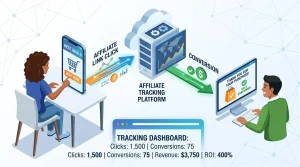
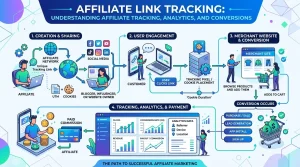
A tracking cookie is a small file stored in the user’s browser after they click your link. It tells the merchant you sent the customer. The cookie duration determines how long you have to earn the commission after the initial click.
8. How do I disclose my partnerships legally?
Place a clear, conspicuous statement near your promotional links. A simple sentence like “I may earn a commission if you purchase through these links” satisfies basic legal requirements and builds trust with your readers.
9. Can I use multiple networks at once?
Yes, successful marketers diversify their income by joining multiple networks. This allows you to promote a wider variety of products and protects you if one program suddenly changes its terms or shuts down.
10. What should I do if my traffic is not converting?
Analyze your user intent. Ensure the product perfectly solves the problem discussed in your article. Improve your call-to-action buttons and make your content more readable. Focus on building trust rather than pushing a hard sale.