The Rise of Virtual Influencers: How Brands Can Leverage Digital Personas in Influencer Marketing
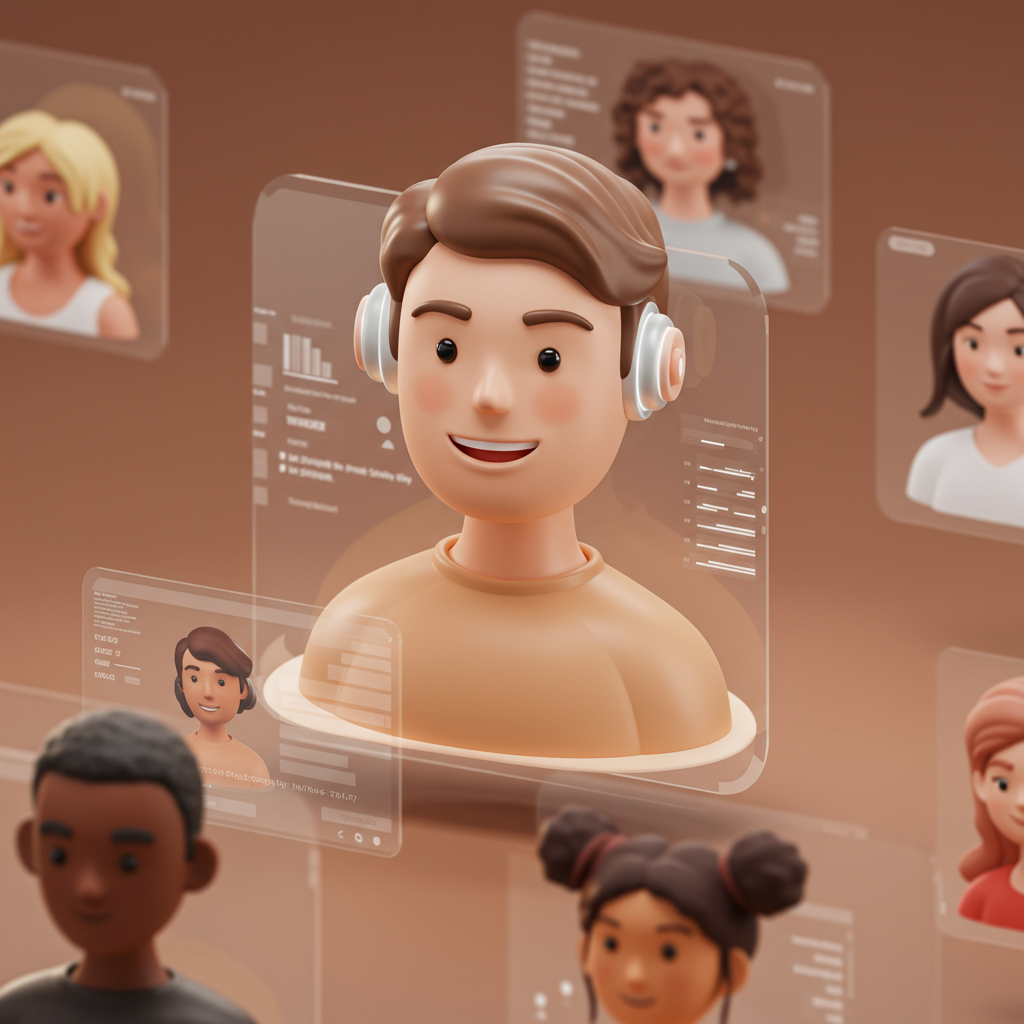
Virtual influencers are AI-driven digital personas used in marketing to engage audiences creatively and safely. They offer scalability, brand consistency, and innovation while requiring ethical disclosure, careful design, and data-driven strategies to maximize engagement, conversions, and long-term audience loyalty.
Influencer marketing has evolved rapidly over the past decade, with brands seeking fresh and engaging ways to connect with their target audiences. Enter virtual influencers: fully digital characters powered by advanced design, animation, and artificial intelligence. These AI-driven personas are becoming a force in the social media landscape, offering brands unique advantages at the intersection of creativity and technology.
What Are Virtual Influencers?

Virtual influencers are computer-generated personalities that exist exclusively in the digital world. Unlike human influencers, these characters are crafted by brands, design studios, or agencies and are managed through animation, 3D modeling, and sometimes AI-driven content creation tools. They maintain social media profiles on platforms like Instagram, TikTok, and YouTube, where they post photos, videos, and stories just like human creators. Leading examples include Lil Miquela and Shudu, both of which have amassed millions of followers thanks to their compelling backstories and visually striking imagery.
Why Brands Are Embracing Virtual Influencers
Brands are increasingly drawn to virtual influencers for multiple strategic reasons. Firstly, they offer complete creative control—every post, comment, and interaction can be meticulously planned and scripted to ensure alignment with brand values, messaging, and campaign objectives. This allows marketing teams to maintain a consistent brand voice across all channels without worrying about unpredictable human behaviour.
Secondly, virtual influencers help mitigate traditional influencer risks. Human influencers may engage in controversies, make off-brand statements, or behave unpredictably, potentially damaging a brand’s reputation. Virtual personas, on the other hand, follow predefined guidelines and maintain consistent behavior, significantly reducing reputational risks.
Thirdly, these digital characters operate around the clock. Unlike human influencers, virtual personas do not require rest, time off, or salary negotiations, making them cost-effective and highly scalable. Brands can run continuous campaigns, engage with global audiences in different time zones, and maintain a persistent social presence without logistical limitations.
Finally, virtual influencers bring a futuristic and innovative appeal. Their digital, AI-driven nature naturally sparks curiosity and media buzz, positioning brands as forward-thinking leaders in technology and creativity. This novelty not only attracts attention but also resonates strongly with younger, tech-savvy audiences who value innovation and immersive digital experiences.
In essence, virtual influencers combine creativity, control, efficiency, and innovation, making them a powerful tool for brands aiming to differentiate themselves in a crowded social media and digital marketing landscape.
Key Benefits of Collaborating with Virtual Influencers
-
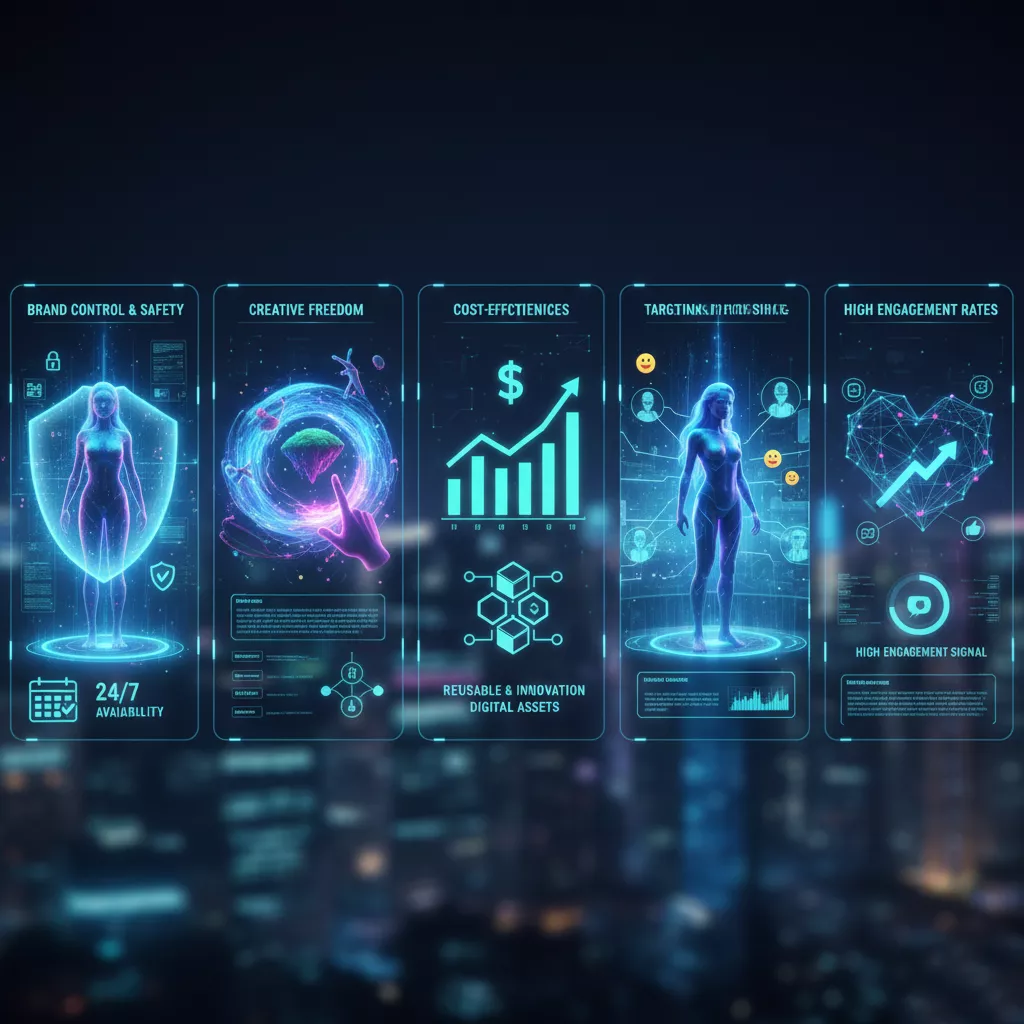
Brand Safety and Consistency: Virtual influencers behave predictably, strictly following pre-defined guidelines. This ensures every interaction, post, or campaign aligns with your brand values, messaging, and tone, reducing risks associated with unpredictable behavior or off-brand statements from human influencers.
-
Scalability: Digital personas can be cloned or modified to create spin-offs targeting diverse demographics or niche audience segments. This scalability allows brands to run multiple campaigns simultaneously, tailor messaging for different markets, and expand reach without the constraints of human resources.
-
Innovation & Differentiation: Collaborating with virtual influencers positions your brand as a pioneer in the influencer marketing space. Their novelty captures attention, sparks conversations, and allows your brand to differentiate itself in a crowded market where traditional influencer approaches may feel saturated.
-
Cross-Platform Synergy: Virtual influencer content is easily repurposed across multiple channels, including social media, websites, digital ads, and e-commerce platforms. This flexibility ensures cohesive branding, consistent messaging, and higher efficiency in content creation and distribution.
-
Data-Driven Optimization: AI analytics integrated with virtual influencer campaigns provide actionable insights into audience behavior, engagement patterns, and content performance. Brands can refine strategies in real time, enhancing campaign effectiveness and maximizing ROI.
Together, these benefits make virtual influencers a strategic asset for forward-thinking brands, combining creative innovation, operational efficiency, and measurable results in a single, controlled digital entity.
Potential Challenges and Ethical Considerations
Despite the advantages, virtual influencers raise unique challenges. Audiences may question authenticity if the distinction between real and digital is unclear. Brands must disclose that the character is fictional to comply with advertising guidelines and maintain transparency. Additionally, cultural sensitivity and representation should be thoughtfully addressed when designing virtual personas to avoid stereotyping or appropriation. Finally, managing the technical complexity of CGI and AI generation may require specialized talent and budget planning.
Case Studies: Brands That Nailed Virtual Influencer Campaigns
-
Calvin Klein & Lil Miquela: This collaboration highlighted limited-edition apparel featuring Lil Miquela, one of the most recognizable virtual influencers. The campaign leveraged her digital persona to create visually striking content that resonated with younger, social media-savvy audiences. Engagement spiked across Instagram and TikTok, while press coverage amplified brand visibility. The partnership demonstrated how virtual influencers can drive hype around product launches without traditional model constraints.
-
Prada & Carlings: Prada teamed up with CGI designers to create a digital-only clothing line for Carlings, blending fashion, technology, and immersive storytelling. The virtual campaign allowed the brand to experiment with bold designs and futuristic aesthetics that might not be feasible in physical production. By showcasing these pieces through a virtual influencer, Prada reached global audiences, generated media buzz, and reinforced its image as an innovative, tech-forward fashion house.
-
Samsung & Noonoouri: Samsung partnered with the stylized avatar Noonoouri for product reveals, particularly emphasizing design and tech features. Noonoouri’s unique digital persona captivated tech enthusiasts and design communities alike. The campaign combined social media content, interactive visuals, and influencer storytelling, generating excitement and discussions around Samsung’s products. It highlighted the potential of virtual influencers to engage niche communities and create shareable, high-impact campaigns.
These case studies illustrate how brands across fashion and tech sectors effectively harness virtual influencers to enhance engagement, drive brand awareness, and experiment creatively while maintaining complete control over messaging and aesthetics.
How to Choose or Create a Virtual Influencer
-
Define Your Brand Persona: Start by identifying the character traits, tone, and visual style that best represent your brand and resonate with your target audience. Consider factors like age, personality, interests, values, and aesthetics to create a relatable and compelling digital persona. A well-defined persona ensures all content aligns consistently with your brand identity.
-
Partner with Experienced Studios: Collaborate with CGI artists, animators, and AI developers who specialize in creating lifelike digital characters. Experienced studios bring technical expertise in 3D modeling, animation, and AI-driven content generation, ensuring your virtual influencer is visually appealing, functional across platforms, and capable of engaging audiences effectively.
-
Script a Backstory: Craft a detailed narrative for your virtual influencer, including their origin, motivations, hobbies, and unique traits. A rich backstory adds depth and authenticity, helping audiences form emotional connections with the character. This narrative can be used in campaigns, social media posts, and storytelling content to maintain consistency and engagement.
-
Plan a Content Cadence: Develop a strategic posting schedule that balances frequency, content type, and cross-platform distribution. Determine storytelling arcs, campaign timelines, and engagement strategies to maintain audience interest. Consistent content delivery ensures your virtual influencer remains visible, relevant, and memorable in the competitive digital landscape.
-
Ensure Legal Compliance: Adhere to all advertising, copyright, and disclosure regulations. Clearly disclose sponsored content or brand partnerships, respect intellectual property rights when creating visuals or scripts, and ensure compliance with local and international marketing laws. Legal diligence protects your brand reputation and maintains trust with your audience.
This structured approach ensures your virtual influencer is not only visually impressive but also authentic, legally compliant, and strategically aligned with your brand goals.
Best Practices for Engaging with Virtual Influencers
• Maintain Authentic Interaction: Foster genuine engagement by encouraging your audience to interact with the virtual influencer. Host Q&A sessions, polls, and challenges that allow followers to participate actively. Respond to comments or user-generated content to create a sense of community and build trust around the digital persona.
• Monitor Performance Metrics: Continuously track key performance indicators such as engagement rates, follower growth, click-throughs, and conversions. Analyze these metrics to understand which content resonates most, identify trends, and optimize campaigns to maximize ROI. Performance monitoring ensures data-driven decision-making.
• Blend Real and Virtual Talent: Combine human influencers with digital personas in campaigns to leverage the strengths of both. Human influencers add relatability and authenticity, while virtual influencers provide creative flexibility and brand control. This hybrid approach can expand reach, diversify content, and strengthen campaign impact.
• Leverage Storytelling: Use episodic or narrative-driven content to deepen audience connections. Develop story arcs that showcase the influencer’s personality, backstory, and interactions with the brand. Storytelling keeps audiences invested, encourages repeat engagement, and enhances emotional attachment to your brand.
• Iterate Based on Feedback: Continuously refine your virtual influencer strategy using AI analytics, social listening, and audience feedback. Adjust visual style, messaging tone, posting frequency, and content formats based on insights to ensure relevance, engagement, and alignment with evolving audience preferences.
Following these best practices helps brands maximize the impact of virtual influencer campaigns while fostering authentic, long-term engagement with their target audiences.
Measuring Success: KPIs for Virtual Influencer Campaigns
To evaluate the impact of your virtual influencer efforts, focus on:
• Engagement Rate (likes, comments, shares)
• Follower Growth & Audience Reach
• Click-Through Rate (CTR) to landing pages or product links
• Conversion Rate (sales, sign-ups, app installs)
• Earned Media Value (press mentions, UGC replication)
Future Trends in Virtual Influencer Marketing
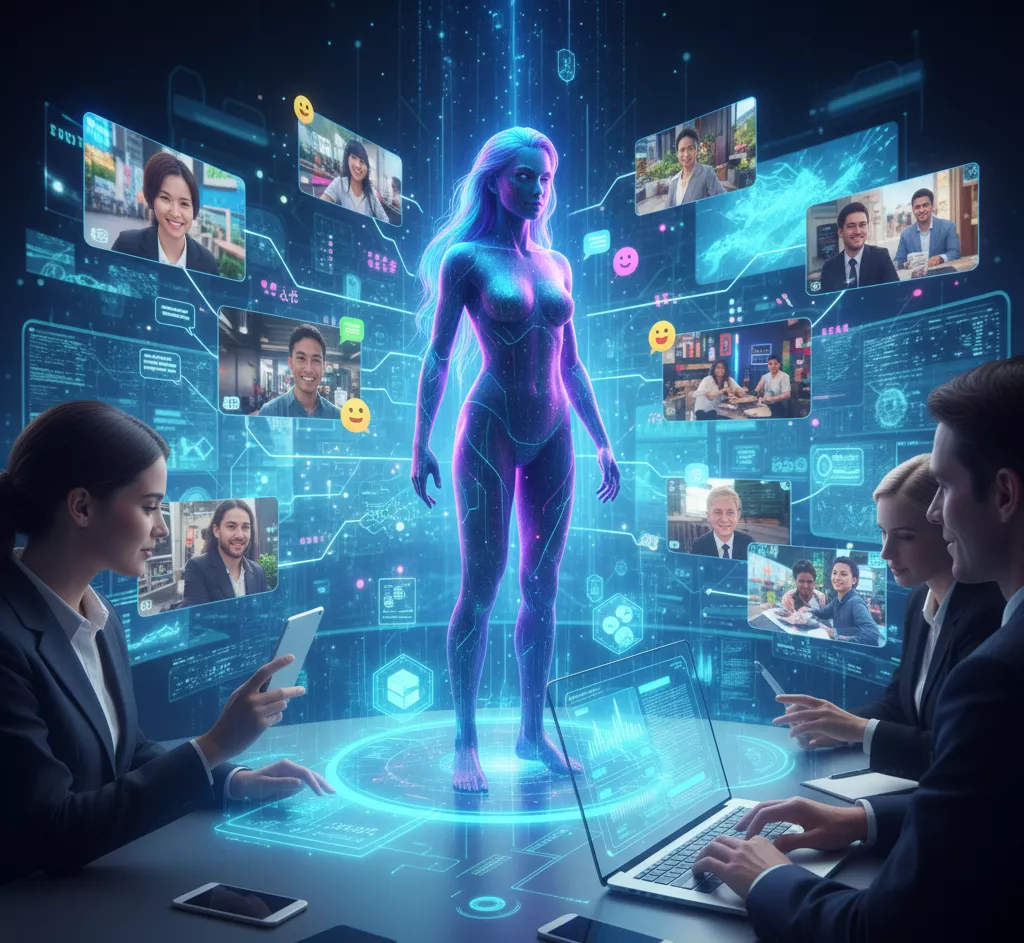
As technology advances, we anticipate:
• AI-Generated Interactive Stories: Real-time chat and personalized experiences.
• Augmented Reality (AR) Appearances: Virtual avatars popping into users’ environments.
• Blockchain Authentication: Verifiable provenance and scarcity for digital assets.
• Multi-Language Localization: Seamless global campaigns through AI translation.
• Emotional AI: Avatars that respond to user sentiment and adjust personality cues.
Conclusion
Virtual influencers represent the next frontier in influencer marketing, offering brands unparalleled creative freedom, consistent brand safety, and a futuristic edge. By carefully planning character design, ethical disclosure, and data-driven content strategies, companies can harness these digital personas to engage audiences in novel ways. Whether you’re experimenting with your first CGI model or integrating AI-powered analytics, virtual influencers can drive excitement, loyalty, and measurable results for forward-thinking brands.
Ready to explore the world of virtual influencers? Start by defining your brand’s digital persona, partnering with expert creators, and crafting a transparent, immersive campaign that sets you apart in today’s crowded social space.
FAQ – Virtual Influencer Marketing
Q1: What is a virtual influencer?
A virtual influencer is a fully digital, AI- or CGI-created persona that exists on social media, posting content, interacting with followers, and promoting brands like a human influencer.
Q2: Why should brands use virtual influencers?
They provide brand safety, creative control, cost efficiency, scalability, and futuristic appeal while mitigating risks like unpredictable behavior or public scandals.
Q3: What challenges do virtual influencers present?
Challenges include authenticity concerns, ethical representation, technical complexity, legal compliance, and audience transparency regarding the character’s digital nature.
Q4: How do you create a virtual influencer?
Define the brand persona, partner with CGI/AI specialists, craft a compelling backstory, plan content cadence, and ensure adherence to legal and advertising regulations.
Q5: How is success measured in virtual influencer campaigns?
Track engagement rate, follower growth, click-through rate, conversion metrics, and earned media value to evaluate campaign effectiveness.
Q6: What trends are shaping virtual influencer marketing?
Emerging trends include AI-generated interactive stories, AR appearances, blockchain verification, multilingual localization, and emotion-responsive AI personas.