Harnessing Nano-Influencers: The Next Frontier in Influencer Marketing
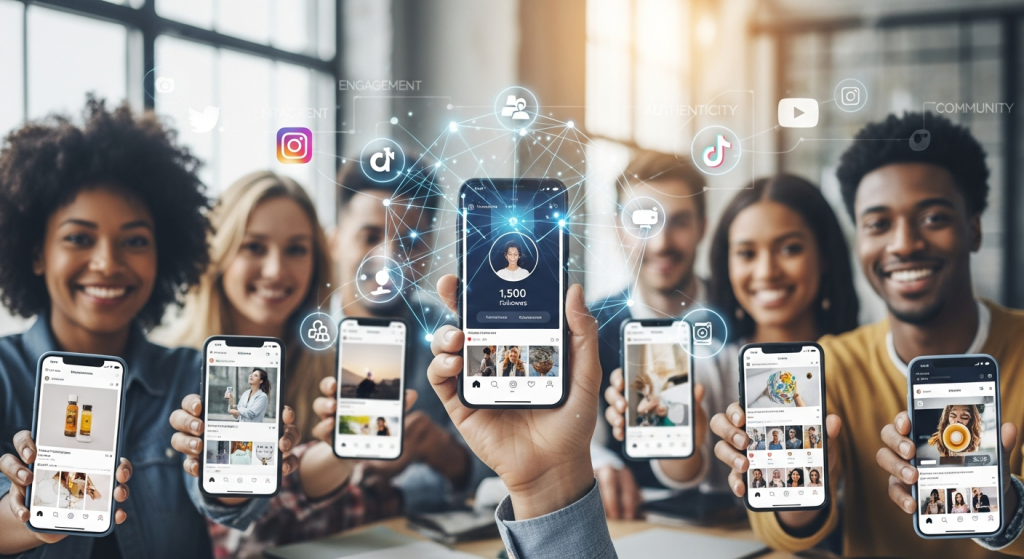
Nano-influencers have smaller, highly engaged followings that drive authentic, cost-effective campaigns. Brands gain higher ROI, organic growth, and diverse perspectives. Success relies on aligned creators, authentic content, and tracking engagement, CTR, and conversions.
Influencer marketing continues to evolve, and while mega- and macro-influencers used to dominate brand collaborations, a new segment is capturing marketers’ attention: the nano-influencer. With followings typically between 1,000 and 10,000, nano-influencers boast highly engaged audiences and authentic connections that can drive real impact at a fraction of traditional costs.
What Are Nano-Influencers?
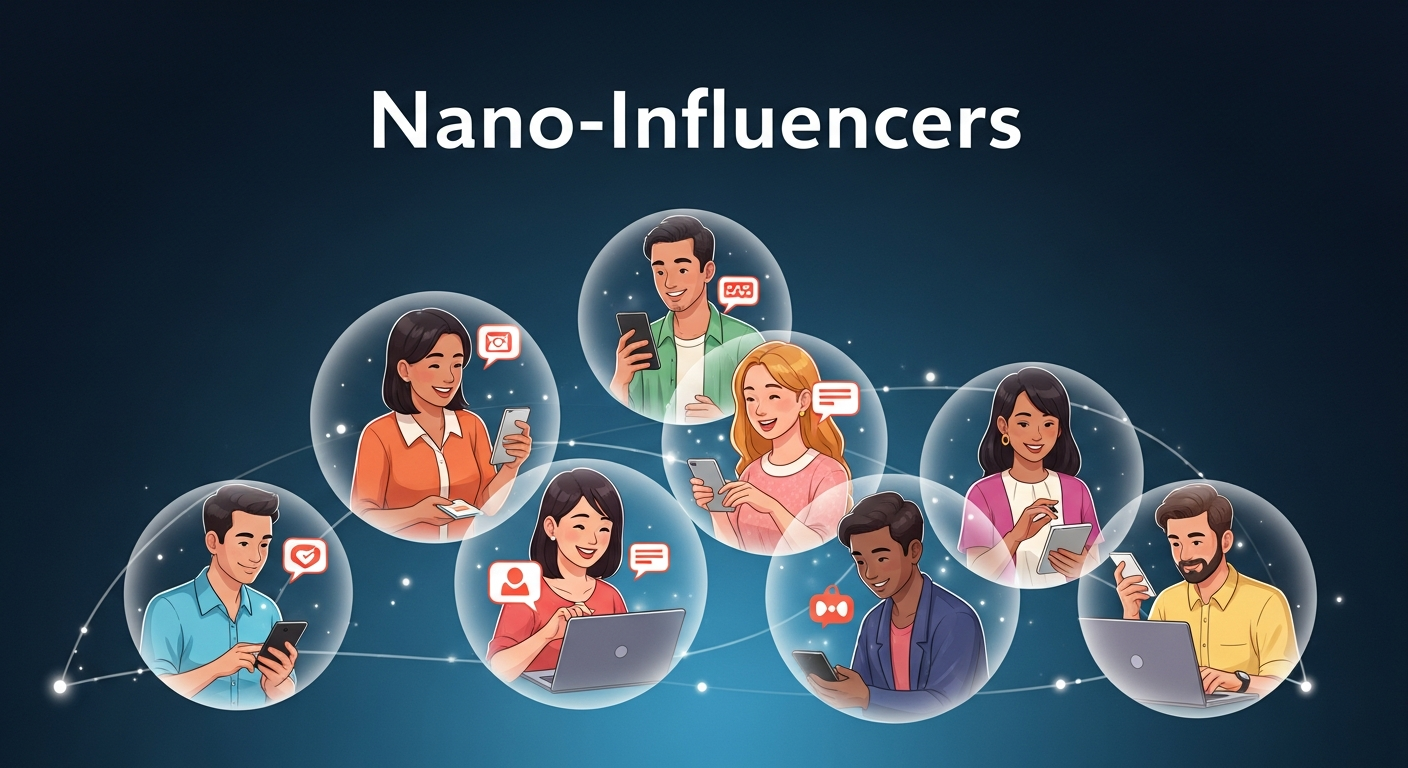
Nano-influencers are social media creators with smaller but highly dedicated followings, usually ranging from 1,000 to 10,000 followers. Unlike celebrities or mega-influencers, they often share niche interests—such as vegan cooking, budget travel, or eco-friendly living—which fosters deep trust with their community. Their content feels personal and relatable, making them ideal brand advocates who can spark meaningful conversations and drive authentic engagement.
Why Nano-Influencers Matter
1. Authentic Engagement: Nano-influencers tend to have higher engagement rates—sometimes 4–8% compared to 1–2% for larger accounts—because they personally interact with followers through comments and direct messages.
2. Trust and Credibility: Their recommendations feel genuine; audiences view them as friends rather than paid endorsers.
3. Cost-Effective Collaborations: Campaigns with nano-influencers require smaller budgets, allowing brands to partner with dozens of creators simultaneously for broader reach without overspending.
Benefits for Brands
Integrating nano-influencers into your marketing mix offers several advantages:
- Scalability: You can run micro-campaigns across multiple niches, tapping varied audiences that align with specific products or services.
- Higher ROI: With lower fees and stronger engagement, nano-influencer campaigns often deliver better return on ad spend (ROAS).
- Organic Growth: Genuine endorsements can accelerate word-of-mouth referrals and foster community-driven growth.
- Diversity of Voices: Working with many nano-influencers lets you showcase your brand through different perspectives, increasing relatability.
How to Identify the Right Nano-Influencers
Finding high-quality nano-influencers requires more than looking at follower counts. The goal is to identify creators who not only align with your brand but also have engaged and authentic audiences. Consider the following key criteria:
1. Niche Alignment
Choose influencers whose interests, values, and content style match your brand identity. A creator who shares your brand’s mission or focuses on related topics—such as vegan lifestyles, tech gadgets, or sustainable fashion—will naturally resonate with your target audience, making their endorsements more credible and effective.
2. Engagement Quality
Don’t just focus on the number of likes or comments; analyze the quality of interactions. Look for thoughtful comments, meaningful discussions, and active follower participation. A high ratio of comments to followers or positive audience sentiment indicates an engaged and loyal community.
3. Content Consistency
Review how frequently the influencer posts and the overall aesthetic of their content. Consistency in style, tone, and posting schedule ensures that their profile aligns with your brand image and that campaign messaging is delivered reliably.
4. Audience Demographics
Use influencer marketing platforms or direct outreach to verify that their followers match your target audience in terms of age, location, interests, and purchasing behavior. Even an influencer with excellent engagement is less effective if their audience doesn’t align with your customer base.
5. Authenticity Indicators
Be wary of influencers showing sudden spikes in followers, repetitive generic comments, or signs of bot activity. Authentic nano-influencers grow organically and maintain genuine engagement with their communities. Tools like SocialBlade or HypeAuditor can help assess follower authenticity and overall credibility.
By carefully evaluating these factors, brands can identify nano-influencers who will drive meaningful engagement, build trust, and deliver measurable results for marketing campaigns.
Building Successful Nano-Influencer Campaigns
A structured approach ensures smooth collaboration and measurable outcomes:
1. Define Clear Objectives
Set specific goals—brand awareness, user-generated content (UGC), newsletter sign-ups, or direct sales—and align them with key performance indicators (KPIs) like engagement rate, click-through rate (CTR), or conversions.
2. Craft Authentic Briefs
Provide core messaging and brand guidelines but allow creative freedom. Nano-influencers know what resonates with their followers, so collaborate on authentic storytelling rather than scripted ads.
3. Offer Value Beyond Payment
Consider gifting products, exclusive access, or affiliate commissions. These incentives foster goodwill and motivate influencers to deliver high-quality content.
4. Set a Content Calendar
Establish deadlines for drafts, revisions, and final posts. A shared calendar keeps everyone aligned and ensures campaign momentum.
5. Leverage UGC Across Channels
Repurpose nano-influencer content on your website, email newsletters, and paid ads to maximize reach and boost social proof.
Measuring Campaign Success

Tracking the right metrics is critical for evaluating the effectiveness of nano-influencer campaigns, optimizing performance, and demonstrating ROI. By combining quantitative and qualitative data, brands can gain a comprehensive understanding of both reach and audience impact.
1. Engagement Rate
Engagement rate, calculated as (Likes + Comments + Shares) ÷ Followers, measures how actively an influencer’s audience interacts with content. Higher engagement rates indicate authentic interest and community involvement. Unlike raw follower counts, this metric provides insight into how compelling and relevant the content is to the audience.
2. Click-Through Rate (CTR)
CTR, calculated as Link Clicks ÷ Impressions, shows how effective the influencer’s content is at motivating the audience to take action. It helps determine whether calls-to-action, product links, or campaign messaging are resonating with followers and driving traffic to your desired destination, such as a landing page or online store.
3. Conversion Rate
Conversion rate measures the percentage of users who complete a desired action after clicking through from an influencer’s post. This could include making a purchase, signing up for a newsletter, or downloading an app. Tracking conversions allows brands to directly link influencer activity to tangible business outcomes and assess the financial impact of the campaign.
4. Cost per Engagement (CPE)
CPE is calculated as Total Campaign Spend ÷ Total Engagements. This metric assesses the cost efficiency of your campaign by showing how much you are spending for each interaction. Lower CPE indicates that the campaign is generating meaningful engagement without overspending, helping brands optimize budget allocation.
5. Sentiment Analysis
While numbers are important, understanding audience perception is equally critical. Sentiment analysis involves qualitatively reviewing comments, direct messages, and social interactions to gauge whether the audience response is positive, neutral, or negative. This insight helps brands refine messaging, identify potential issues, and measure the true emotional impact of campaigns.
By monitoring these metrics together, brands can evaluate the effectiveness of nano-influencer campaigns, make data-driven decisions, and continuously optimize strategies for better results and higher ROI.
Best Practices and Tips
- Pilot Test Small Batches: Start with a handful of influencers to fine-tune messaging and process.
- Encourage Storytelling: Ask influencers to share personal anecdotes or product experiences to deepen emotional connection.
- Foster Long-Term Relationships: Recurring partnerships strengthen authenticity and loyalty.
- Use Influencer Platforms: Tools like AspireIQ, Upfluence, and Heepsy simplify discovery and campaign management.
- Maintain Transparency: Disclose paid partnerships in compliance with FTC guidelines to preserve trust.
Challenges and Solutions
Challenges and Solutions in Nano-Influencer Marketing
While nano-influencers offer tremendous benefits, including highly engaged audiences and cost-effective campaigns, working with multiple small creators presents unique challenges that brands must navigate to achieve success. Understanding these hurdles and implementing practical solutions is essential for running smooth, high-performing campaigns.
1. Scaling Efforts
Coordinating dozens of nano-influencers can quickly become complex and time-consuming. Each creator has their own schedule, preferred communication style, and content workflow, which can make campaign management difficult.
Solution: Leverage centralized influencer marketing platforms such as AspireIQ, Upfluence, or Heepsy to manage multiple partnerships efficiently. These tools streamline communication, track content approvals, and monitor deadlines, allowing brands to scale campaigns without losing control. For teams without platform access, hiring a dedicated campaign manager can ensure coordination across all influencers, maintaining smooth workflows and timely execution.
2. Ensuring Consistency
Working with multiple creators introduces the risk of inconsistent messaging or visual presentation. Nano-influencers often interpret briefs differently, leading to variations in tone, aesthetics, and content delivery that can dilute a brand’s identity.
Solution: Provide clear brand guidelines, templates, and sample content to set expectations. Encourage influencers to inject their authentic voice while adhering to the campaign’s core messaging. This balance preserves brand consistency while allowing the personal, relatable style of nano-influencers to shine, which is key to audience engagement. Regular check-ins and content reviews can further reduce inconsistencies.
3. Measuring Impact
Tracking results and attributing ROI can be challenging when managing multiple small-scale influencers. Without proper measurement, it’s difficult to know which creators are driving meaningful engagement, conversions, or sales.
Solution: Assign unique UTM codes, trackable links, or affiliate codes to each influencer to measure clicks, conversions, and ROI accurately. Additionally, monitor qualitative metrics such as comment sentiment, shares, and saves to capture the depth and quality of audience engagement. Using analytics dashboards or reporting tools allows brands to compare influencer performance and optimize campaigns in real-time, ensuring marketing spend is directed toward the most effective creators.
By proactively addressing these challenges, brands can maximize the potential of nano-influencer campaigns—scaling efficiently, maintaining consistent messaging, and measuring results accurately. The result is a streamlined approach that combines the authenticity of small creators with professional-level campaign management, creating measurable impact and sustainable marketing growth.
The Future of Nano-Influencer Marketing

As audiences increasingly grow weary of overly polished, traditional advertisements, authentic peer recommendations are set to become a cornerstone of effective marketing. Consumers today crave genuine connections and relatable content, making the personal touch of nano-influencers more valuable than ever. Unlike larger influencers, nano-influencers offer a level of intimacy and trust that resonates deeply with niche communities, creating meaningful engagement that drives real action.
Looking ahead, advances in AI and analytics will play a crucial role in scaling nano-influencer campaigns efficiently. Brands will be able to analyze engagement patterns, audience demographics, and content performance to identify the most effective creators for their campaigns. AI-driven tools can automate influencer discovery, predict ROI, and even assist in crafting personalized messaging that resonates with each micro-community, enabling highly targeted and measurable campaigns.
Interactive content formats will also shape the future of nano-influencer marketing. Features like live shopping events, interactive polls, AR try-ons, and micro-community discussions allow audiences to engage directly with both the influencer and the brand in real time. This level of interaction not only strengthens trust but also drives higher conversion rates by making marketing experiences more immersive and participatory. For instance, a nano-influencer hosting a live product demo can answer viewer questions instantly, offer exclusive promotions, and generate immediate purchases—all while maintaining an authentic connection with their audience.
Furthermore, as social platforms evolve, brands will have new avenues to experiment with hyper-personalized content and cross-platform campaigns. Collaborations with multiple nano-influencers across Instagram, TikTok, YouTube Shorts, and emerging platforms will allow brands to reach diverse audiences while maintaining relatability and authenticity. This decentralized approach to influencer marketing ensures that messages are delivered in contextually relevant ways, enhancing engagement and long-term brand loyalty.
Ultimately, the brands that embrace nano-influencers today and invest in data-driven, interactive, and authentic campaigns will gain a competitive edge in the rapidly evolving social media landscape. By leveraging the trust, intimacy, and creativity of these smaller creators, businesses can foster communities that actively advocate for their brand, generating not just awareness but meaningful, measurable results.
Conclusion
Nano-influencers offer brands a powerful way to reach targeted, engaged audiences through genuine, relatable content. By carefully selecting creators, defining clear objectives, and measuring performance with meaningful metrics, brands can maximize ROI and build lasting, authentic relationships. With thoughtful planning and strategic scaling, nano-influencers represent the future of influencer marketing—an approachable, cost-effective, and highly impactful strategy for modern digital campaigns.
Frequently Asked Questions (FAQ)
1. What is a nano-influencer?
A nano-influencer is a social media creator who typically has between 1,000 and 10,000 followers and operates within a very specific niche. Despite their smaller audience size, nano-influencers often maintain close relationships with their followers, resulting in higher engagement rates, stronger trust, and more meaningful interactions compared to larger influencers.
2. Why should brands work with nano-influencers?
Brands work with nano-influencers because they deliver authentic engagement, stronger audience trust, and cost-effective marketing campaigns. Their recommendations feel more personal and genuine, making followers more receptive to branded messages. This authenticity often leads to better conversion rates, especially for niche or community-driven products.
3. How do you find the right nano-influencers?
Finding the right nano-influencers involves evaluating niche relevance, content quality, engagement consistency, and audience authenticity. Brands should review follower demographics, comment quality, posting frequency, and alignment with brand values. Manual research and influencer discovery tools can help identify creators whose audience closely matches the target market.
4. What metrics should be tracked for nano-influencer campaigns?
Key metrics include engagement rate, click-through rate (CTR), conversions, cost per engagement (CPE), and sentiment analysis. These indicators help measure both performance and audience perception. Since nano-influencer campaigns prioritize trust and interaction, engagement quality often matters more than reach alone.
5. How can brands scale nano-influencer campaigns effectively?
Brands can scale nano-influencer campaigns by using influencer platforms, UTM tracking, content calendars, and centralized campaign management tools. Coordinating multiple nano-influencers through standardized workflows ensures consistency while maintaining authenticity. Automation and performance tracking allow brands to expand campaigns efficiently without losing control or quality.