Influencer Marketing for Brands: An In-Depth Guide
Influencer marketing helps brands build trust, increase visibility, and drive conversions through authentic creator partnerships. Effective campaigns combine audience targeting, strategic platform selection, engaging content, compliance, and performance tracking. Long-term collaborations, AI tools, and community-focused strategies are shaping the future of influencer marketing.
Influencer marketing has rapidly evolved from a novelty tactic into a cornerstone of modern brand communications. Driven by shifting consumer behaviors and the proliferation of social media platforms, today’s audiences rely heavily on peer recommendations and creator endorsements rather than traditional advertisements. According to a 2022 Nielsen Global Trust in Advertising report, 83% of consumers say they trust recommendations from people they know, and 66% trust opinions shared online. Armed with this insight, savvy brands are forging partnerships with influencers who possess authentic voice and niche credibility. This guide will provide a step-by-step framework for planning, executing, and optimizing influencer marketing initiatives that drive real business results.
Why Influencers Matter
The power of an influencer lies in the direct relationship they maintain with their community. Unlike branded channels, which audiences often regard with skepticism, influencers have cultivated trust through consistent, relatable content. A 2021 study by the Pew Research Center found that nearly half of U.S. adults discover news or product information via social platforms. Whether it is a beauty blogger demonstrating a new skincare routine or a fitness creator showcasing workout gear, the endorsement carries weight because of the existing rapport. Brands benefit not only from heightened visibility but also from the halo effect of authentic storytelling. Influencer partnerships can produce measurable uplifts in brand recall, website traffic, and ultimately conversions when strategies align with core objectives.

Types of Influencers
Nano-Influencers (1K–10K followers)
Nano-influencers command small but highly engaged audiences. Their communities often respond with intimate comments and direct messages, fostering a sense of personal connection. For local businesses and niche products, nano-influencers can offer outstanding cost-per-engagement metrics and strong word-of-mouth referrals.
Micro-Influencers (10K–100K followers)
Micro-influencers blend reach and intimacy. Their specialized content—whether focused on travel, technology, lifestyle, or parenting—attracts audiences deeply interested in that subject. A recent report by Statista highlights that micro-influencers deliver engagement rates up to three times higher than macro peers, making them an efficient choice for targeted campaigns.
Macro-Influencers (100K–1M followers)
Macro-influencers offer substantial reach and are often recognized personalities within their fields. While their engagement rate is typically lower than that of micro-influencers, they can rapidly expand awareness across broader demographics, ideal for product launches and brand positioning.
Mega-Influencers & Celebrities (1M+ followers)
With audiences in the millions, mega-influencers and celebrities generate mass awareness. Their endorsements can catapult a brand into mainstream consciousness, though such collaborations require significant budgets and carry the risk of lower authenticity if not managed carefully.
Key Benefits of Influencer Marketing
- Authentic Engagement: Influencers build trust through honest reviews, tutorials, and behind-the-scenes content. When they promote a product, their audience perceives the recommendation as genuine praise rather than a paid advertisement.
- Precise Targeting: By selecting influencers within specific niches, brands gain access to highly targeted demographics defined by interests, behaviors, and geography.
- Enhanced Content Library: Partnerships often yield a trove of high-quality photos, videos, and written posts that brands can repurpose across owned channels.
- Scalability: Campaigns can range from a handful of nano-influencers for grassroots activation to global launches with celebrity ambassadors, allowing brands to scale efforts based on budget and objectives.
- Improved ROI: According to a 2023 report by Influencer Marketing Hub, brands earn an average of $5.20 for every dollar spent on influencer marketing.

Planning Your Influencer Marketing Strategy
Define Clear Objectives
Begin by articulating your campaign goals. Are you seeking to raise general brand awareness, drive e-commerce sales, increase app downloads, or build an email list? Specific, measurable objectives will inform influencer selection, content requirements, and performance metrics.
Identify Your Target Audience
Build a detailed audience persona encompassing age, gender, interests, purchasing behaviors, and preferred social platforms. Tools such as Facebook Audience Insights and Google Analytics can provide valuable demographic and psychographic data.
Select the Appropriate Platforms
Match your objectives and audience profile with the social media platforms that best support your goals:
- Instagram: High visual impact; ideal for lifestyle, fashion, and beauty brands. Supports static posts, Stories, Reels, and IGTV.
- TikTok: Short-form video powerhouse; resonates with Gen Z. Emphasizes trend-driven challenges and viral soundtracks.
- YouTube: Long-form video home; suitable for in-depth reviews, tutorials, and vlogs. Offers robust analytics via YouTube Studio.
- LinkedIn: Professional networking environment; effective for B2B thought leadership and industry insights.
- Twitter: Real-time engagement and dialogue; useful for tech announcements, live events, and customer service interaction.
Identifying the Right Influencers
Leverage Discovery Tools: Platforms like Upfluence, AspireIQ, and HypeAuditor enable granular searches for influencers based on follower demographics, engagement metrics, and content themes. These tools also help detect fraud by analyzing audience authenticity and growth anomalies.
Evaluate Engagement and Content Quality: Prioritize influencers whose average engagement rate exceeds 2–3%. Review recent posts for creativity, camera presence, and alignment with your brand ethos. Examine comments to gauge genuine audience interaction versus bot activity.
Assess Brand Fit: Beyond metrics, consider soft factors such as tone of voice, visual style, and personal values. Conduct a brand-influencer compatibility assessment and review any past brand collaborations to ensure consistency.
Outreach and Negotiation
Craft Personalized Proposals: Address influencers by name and reference specific content they have created that resonates with your brand. Clearly outline campaign scope, deliverables, and key messages.
Negotiate Deliverables and Compensation: Compensation can take the form of monetary fees, product gifts, affiliate commissions, or a combination. Clearly define deliverables—number of posts, stories, video length—and deadlines. Create a simple statement of work (SOW) or contract to formalize expectations.
Content Creation and Briefs
Provide a Strategic Brief: Include campaign background, objectives, target audience, brand guidelines (colors, logos, hashtags), mandatory disclosures (e.g., #ad, in compliance with FTC guidelines), and key talking points. Encourage creative freedom, allowing influencers to adapt messaging in their authentic style.
Collaborate on Creative Concepts: Host a brainstorming session or share mood boards to align on visual and narrative direction. Strive for a balance between brand consistency and the influencer’s unique storytelling abilities.
Legal and Compliance Considerations
Disclosure Requirements: In the U.S., the Federal Trade Commission mandates clear and conspicuous disclosure of sponsored content. Utilize #ad or #sponsored at the beginning of captions, and ensure verbal disclosure in video content.
Intellectual Property: Clarify usage rights: specify if brand may reuse influencer content on owned channels, websites, or paid advertisements. Address licensing terms, duration, and geographic scope in contracts.
Budgeting Your Campaign
Allocate Costs Wisely: Break down your budget by influencer tier, content type, and additional services (e.g., videography, event coordination). Reserve a portion for paid amplification of influencer content on social channels.
Track Expenses and ROI: Maintain a detailed budget tracker, noting payments, gifted products, and platform fees. Compare total investment against key performance indicators to calculate ROI.
Campaign Execution
Content Approval Process: Establish a streamlined feedback workflow. Use collaborative tools like Google Drive or project management platforms such as Trello to review and approve draft content within agreed timelines.
Scheduling and Posting: Coordinate posting schedules to maximize impact—consider time zones, peak engagement hours (e.g., Instagram insights often show highest engagement between 9 AM–11 AM on weekdays), and campaign pacing to avoid audience fatigue.
Measurement and Analytics
Key Metrics to Monitor:
- Engagement Rate: Likes, comments, and shares per post relative to follower count.
- Reach and Impressions: Unique viewers and total views to assess awareness.
- Click-Through Rate (CTR): Percentage of users clicking on embedded links or swipe-up actions.
- Conversions: Sales, sign-ups, or downloads attributed to influencer content using UTM parameters or unique coupon codes.
- Cost per Acquisition (CPA): Total spend divided by number of conversions.
Analytics Tools: Leverage native platform analytics (Instagram Insights, TikTok Analytics, YouTube Studio) alongside third-party dashboards such as Sprout Social or Hootsuite to aggregate performance data.
Case Studies and Success Stories
Beauty Brand Launch on TikTok
A direct-to-consumer cosmetics company partnered with 20 micro-influencers on TikTok, generating over 50 million combined views in two weeks. By integrating a branded hashtag challenge and offering limited-edition product bundles, the brand achieved a 3% conversion rate and a 7:1 ROI.
B2B Software Awareness on LinkedIn
A SaaS provider engaged five industry thought leaders on LinkedIn to publish long-form articles and host live webinars. The campaign drove a 40% increase in gated content downloads and generated qualified leads valued at USD 120,000.
Local Restaurant Series with Nano-Influencers
A regional dining chain collaborated with local nano-influencers to create “behind-the-scenes” Instagram Stories. The grassroots approach yielded a 25% uplift in foot traffic to featured locations over four weeks.
Emerging Trends in Influencer Marketing
Short-Form Video Dominance: Platforms such as TikTok and Instagram Reels continue to disrupt content consumption habits. Brands should embrace vertical video formats and authentic storytelling to keep pace with evolving audience expectations.
AI and Data-Driven Influencer Discovery: New AI tools are emerging that analyze past campaign performance, audience sentiment, and visual content to predict future success. Solutions like Influential and CreatorIQ leverage machine learning to streamline influencer vetting.
Virtual Influencers and CGI Personas: Virtual creators such as Lil Miquela demonstrate the potential of fully controlled digital ambassadors. While controversial, these CGI influencers allow complete message management and avoid human unpredictability.
Micro-Community Engagement: Brands are shifting focus toward highly engaged micro-communities on platforms like Discord and private Facebook Groups, partnering with community moderators and niche content creators.
Building Long-Term Influencer Relationships
Successful influencer marketing is not limited to one-time sponsorships. Brands that invest in long-term creator partnerships often achieve stronger trust, higher engagement, and more authentic storytelling. Repeated collaborations make influencer endorsements feel natural because audiences become familiar with the connection between the creator and the brand. Long-term partnerships also allow influencers to develop deeper product knowledge, improving content quality and audience confidence.
Brands should treat influencers as strategic partners rather than temporary advertising channels. Maintaining open communication, respecting creative freedom, and recognizing creator contributions can strengthen relationships over time. Long-term ambassador programs often outperform short campaigns because consistency increases audience familiarity and purchase intent.
The Psychology Behind Influencer Marketing Success
Influencer marketing works because it taps into core human psychology. Consumers naturally trust recommendations from people they admire or relate to. Influencers create a sense of familiarity through regular interaction, personal storytelling, and shared experiences. This psychological connection makes audiences more receptive to product recommendations than traditional advertisements.
Social proof also plays a major role in campaign effectiveness. When audiences see creators using or endorsing products, they perceive those products as more credible and desirable. Fear of missing out (FOMO), aspirational lifestyles, and community belonging further influence purchasing decisions. Understanding these emotional triggers helps brands create campaigns that resonate more deeply with target audiences.
Using User-Generated Content Alongside Influencers
Combining influencer campaigns with user-generated content (UGC) can significantly amplify reach and engagement. When customers share their own experiences, reviews, or creative content related to a campaign, the promotion feels more authentic and community-driven. UGC also extends campaign lifespan by encouraging continuous audience participation.
Brands can motivate followers to create content through contests, branded hashtags, giveaways, or community challenges. Repurposing customer content alongside influencer collaborations builds stronger trust because potential buyers see both professional creators and real consumers engaging with the product. This strategy also reduces content production costs while increasing brand authenticity.
Crisis Management in Influencer Partnerships
Influencer collaborations carry reputational risks if creators become involved in controversies or publish inappropriate content. Brands should proactively prepare crisis management plans before launching campaigns. Conducting background checks, reviewing past posts, and monitoring influencer behavior helps reduce potential risks.
Contracts should include morality clauses outlining acceptable conduct and termination rights. In the event of controversy, brands should respond quickly with transparent communication and clear action plans. Effective crisis management protects brand credibility while demonstrating accountability to customers and stakeholders.
Influencer Marketing for E-Commerce Growth

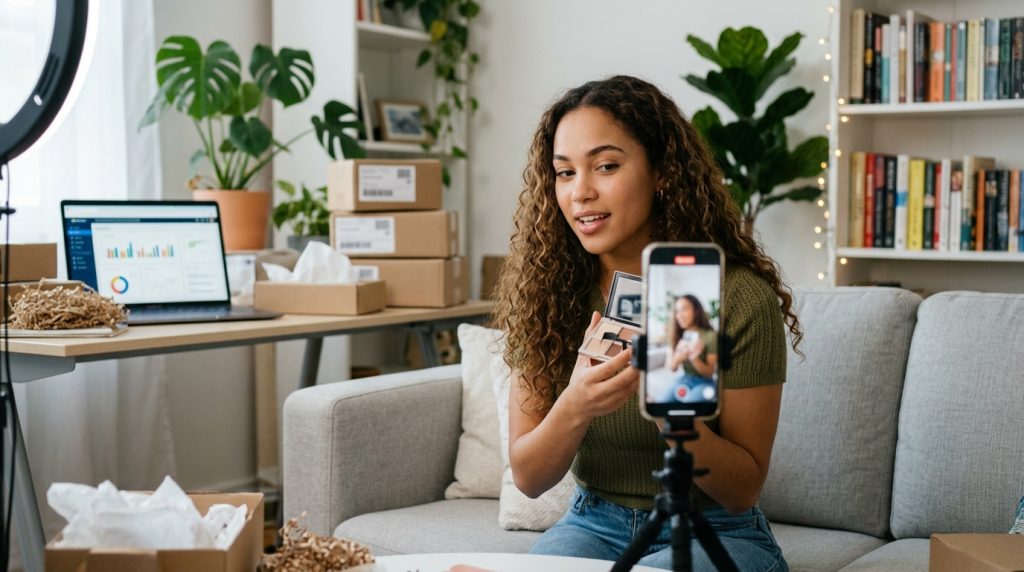
Influencer marketing has become one of the most effective channels for driving e-commerce sales. Product demonstrations, unboxing videos, tutorials, and affiliate promotions help consumers visualize products in real-life situations. Influencers simplify buying decisions by showing practical use cases and honest experiences.
Many e-commerce brands now integrate influencer content directly into product pages, email campaigns, and paid ads. Features such as affiliate links, discount codes, and live shopping streams create seamless purchasing experiences that improve conversion rates. This combination of social proof and convenience makes influencer marketing especially powerful for online retail businesses.
The Future of Influencer Marketing Automation
Automation and artificial intelligence are reshaping influencer marketing operations. Advanced platforms can now identify suitable creators, analyze audience authenticity, predict campaign outcomes, and automate performance tracking. AI-powered tools reduce manual workload while improving campaign accuracy and scalability.
Brands are increasingly using automation for influencer outreach, content approval workflows, and real-time analytics reporting. Predictive algorithms can also estimate engagement potential and audience sentiment before partnerships begin. As technology evolves, influencer marketing will become more data-driven, personalized, and efficient while still relying on authentic creator relationships.
Conclusion
Influencer marketing presents unparalleled opportunities for brands to connect with audiences in authentic, engaging ways. By defining precise goals, selecting the right influencers, crafting clear briefs, and rigorously measuring outcomes, marketers can drive significant impact across awareness, engagement, and conversions. Legal compliance, transparent disclosure, and trust-based partnerships form the foundation of sustainable success. As the landscape evolves with advances in AI, virtual influencers, and new content formats, adaptability and a commitment to genuine relationships will remain the keys to unlocking the true potential of influencer collaborations. Brands ready to embrace these principles stand to build lasting connections in an increasingly fragmented media environment. Start planning your next influencer campaign today by auditing your target audience, mapping objectives, and engaging creators who align with your brand’s values and vision.
FAQs
1. What is influencer marketing?
Influencer marketing is a strategy in which brands collaborate with social media creators, industry experts, or public figures to promote products and services. Influencers use their credibility and audience trust to increase brand awareness, engagement, and conversions through authentic content.
2. Why is influencer marketing effective?
Influencer marketing works because audiences trust creators more than traditional advertisements. Influencers build personal relationships with followers through relatable content, making recommendations feel more genuine. This trust often leads to higher engagement rates and stronger purchasing influence.
3. Which social media platform is best for influencer marketing?
The best platform depends on your target audience and campaign goals. Instagram is ideal for lifestyle and fashion content, TikTok excels at short-form viral videos, YouTube supports detailed reviews and tutorials, while LinkedIn is highly effective for B2B influencer campaigns.
4. How do brands choose the right influencers?
Brands should evaluate audience demographics, engagement rates, content quality, niche relevance, and brand alignment. Authentic audience interaction is more important than follower count alone. Reviewing past collaborations and audience sentiment also helps identify suitable influencer partners.
5. What is the difference between nano, micro, and macro influencers?
Nano-influencers typically have 1K–10K followers with highly engaged communities. Micro-influencers have 10K–100K followers and provide strong niche targeting. Macro-influencers have larger audiences and broader reach, while mega-influencers and celebrities offer mass visibility but often at higher costs.
6. How much does influencer marketing cost?
Costs vary depending on influencer size, platform, content type, and campaign scope. Nano-influencers may accept free products or small payments, while celebrity influencers can charge thousands of dollars per post. Many campaigns also include affiliate commissions or long-term contracts.
7. How can influencer marketing ROI be measured?
ROI can be measured using engagement rates, website traffic, conversions, sales, app downloads, lead generation, and audience growth. Brands often use tracking links, promo codes, and analytics platforms to connect influencer activity directly to business results.
8. What are the legal requirements for influencer marketing?
Influencers must clearly disclose sponsored partnerships using terms like #ad or #sponsored according to advertising regulations such as FTC guidelines. Brands should also establish contracts covering deliverables, usage rights, payment terms, and compliance expectations.
9. What are the biggest mistakes in influencer marketing?
Common mistakes include choosing influencers based only on follower count, giving overly restrictive creative guidelines, ignoring audience authenticity, failing to track campaign performance, and prioritizing short-term hype over long-term brand relationships.
10. What is the future of influencer marketing?
The future of influencer marketing includes AI-driven creator discovery, virtual influencers, live shopping, micro-community engagement, and data-driven personalization. Brands will increasingly focus on authenticity, niche audiences, and long-term creator relationships to maintain consumer trust and engagement.