A Simple Introduction to an Entry-Level Influencer Marketing Specialist

An influencer marketing specialist combines creativity, communication, and analytics to manage impactful campaigns. By mastering tools, platforms, and strategy, beginners and professionals can build a successful, future-proof digital marketing career.
Influencer marketing has become one of the most powerful strategies in modern digital marketing. As audiences increasingly trust real people over traditional advertisements, brands are turning to influencers to build credibility, engagement, and conversions. This growing demand has created exciting career opportunities for professionals who understand both marketing strategy and creator culture. An Influencer Marketing Specialist plays a key role in planning, managing, and optimizing these campaigns. This guide explores what the role involves, the skills required, career paths, and practical steps to help you successfully enter and grow in the influencer marketing industry.
Understanding Influencer Marketing
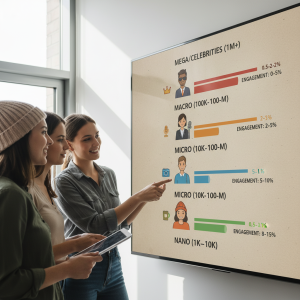
Influencer marketing is a digital strategy where brands collaborate with content creators to promote products or services to a targeted audience. Unlike traditional advertising, this method relies on trust, authenticity, and audience relationships. Influencers already have loyal followers who value their opinions, making promotions feel more organic. Today, influencer marketing includes nano, micro, macro, and celebrity influencers across platforms like Instagram, TikTok, YouTube, and blogs. As consumers increasingly avoid direct ads, influencer-driven content continues to gain effectiveness. Brands use influencer marketing to build awareness, drive engagement, and increase conversions, making it a critical part of modern digital marketing strategies. Read more Influencer Marketing Guide.
Who Is an Influencer Marketing Specialist?

An influencer marketing specialist manages and executes influencer campaigns for brands. Their role involves identifying suitable influencers, managing relationships, coordinating collaborations, and evaluating campaign performance. They ensure influencer content aligns with brand voice, goals, and audience expectations. Specialists also negotiate contracts, manage timelines, and oversee content approvals. This role blends marketing strategy, communication, creativity, and analytics. Depending on the organization, an influencer marketing specialist may work in-house, at an agency, or as a freelancer. Success in this role requires strong organizational skills and the ability to adapt quickly to digital trends.
Why Influencer Marketing Is a High-Growth Career
Influencer marketing continues to grow as brands shift budgets from traditional advertising to digital-first strategies. Consumers trust people more than ads, making influencers powerful marketing assets. Businesses of all sizes—from startups to global brands—now invest heavily in influencer campaigns. This demand creates strong career opportunities, including remote jobs and freelance work. As new platforms emerge and creator economies expand, influencer marketing specialists are becoming essential to brand growth. Long-term career paths include senior strategist roles, agency leadership, or independent consulting.
About an Influencer Marketing Specialist’s Daily Responsibilities
A person who specializes as a marketing influencer is accountable for managing their brand’s influencer campaigns. For example, they are responsible for finding potential partners as well as evaluating the success of collaborations.
While specifics will vary by organization, duties might include the following:
- Researching and identifying influencers to suit both the brand’s voice as well as its audience.
- Making all that such influencers anything but officially perfect entails.
- Coordinating outreach efforts with new partners (both great and small) and negotiating a deal as required.
- Marketing specialists can grow some type of marketable content out of influencer contributions and are capable enough to modify it as necessary for solutions like commercials, pop-ups, or page flotsam.
- Positioning the yardstick of a marketing campaign will measure performance: engagement rates and volume of conversions of the information brand name.
Industry trends and new platforms within the range of potential influencer opportunities also need to be kept under study.
Since it combines marketing skills with a need for creativity and management of relationships, the job is perfect for motivated candidates who are capable of communicating effectively.
A Few Skills You Will Also Need
Get the sound-effects ready! (Research with actual people)
-
Writing Skills
Writers should have good routine journalistic writing habits or it becomes plain irritating and obscure what they’re trying to say. -
Originality
It helps to be different, though. It may not always be clear how originality can help in an industry that thrives on repeatable formulas, but people imitate shooters and opinions so easily these days that they end up looking for overtones too hard to find. -
Lasting Appeal
Even now, video is not the only way to get off the starting blocks! As conversation and comment are now also part of influencer marketing, it’s easy to become one very powerful voice on any topic soon enough.
Ideas on Career Levels for an Influencer Marketer
Before reaching world prominence as an influencer marketer, you should first learn how to become one. On the downside, you may not like it and then your time is wasted; however, if this course happens to suit, then it just may be everyone winning!
Diverse perspectives and creativity make every influencer campaign unique.
Giving many perspectives makes the work fun and lively, but equally, it forces your thinking forward in this new concept world.
Intense Moments of Fate
The very rewarding challenge is to create campaigns that deeply resonate with the public and lead to factual involvement.
Skills Needed to Break Into an Entry-Level Role in Influencer Marketing

- Communication Skills
Excellent written and verbal communication skills will be required to really thrive in this position. - Social Media Expertise
In order to understand the workings of Instagram, TikTok, YouTube and in-the-making platforms used by influencers, stay lively and developing. - Analytical Thinking
Know how to measure the success of your influence campaigns in numbers like engagement rates, click-through rates, and conversions. - Organizational Skills
Relationship management, timetabling, and product outputs are all among the expectations accompanying influencer campaigns. - Creative Thinking
To concoct sensational campaigns that draw and capture audiences requires lateral thinking. - Five Essential Steps to Kickstart Your Career as an Influencer Marketing Specialist
Step 1: Lay the Foundation
Read trade newspapers, watch webinars, and learn the basics of digital marketing.
Recommended Materials:
- Influencer by Brittany Hennessy
- HubSpot Marketing Blog
- HypeAuditor Reports
Step 2: Sharpen Your Social Media Skills
Try posting videos, experimenting with hashtags, and managing personal accounts to learn platform dynamics.
Step 3: Create a Portfolio
Show examples of any social media campaigns, collaborations, or volunteer projects.
Step 4: Network with Industry Professionals
Attend events like Social Media Week and connect with professionals on LinkedIn.
Step 5: Get in the Game with Entry-Level Jobs (and Internships)
Apply for roles like “Influencer Marketing Assistant,” “Marketing Coordinator,” or “Social Media Assistant.”
Platforms to Search:
- Glassdoor
- Indeed
- AngelList
What Tools Do I Need as an Influencer Marketing Specialist?
- Hunter.io – For influencer outreach emails.
- BuzzSumo – For finding hot topics and content creators.
- Grin and Upfluence – For influencer research and relationship management.
- Canva – For creating all sorts of artwork.
- Sprout Social – For performance statistics and reporting.
Core Skills Required for Success
To succeed as an influencer marketing specialist, communication skills are essential. You must clearly convey expectations to influencers and present results to stakeholders. Writing skills are needed for briefs, proposals, and reports. Analytical thinking helps measure performance metrics such as engagement rates and conversions. Creativity is critical for developing campaign ideas that stand out. Time management and relationship-building skills are equally important, as multiple campaigns often run simultaneously. These combined skills allow specialists to deliver campaigns that are both creative and data-driven.
Influencer Research and Selection
Effective influencer campaigns begin with thorough research. Follower count alone does not guarantee success. Specialists evaluate engagement rates, audience demographics, content quality, and brand compatibility. Fake followers and low engagement can damage campaign results, so authenticity checks are essential. Research includes analyzing previous brand collaborations and reviewing audience comments. By selecting influencers who genuinely align with the brand, campaigns feel natural and perform better. Strong research significantly increases campaign ROI and brand credibility.
Campaign Planning and Execution
Campaign planning starts with defining clear objectives such as brand awareness, traffic, or sales. Specialists determine campaign formats, timelines, and content types. Influencer briefs must outline expectations, messaging, and deliverables clearly. During execution, specialists coordinate posting schedules, review content, and ensure compliance with brand guidelines. Ongoing communication with influencers helps prevent delays and misunderstandings. A well-planned campaign ensures consistency, quality, and measurable outcomes.
Measuring Campaign Performance
Performance measurement is a critical responsibility of influencer marketing specialists. Metrics include engagement rate, reach, impressions, click-through rate, and conversions. Specialists analyze which influencers and platforms perform best. Reporting insights help brands understand ROI and optimize future campaigns. Data-driven decisions improve targeting, content strategy, and influencer selection. Without proper measurement, campaigns lack direction and growth potential.
Essential Tools for Influencer Marketers
Influencer marketing tools streamline research, outreach, and reporting. Hunter.io helps find influencer contact information. BuzzSumo identifies trending topics and creators. Platforms like Grin and Upfluence manage influencer relationships and campaigns. Canva supports fast and professional visual content creation. Sprout Social provides analytics and reporting tools. Mastery of these tools improves efficiency, accuracy, and campaign scalability.
Entry-Level Career Opportunities
Beginners can enter influencer marketing through roles such as Influencer Marketing Assistant, Marketing Coordinator, or Social Media Assistant. Internships offer hands-on experience and industry exposure. Building a portfolio with personal projects, volunteer campaigns, or freelance work is highly valuable. Job platforms like LinkedIn, Indeed, Glassdoor, and AngelList are common entry points. Early experience focuses on learning tools, communication, and campaign execution.
Long-Term Career Growth
With experience, influencer marketing specialists can advance to senior strategist or campaign manager roles. Some professionals choose freelancing or start their own agencies. Continuous learning, networking, and personal branding support long-term success. Staying updated on platform changes and industry trends is essential. Influencer marketing offers flexibility, creativity, and strong earning potential as a long-term career.
The Right Tools and a New Mindset Are the Start of Your Journey

If you use the right tools and have a positive attitude, becoming an influencer will be a rewarding career.
Whether you just graduated or are switching careers, following these steps will help you confidently begin your journey into influencer marketing.
Conclusion
Influencer marketing is no longer optional—it is a core digital marketing strategy. With the right skills, tools, and mindset, becoming an influencer marketing specialist is both achievable and rewarding. This career offers creativity, flexibility, and long-term growth for motivated professionals.
Frequently Asked Questions (FAQ)
1. What is an influencer marketing career like, and is it long-term?
Influencer marketing is a fast-growing, dynamic field where creativity, communication, and data analysis intersect. As brands increasingly shift budgets from traditional ads to influencer campaigns, the demand for skilled specialists continues to rise. With experience, long-term roles, senior positions, or freelance opportunities, it makes it a sustainable career path.
2. Do I need a marketing degree to start in influencer marketing?
No formal degree is strictly required. While a marketing or communications background helps, practical experience, digital literacy, social media understanding, and a strong portfolio often matter more. Many specialists start through internships, freelance projects, or personal campaigns to build real-world skills before applying for full-time roles.
3. Can beginners enter this field easily?
Yes. Entry-level roles such as Influencer Marketing Assistant, Social Media Coordinator, or Marketing Intern are ideal starting points. Beginners should focus on learning platform mechanics, building a portfolio, understanding analytics, and networking with industry professionals to gain exposure and grow in this competitive field.
4. Which platforms are most important for influencer marketing?
Instagram, TikTok, YouTube, and LinkedIn dominate influencer campaigns today. Emerging platforms like Threads, BeReal, and Twitch are gaining traction. Understanding platform algorithms, content formats, and audience behavior is critical to choosing the right platform for each campaign and maximizing engagement and ROI.
5. How do I identify fake or low-quality influencers?
Check engagement rates, audience authenticity, and content consistency. Fake followers often inflate numbers but show minimal real engagement. Tools like HypeAuditor, Social Blade, and manual analysis of comments and shares help ensure you collaborate with credible influencers who genuinely influence their audience.
6. Is freelancing possible in influencer marketing?
Absolutely. Freelancing offers flexibility and opportunities to work with multiple brands or agencies. Many specialists start as freelancers to build experience, portfolio, and network. Freelancing requires excellent self-management, client communication, and the ability to deliver measurable campaign results independently.
7. What salary can I expect at entry-level?
Entry-level salaries vary by region, company size, and experience. Typically, positions such as Marketing Assistant or Coordinator range from $30,000–$50,000 annually in most countries. Freelancers may earn project-based fees, often higher per campaign, depending on the influencer scale and deliverables.
8. How important are analytics skills in influencer marketing?
Analytics are essential. Understanding metrics like engagement rates, click-throughs, conversions, reach, and ROI is critical to optimizing campaigns. Data-driven decisions ensure influencers deliver value, campaigns meet goals, and brands invest efficiently. Specialists without analytics skills may struggle to demonstrate campaign success.
9. Do small influencers perform better than large influencers?
Micro and nano-influencers often provide higher engagement rates and more authentic audience connections. Large influencers offer reach but may have lower engagement or higher costs. The best choice depends on campaign goals, audience targeting, and budget. Often, a combination of small and large influencers works best.
10. What tools are essential for starting in influencer marketing?
Key tools include:
- Hunter.io – for outreach emails
- BuzzSumo – for trending content discovery
- Grin & Upfluence – for influencer research and relationship management
- Canva – for creating visuals
- Sprout Social – for analytics and reporting
Mastering these tools improves efficiency and campaign success.
11. How long does it take to see results from influencer campaigns?
Campaign performance varies by type, platform, and influencer. Brand awareness may increase in days or weeks, while engagement and sales conversions can take months. Long-term campaigns and continuous optimization usually yield the most sustainable results. Tracking metrics consistently helps adjust strategy quickly.
12. Is influencer marketing still growing?
Yes. Influencer marketing is expanding globally as brands embrace digital-first strategies and consumers trust creators over traditional ads. New platforms, creator economies, and data-driven campaigns continue to drive growth, making it a promising and evolving career for marketing professionals.