Influencer Marketing Partnership Guide: From Outreach to Campaign Success

An Influencer Marketing Partnership works best when it is treated as a relationship, not a transaction. The most successful brands start with a clear objective, choose creators who already match the audience, and shape the message so it feels natural in the creator’s voice. That approach keeps the brand message useful, believable, and easy to remember.
A strong Influencer Marketing Partnership also protects trust. Instead of forcing a sales pitch, it gives the audience useful context, a believable recommendation, and a reason to care. That is why creator-led campaigns often earn more attention than polished but distant advertising. It also helps the team move faster without losing creative quality.
An Influencer Marketing Partnership should always begin with the outcome you want. Reach, traffic, leads, app installs, and sales all require different creator choices, offer structures, and content formats. A campaign without a defined outcome can look busy and still fail to produce value. Clear objectives make every decision simpler, sharper, and easier to justify.
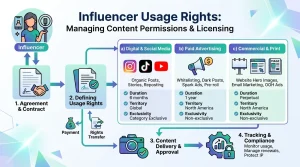
The right Influencer Marketing Partnership can become a reusable growth asset. Content can be repurposed into ads, landing pages, email campaigns, and social proof, which means one well-planned collaboration may continue paying off long after the original post has gone live. Reusable content gives the collaboration longer value across many channels.
Why influencer partnerships matter
Because an Influencer Marketing Partnership taps into trust that already exists between creator and audience, it often feels more credible than a brand-only message. People do not just hear what the brand says; they see how a trusted voice explains the product in real life. Trust grows when the message feels like guidance, not interruption.
An Influencer Marketing Partnership also helps brands stand out in crowded categories. When competitors sound similar, the creator’s tone, examples, and storytelling can make the same product feel more relevant, more human, and easier to remember. Smart planning turns ordinary reach into more meaningful audience attention.
Another advantage of an Influencer Marketing Partnership is flexibility. One creator may build awareness with a short-form video, while another may educate with a detailed tutorial. That variety lets marketers match the content format to the stage of the buyer journey. Different formats help one message serve multiple moments in the buyer journey.
An Influencer Marketing Partnership becomes even more powerful when the brand plans for more than one platform. A strong message can move from short video to blog mention to story post, giving the audience multiple chances to notice and act without feeling overwhelmed. Cross-platform planning gives the campaign more chances to connect naturally.
Building the right foundation

Before launching an Influencer Marketing Partnership, define what success looks like in numbers and in behaviour. A clear Influencer Partnership Strategy keeps the team from chasing vanity metrics and helps everyone understand which performance signals matter most during and after the campaign. Specific goals keep the team focused on outcomes instead of vanity numbers.
An Influencer Marketing Partnership also needs a clear audience map. The creator’s followers should resemble the buyers you want to reach, and the content style should match how those buyers consume information. Fit matters more than raw follower count. Audience fit matters because relevance usually beats size in real campaigns.
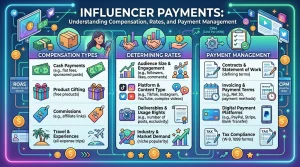
When planning an Influencer Marketing Partnership, decide how the collaboration will be structured. Some campaigns need a flat fee, some work better with affiliate links, and some use a hybrid model. The right structure depends on the goal, the timeline, and the creator’s expectations. Simple compensation structures reduce confusion and support faster creator decisions.
A well-built Influencer Marketing Partnership keeps the offer simple. If the compensation, deliverables, and timeline are easy to understand, creators can say yes faster and produce content with less confusion. Simplicity often improves both relationships and results. Clarity in the offer often improves both response rates and trust.
How to identify creators who truly fit
A practical Influencer Marketing Partnership can work as an Influencer Collaboration Guide when creator research is done well. Review recent posts, comment quality, audience response, and the kinds of brands the creator already discusses. Strong engagement and clear relevance usually matter more than a large but passive audience. Careful screening protects the brand from awkward mismatches later.
An Influencer Marketing Partnership should also check brand safety. A creator can have good numbers and still be a poor fit if their tone, values, or content habits conflict with the brand image. Careful screening prevents awkward partnerships later. Good screening saves time and helps the campaign stay on message.
One useful part of an Influencer Marketing Partnership is comparing content depth, not just content volume. Some creators excel at quick entertainment, while others are better at explanation, proof, and product demonstration. Choose the style that matches your campaign goal. Depth of content can matter more than posting frequency alone.
An Influencer Marketing Partnership is strongest when the creator already understands the audience’s pain points. If the creator regularly talks about the same problem your product solves, the eventual recommendation will feel more like helpful advice than a sponsored interruption. When the creator already knows the problem, the recommendation feels honest.
Crafting outreach that gets replies
The first message in an Influencer Marketing Partnership, especially inside an Influencer Outreach Strategy, should feel personal. Mention a post, a topic, or a story the creator shared, and explain why it matters to your brand. That single detail signals that the outreach was written for them, not copied from a template. Personal outreach shows respect and makes the relationship easier to start.
In an Influencer Marketing Partnership, clarity matters as much as warmth. Say what the campaign is about, what type of content you want, and what the creator receives in return. People respond more easily when the opportunity feels concrete and respectful. Concrete details help the creator evaluate the opportunity quickly.
An Influencer Marketing Partnership should never pressure a creator to reply instantly. Give enough information to spark interest, then allow time for questions and review. A calm, professional tone usually creates better conversations than urgency or hard selling. A calm tone supports better conversations and fewer rushed decisions.
Successful outreach in an Influencer Marketing Partnership often leads with relevance, not compensation. When the creator understands why the collaboration suits their audience, the offer feels meaningful. Payment still matters, but relevance is often what opens the door first. Relevance often opens the door before payment is even discussed.
Making the partnership mutually valuable
An Influencer Marketing Partnership becomes one of the strongest Brand Influencer Partnerships when both sides benefit. The brand gains reach, credibility, and conversion potential, while the creator gains fair pay, useful content, and a chance to work with a product that fits their audience. Both sides benefit when value is balanced and expectations are realistic.
Creator freedom is essential in an Influencer Marketing Partnership. Audiences can quickly sense when a script sounds stiff or unnatural. Give the creator the key points and the brand rules, but let them translate those ideas into their own style. Creative freedom helps the final post feel sincere and native.
Fair compensation strengthens every Influencer Marketing Partnership. When creators feel respected, they are more likely to communicate clearly, meet deadlines, and produce stronger content. Payment is not just a cost; it is part of relationship quality. Respectful payment practices improve quality, speed, and long-term willingness.
Long-term deals can make an Influencer Marketing Partnership more believable. When a creator mentions a brand more than once, the recommendation feels less like a one-time ad and more like an ongoing experience. Repetition can quietly build confidence. Repeated exposure can quietly build familiarity and audience confidence.
Managing the campaign from kickoff to delivery

Once the deal is signed, Influencer Marketing Partnership depends on organized Influencer Campaign Management. A strong brief should explain the product, audience, deliverables, deadlines, disclosure rules, and approval process. The clearer the brief, the fewer the mistakes. Good briefs reduce mistakes and make creative work easier for everyone.
Time management is another important part of an Influencer Marketing Partnership. The team should know when drafts are due, when revisions happen, and when the final content will publish. A simple timeline keeps everyone aligned and lowers stress. Simple timelines help teams stay coordinated from start to finish.
An Influencer Marketing Partnership should avoid too many revision rounds. Review for accuracy, compliance, and brand fit, but do not erase the creator’s voice. The audience should still feel the creator speaking, not a brand manager behind the scenes. Efficiency helps the team move faster without losing creative quality.
When several creators are involved in an Influencer Marketing Partnership, a shared tracker is helpful. It keeps deadlines visible, reduces back-and-forth messages, and helps the team spot bottlenecks before they become problems. Small systems often prevent large delays. Shared trackers make complex collaborations easier to manage at scale.
Measuring what actually matters
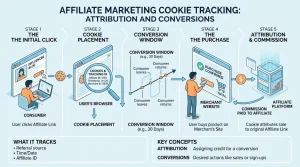
Measuring an Influencer Marketing Partnership means choosing the metrics that actually match the goal. Views and impressions can be helpful, but they should not be the only focus. Depending on the campaign, clicks, saves, conversions, and traffic quality may matter more. Right metrics help the team understand what really drove results.
An Influencer Marketing Partnership also benefits from qualitative analysis. Audience comments can reveal whether people trusted the message, found the product useful, or still had doubts. These signals are not as easy to chart, but they are highly valuable. Qualitative feedback adds context that raw numbers cannot fully show.
After an Influencer Marketing Partnership, compare what happened with what you expected. Did the creator drive awareness, education, or conversions? Did the message create curiosity or objections? Reviewing those details makes the next brief smarter and more effective. Reviewing expectations against outcomes improves the next campaign immediately.
An Influencer Marketing Partnership becomes a learning system when the brand uses results to improve future decisions. The best teams do not only count performance; they study patterns, update targeting, and refine creative direction so each new campaign performs better. Learning loops make each new launch more strategic than the last.
Building relationships that last
An Influencer Marketing Partnership should not end when the post goes live; Influencer Relationship Building continues long after publication. Long-term creator relationships help the brand build familiarity, improve product understanding, and make future campaigns easier to launch. Familiarity often turns into stronger storytelling and better results. Strong relationships make future campaigns smoother, faster, and more effective.
Respect is the foundation of every Influencer Marketing Partnership. Paying on time, answering questions quickly, and sharing campaign results after launch all show that the creator is valued. Simple professionalism often leads to stronger loyalty than big promises. Professional habits build trust that lasts beyond a single post.
Feedback also matters in an Influencer Marketing Partnership. Good feedback is specific, useful, and focused on the brief. When creators know what worked and what needs adjustment, they can improve without feeling controlled or dismissed. Specific feedback helps creators improve without feeling restricted or undervalued.
An Influencer Marketing Partnership can become a partnership network over time. When creators have had positive experiences, they are more likely to refer other creators, accept future deals, and speak well of the brand even outside active campaigns. Positive experiences often lead to referrals and future opportunities.
A practical workflow for better execution
A repeatable Influencer Marketing Partnership workflow usually follows the same steps: define the goal, shortlist the creators, personalize outreach, agree on terms, share the brief, review the content, launch the campaign, and then analyze the outcome. Repeatable workflows make scaling possible without sacrificing quality.
Documenting an Influencer Marketing Partnership makes scaling easier. Templates for outreach, briefing, approvals, and reporting reduce confusion and save time. When the process is consistent, the team can focus more on strategy and less on admin work. Templates reduce busywork and leave more room for strategy.
One common mistake in an Influencer Marketing Partnership is chasing popularity instead of relevance. A large audience is not enough if that audience does not care about the category. Fit always beats vanity metrics when real business results matter. Consistency helps the team spend less time fixing avoidable issues.
Another mistake in an Influencer Marketing Partnership is over-controlling the content. If the brand removes the creator’s personality, the post may lose the very trust that made the collaboration valuable. The best campaigns protect authenticity while keeping the message accurate. Authenticity must stay protected because trust is the real asset.
FAQ
What makes a creator collaboration successful?
A good Influencer Marketing Partnership answers a real audience need, matches the creator’s tone, and supports a measurable business goal. When those three pieces line up, the collaboration usually feels natural and performs better. Long-term thinking turns isolated wins into durable marketing momentum.
How do brands improve outreach?
To improve a Influencer Marketing Partnership, start with a more personal outreach message, a clearer brief, and a better creator fit. Those three changes often create faster replies and cleaner content approvals. That approach keeps the brand message useful, believable, and easy to remember.
How long should a creator program run?
The length of a Influencer Marketing Partnership depends on the goal. A short launch can last a few days, while a trust-building program may run for weeks or months with multiple posts and follow-ups. It also helps the team move faster without losing creative quality.
What should brands measure after launch?
The best way to improve a Influencer Marketing Partnership is to review both the numbers and the comments. Metrics show what happened, while audience language shows why it happened and what to change next. Smart planning turns ordinary reach into more meaningful audience attention.
Conclusion
An Influencer Marketing Partnership works best when it is clear, respectful, measurable, and built for the long term. The brands that get the most value are the ones that choose creators carefully, communicate honestly, and improve every campaign with the lessons from the last one. That long view turns good campaigns into durable marketing assets.