Influencer Marketing Techniques That Increase Brand Awareness
Influencer marketing helps brands build trust faster than traditional ads because creators speak to audiences in a more personal way. When campaigns are planned around relevance, authenticity, and clear goals, they can increase awareness, drive engagement, and support long-term growth across social platforms.
Consumers are exposed to thousands of brand messages every day, which makes attention harder to earn and even harder to keep. That is why influencer marketing techniques have become such a powerful part of modern digital strategy. Instead of forcing messages into crowded feeds, brands can work with trusted creators who already have the audience’s attention.
If you have ever asked what is influencer marketing, the simplest answer is this: it is a strategy where brands collaborate with content creators to promote products, services, or ideas in a natural and persuasive way. The real strength of this channel is not just reach. It is trust, relevance, and social proof.
Understanding how influencer marketing works is essential before investing budget. A good campaign does more than generate likes. It helps people discover a brand, learn what it offers, and remember it later when they are ready to buy. That makes influencer marketing techniques especially useful for awareness campaigns, product launches, and community building.
Why Influencer Marketing Matters for Brand Awareness
One of the biggest benefits of influencer marketing is the speed at which it can create familiarity. A new brand can spend months trying to build visibility through organic social posts alone, but a creator partnership can place that brand in front of a warm audience immediately.
This is why many marketers now treat influencer marketing techniques as part of their core top-of-funnel strategy. When creators introduce a brand in a genuine way, the audience is more likely to pay attention. That creates a stronger first impression than a standard banner ad or cold social promotion.
It also helps that social users are increasingly skeptical of polished advertising. They want opinions, demonstrations, and real experiences. In that environment, the best influencer marketing strategies are the ones that feel helpful rather than forced.
Building a Strong Foundation Before You Launch
Before you start spending money, you need a clear purpose. If the main goal is awareness, your content and creator selection should support that outcome. If the main goal is sales, the structure changes. This is where many brands go wrong and later wonder why their influencer marketing techniques did not perform.
For influencer marketing for beginners, the first step is defining the audience. You need to know who you want to reach, what problems they care about, and what type of creator they already trust. Once that is clear, you can move from guessing to planning.
A smart how to start influencer marketing approach includes these questions: What platform matters most? What content format will feel natural? What message should the influencer communicate? Which metrics will prove success? Clear answers make campaigns easier to manage and improve.
How to Find the Right Creators
Learning how to find social media influencers is one of the most important skills in this space. Follower count alone does not tell you much. A creator with a smaller but highly engaged audience often delivers better results than someone with a huge but passive following.
Look at audience fit, comment quality, content style, and posting consistency. This is especially important for brands using a micro influencer marketing strategy, because smaller creators often have stronger trust and more meaningful engagement. Their audiences are usually more niche, which makes targeting more precise.
The strongest influencer outreach strategy begins with relevance. A creator should fit the brand naturally, not just commercially. When the partnership feels aligned, the message feels real. That is one of the clearest signs of effective influencer marketing techniques in action.
How Influencers Promote Products Naturally
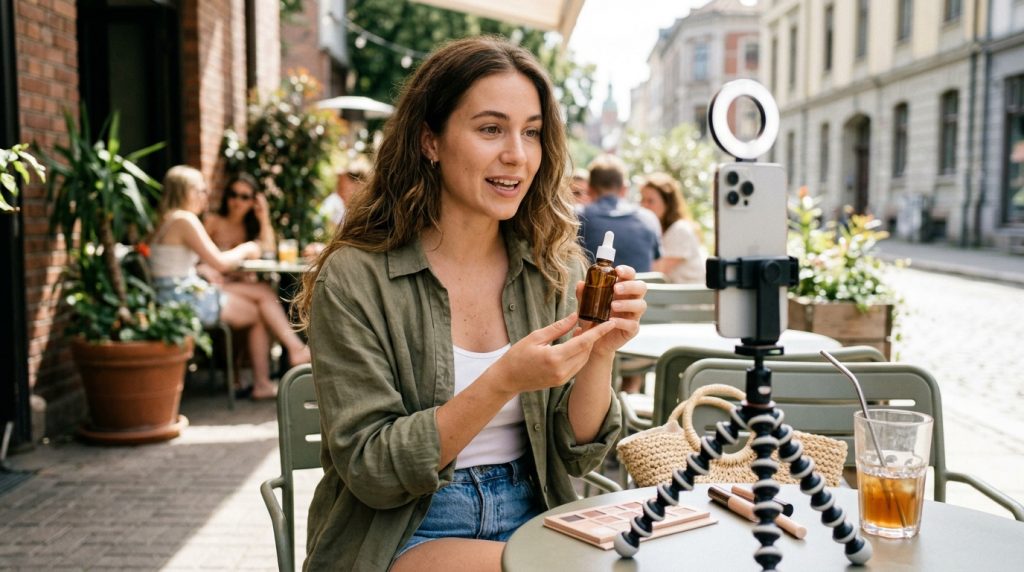
Understanding how influencers promote products helps brands create better campaigns. The best creators do not simply read a script. They show the product in context, explain why it matters, and make it feel useful in everyday life.
This is where storytelling matters. Instead of asking for a hard sell, give the creator a theme, a key message, and enough freedom to communicate in their own voice. That flexibility improves authenticity and often increases engagement. It also helps the audience feel like they are hearing from a trusted person rather than a salesperson.
Brands that study influencer marketing examples often notice the same pattern: the content performs best when it solves a problem, entertains the viewer, or demonstrates a clear benefit. That is why influencer marketing techniques should focus on value first, promotion second.
Platform-Specific Tactics That Work

Different platforms reward different content styles. That is why a one-size-fits-all plan rarely works.
For short-form discovery, tiktok influencer marketing tips usually focus on fast hooks, trend-aware editing, and quick product demonstrations. TikTok audiences respond well to authenticity, entertainment, and speed.
For visual branding and lifestyle content, an Instagram influencer marketing guide should prioritise Reels, Stories, Carousels, and swipe-friendly storytelling. Instagram remains one of the best places for polished but still relatable creator content.
For deeper trust-building and education, a youtube influencer marketing strategy works well because viewers spend more time with the content. Tutorials, reviews, and comparison videos are especially effective for products that need explanation.
The platform you choose should match the audience journey, not just the app’s popularity.
Content Ideas That Increase Awareness
Many brands struggle to come up with influencer marketing campaign ideas, but the best ones often come from simple human behavior. People like learning, comparing, reacting, and sharing. Campaigns that support those behaviors usually perform better.
Strong influencer marketing content ideas include before-and-after demos, unboxing videos, routine integrations, how-to tutorials, and creator challenges. These formats feel natural and provide value at the same time.
A brand can also use seasonal angles, customer pain points, or behind-the-scenes storytelling. When you combine the right message with the right creator, influencer marketing techniques become more memorable and more shareable.
Where Influencer Marketing Fits in the Funnel
Influencer marketing for ecommerce often focuses on awareness, but it can also influence consideration and purchase. A creator post might introduce the product, a follow-up story might answer questions, and a later reminder can push a viewer toward conversion.
This is why how to increase sales with influencers is not only about the final click. It is about the full journey. The audience may first see a product from a trusted creator, then visit the website later, then purchase after a second touchpoint.
For that reason, influencer marketing techniques should support both immediate engagement and long-term recall. When done properly, they help a brand stay visible across the entire buying process.
Influencer Marketing and Other Channels
Some marketers compare influencer marketing vs affiliate marketing and assume they are the same. They are related, but not identical. Affiliate marketing is usually performance-focused, while influencer marketing often starts with awareness, trust, and audience connection. A campaign can combine both, but the purpose of each should be clear.
The same logic applies when comparing paid ads with social media influencer promotion. Ads can scale quickly, but creators provide a layer of credibility that ads often lack. Many of the best influencer marketing strategies blend both approaches for stronger results.
Common Mistakes to Avoid
Even good influencer marketing techniques fail when brands rush the process. One of the most common influencer marketing mistakes to avoid is selecting creators without checking audience fit. Another mistake is over-controlling the creative direction until the content sounds robotic.
A weak brief can also hurt performance. If the creator does not understand the goal, the audience, or the desired tone, the content may feel confusing. Brands should keep the message clear but still allow creative freedom.
Another issue is ignoring measurement. If you do not track results, it becomes impossible to improve. Knowing how to measure influencer marketing ROI helps you understand which campaigns are worth repeating and which ones need adjustment.
Tools, Tracking, and Measurement
Modern influencer marketing tools and platforms make it easier to discover creators, manage outreach, track content, and review performance. These tools help brands save time and stay organized, especially when campaigns become larger or more complex.
But software alone will not fix a weak strategy. Measurement should connect back to business goals. Awareness campaigns may track reach, impressions, video views, mentions, and traffic. Conversion campaigns may track clicks, signups, and purchases.
For influencer marketing techniques to improve over time, you need reporting that tells a story. Which creator produced the most engagement? Which message got the strongest response? Which audience segment reacted best? Data turns guesswork into strategy.
Influencer Marketing for Different Business Types
Influencer marketing for small businesses is often more effective than many owners expect. Smaller brands do not need giant celebrity deals. They need relevance, consistency, and a clear audience match. A small company can start with a few niche creators and build awareness steadily.
For larger brands, campaigns may include multiple tiers of creators, custom landing pages, and broader distribution. Even then, the most effective influencer marketing techniques still depend on trust and content quality.
Brands in competitive retail spaces often ask whether the same methods work everywhere. The answer is yes, but the execution changes. The right campaign for fashion will look different from one for software, food, fitness, or home products.
Influencer Marketing Best Practices for Sustainable Growth
Following influencer marketing best practices means thinking beyond one post. Great campaigns are designed around relationships, repeatable workflows, and clear communication.
That includes setting expectations early, defining usage rights, clarifying content deadlines, and making sure the creator understands the audience. It also means reviewing performance after the campaign so you can improve the next one.
When brands respect the creator relationship, campaigns feel more natural. This is one reason how brands collaborate with influencers has become such an important part of long-term strategy. Collaboration works best when both sides benefit and both sides understand the goal.
Influencer Marketing Trends to Watch
Looking ahead, influencer marketing trends 2026 will likely continue to favor authenticity, niche communities, and short-form video. Audiences are becoming more selective about what they follow and what they trust. That means content quality and relevance will matter even more.
Brands should also pay attention to creator-led communities, live shopping, and deeper platform integration. These shifts will keep changing how influencer marketing techniques are planned and measured.
Table: Influencer Campaign Planning at a Glance
| Campaign Goal | Best Creator Type | Best Content Format | Main KPI |
|---|---|---|---|
| Brand awareness | Micro or niche influencer | Short video, story, reel | Reach and impressions |
| Engagement | High-trust creator | Polls, comments, live video | Likes, shares, comments |
| Product education | Expert or reviewer | Tutorial or demo | Watch time and saves |
| Sales support | Conversion-focused creator | Review, offer, link post | Clicks and purchases |
Practical Framework for Success

If you want to apply influencer marketing techniques effectively, start with a simple framework. First, define your audience. Second, select creators who match that audience. Third, choose content formats that fit the platform. Fourth, track meaningful results. Fifth, improve the next campaign based on real data.
This framework works because it keeps the focus on people, not just promotion. That is the core idea behind every successful creator partnership. The best campaigns are built on trust, clarity, and relevance.
Conclusion
Influencer marketing works best when it feels human, specific, and useful. Brands that focus on genuine creator fit, strong messaging, and platform-appropriate content usually earn better awareness than brands that chase attention without strategy. The most effective influencer marketing techniques are not loudest; they are the ones that match the audience’s interests and habits. When you combine thoughtful planning, creative freedom, and consistent measurement, influencer campaigns can strengthen brand visibility, build credibility, and support sustainable growth over time. That is why smart marketers treat this channel as a long-term asset, not a one-time promotion.
FAQs
1. What is the main purpose of influencer marketing?
The main purpose is to use trusted creators to introduce a brand to the right audience in a natural way. It helps people notice, remember, and feel more comfortable with a brand.
2. How influencer marketing works in simple terms?
A brand partners with a creator who shares content about the product or service. The creator uses their own voice, which makes the message feel more authentic and relatable to followers.
3. Are influencer marketing techniques useful for small brands?
Yes. Smaller brands can often get strong results by working with niche creators who have loyal audiences. This is a practical option for businesses with limited budgets.
4. What are the benefits of influencer marketing?
The biggest benefits include trust, reach, engagement, and stronger brand awareness. It can also support traffic, leads, and sales depending on the campaign goal.
5. How do I choose the right creator?
Review audience fit, content quality, engagement, and brand alignment. A strong match matters more than follower count alone.
6. What are the best influencer marketing strategies for awareness?
Use creators who fit the niche, choose short-form video, keep the message clear, and focus on storytelling instead of hard selling.
7. How can brands avoid influencer marketing mistakes?
Avoid choosing creators only for popularity, over-controlling the content, and skipping measurement. Clear goals and good communication prevent many problems.
8. What is the difference between influencer marketing and affiliate marketing?
Influencer marketing focuses more on trust and awareness, while affiliate marketing is more performance-based and tied directly to tracked sales or clicks.
9. How do I measure influencer marketing ROI?
Track traffic, engagement, leads, conversions, and sales against campaign cost. The right metrics depend on whether the goal is awareness or direct response.
10. Which platforms are best for creator campaigns?
TikTok is strong for fast discovery, Instagram is great for visual storytelling, and YouTube works well for deeper education and reviews.