How to Become an Influencer and Start Earning from Social Media
This guide covers everything you need to know about how to become an influencer. We will explore choosing a profitable niche, creating high-quality content, growing your audience, building relationships, and landing lucrative brand partnerships to monetize your social media presence successfully. Whether you’re just starting or looking to take your brand to the next level, the insights below will guide your journey toward true digital influence.
Learning how to become an influencer opens doors to exciting opportunities and personal growth. In a digital-first world, you can share your passions, connect with a global audience, and turn your creativity into a profitable full-time career if you know how to become an influencer the right way. Today, social media offers more tools and learning resources than ever before, making it the perfect time to learn how to become an influencer and maximize your earning potential.
Why You Should Learn How to Become an Influencer
The creator economy is booming, and brands are constantly searching for authentic voices to promote their products. Unlike traditional celebrities, influencers build deep, trust-based relationships with their followers. When you figure out how to become an influencer, you tap into a highly rewarding ecosystem where your unique perspective holds immense value.
Building an audience from scratch takes dedication, but the payoff goes far beyond free products. It allows you to build a personal brand, establish authority in your industry, and generate multiple streams of income through sponsored posts, affiliate marketing, guest appearances, digital products, events, and much more. If you want to maximize your reach and become a sought-after creator, understanding social media monetization is essential. Mastering how to become an influencer means taking control of your personal narrative and leveraging your skills with intention.
Learning how to become an influencer is also about influence beyond profit; it’s about creating meaningful change, inspiring others, and using your platform for causes you care about. The trust you build with your followers gives you a power that is unique to digital creators. From launching new brands to supporting social causes, influencers—big and small—are redefining what it means to create community online.
Step 1: Identify Your Niche and Target Audience
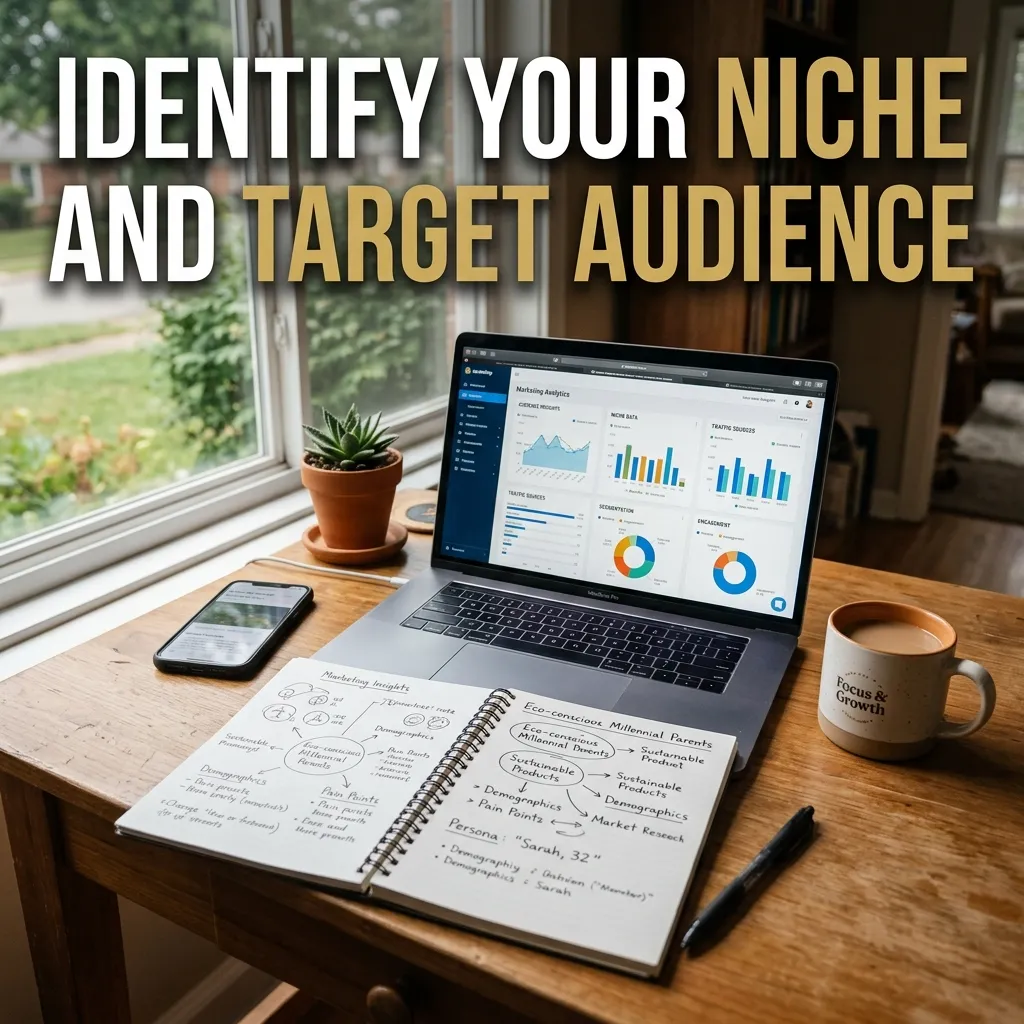
You cannot appeal to everyone. The most successful creators focus on a specific niche—a clear area of expertise or topic that attracts a dedicated audience. A niche is a specialized segment of the market for a particular kind of product or service. By narrowing your focus, you attract a highly engaged community that trusts your recommendations, which is a cornerstone in how to become an influencer who stands out.
To find your niche, ask yourself a few questions:
- What topics do I naturally gravitate toward?
- What knowledge or skills do I possess that others might find helpful?
- Which industries have a strong potential for brand partnerships?
- What problems can I solve or experiences can I share that add value to others?
- Who do I want to serve, and what makes my approach unique compared to other influencers?
Once you settle on a niche—whether it is budget travel, sustainable fashion, or tech gadgets—you must fully understand your target audience. Use analytics tools to study demographic data, interests, and pain points. Knowing exactly who you are speaking to helps you craft content that resonates deeply, which is a core pillar of effective content marketing strategies. When thinking about how to become an influencer, remember: focus and empathy are your greatest assets. Research successful creators in your space, note what works for them, and look for missed opportunities you can claim.
Step 2: Choose the Right Social Media Platforms
Not all platforms are created equal. You need to establish your presence where your target audience spends their time. Focusing on one or two platforms initially allows you to master the algorithms before expanding elsewhere. This targeted approach increases your impact and ensures you aren’t spreading yourself too thin, a common pitfall for beginners who want to learn how to become an influencer.
Platform Comparison Table
|
Platform |
Best For |
Primary Content Format |
Audience Demographics |
|---|---|---|---|
|
|
Lifestyle, Fashion, Beauty |
Images, Reels, Stories |
Millennials, Gen Z |
|
TikTok |
Entertainment, Trends, Humor |
Short-form vertical video |
Gen Z, Millennials |
|
YouTube |
Education, Reviews, Vlogs |
Long-form and short video |
All ages |
|
|
B2B, Career, Business |
Text posts, Articles, Video |
Professionals |
If your goal is to showcase high-quality aesthetics, Instagram remains a top choice. For rapid organic reach through viral trends, TikTok is highly effective—especially when you’re learning how to become an influencer who adapts to current digital culture. For creators teaching complex subjects or reviewing products in detail, YouTube offers unparalleled searchability and ad revenue potential. Many creators also leverage personal branding tips across LinkedIn to secure speaking gigs and B2B sponsorships.
When you decide how to become an influencer, consider your personality, your audience’s habits, and where you enjoy spending time online. Single-platform focus at the start will help you develop consistent habits before cross-posting to maximize reach.
Step 3: Optimize Your Profiles
Your social media profile acts as your digital resume. When users land on your page, they should immediately understand who you are and what value you provide. This might seem simple, but it’s one of the most overlooked aspects for those aiming to learn how to become an influencer.
- Profile Picture: Use a clear, high-quality headshot or a professional brand logo to establish trust and recognition.
- Bio: Write a compelling bio that includes your niche, a touch of personality, a call to action for new followers, and relevant keywords.
- Contact Information: Always include an email address and business contact details for brands and collaborations.
- Link in Bio: Use a link aggregator tool to direct followers to your website, affiliate links, services, or other social channels. This is especially helpful if you offer several ways for your audience to connect.
Consistency in branding—photos, colors, messages—helps with recall and builds credibility, all key elements in your journey to become an influencer.
Step 4: Develop a Consistent Content Strategy
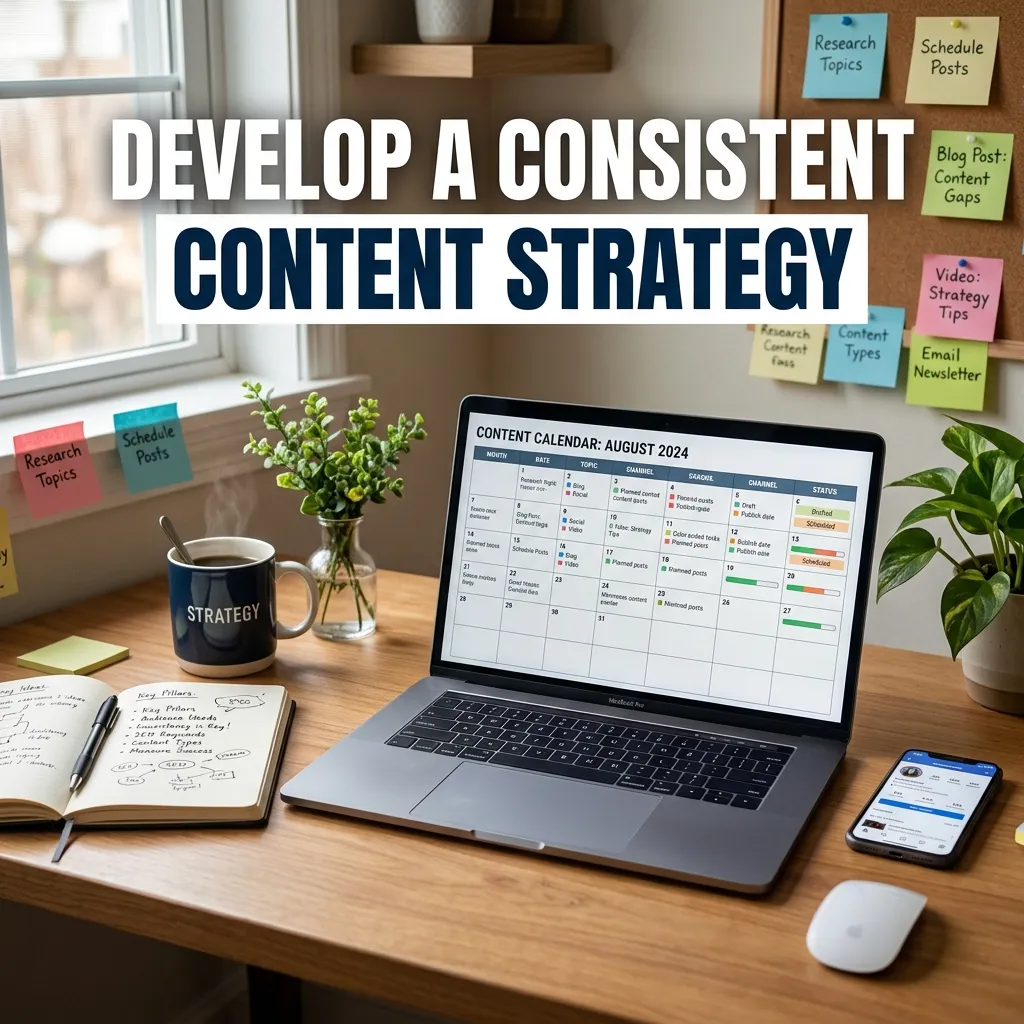
Content is the engine that drives your growth. To learn how to become an influencer who thrives, you must post consistently to stay relevant and keep your audience engaged. A well-researched content strategy involves planning your posts, diversifying formats, and analyzing what performs best. This is crucial when considering how to become an influencer whose work is sustainable and keeps attracting new viewers.
Start by creating a content calendar. Map out your posts weekly or monthly to ensure a steady stream of material. Mix up content types—educational tutorials, behind-the-scenes stories, fun challenges, Q&As, infographics, memes, and livestreams. This diversity keeps your audience interested and increases the chances your posts will be shared.
Quality trumps quantity. A single well-edited, informative video or thoughtful photo will be more memorable than several low-effort posts. Pay attention to lighting, sound, and visual appeal, no matter your main platform. Tools like Adobe Premiere, iMovie, or Canva can take your content quality up a notch. If you want to invest in skills, consider specialist courses available on Coursera or Udemy.
Monitor analytics. Every platform now offers built-in analytics—use them! Track what content gets the best response and refine your approach over time. The more you learn from your data, the sharper your strategies become. Consistency and continual improvement are the secret to how to becoming an influencer who remains relevant year after year.
Step 5: Engage and Grow Your Community
Learning how to become an influencer goes hand in hand with learning how to be a community leader. Gone are the days when influencers could simply post content and vanish. Building a community takes intentional effort.
Reply to comments, ask questions, and host live Q&As. Even small gestures make a big difference in how connected your audience feels. Community feedback is one of your greatest assets for content ideas and engagement. Loyal communities will champion your brand and increase your digital visibility through shares and word of mouth.
Seek out collaboration opportunities with other creators. Leave insightful comments, participate in trends and challenges, and look for cross-promotion options. For example, co-hosting a live session or exchanging guest posts can introduce your page to new audiences quickly—an important hack in how to become an influencer rapidly.
Remember, genuine engagement builds trust, which is at the heart of becoming a respected and sought-after influencer.
Step 6: Create a Media Kit
As your audience grows, brands will begin to notice you. Presenting yourself professionally increases your chances of landing lucrative partnerships. Creating a media kit is an essential step in becoming an influencer who earns consistently.
A media kit is like your promotional portfolio. It should include:
- A short biography: Who you are, what you stand for, your influencer niche, and your mission.
- High-quality photos: Include sample content, professional headshots, or lifestyle pictures.
- Social media statistics: Share your follower count, engagement rate, reach, and audience demographics.
- Showcase past brand collaborations or high-performing content.
- Contact information and rate card if you are ready to negotiate deals.
For benchmarks and best practices in pricing, refer to Influencer Marketing Hub. A strong media kit, updated regularly, shows brands you are serious about collaborating and value transparent communication.
Step 7: Monetize Your Influence
Once you have an engaged audience, the next logical step is to monetize your platform. You do not need millions of followers. Many micro-influencers (10,000–50,000) and even nano-influencers (1,000–10,000) build sustainable income streams. Part of learning how to become an influencer is finding ways to align your values with income opportunities that strengthen your personal brand.
Affiliate Marketing
Promote products you love and earn a commission for every sale made through your link. This approach is great for those focused on trust-building and passive income. Choose only brands and products you believe in to keep your audience’s trust.
Sponsored Content
Brands pay for you to create content that features their products or services. To become an authority and maintain credibility, only promote brands with values aligned to yours, and always disclose partnerships upfront. Readers value transparency!
User-Generated Content (UGC)
You can create content for a brand’s own channels, without posting it to your audience. This way, you generate income with no risk of overwhelming your followers with too many ads.
Digital Products and Merchandise
Sell your own e-books, online courses, digital templates, presets, or even branded merchandise. These revenue streams are scalable and allow you to keep more profit. Developing and launching your own products takes effort, but it’s a critical step in mastering how to become an influencer who is independent and diversifies income streams.
Monetization should always prioritize your audience’s trust and needs, not just short-term gain.
Common Mistakes to Avoid
Learning how to become an influencer includes understanding what not to do. Here are some of the most frequent mistakes:
- Buying Followers: Quick fixes like purchasing followers might bump up your numbers, but it severely damages your engagement rate and reputation. Brands can identify fake audiences easily.
- Ignoring Analytics: Analytics offer crucial feedback for growth. If you neglect data, you lose opportunities to understand your audience and replicate successful content.
- Being Inauthentic: Audiences value realness. Forced personas erode trust over time.
- Inconsistency: Unplanned breaks or sudden spells of inactivity will see you punished by both algorithms and your audience’s memory. Success in how to become an influencer is built through steady, ongoing effort.
- Saying Yes to Everything: Taking every sponsorship or trend, even those that don’t align with your values, can confuse your followers and hurt your long-term brand.
Pro Tips for Long-Term Success

To truly master how to become an influencer, you need more than just a growth hack here or a viral video there. Consider these professional-level tips from established creators:
- Diversify Your Platforms: Do not put all your eggs in one basket. If a platform changes its algorithm or declines in popularity, you could lose your audience. Building an email list is a smart way to retain more control.
- Master SEO: Search engine optimization matters on social media. Use keywords related to your content in your captions and bio. Optimize your video titles and descriptions for searchable terms.
- Treat It Like a Business: Schedule regular admin time for partnership agreements, invoicing, taxes, and networking.
- Stay on Top of Trends—But Don’t Lose Yourself: Keep up with what’s working, but don’t chase every trend mindlessly. Filter them through your niche and audience’s interests.
- Educate Yourself Continuously: The most successful influencers never stop learning, whether it’s about content creation, new monetization models, negotiation tactics, or audience analytics.
- Leverage Internal and External Resources: Connect with authoritative guides and fellow creators. Explore resources like Blogging and Influencer Marketing at Udemy or weekly industry reports from Aspire.
Figuring out how to become an influencer requires patience, creativity, and the willingness to evolve. By developing a focused brand, providing genuine value, and committing to personal growth, your journey can be as rewarding financially as it is personally.
Conclusion
Learning how to become an influencer is a strategic process, requiring clear focus, consistent effort, and authentic engagement with your audience. As you refine your niche and develop your brand, remember that genuine value, trust, and adaptability are the foundations of successful digital influence. By applying these strategies—optimized profiles, high-value content, active community-building, and mindful monetization—you not only grow your audience but also build a sustainable online business. The road may be challenging, but with dedication and smart planning, you can master how to become an influencer and start earning from social media. Ready to take the next step? Start building your influence today and unlock the rewards of the creator economy!
FAQs
1. How many followers do I need to become an influencer?
You do not need millions of followers. Nano-influencers (1,000 to 10,000 followers) and micro-influencers (10,000 to 50,000 followers) are highly sought after by brands due to their high engagement rates and niche audiences. In fact, many guides on how to become an influencer emphasize starting small and growing steadily.
2. Do I need professional equipment to start?
No. Most modern smartphones have excellent cameras that are more than capable of producing high-quality content. Focus on good lighting and clear audio before investing in expensive gear. The most important thing, as you learn how to become an influencer, is consistency and value.
3. How do I find brands to work with?
Start by tagging brands you already use and love in your content. You can also join influencer marketing platforms like Aspire or reach out to brands directly via email with your media kit. Researching brand fit is essential as you master how to become an influencer.
4. How much should I charge for a sponsored post?
Rates vary wildly based on your engagement rate, niche, and the deliverables required. A common baseline formula is $100 for every 10,000 followers, but you should adjust this based on your specific audience metrics and production costs. Tools like Influencer Marketing Hub’s calculators can guide you as you determine how to become an influencer who earns what they deserve.
5. What is the most profitable influencer niche?
Finance, business, tech, and health/wellness tend to be highly profitable because brands in these sectors have larger marketing budgets and higher-priced products. However, you can monetize almost any niche if your audience is engaged. Choosing the right niche is a recurring theme in how to become an influencer guides.
6. How do I calculate my engagement rate?
To find your engagement rate for a specific post, add the total number of likes, comments, and shares, divide that number by your total follower count (or total impressions), and multiply by 100 to get a percentage. Monitoring this metric is vital as you optimize how to become an influencer.
7. Should I create a separate business account?
Yes. Switching to a creator or business account on platforms like Instagram or TikTok gives you access to vital analytics, contact buttons, and the ability to run ads. Every expert tip list on how to become an influencer recommends this step.
8. How do I deal with negative comments?
Do not engage with trolls. Delete abusive comments and block toxic users to protect your peace. Constructive criticism can be helpful, but you must set clear boundaries for your digital space. Protecting your mental health is an often-overlooked aspect of how to become an influencer.
9. Can I be an influencer without showing my face?
Yes. Many successful influencers run theme pages, curate aesthetic content, create animations, or use voiceovers to share valuable information without ever showing their faces. There’s more than one path to discover how to become an influencer that suits your comfort level.
10. How long does it take to start making money?
There is no set timeline. Some creators go viral and monetize within a few months, while others spend years building a steady audience. Consistency and high-quality content are the key factors that all “how to become an influencer” success stories have in common.