The Rise of Virtual Influencers: How Brands Can Leverage Digital Personalities
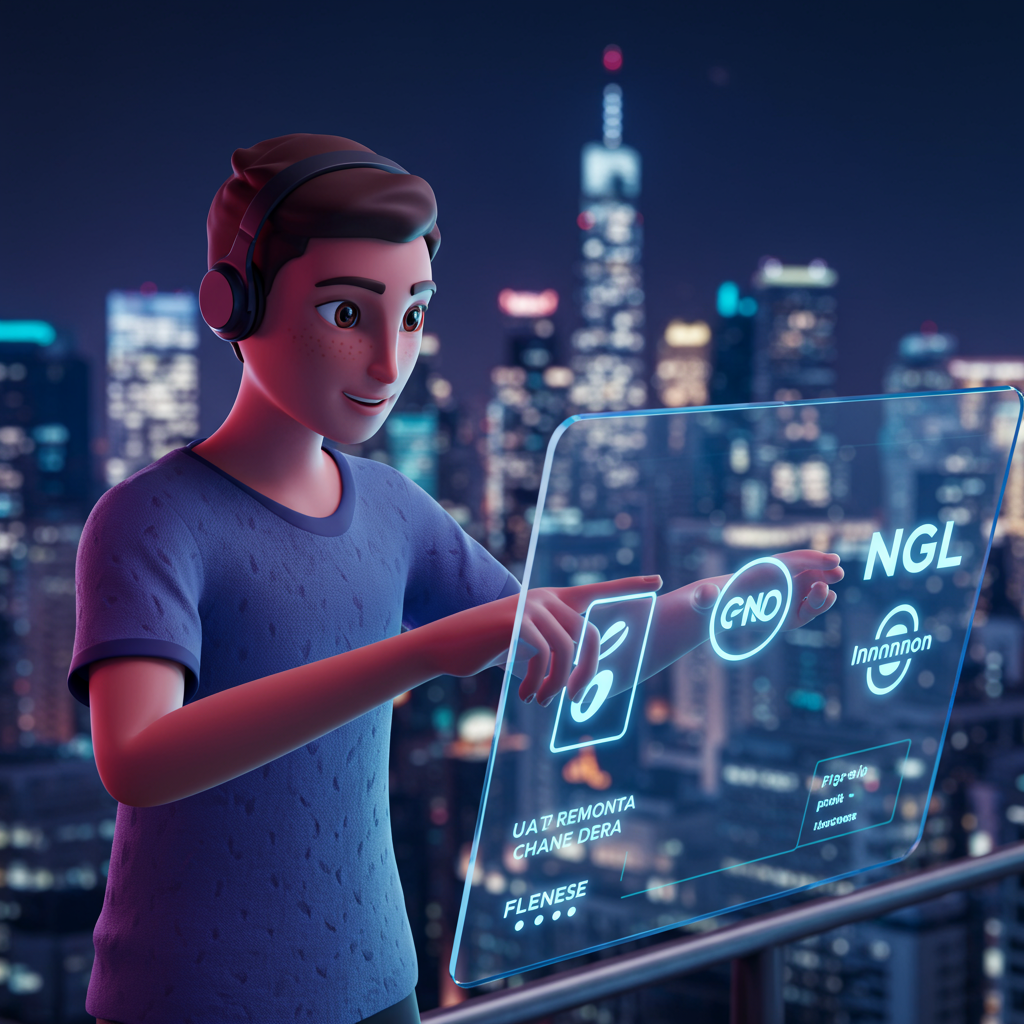
Virtual influencers are AI-driven digital personas that provide brands with creative control, scalability, and data-driven insights. By carefully crafting avatars, engaging audiences, and measuring performance, brands can boost engagement, reach, and loyalty while navigating ethical considerations in digital marketing.
In today’s saturated social media landscape, brands are continually seeking fresh ways to capture audience attention and deliver evolving, cutting-edge content. Enter virtual influencers: computer-generated personalities designed to engage followers, promote products, and build online communities. More than just digital novelties, these AI-crafted avatars merge the precision of technology with the storytelling power of traditional influencers.
Virtual influencers offer unique advantages in modern marketing. They can be styled, scripted, and positioned exactly according to brand goals, ensuring consistent messaging without the unpredictability that sometimes comes with human creators. Their digital nature also allows them to adapt instantly to new trends, appear in any setting imaginable, and participate in creative campaigns that would be difficult or costly to execute in real life.
As younger audiences embrace AI-driven content, these virtual personalities are becoming powerful tools for brands looking to stand out and experiment with innovative approaches. With the ability to blend fiction, design, and marketing into one seamless experience, virtual influencers are shaping a new era of engagement—one where creativity has no limits and brands can connect with audiences in fresh, futuristic ways.
What Are Virtual Influencers?
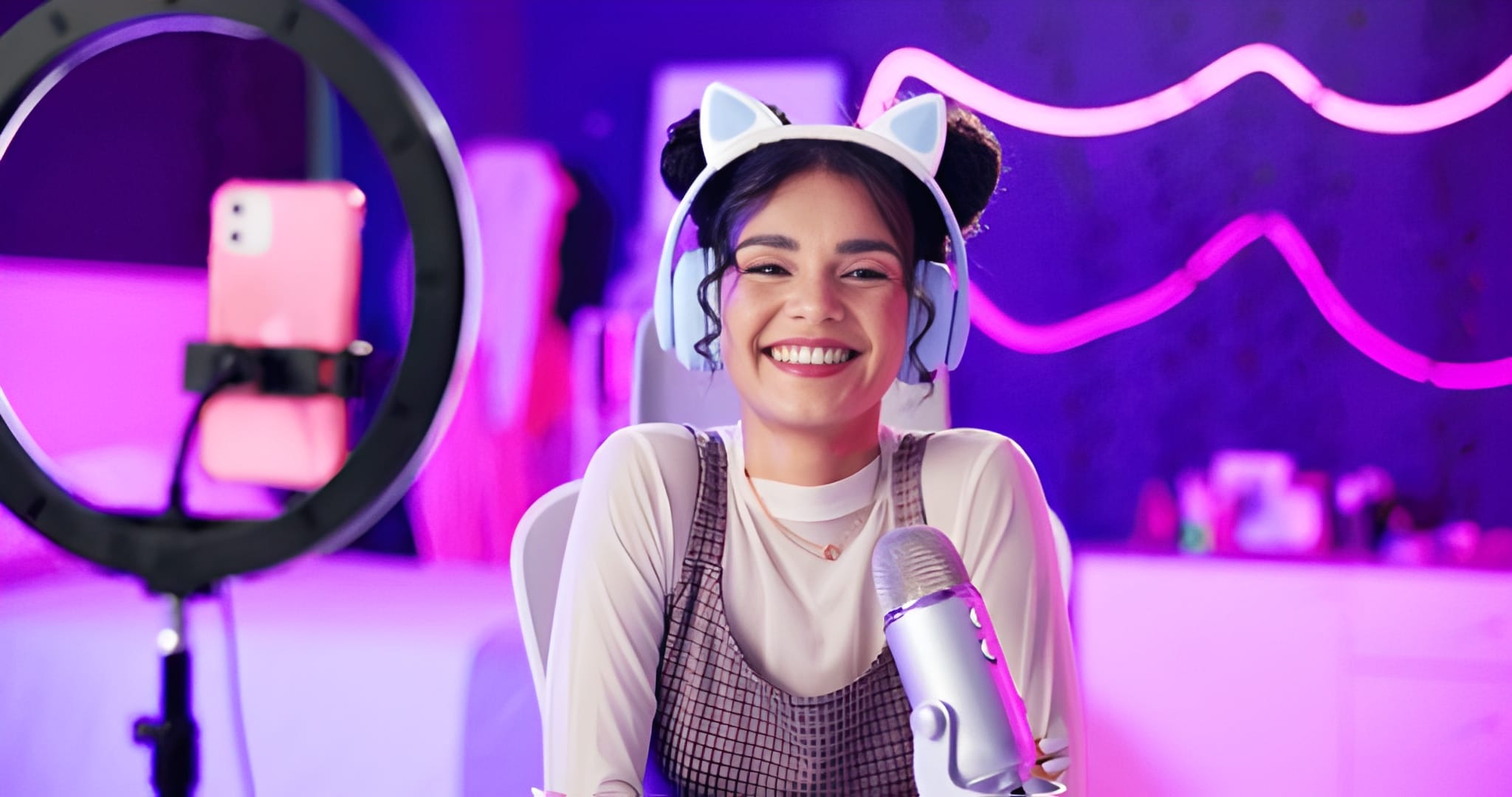
Virtual influencers are fully digital personas designed and managed by creative agencies or tech platforms. Unlike human influencers, these characters don’t age, fall ill, or face public scandals—instead, they follow a scripted narrative and interact with followers based on algorithms and marketing objectives. From lifelike 3D models to stylized illustrations, virtual influencers come in many forms, each tailored to align with a brand’s identity and target audience. Their agility allows brands to maintain consistent voice, aesthetic, and posting schedules without the unpredictability of real-life partnerships.
Key Benefits of Partnering with Virtual Influencers
- Full Creative Control: Brands can craft every aspect of a virtual influencer’s persona, from appearance and backstory to tone and style, ensuring perfect alignment with marketing goals.
- 24/7 Availability: No travel restrictions or time-zone issues—virtual influencers can post, respond to comments, and launch campaigns around the clock.
- Scalability: Once created, a single avatar can serve multiple campaigns, channels, and regions without additional recruitment or onboarding costs.
- Risk Mitigation: Digital personas remove the risk of influencer controversies or unexpected PR crises tied to personal misconduct.
- Data-Driven Optimization: Every interaction can be tracked and refined using analytics, enabling rapid A/B testing of content styles, posting times, and messaging.
Leading Virtual Influencer Case Studies
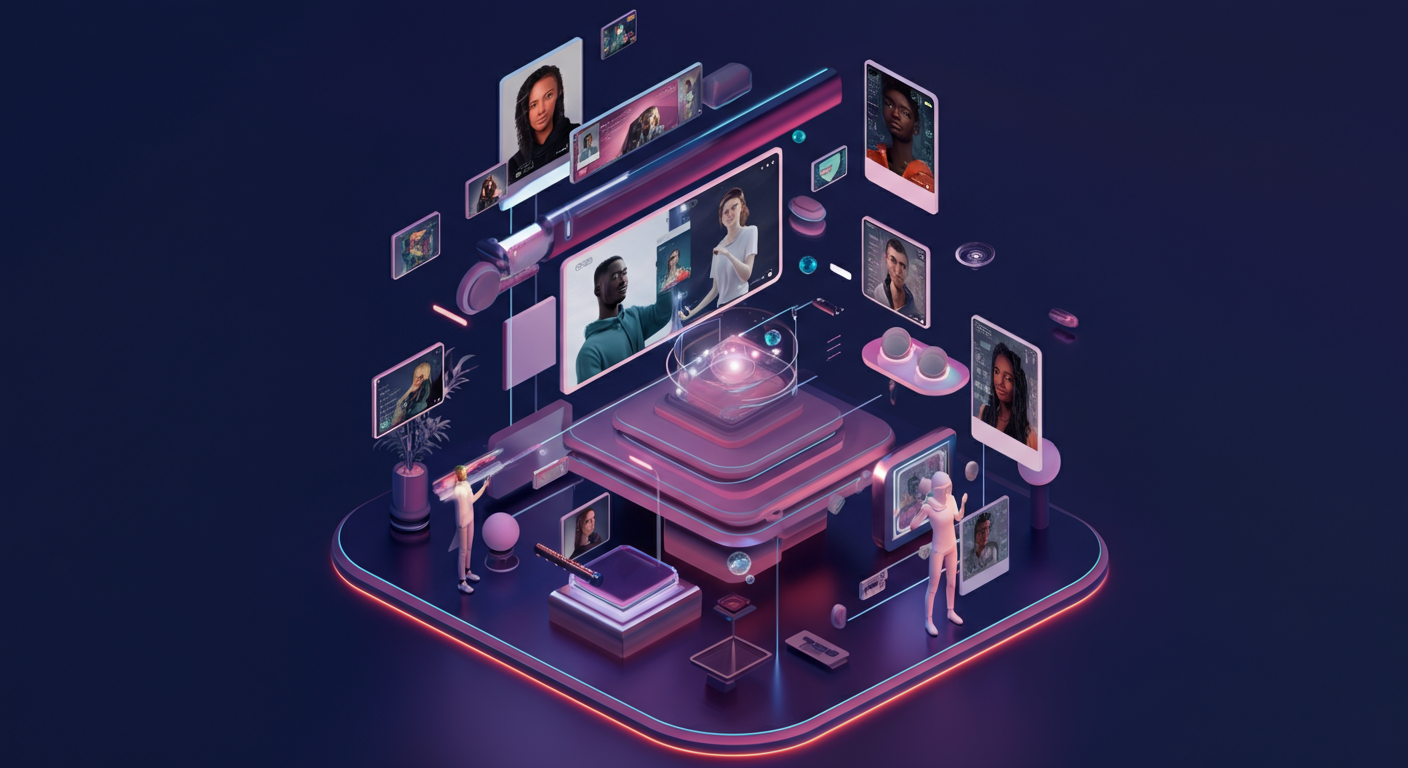
Several trailblazing brands have already embraced virtual influencers, demonstrating tangible impact on awareness and engagement metrics. Lil Miquela, the 19-year-old digital musician and activist, boasts millions of followers on Instagram and partnerships with major fashion houses like Prada. Shudu, billed as the world’s first digital supermodel, has graced high-fashion campaigns for Fenty Beauty. Knox Frost, a 3D-animated gamer, collaborates with gaming brands on Twitch to attract Gen Z audiences. These examples showcase how virtual influencers can inhabit niche roles and amplify brand messaging with vibrant storytelling.
Creating and launching a virtual influencer requires a thoughtful, strategic framework that aligns creative vision with measurable business objectives. Rather than simply designing a digital character and posting content, brands must approach virtual influencer development with the same level of planning and analytical rigor as any major marketing initiative. Follow these essential steps to ensure your virtual persona is both impactful and sustainable:
Define Your Goals
Start by identifying what you want your virtual influencer to achieve. Are you aiming to increase brand visibility, drive e-commerce conversions, elevate storytelling, or nurture long-term community engagement? Setting clear KPIs—such as engagement rate, follower growth, CTR, or campaign reach—will guide your creative direction and help measure success. Clearly defined goals ensure that every aspect of the virtual influencer’s strategy aligns with broader marketing objectives and provides measurable outcomes for ROI evaluation.
Craft the Avatar
Collaborate with 3D artists, animators, and narrative designers to build an avatar that genuinely reflects your brand identity and appeals to your target audience. Consider visual style, age, personality traits, interests, and a backstory that feels believable and relatable. A strong character foundation enhances emotional connection, boosts audience retention, and ensures that your digital persona resonates authentically with followers across different platforms.
Select Platforms
Choose platforms based on where your audience spends most of their time. Instagram and TikTok are ideal for visually rich, short-form content, while YouTube and Twitch support long-form storytelling, behind-the-scenes videos, and real-time interactions. Tailor your strategy to each platform’s strengths, adapting content formats, posting frequency, and engagement tactics to maximize reach and audience interaction.
Create a Content Calendar
Develop a consistent posting schedule that includes images, reels, stories, live sessions, and community prompts. Regular updates keep the avatar relevant and maintain audience engagement. Incorporate themed series, seasonal campaigns, and interactive posts to add depth and variety to the character’s narrative. Planning content in advance also allows for efficient resource allocation and better coordination with marketing campaigns.
Engage the Audience
Encourage two-way communication by involving your followers in the creative process. Polls, Q&A sessions, AR filters, and community-driven challenges help build a sense of ownership among fans. Allow followers to suggest outfit ideas, contribute to storylines, or vote on upcoming content themes. Active engagement strengthens community bonds, enhances loyalty, and fosters authentic connections between the virtual influencer and the audience.
Ensure Compliance & Transparency
Follow all regulatory guidelines for influencer marketing. Clearly label sponsored content and disclose brand partnerships to maintain ethical standards and audience trust. Transparency reinforces credibility, especially when working with AI-driven personalities. Maintaining open communication about the avatar’s digital nature ensures legal compliance, protects brand reputation, and builds long-term audience confidence in your campaigns.
Measuring Success: Metrics That Matter
Just like human influencer campaigns, virtual influencer initiatives must be tracked against objective metrics. Key performance indicators include:
Engagement Rate: Likes, comments, shares, and saves per post relative to follower count. Tracking engagement provides insights into how well the content resonates with the audience and can help identify the types of posts that generate the most interaction. High engagement often indicates strong audience interest and loyalty, which can translate into greater brand advocacy.
Reach & Impressions: Total number of unique users who saw the content and how often it appeared in feeds. Reach shows the breadth of audience exposure, while impressions indicate the frequency with which users view the content. Monitoring both helps marketers understand visibility, optimize posting schedules, and refine targeting strategies to maximize awareness.
Click-Through Rate (CTR): Percentage of viewers who clicked brand links, swipe-ups, or product tags. CTR measures the effectiveness of call-to-action elements within posts, indicating how compelling the content is at driving users to take the desired next step. A higher CTR reflects strong alignment between content, audience interest, and brand objectives.
Conversion Rate: Proportion of clicks resulting in a sale, sign-up, or lead acquisition. Conversion rate demonstrates the tangible impact of virtual influencer campaigns
Challenges & Ethical Considerations
Despite their appeal, virtual influencers raise questions about authenticity and ethics. Critics argue that digital avatars can mislead consumers if they fail to disclose their non-human nature. There’s also the potential for cultural insensitivity or perpetuation of unrealistic beauty standards. To navigate these issues, brands should:
- Clearly label posts as sponsored and highlight the avatar’s digital status.
- Collaborate with diversity consultants to ensure respectful representation.
- Balance virtual campaigns with human-led initiatives to maintain genuine connection.
Future Trends in Virtual Influencer Marketing

As artificial intelligence and machine learning evolve, virtual influencers will grow more interactive and personalized. Expect advancements such as real-time sentiment-driven content adjustments, voice synthesis for dynamic audio experiences, and deeper metaverse integrations. Brands may soon host virtual meet-‑and-‑greets in VR environments or deploy AR filters powered by influencer avatars. Staying ahead of these innovations will require continuous experimentation and data-driven optimization.
Conclusion: Embracing the Digital Revolution
Virtual influencers represent a bold frontier in digital marketing, offering unmatched creative control, scalability, and data-driven insights. While they present unique ethical and authenticity challenges, a carefully planned strategy can unlock powerful engagement and brand affinity. By defining clear objectives, measuring the right metrics, and maintaining transparent communication, brands can harness the potential of digital personalities to stand out in an ever-crowded social media ecosystem.
Ready to elevate your next campaign with a virtual influencer? Start by defining your brand’s ethos and partnering with a creative team that can bring your digital ambassador to life.
FAQ – Virtual Influencers
Q1: What is a virtual influencer?
A1: A virtual influencer is a fully digital, computer-generated personality designed to engage audiences, promote products, and maintain a consistent brand presence online.
Q2: Why should brands use virtual influencers?
A2: They offer full creative control, 24/7 availability, scalability, risk mitigation, and data-driven optimization, making them cost-effective and innovative marketing tools.
Q3: How do I create a virtual influencer?
A3: Define your brand persona, collaborate with experienced 3D/AI studios, craft a backstory, plan a content calendar, and ensure legal compliance with transparency.
Q4: What metrics measure success?
A4: Engagement rate, reach & impressions, click-through rate (CTR), conversion rate, audience growth, and sentiment analysis help evaluate campaign effectiveness.
Q5: What are ethical considerations?
A5: Clearly disclose the influencer’s digital nature, respect cultural representation, avoid misleading content, and balance campaigns with human influencers for authenticity.
Q6: What are future trends for virtual influencers?
A6: Real-time AI personalization, voice synthesis, AR/VR integrations, metaverse engagement, and interactive storytelling will define next-generation virtual influencer campaigns.