Women in Influencer Marketing: Leading the Digital Revolution
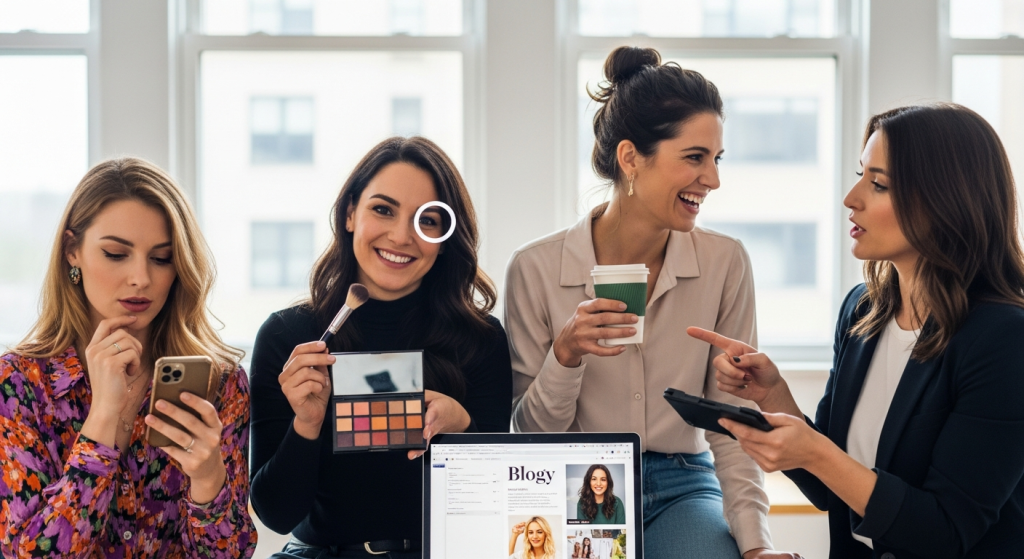
Female influencers have revolutionized digital marketing by prioritizing authenticity, community engagement, and storytelling. They deliver measurable business results across industries, from beauty to tech, while overcoming unique challenges. Brands partnering with women benefit from higher trust, engagement, and conversions. As trends like short-form video and niche expertise grow, female creators will continue shaping the future of influencer marketing.
The influencer marketing industry has grown from a niche social media trend into a $16.4 billion powerhouse, and women have been at the forefront of this transformation from day one. While the digital landscape continues to evolve, female creators consistently demonstrate their ability to build authentic connections, drive meaningful engagement, and deliver exceptional ROI for brands across every industry.
From beauty and lifestyle to finance and technology, women in influencer marketing have redefined how brands communicate with consumers. They’ve transformed traditional advertising by prioritizing genuine storytelling over polished corporate messaging, creating a new standard for digital marketing that values trust and relatability above all else.
Understanding the role of women in this space isn’t just about recognizing their current influence—it’s about acknowledging the unique strategies, challenges, and opportunities that shape the future of digital marketing. As brands allocate increasing portions of their marketing budgets to influencer partnerships, the insights and approaches pioneered by female creators become essential knowledge for anyone looking to succeed in this dynamic field.
The Rise of Female Influencers Across Industries
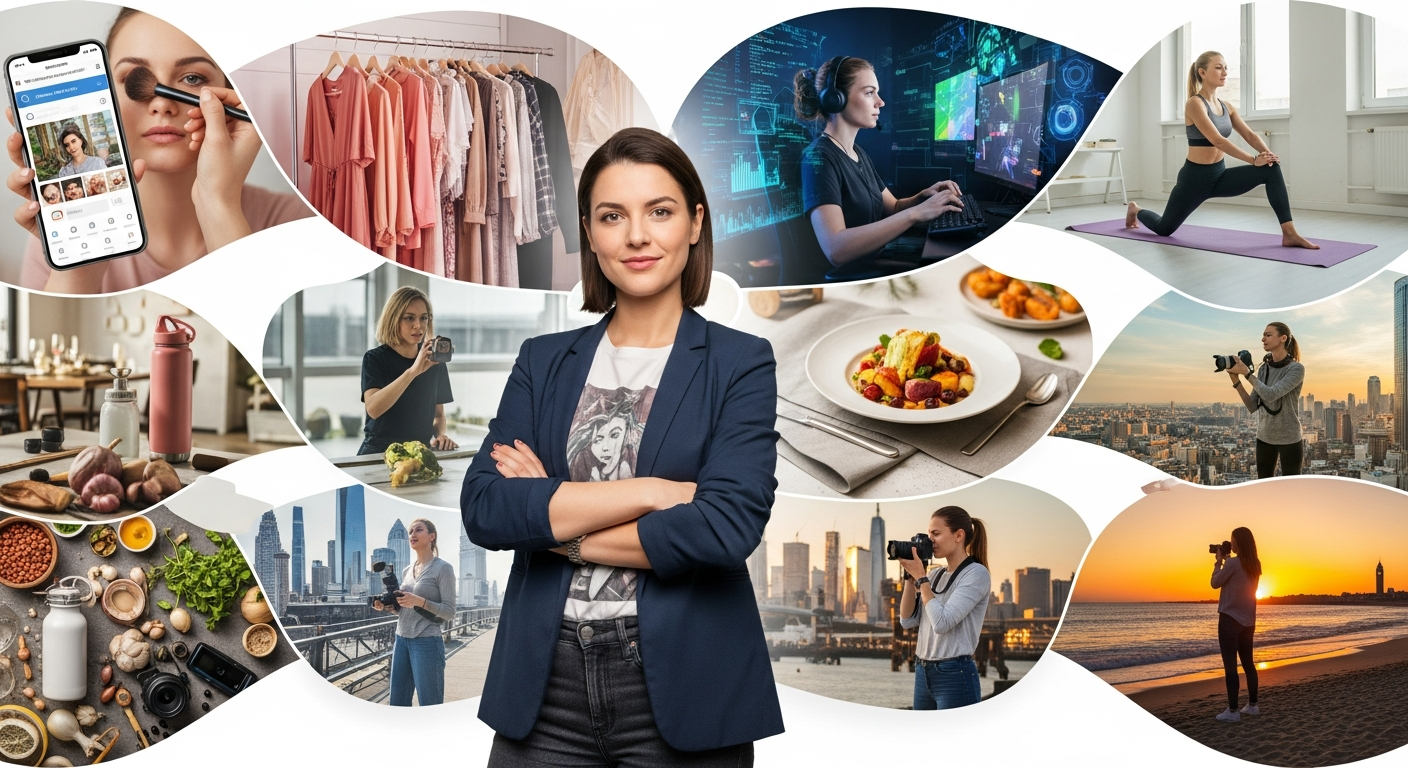
Women dominate several key sectors within influencer marketing, with their presence extending far beyond traditionally female-focused niches. Beauty and skincare influencers like James Charles and Huda Kattan built multi-million dollar businesses by sharing honest product reviews and tutorials, proving that authentic expertise resonates more than expensive advertising campaigns.
The lifestyle and wellness sectors have also seen tremendous growth driven by female creators. These influencers share everything from morning routines to mental health journeys, creating communities around shared experiences rather than just product recommendations. Their approach to content creation emphasizes vulnerability and connection, which translates into higher engagement rates and stronger brand loyalty.
Tech and finance, once male-dominated fields, now feature prominent female voices who make complex topics accessible to broader audiences. These creators break down investment strategies, explain cryptocurrency trends, and review the latest gadgets, proving that expertise and clear communication matter more than traditional industry credentials.
Fashion influencers have evolved beyond simple outfit posts to become style consultants, sustainability advocates, and small business champions. They curate looks for different body types, budgets, and lifestyles while promoting ethical brands and sustainable shopping practices.
Unique Strategies That Drive Success
Female influencers often excel at creating content that feels like advice from a trusted friend rather than a sales pitch. This approach stems from their ability to share personal experiences alongside product recommendations, making their endorsements feel authentic and valuable.
Storytelling represents another area where women in influencer marketing particularly shine. Rather than simply showcasing products, successful female creators weave items into larger narratives about their lives, goals, and challenges. A skincare routine becomes a self-care ritual; a workout outfit connects to a fitness journey; a book recommendation ties into personal growth goals.
Community building sets many female influencers apart from their male counterparts. They actively engage with comments, create exclusive content for loyal followers, and foster environments where their audiences feel heard and valued. This engagement extends beyond social media platforms through newsletters, private communities, and live events.
Collaboration over competition defines much of the female influencer landscape. Women frequently support each other through cross-promotion, joint content creation, and shared resources. This collaborative spirit has created networks that benefit everyone involved while providing audiences with diverse perspectives and authentic recommendations.
Challenges and Barriers in the Industry
Despite their success, women in influencer marketing face unique challenges that impact their careers and earning potential. Pay disparities remain a significant issue, with studies showing that female influencers often earn less than their male counterparts for similar audience sizes and engagement rates.
Online harassment and safety concerns disproportionately affect female creators. Many women deal with inappropriate comments, stalking behavior, and threats that can impact their mental health and willingness to share personal content. These safety issues force many female influencers to invest additional time and resources in content moderation and personal security measures.
The pressure to maintain perfect appearances and lifestyles can be particularly intense for women in this space. Female influencers often face criticism for their appearance, parenting choices, relationship decisions, and lifestyle changes in ways that their male counterparts rarely experience.
Platform algorithm changes frequently impact female creators more severely, particularly those in lifestyle and beauty niches. When platforms shift toward video content or modify their recommendation systems, women who built audiences around specific content formats may see dramatic decreases in reach and engagement.
Balancing authenticity with commercial success presents ongoing challenges. Female influencers must carefully navigate brand partnerships to maintain audience trust while generating sustainable income. This balance requires saying no to lucrative opportunities that don’t align with their values or audience expectations.
The Business Impact of Female Influencer Marketing
Brands partnering with female influencers often see impressive returns on their marketing investments. Women tend to research purchases thoroughly and value recommendations from trusted sources, making female audiences particularly valuable for companies looking to drive sales rather than just awareness.
Female influencers frequently outperform traditional advertising in terms of engagement and conversion rates. Their audiences actively seek their opinions and recommendations, creating a receptive environment for brand partnerships that feel natural and valuable rather than intrusive.
The authenticity that female creators bring to brand partnerships translates into stronger customer relationships. When a female influencer genuinely uses and endorses a product, her audience is more likely to trust the recommendation and become long-term customers of that brand.
Many female influencers have successfully launched their own product lines, from cosmetics and fashion to digital courses and consulting services. These ventures often succeed because they’re built on existing audience relationships and meet specific needs that the creators identified through their community interactions.
Emerging Trends and Future Opportunities
The creator economy continues to evolve in ways that particularly benefit women in influencer marketing. Platforms are developing better monetization tools, from subscription services to direct shopping features, giving female creators more ways to generate income from their content.
Video content formats like TikTok and Instagram Reels have opened new opportunities for female creators to showcase their personalities and expertise in engaging ways. These formats reward creativity and authenticity over production value, playing to strengths that many female influencers naturally possess.
Niche expertise is becoming more valuable as audiences seek specialized knowledge rather than general lifestyle content. Female influencers who develop deep knowledge in specific areas—whether that’s sustainable fashion, financial planning, or wellness practices—often command higher rates and more loyal audiences.
The rise of micro and nano-influencers has created opportunities for women who may not have massive followings but maintain highly engaged, trust-based relationships with their audiences. Brands increasingly recognize that smaller, more targeted audiences often deliver better results than broad reach campaigns.
Building Successful Careers in Influencer Marketing
Women looking to build careers in influencer marketing benefit from treating their efforts as serious business ventures from the start. This means developing clear content strategies, understanding their audience demographics, and maintaining professional standards in all brand communications.
Diversification provides stability in an unpredictable industry. Successful female influencers typically generate income from multiple sources: brand partnerships, affiliate marketing, their own products or services, and direct audience support through platforms like Patreon or Substack.
Continuous learning and adaptation separate successful influencers from those who struggle to maintain relevance. The most successful women in this space stay informed about platform changes, industry trends, and audience preferences while remaining true to their core values and messaging.
Network building within the influencer community provides support, collaboration opportunities, and industry insights that prove invaluable throughout a creator’s career. Many successful female influencers credit peer relationships with helping them navigate challenges and identify new opportunities.
Authentic Content Strategies
Female influencers excel at producing content that feels personal and genuine, rather than a traditional sales pitch. They share their real-life experiences alongside product recommendations, creating trust and credibility. Storytelling is central: skincare routines become self-care rituals, fitness outfits tie to workout journeys, and product endorsements are woven into relatable narratives. Content often addresses audiences’ challenges and aspirations, adding value beyond the product. By positioning themselves as trusted advisors, women foster deeper connections and higher engagement rates. This approach prioritizes long-term relationships over short-term conversions, making their campaigns more sustainable and impactful. Authenticity is the foundation of their influence and the primary reason brands see better ROI from female-led campaigns.
Community Building and Engagement

Community building differentiates female influencers in the market. Women actively engage with followers through comments, live sessions, newsletters, and private groups. They create spaces where audiences feel heard, valued, and included. This engagement strengthens loyalty, encourages repeat interactions, and transforms followers into brand advocates. Exclusive content, interactive Q&As, and personalized responses foster a sense of belonging. By cultivating these communities, female creators not only expand reach but also establish authority and trust. Brands partnering with such influencers benefit from audiences who are attentive and receptive, resulting in higher engagement, conversion rates, and long-term advocacy, demonstrating the strategic advantage of women-led influencer communities.
Collaboration Over Competition
Collaboration is a hallmark of female influencer marketing. Women frequently cross-promote content, create joint campaigns, and share resources to mutually benefit their networks. This collaborative environment contrasts with competitive approaches often seen in other areas. Partnerships between creators introduce audiences to new voices while maintaining authenticity. Shared knowledge and mentorship strengthen the influencer ecosystem, helping newcomers navigate challenges more effectively. Collaboration amplifies visibility, generates creative ideas, and fosters innovative campaigns. For brands, this collaborative culture translates into campaigns that feel natural and expansive, leveraging multiple voices while maintaining a cohesive message that resonates with target audiences.
Shaping the Future of Digital Marketing
Women in influencer marketing have fundamentally changed how brands connect with consumers, prioritizing authenticity and relationship-building over traditional advertising approaches. Their success demonstrates that audiences crave genuine connections and trustworthy recommendations over polished corporate messaging.
As the industry matures, the strategies and values pioneered by female creators—community building, authentic storytelling, and collaborative partnerships—are becoming standard practices across all types of influencer marketing. These approaches benefit brands, creators, and audiences by creating more meaningful and effective marketing experiences.
The future of influencer marketing will likely see continued growth in opportunities for women, particularly as platforms develop better creator support tools and brands recognize the value of authentic partnerships. However, addressing ongoing challenges around pay equity, safety, and sustainable career development remains crucial for the industry’s long-term health.
For brands looking to succeed in influencer marketing, understanding and embracing the approaches that female creators have perfected—authenticity, community focus, and genuine relationship building—will be essential for creating campaigns that resonate with audiences and deliver meaningful results.
Overcoming Industry Challenges

Despite their success, female influencers face unique challenges. Pay disparities persist, with women often earning less than male counterparts for equivalent engagement and audience size. Online harassment and safety concerns disproportionately affect female creators, forcing them to spend extra time on moderation and security. Societal pressure around appearance, lifestyle, and parenting adds further stress. Platform algorithm changes can disproportionately affect creators in niches like beauty and lifestyle. Balancing authenticity with commercial success is an ongoing struggle, requiring careful selection of brand partnerships. Recognizing and addressing these challenges is essential for sustainable careers and helps brands better support women in influencer marketing while creating equitable and effective campaigns.
Conclusion
Women have transformed influencer marketing by emphasizing authenticity, storytelling, and community. Their strategies drive engagement, conversions, and brand loyalty. Brands that understand and embrace these approaches can achieve meaningful ROI, build stronger customer relationships, and remain competitive. Supporting female creators ensures a more equitable and innovative influencer marketing ecosystem.
Frequently Asked Questions (FAQ)
1. What is female influencer marketing?
Female influencer marketing refers to marketing campaigns led by women creators who engage audiences through authentic content. These creators leverage their unique perspectives, experiences, and personal narratives to connect with followers in ways that feel genuine. Unlike traditional advertising, female influencer marketing focuses on building trust, fostering meaningful relationships, and creating content that resonates emotionally with target audiences. By sharing personal stories alongside product recommendations, female influencers encourage engagement and help brands communicate effectively with a highly receptive audience.
2. Why are women so effective as influencers?
Women are highly effective as influencers because they naturally build trust, connect emotionally, and foster community engagement. Their content often emphasizes storytelling, shared experiences, and relatability, which resonates with audiences on a deeper level. Female influencers create spaces where followers feel seen, heard, and valued, increasing loyalty and retention. By prioritizing authenticity over hard selling, they encourage audiences to interact, share, and make purchasing decisions based on trust rather than mere advertising. This approach results in higher engagement and long-term brand advocacy.
3. Do female influencers work in male-dominated industries?
Yes, female influencers are making significant inroads in traditionally male-dominated industries such as tech, finance, engineering, and cryptocurrency. These women simplify complex topics, breaking them down for broader audiences while maintaining credibility. By sharing expertise in understandable ways, they make these sectors more accessible to diverse audiences. Their presence also challenges industry norms, inspires other women to enter these fields, and gives brands a unique opportunity to reach new demographics through relatable, knowledgeable creators.
4. How do female creators drive ROI?
Female creators drive ROI through authentic endorsements, higher engagement rates, and audience trust. Their recommendations feel personal and credible, encouraging followers to take action, whether it’s a purchase, subscription, or sign-up. By fostering strong communities and creating content that aligns with audience values, they increase customer loyalty and repeat business. Brands partnering with female influencers often see measurable results, including improved conversions, higher engagement metrics, and stronger brand recognition. This combination of authenticity and strategic promotion maximizes marketing efficiency and long-term profitability.
5. What content formats work best?
The most effective content formats for female influencers include stories, videos, tutorials, guides, and personal narratives. Stories and videos allow audiences to connect visually and emotionally, while tutorials and guides provide practical value. Personal narratives build trust and humanize brands, encouraging engagement and shares. Short-form video, livestreams, and carousel posts are particularly effective for platforms like Instagram, TikTok, and YouTube. By combining educational, entertaining, and relatable content, female creators maximize impact and reach across diverse audiences while showcasing products naturally.
6. Are micro-influencers valuable?
Yes, micro-influencers—those with smaller but highly engaged audiences—often provide higher engagement and conversion rates than larger influencers. Their followings tend to be niche, targeted, and loyal, resulting in meaningful interactions and trust-based influence. Brands partnering with micro-influencers benefit from authentic recommendations that feel personal rather than mass-marketed. These smaller creators can often deliver comparable or better ROI than macro-influencers because their audiences are highly attentive, engaged, and receptive to product suggestions, making micro-influencer collaborations a strategic choice for targeted campaigns.
7. How do women balance authenticity and sponsorships?
Women balance authenticity and sponsorships by partnering only with brands aligned with their values and their audience’s needs. They carefully select campaigns that feel natural within their content, avoiding promotions that could damage trust. By integrating products or services into their personal stories and providing honest opinions, female influencers maintain credibility while meeting business objectives. This balance ensures followers remain engaged and trusting, making influencer marketing sustainable and effective while also providing measurable results for brands without compromising authenticity.
8. What challenges do female influencers face?
Female influencers face several unique challenges, including pay gaps, online harassment, platform algorithm changes, and societal pressure. They often earn less than male counterparts despite similar audience sizes and engagement levels. Harassment and safety concerns require time and resources for content moderation and personal security. Constant public scrutiny around appearance, parenting, or lifestyle adds pressure, while platform changes can impact reach and engagement unexpectedly. Female influencers must continually adapt while maintaining authenticity and audience trust to succeed in a competitive and evolving industry.
9. Can women launch their own products successfully?
Yes, women can launch their own products successfully by leveraging established audiences and trust. Influencers who already maintain engaged communities can introduce new products with built-in credibility, reducing marketing costs and increasing adoption. From cosmetics and fashion to digital courses and services, these product launches benefit from the personal connection female creators have nurtured with followers. Authenticity, community engagement, and audience feedback are crucial to product success, allowing creators to build sustainable businesses based on existing relationships and proven influence.
10. How do collaborations help female influencers?
Collaborations help female influencers by increasing reach, credibility, and content diversity. Cross-promotions with other creators introduce audiences to new voices, while joint campaigns generate creative ideas and resources that benefit all participants. Shared projects often amplify engagement, enhance brand partnerships, and strengthen professional networks. Collaborations foster mutual support rather than competition, enabling women to grow influence collectively. For brands, this cooperative approach results in campaigns that feel authentic, appealing, and expansive, connecting with audiences across multiple creators and platforms.
11. What trends benefit female creators?
Current trends benefiting female creators include short-form video, niche expertise, micro-influencer collaborations, and new monetization tools. Platforms like TikTok and Instagram Reels reward creativity, personality, and relatability. Niche expertise allows women to establish authority in specialized fields, attracting highly targeted audiences. Micro-influencer strategies deliver high engagement and conversions, while monetization tools such as subscriptions, direct shopping, and affiliate programs provide stable income streams. These trends empower female creators to maximize influence, revenue, and brand partnerships while maintaining authenticity and audience loyalty.
12. How can brands succeed with female influencers?
Brands can succeed by aligning campaigns with authenticity, storytelling, and audience engagement. Successful partnerships involve respecting the influencer’s voice, leveraging their narratives, and creating content that feels natural rather than intrusive. Understanding audience interests, values, and preferences ensures campaigns resonate and generate measurable results. Long-term relationships with female influencers amplify brand loyalty, conversions, and reach. Supporting women in influencer marketing fosters credibility, strengthens campaigns, and creates sustainable growth for both creators and brands.