How to Learn Influencer Marketing: A Step-by-Step Guide for Beginners
Influencer marketing helps brands grow by leveraging trusted voices to reach engaged audiences. By selecting the right influencers, creating authentic content, and measuring performance, businesses can boost awareness, engagement, and sales. This beginner-friendly strategy works for solopreneurs, small businesses, and established brands alike.
In the digital space, influence marketing is no longer just a buzzword. In-fact it’s a game-changing strategy for brands of all sizes. Businesses are increasingly turning to influencers as a way to accomplish everything, from boosting brand visibility and reputation all the way down through to pleasing the crowds in campaigns.
If you are curious about influencer marketing, or if you desire to kickstart your own strategy, chances are this guide will suit your need. Influencer marketing has an impact on any solopreneur who wants more followers and a bigger audience (this is even true for small businesses trying out new marketing tactics). The more you can grasp the essence of influencer marketing, the better off your chances improve.
Here’s everything you have to do from scratch in order to learn about influencer marketing:
What Is Influencer Marketing?
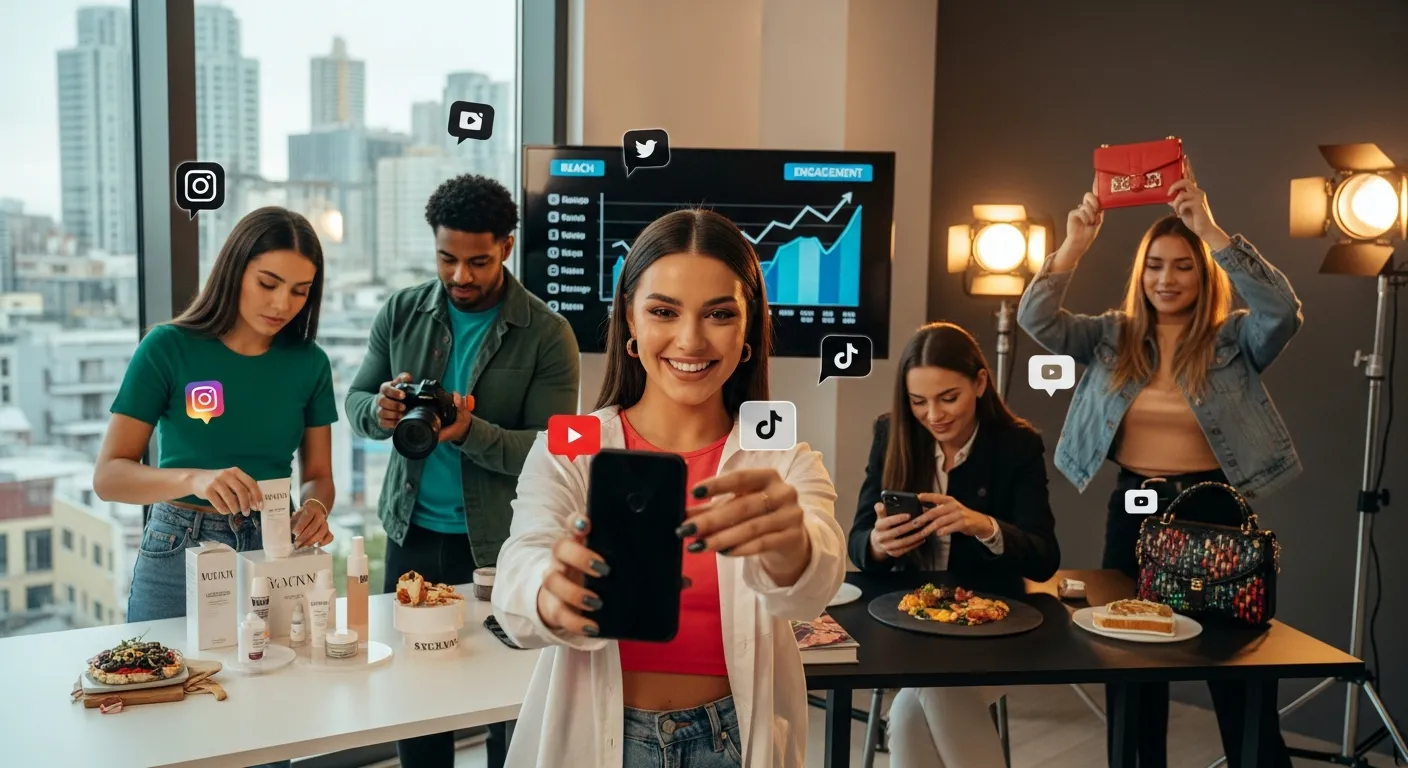
To get started in influencer marketing, we need to define our terms. At its basic level, influencer marketing is where a brand works with a person who has strong Internet following (ie. “influencer”) to promote their own products or services.
The success is readily apparent—influencers are trusted voices in their communities. When they recommend a product, their followers are more inclined to pay attention and react.
In contrast to traditional advertising, influencer marketing relies upon trust and authenticity so it is astonishingly effective both at getting engagement and also instilling brand loyalty into the bargain. Learn more about Influencer Marketing for Beginners.
Why Learn Influencer Marketing?
Influencer marketing has become one of the foundational elements of current-day digital marketing. Hence learning and implementing this strategy for your business offers several benefits:
Develop Brand Awareness
Where you work together with influencers, your brand obtains fresh exposure among untapped audiences. A further effect is that it is possible to acquire higher visibility even in saturated markets or from overseas (eg. China).
Generate Leads & Sales
Influencer campaigns bring people to your web site and persuade them to buy (if a person recommended the product online, it’s all but certain that they will give you their email address along with their money ).
Cost-Effective Outcomes
Under the influence of influencers and their own stature of trustworthiness, consumers are likely to believe the words from friends rather than formally issued ads. Many times, working with micro or nano influencers, who generally have a smaller and more niche audience, can provide good ROI for relatively little cash outlay.
Step-by-Step Guide to Learning Influencer Marketing
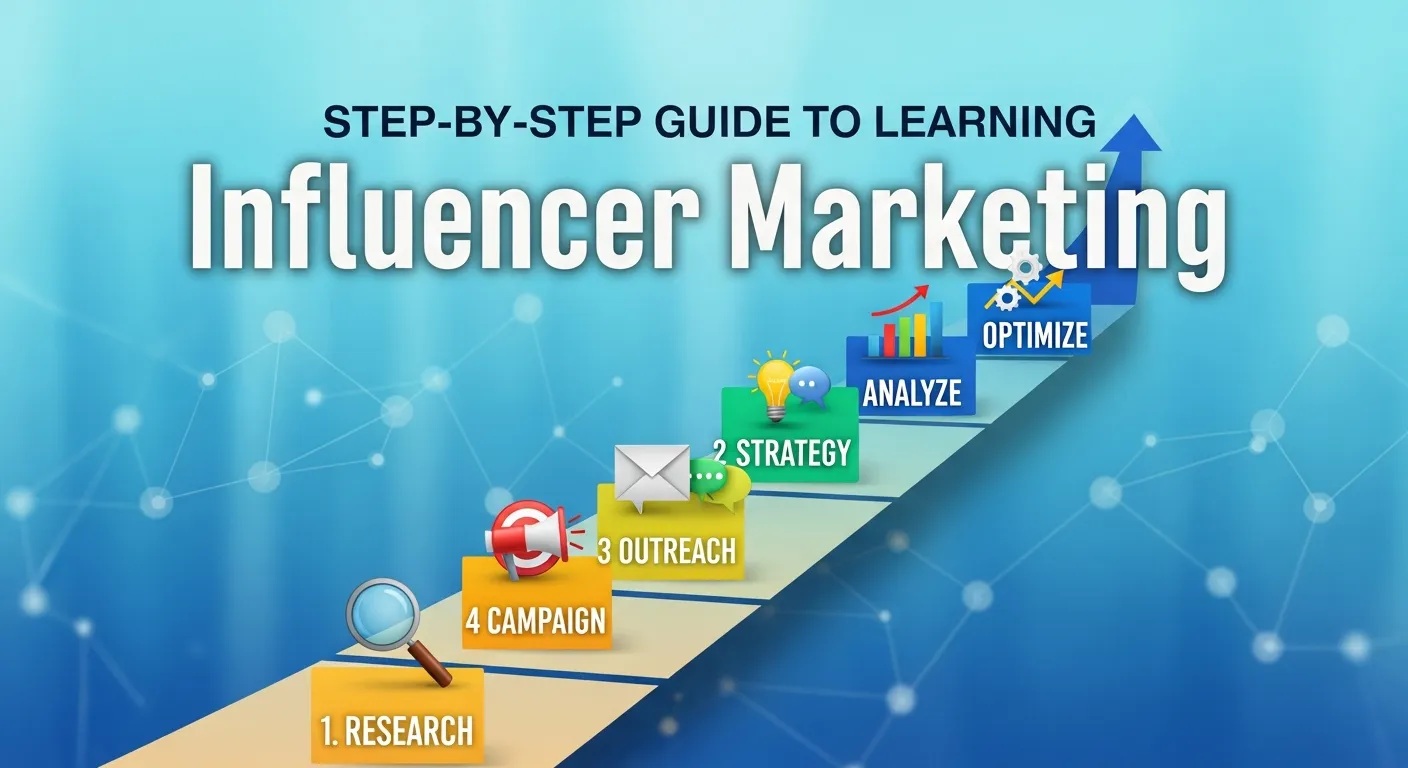
Step 1: Know Your Goals and Target Audience
Every successful campaign starts with defined goals. You can’t measure whether you’re making progress, without knowing what you want to achieve. Ask yourself: Are you trying to create brand awareness? Increase visits to your site? Drive sales or conversions?
Equally important, who are your potential customers, and where can you reach them? What do they enjoy doing in their spare time, and which platforms do they use most frequently?
Step 2: Pick Your Platforms Carefully
Not every influencer or platform is right for every company. Different social media platforms attract different kinds of people. So it is paramount to tailor your strategy toward the channels most used by your target audience.
Quick Platform Guide:
-
Instagram: Excellent for visually oriented brands (fashion, beauty, travel) and short-form stories.
-
YouTube: Ideal place for long-form content and in-depth products reviews or tutorials.
-
TikTok: A great place for creative, bite-sized content brands that appeal to GenZers
-
Twitter: Best place for thought leadership and B2B campaigning
-
LinkedIn: A platform through which professional services and B2B influencer campaigns may reach out to greater numbers
Step 3: Choose Influencers Wisely
Let the influencers come naturally and in all shapes and sizes. They can be mega-celebrities or micro-influencers with unique niches and loyal followers.
The key thing is to have someone who sessions with your brand values and speaks directly to your target audience. Don’t chase follower counts alone.
What to consider:
-
Relevance: Is what this influencer prescribes in harmony with your brand?
-
Engagement Rates: More followers doesn’t always equal more engagement.
-
Authenticity: Look for genuine enthusiasm, and avoid over-promotion.
-
Platform Compatibility: Check the influencer’s specialty platform against your choice.
Use BuzzSumo, Upfluence, or NinjaOutreach to discover someone suitable.
Step 4: Make a Mutually Profitable Union
A successful influencer campaign depends on cooperation. Instead of telling them what to do in every detail, give them some leeway—that’s probably a big reason why their audience trusts them.
Pitch advantages such as:
-
Monetary compensation
-
Free products or services
-
Joint brand building activities
-
Access to a special channel
Work with influencers closely so authenticity is present in their content—whether it’s an Instagram story, a YouTube video, or a challenge on TikTok.
Step 5: Start and Supervise Your Campaign
After your influencer joint staff confirmed, then it is time to launch campaign.
Starting out with teaser posts before the official roll-out is the best way to get people looking forward to your launch.
Monitor Metrics Like:
-
Campaign interaction rates
-
Click-through rates
-
Conversions
-
Comments and brand mentions
Stay actively engaged in discussions around your influencer’s posts. Use Google Analytics or Bitly to track link performance and user behavior.
Step 6: Analysis and Portrayal
Do not expect all influencer marketing campaigns to be outstanding right from the start. The skill comes in finding different approaches and refining existing ones that yield better results.
Post-Campaign Evaluation:
-
Engagement rates
-
Website traffic from influencer links
-
Conversion and sales rates
Improve Results By:
-
Spotting the most effective influencers for long-term partnerships
-
Comparing content formats (short vs. long-form)
-
Testing new platforms based on data analysis
Comply With Disclosure and Transparency Rules

Transparency is essential for credibility and legal compliance. Influencers must disclose sponsored content using appropriate tags such as #ad or #sponsored. Clear disclosure protects both the brand and influencer while maintaining audience trust. Ethical influencer marketing strengthens long-term brand reputation and avoids regulatory issues across platforms and regions.
Build Long-Term Influencer Relationships
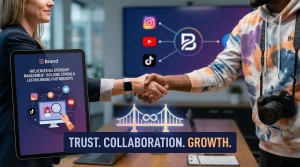
One-off campaigns can generate awareness, but long-term influencer partnerships build deeper trust. Ongoing collaborations allow influencers to genuinely understand and advocate for your brand. Audiences respond more positively when they see consistent brand mentions over time. Long-term partnerships also reduce onboarding costs and improve content quality through familiarity.
Leverage User-Generated Content (UGC)
Influencer-created content can be repurposed as user-generated content across marketing channels. With permission, brands can use influencer posts in ads, landing pages, and email campaigns. UGC enhances credibility and improves conversion rates by showcasing real people using real products. This approach maximizes content ROI and reinforces social proof.
Track Performance Beyond Vanity Metrics
Likes and follower counts don’t tell the full story. Brands should track deeper metrics such as engagement rate, click-through rate, website traffic, and conversions. Analyzing performance helps identify which influencers and content formats deliver real business impact. Data-driven evaluation ensures smarter future campaigns and continuous improvement.
Adapt Strategies for Different Platforms
Each platform has unique content formats, algorithms, and audience behaviors. Instagram favors visual storytelling, YouTube excels at long-form education, TikTok thrives on creativity and trends, and LinkedIn suits professional influence. Tailoring strategies per platform ensures higher engagement and relevance. Repurposing content intelligently can also extend campaign reach.
Avoid Common Influencer Marketing Mistakes
Common mistakes include prioritizing follower count over relevance, lack of contracts, unclear expectations, and ignoring analytics. These errors can lead to wasted budgets and poor results. Learning from mistakes and applying best practices improves campaign efficiency and builds stronger influencer relationships.
First Steps with Influencer Marketing
To learn influencer marketing takes time but the rewards are well worth it. Start with small, manageable projects as you learn and achieve success.
Remember, influencer marketing is about creating real and lasting relationships, not just selling a product through them. When done right, it builds trust, fosters honesty and a sense of connection with the audience that no advertising ever can.
Editor’s Note: For guidance on building a successful marketing strategy, consult our blog to get more suggestions and a box of tools to build.
Conclusion
Influencer marketing is no longer optional—it is a powerful, trust-driven strategy that helps brands connect with audiences authentically. This is especially true in emerging spaces like NFTs, where community trust and creator credibility are essential. By choosing the right influencers, focusing on storytelling, and using data to optimize campaigns, businesses of all sizes can achieve meaningful growth. For a deeper look at how influencer marketing works specifically for NFTs and how it can boost your reach and sales, check out this comprehensive guide: The Ultimate Guide to Influencer Marketing for NFTs. When done right, influencer marketing builds relationships, credibility, and long-term brand value.
Frequently Asked Questions (FAQs)
What is influencer marketing?
Influencer marketing involves partnering with individuals who influence online audiences to promote products or services in an authentic way. These influencers have built trust within specific communities, making their recommendations more impactful than traditional advertising. Brands leverage this trust to increase awareness, engagement, and conversions through relatable, content-driven promotion.
Is influencer marketing suitable for beginners?
Yes, influencer marketing is highly suitable for beginners. New brands and solopreneurs can start small by working with micro- or nano-influencers who have niche audiences and affordable rates. Simple campaigns such as product reviews or social mentions allow beginners to learn, test strategies, and scale gradually.
How much does influencer marketing cost?
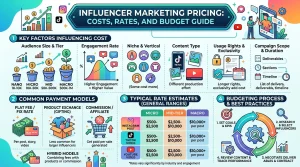
Costs vary based on influencer size, platform, content type, and campaign scope. Micro-influencers may charge minimal fees or accept product exchanges, while larger influencers require higher budgets. Brands can control costs by defining clear goals and selecting influencers that align with their budget and objectives.
Are micro-influencers effective?
Yes, micro-influencers are often very effective because they maintain strong relationships with their audiences. Their smaller follower base usually results in higher engagement rates and more authentic interactions. This makes micro-influencers ideal for niche marketing, brand trust, and higher conversion potential.
Which platform is best for influencer marketing?
It depends on your audience and content type. Instagram works well for visual storytelling, YouTube is ideal for in-depth reviews, TikTok excels at short-form creative content, LinkedIn suits B2B campaigns, and Twitter is effective for thought leadership and conversations.
How do you find the right influencers?
You can find the right influencers using tools like BuzzSumo, Upfluence, and manual research on social platforms. Look for relevance, engagement quality, audience demographics, and content authenticity rather than focusing only on follower count.
How long should influencer campaigns run?
Most campaigns last 2–6 weeks, depending on goals, content format, and platform. Short campaigns work well for promotions, while longer campaigns support storytelling and audience trust. Consistent posting over time often delivers better results than one-off promotions.
How do you measure influencer marketing ROI?
ROI is measured through engagement rates, website traffic, conversions, and sales data. Additional metrics include click-through rates, follower growth, and content reach. Tracking performance helps determine which influencers and formats generate the most business impact.
Is influencer marketing better than ads?
Influencer marketing often builds more trust and authenticity than ads because it relies on personal recommendations rather than direct promotion. Audiences are more likely to engage with content shared by people they follow and trust, leading to higher credibility and long-term brand value.
Can B2B brands use influencer marketing?
Yes, B2B brands can effectively use influencer marketing, especially on platforms like LinkedIn and Twitter. Industry experts, consultants, and thought leaders act as influencers who help build credibility, educate audiences, and support lead generation in professional markets.
Should influencers disclose partnerships?
Yes, influencers must disclose partnerships clearly and transparently. Disclosure is legally and ethically required to maintain audience trust and comply with advertising regulations. Clear labeling such as #ad or #sponsored protects both brands and influencers.
Can influencer marketing improve brand loyalty?
Yes, influencer marketing improves brand loyalty through trust-driven and authentic promotion. When audiences repeatedly see influencers genuinely using and recommending a brand, it strengthens emotional connections, encourages repeat purchases, and builds long-term customer relationships.