A Comprehensive Guide to Influencer Marketing
Influencer marketing helps brands build trust, reach niche audiences, and drive engagement through authentic creator partnerships. With the right strategy, it delivers measurable ROI, compelling content, and long-term brand growth.
Influencer marketing has revolutionized how brands connect with their audiences. By partnering with influencers, companies both large and small can tap into pre-established communities to build trust, increase brand awareness, and boost sales. But beyond the surface, influencer marketing is a multifaceted strategy that requires precision, creativity, and an understanding of how different platforms and influencers operate.
If you’re looking to harness the power of influencer marketing, this guide is for you. Learn what it is, why it works, and how you can create result-driven campaigns that deliver real value for your brand.
What is Influencer Marketing?
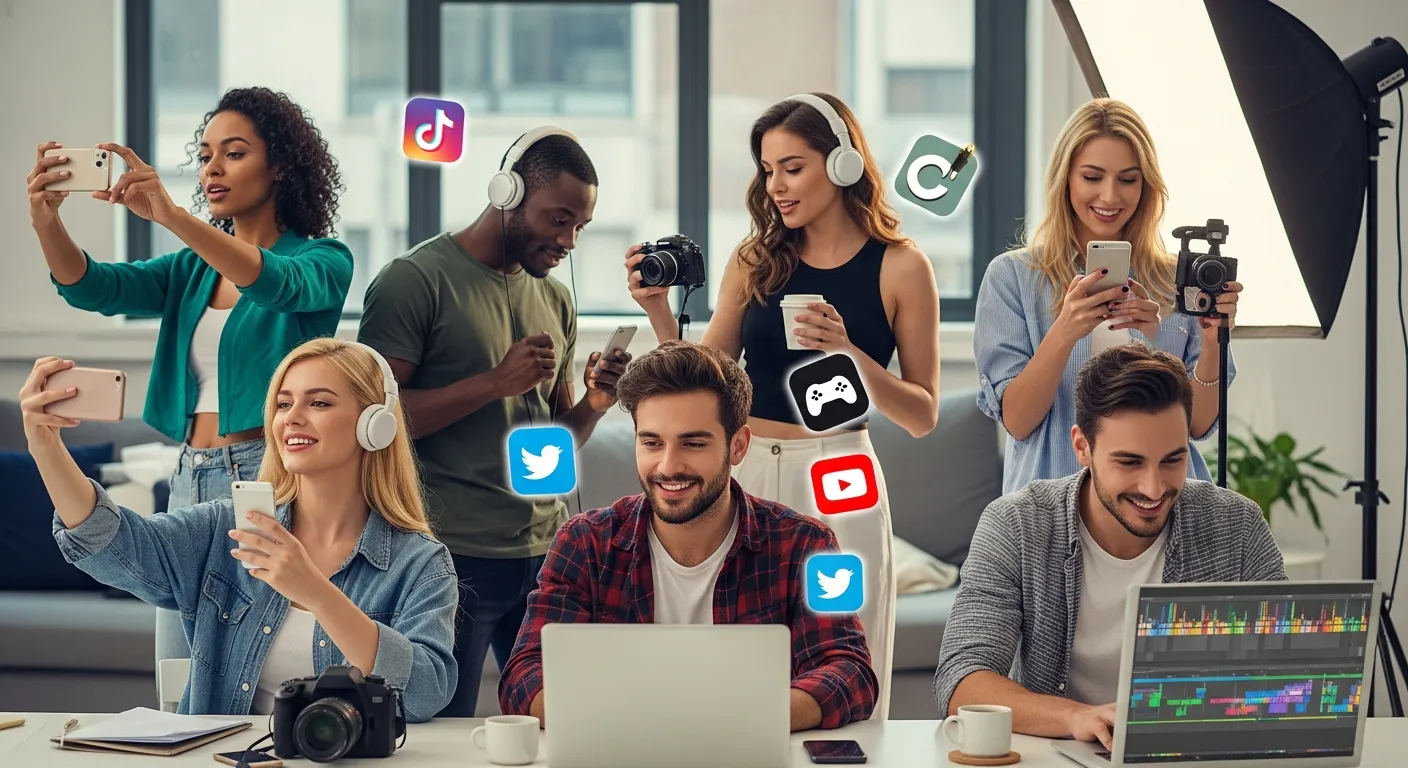
Influencer marketing is a collaboration between a brand and individuals who have a dedicated online following. These individuals, known as influencers, use their platform to promote products or services, often authentically and engagingly that resonates with their audience.
Influencers aren’t limited to celebrities or people with millions of followers. Micro-influencers (influencers with 10,000 to 100,000 followers) frequently have higher engagement rates and a stronger connection with their audiences, making them particularly valuable for certain campaigns. Learn more about The Influencer Marketing Factory.
Why Influencer Marketing Works
Influencers are powerful because they combine two key components that traditional ads can’t always deliver:
- Trust and Authenticity
Influencers build their audience over time by sharing genuinely helpful, entertaining, or inspiring content. Their followers trust their recommendations, making brand endorsements feel organic and credible.
- Targeted Reach
Influencers cater to niche audiences, whether it’s fitness enthusiasts, beauty aficionados, or tech geeks. Partnering with the right influencer ensures your products are seen by the people most interested in them.
The Benefits of Influencer Marketing
Brands invest billions into influencer marketing for good reason. Here’s how it can pay off for your business:
-
Boosted Brand Awareness
By collaborating with influencers, you introduce your brand to new audiences in an authentic way.
-
Higher Engagement Rates
Influencers often achieve higher engagement on their posts compared to branded ads or posts by companies.
-
Improved ROI
According to a survey by Influencer Marketing Hub, businesses earn an average of $5.20 for every $1 spent on influencer marketing.
-
Trust and Credibility
Seeing a product recommended by someone they admire makes consumers more likely to trust and purchase it.
-
Access to Content Creation
Influencers produce high-quality images, videos, and posts that brands can repurpose across their own channels.
How to Create an Effective Influencer Marketing Strategy
1. Define Your Objectives
What’s your goal? Brand awareness? Increased traffic? Sales? Defining your objectives early shapes every aspect of your campaign, from influencer selection to KPIs (key performance indicators).
2. Identify Your Target Audience
Understand who you’re trying to reach. Knowing your audience’s demographics, interests, and pain points will help pinpoint the right influencers and craft effective messaging.
3. Find the Right Influencers
Not all influencers are created equal. Look beyond follower counts and consider these factors:
- Engagement Rates
- Are their followers actively liking, commenting, or sharing their posts?
- Relevance
- Does their niche align with your product or service?
- Authenticity
Do they create genuine, relatable content, or does every post scream “ad”?
Leverage tools like AspireIQ, Upfluence, or CreatorIQ to discover influencers who match your criteria.
4. Build Meaningful Relationships
Approach influencers as collaborators, not just media slots. Personalize your outreach and show genuine interest in their content. A successful partnership is built on trust and respect.
5. Craft a Clear Campaign Brief
Provide influencers with a detailed, straightforward brief that includes:
- Campaign objectives
- Key messages
- Deliverables (e.g., number of posts or videos)
- Deadlines
- Any “do’s” or “don’ts” to align with your brand guidelines
6. Give Creative Freedom
Influencers know their audience best. Give them the flexibility to create content that resonates without losing your brand’s message. Overly rigid instructions can make posts feel forced.
7. Track and Measure Results
Use tools like Google Analytics, affiliate codes, or UTM links to monitor the campaign’s performance. Key metrics to track might include:
- Engagement rates (likes, comments, shares)
- Website traffic
- Conversion rates
- Reach and impressions
This data will help refine future campaigns and highlight what works best.
Platforms to Consider for Influencer Marketing
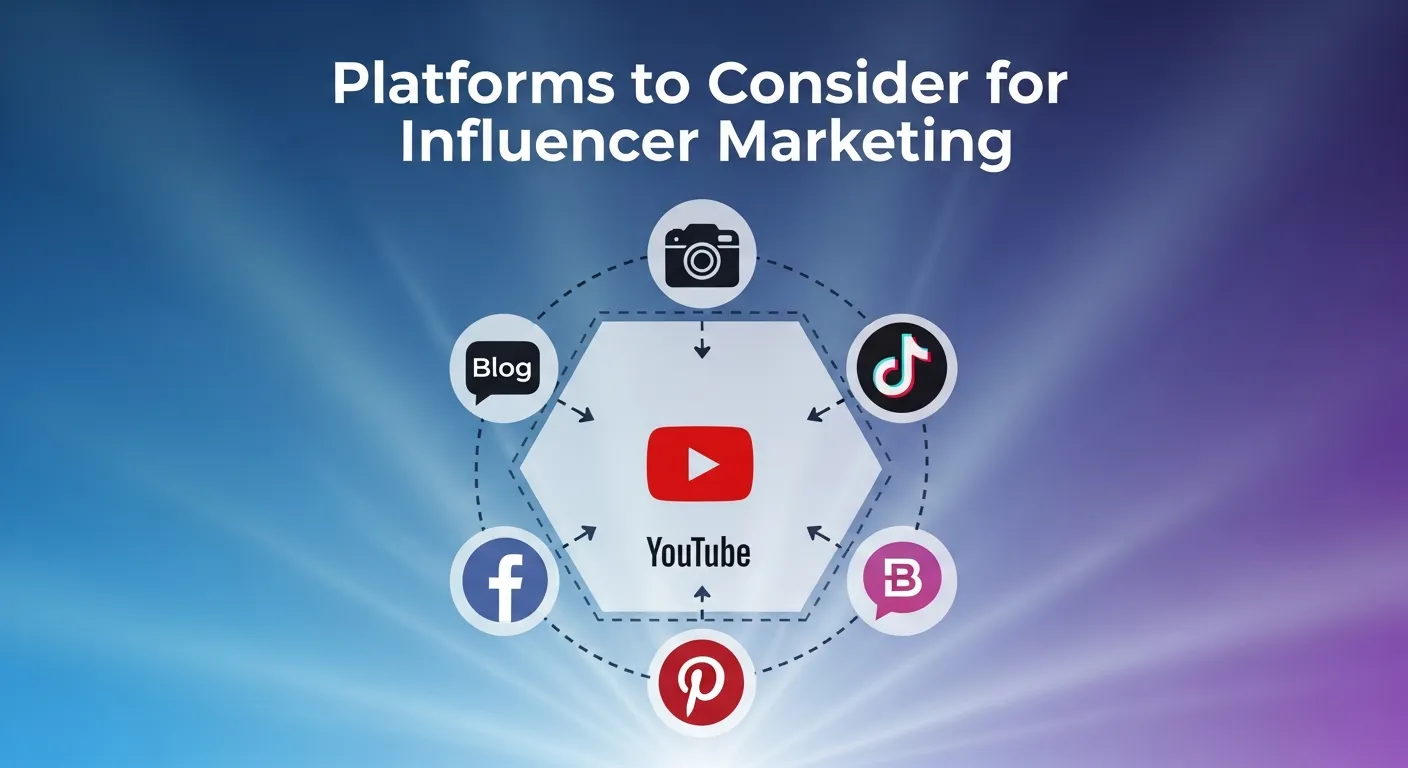
Different platforms excel for different audiences and content types. Here’s where influencer marketing thrives:
Ideal for visually-driven industries like fashion, beauty, and home décor. Instagram Stories and Reels are particularly effective for showcasing products.
YouTube
For in-depth reviews, tutorials, or unboxing videos, YouTube is unparalleled. It’s great for higher-ticket items that require more consideration.
TikTok
The platform for viral trends and engaging short-form content. TikTok influencers excel at creating entertaining, relatable videos that drive engagement.
Perfect for B2B influencer marketing campaigns or professional services. Partner with thought leaders in your industry for credible endorsements.

Best for real-time conversations and promoting products tied to current events or trends.
Common Challenges (and How to Overcome Them)
Though influencer marketing is powerful, it isn’t foolproof. Here’s how to tackle common obstacles:
Challenge 1: Fake Followers
Some influencers inflate their following with fake accounts. Use tools like Sparktoro to verify audience authenticity before collaborating.
Challenge 2: Misaligned Values
Occasionally, influencers post content that doesn’t align with your brand’s values. Prevent mishaps by researching their past posts and clearly communicating campaign expectations.
Challenge 3: Overlapping Audiences
Collaborating with too many influencers in the same niche at the same time can dilute your message. Be selective and stagger campaigns.
Real-World Examples of Influencer Marketing Success
1. Daniel Wellington
This minimalist watch brand rose to prominence by partnering with micro-influencers who showcased the product in aspirational, yet relatable, ways. The result? Massive growth and a loyal customer base.
2. Fenty Beauty
Rihanna’s beauty line leveraged diverse beauty influencers to highlight inclusivity. This strategy helped Fenty go viral and break the mold of traditional beauty marketing.
3. Gymshark
Fitness apparel brand Gymshark partnered with fitness influencers on Instagram and YouTube to grow a community. The brand is now one of the most recognizable names in activewear.
Making Influencer Marketing Work for You
Influencer marketing is an essential tool for modern businesses. By showcasing your brand through trusted voices with targeted reach, you can build strong connections, create engaging content, and boost your bottom line.
If you’re ready to start your influencer marketing campaign, begin by identifying your objectives, finding the right influencers, and crafting meaningful partnerships. The future of marketing is collaborative, and influencers are here to help your brand shine.
Influencer Marketing and NFT Marketing: The Perfect Synergy
NFT marketing relies heavily on community trust, storytelling, and digital-native audiences—making influencer marketing a natural fit. In the NFT space, influencers act as educators, community builders, and credibility anchors, helping audiences understand complex concepts like utility, roadmap value, and long-term vision. NFT creators and brands often collaborate with crypto influencers, artists, gamers, and Web3 thought leaders to generate awareness and drive mint participation. Unlike traditional promotions, NFT influencer campaigns focus on transparency, engagement, and community interaction through platforms like X (Twitter), Discord, YouTube, and TikTok. By combining influencer marketing with NFT marketing strategies, brands can build hype responsibly, grow loyal communities, and create sustainable momentum beyond short-term speculation.
Setting Clear Influencer Marketing Goals
Successful influencer campaigns begin with clear objectives. Whether the goal is brand awareness, website traffic, lead generation, or sales, defining it early guides every decision. Objectives determine influencer selection, content format, platform choice, and success metrics. Without clear goals, campaigns risk becoming unfocused and difficult to measure. Aligning influencer marketing goals with broader business objectives ensures campaigns deliver meaningful, trackable outcomes rather than vanity metrics.
Creative Freedom and Content Authenticity

Influencers understand their audience better than anyone. Giving them creative freedom ensures content feels natural and engaging. Overly strict guidelines can result in forced messaging that audiences ignore. Brands should provide clear objectives and key points, then allow influencers to tell the story in their own voice. This balance preserves brand integrity while maintaining authenticity. Creative freedom is essential for influencer content that resonates and converts.
Building Long-Term Influencer Relationships
Strong influencer marketing results come from relationships, not transactions. Treating influencers as creative partners fosters trust and better content. Long-term collaborations feel more authentic to audiences and strengthen brand association. Influencers who genuinely support a brand over time become powerful advocates. These partnerships also improve consistency, efficiency, and ROI compared to one-off campaigns. Relationship-driven influencer marketing delivers deeper impact and lasting brand equity.
Creative Freedom and Content Authenticity
Influencers understand their audience better than anyone. Giving them creative freedom ensures content feels natural and engaging. Overly strict guidelines can result in forced messaging that audiences ignore. Brands should provide clear objectives and key points, then allow influencers to tell the story in their own voice. This balance preserves brand integrity while maintaining authenticity. Creative freedom is essential for influencer content that resonates and converts.
Setting Clear Influencer Marketing Goals
Successful influencer campaigns begin with clear objectives. Whether the goal is brand awareness, website traffic, lead generation, or sales, defining it early guides every decision. Objectives determine influencer selection, content format, platform choice, and success metrics. Without clear goals, campaigns risk becoming unfocused and difficult to measure. Aligning influencer marketing goals with broader business objectives ensures campaigns deliver meaningful, trackable outcomes rather than vanity metrics.
Conclusion
Influencer marketing enables brands to connect with audiences through trusted voices and meaningful content. By focusing on authenticity, targeted reach, and strategic partnerships, businesses can achieve stronger engagement, higher ROI, and sustainable growth in today’s digital-first world.
Frequently Asked Questions (FAQ)
1. What is influencer marketing?
Influencer marketing is a digital marketing strategy where brands collaborate with influencers to promote products or services in an authentic, engaging way. Influencers leverage their established credibility and loyal audiences to communicate brand messages naturally, making promotions feel more like recommendations than traditional advertisements.
2. Does influencer marketing really build trust?
Yes, trust is the core strength of influencer marketing. Influencers build long-term relationships with their followers through consistent, relatable content. When they endorse a product, it feels genuine and credible, which significantly influences purchasing decisions.
3. Are micro-influencers effective for campaigns?
Micro-influencers are highly effective because they usually have stronger engagement rates and closer relationships with their audiences. Their recommendations feel more personal, making them ideal for niche targeting, community-driven campaigns, and higher conversion rates.
4. Which platforms work best for influencer marketing?
The best platforms include Instagram, TikTok, YouTube, LinkedIn, and X (formerly Twitter). Platform selection depends on your audience and campaign goals—Instagram and TikTok excel at visual storytelling, while LinkedIn is ideal for B2B influencer marketing.
5. Can small businesses use influencer marketing successfully?
Yes, influencer marketing is highly scalable and well-suited for small businesses. By working with micro or nano influencers, smaller brands can achieve strong visibility and engagement without large budgets.
6. Is influencer marketing expensive?
Influencer marketing is flexible for all budget levels. Brands can collaborate with influencers through paid campaigns, product gifting, affiliate partnerships, or revenue-sharing models, making it cost-effective compared to traditional advertising.
7. How do brands find the right influencers?
Brands can discover influencers using dedicated platforms like AspireIQ, CreatorIQ, and Upfluence. These tools help analyze engagement rates, audience demographics, and authenticity to ensure the right match.
8. How is influencer marketing ROI measured?
ROI is measured through engagement metrics, website traffic, conversions, sales, reach, and impressions. Tracking links, affiliate codes, and analytics dashboards help brands accurately assess campaign performance.
9. Is influencer content reusable by brands?
Yes, influencer-generated content can be reused across marketing channels such as ads, websites, and social media—provided the brand has obtained proper permission or usage rights in advance.
10. How long do influencer marketing campaigns last?
Campaigns can range from one-off sponsored posts to long-term partnerships. Long-term collaborations often deliver better results because they feel more authentic and strengthen brand credibility over time.
11. What is the biggest challenge in influencer marketing?
The biggest challenge is choosing authentic influencers. Brands must carefully evaluate engagement quality, audience relevance, and content authenticity to avoid fake followers or misaligned partnerships.
12. Is influencer marketing a sustainable strategy?
Yes, influencer marketing delivers long-term value when built on trust, consistent partnerships, and community engagement. It evolves with platforms and audience behavior, making it a sustainable growth strategy for modern brands.