Key Influences Shaping Modern Marketing Strategy
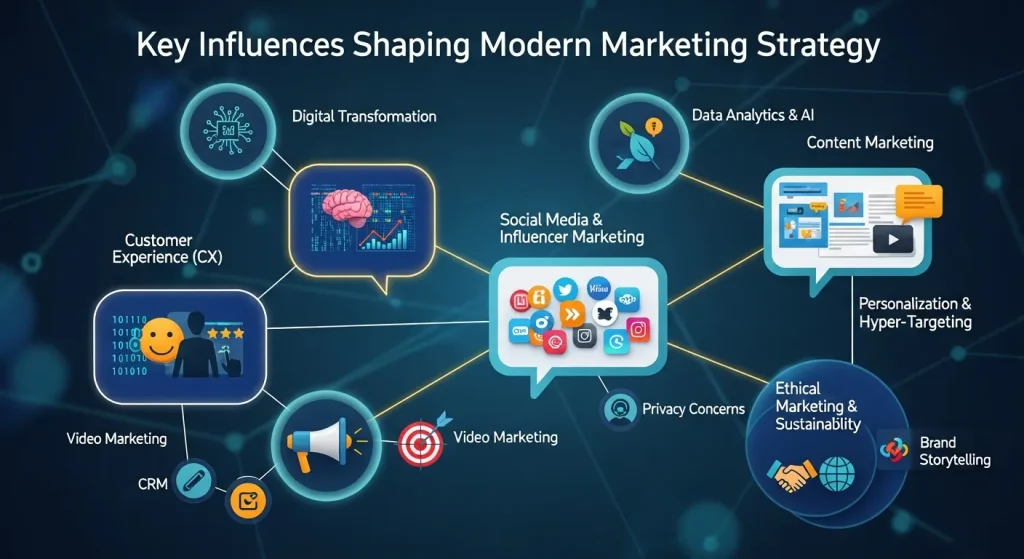
AI, personalization, sustainability, inclusivity, and omnichannel engagement will drive marketing in 2026. Brands that focus on trust, relevance, and customer-centric strategies will gain long-term competitive advantage.
The marketing world is constantly evolving, presenting both new challenges and powerful opportunities for brands that want to stay ahead. As we move into 2026, the landscape is becoming more fluid than ever—driven by rapid advances in artificial intelligence, shifting consumer expectations, and growing demands for ethical, inclusive, and sustainable business practices.
To remain competitive, marketers must understand the forces shaping tomorrow’s marketplace and design strategies that resonate with increasingly informed audiences. This article explores the key trends that will influence marketing strategies in 2026, from AI and personalization to sustainability, inclusivity, and omnichannel engagement.
The Role of Artificial Intelligence in Modern Marketing Strategy
By 2026, artificial intelligence will no longer be an experimental tool—it will be a core component of successful marketing strategies. AI-powered solutions are already transforming how businesses interact with customers, analyze data, and make decisions at scale.
From predictive analytics and chatbots to dynamic content creation and programmatic advertising, AI enables marketers to operate faster, smarter, and with greater precision than ever before.
How AI Will Shape Marketing Strategies
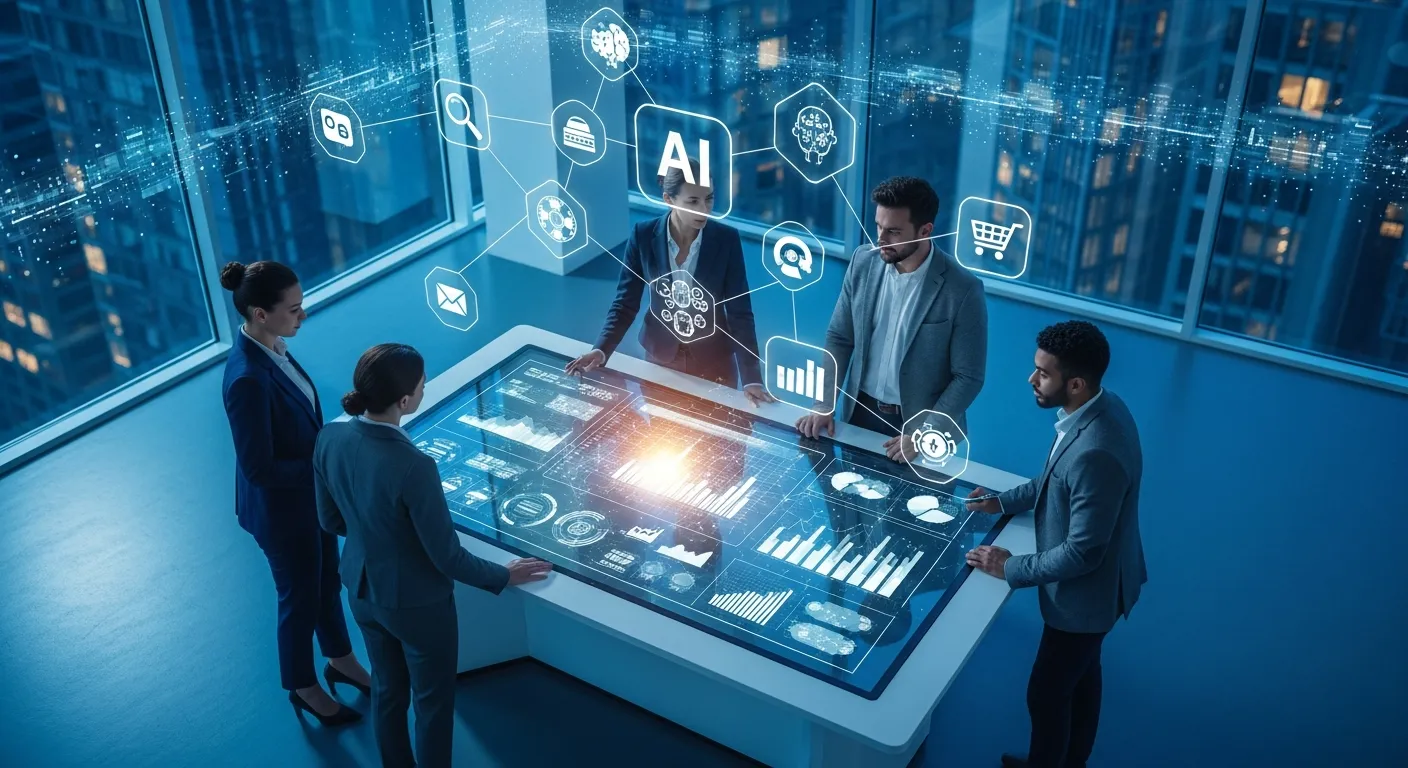 Hyper-Personalized Customer Experiences
AI allows brands to deliver deeply personalized experiences across every touchpoint. From customized email campaigns to dynamic website content, AI ensures that each interaction feels relevant and timely. Platforms like Spotify, which uses AI to generate personalized playlists, demonstrate how tailored experiences can strengthen customer loyalty and engagement.
Smarter Predictions and Data-Driven Insights
AI-powered predictive analytics help marketers forecast customer behavior, emerging trends, and campaign performance with increased accuracy. Tools such as Salesforce and HubSpot analyze historical data to identify patterns and recommend strategic actions. These insights will be critical for building effective, forward-looking campaigns.
Automation at Scale
AI-driven automation streamlines repetitive marketing tasks such as email scheduling, audience segmentation, and ad optimization. This frees marketers to focus on strategy, creativity, and storytelling—areas where human insight still matters most.
Action Step:
Align AI tools with your business objectives and begin testing automation and predictive analytics solutions that support scalable growth.
Personalization Will Be an Expectation, Not a Bonus
By 2026, personalization will no longer be optional—it will be the standard. With audiences exposed to endless streams of content, brands that fail to deliver relevant experiences risk being ignored.
Consumers expect brands to understand their preferences, behaviours, and needs in real time. Personalized marketing is no longer a competitive advantage—it’s a baseline requirement.
Key Personalization Techniques
Dynamic Content Experiences
Using platforms like Adobe Target or Dynamic Yield, brands can customize website messaging, product recommendations, and promotional offers based on user behaviour. Returning visitors can be greeted with content that reflects their previous interactions, improving engagement and conversion rates.
Advanced Audience Segmentation
Basic demographic data is no longer sufficient. In 2026, marketers will rely on behavioural data, psychographics, and real-time insights to create highly refined audience segments. This allows for more accurate targeting and messaging.
Interactive Marketing Elements
Interactive content such as quizzes, polls, calculators, and augmented reality experiences enhances personalization and engagement. Studies show that consumers are significantly more likely to engage with interactive content compared to static formats.
Action Step:
Audit your current personalization efforts using tools like Google Analytics 4 and CRM platforms to identify gaps and opportunities for improvement.
Sustainable Marketing Will Drive Brand Trust
Sustainability and ethical responsibility will play an even greater role in shaping marketing strategies in 2026. Consumers are increasingly aware of environmental and social issues and expect brands to reflect their values.
Transparency, authenticity, and accountability are no longer optional—they directly influence purchasing decisions.
Sustainability-Focused Marketing Practices
Transparent Brand Storytelling
Clearly communicate how your products are sourced, manufactured, and delivered responsibly. Honest storytelling builds trust and strengthens emotional connections with consumers.
Reducing Environmental Impact
Brands that minimize their carbon footprint through eco-friendly packaging, sustainable sourcing, and efficient logistics will resonate more strongly with environmentally conscious audiences. Companies like Patagonia and Allbirds offer strong examples of sustainability-led branding.
Ethical Advertising
Avoid exaggerated claims and manipulative messaging. Ethical advertising that aligns with your brand values enhances credibility and long-term loyalty.
Action Step:
Launch sustainability-driven campaigns that highlight your brand’s commitment to positive environmental and social impact.
Inclusivity Must Be Embedded in Brand Strategy
By 2026, inclusivity will need to be deeply integrated into every aspect of marketing—from product development to messaging and representation. Audiences expect brands to reflect real diversity and demonstrate genuine respect for different communities.
Building Inclusive Marketing Strategies
Authentic Representation
Use diverse voices and faces in your campaigns, but go beyond surface-level representation. Meaningful engagement with underrepresented communities builds authenticity.
Accessible Content Design
Ensure all marketing content is accessible to people with disabilities. This includes captions for videos, alt text for images, readable fonts, and a user-friendly design.
Culturally Relevant Messaging
Understanding cultural context allows brands to craft messages that resonate more deeply with specific communities, strengthening emotional connections.
Action Step:
Review past campaigns through an inclusivity lens and involve diverse perspectives in campaign planning and execution.
Omnichannel Marketing Will Be Essential in 2026
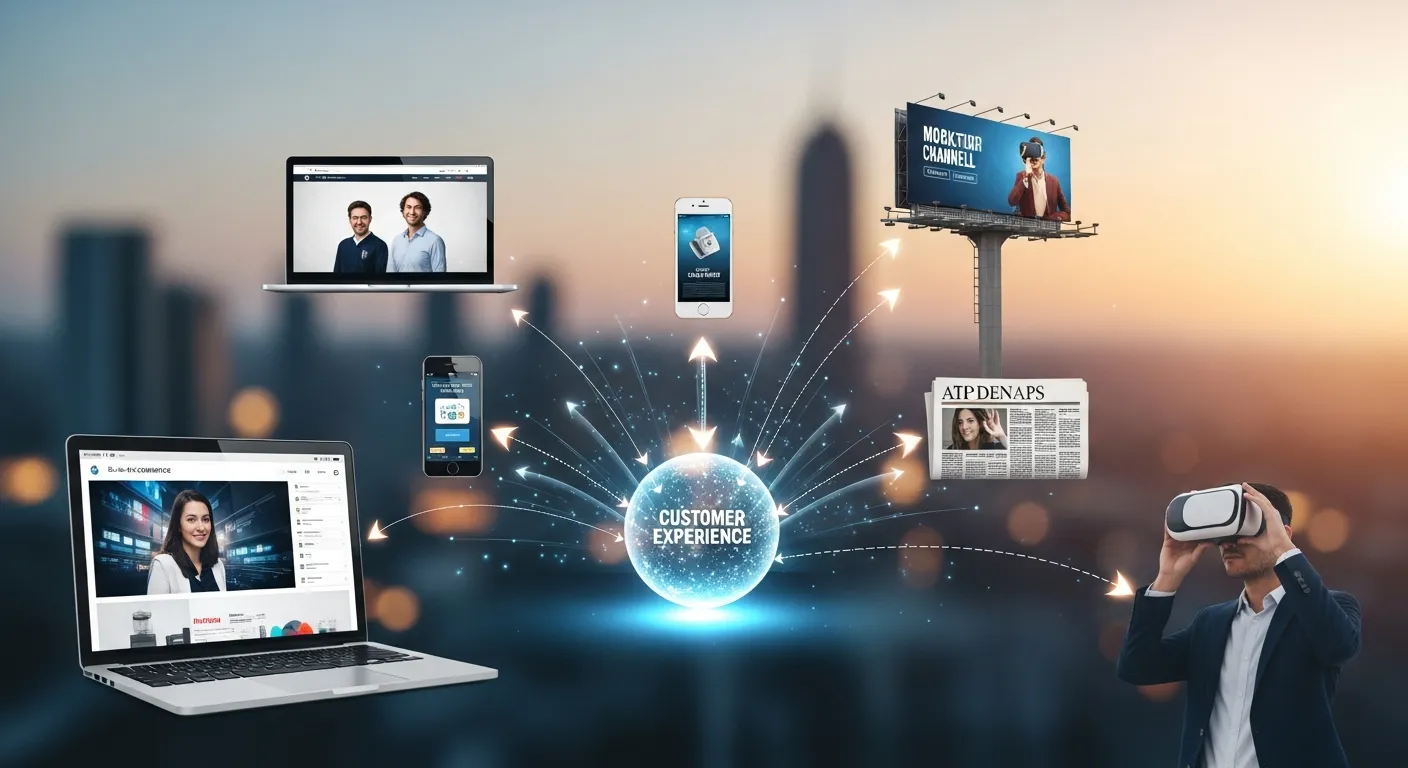
The boundaries between online and offline experiences will continue to blur in 2026. Consumers expect seamless, consistent interactions across websites, social media, email, mobile apps, and physical stores.
Core Elements of a Strong Omnichannel Strategy
Consistent Brand Messaging
Your brand voice and values should remain consistent across all channels, ensuring a cohesive customer experience.
Integrated Cross-Channel Data
Combining online and offline data—such as linking in-store purchases with digital behavior—provides deeper insights into customer preferences and behaviour.
Real-Time Engagement
Fast responses through live chat, social messaging, and social commerce will be critical for meeting customer expectations and maintaining engagement.
Action Step:
Evaluate your current channels and use tools like Hootsuite or Zendesk to unify communication and customer support efforts.
Emotional Branding Will Differentiate Businesses
In saturated markets, emotion will be a key differentiator. By 2026, brands that connect emotionally—through purpose, storytelling, and shared values—will stand out. Consumers buy from brands they relate to, not just those with superior products. Emotional branding fosters loyalty, advocacy, and long-term trust.
Real-Time Marketing and Agile Campaigns
Marketing cycles are becoming shorter. In 2026, real-time marketing—responding instantly to trends, events, and audience behavior—will be essential. Agile teams that monitor data continuously and adapt quickly will outperform rigid campaign structures. Speed and relevance will matter more than perfection.
B2B Marketing Will Mirror B2C Experiences
B2B buyers expect the same personalized, seamless experiences as B2C consumers. In 2026, B2B marketing will rely more on storytelling, video content, and emotional engagement. Decision-makers are still human, and trust-based inbound strategies will dominate complex buying journeys.
Marketing Measurement Will Shift to Business Impact
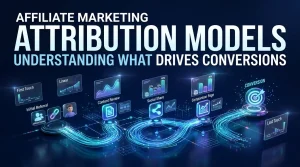
Vanity metrics will lose importance in 2026. Brands will focus on revenue impact, customer lifetime value, retention, and brand trust. Advanced attribution models and AI-powered analytics will connect marketing activity directly to business outcomes. Measurement will become more strategic, not just operational.
Preparing Your Brand for 2026 and Beyond

Success in 2026 requires proactive planning and adaptability. Technologies such as AI, advanced personalization, sustainability initiatives, and omnichannel experiences will create enormous opportunities—but only for brands willing to act now.
By investing in the right tools, listening to customer feedback, and aligning marketing strategies with evolving consumer values, businesses can build resilient brands that thrive in a rapidly changing marketplace.
The future of marketing belongs to brands that prioritize relevance, responsibility, and meaningful relationships—and 2026 is the time to start building that future.
Conclusion
Marketing in 2026 will reward brands that prioritize relevance, trust, and adaptability. Artificial intelligence, personalization, sustainability, inclusivity, and omnichannel engagement are no longer optional—they are essential. Businesses that act now, align with evolving consumer values, and invest in long-term strategies will build resilient brands ready for the future.
Frequently Asked Questions (FAQs)
1. What Are the Biggest Marketing Trends in 2026?
The most influential marketing trends in 2026 include artificial intelligence, advanced personalization, sustainability-driven branding, inclusivity, omnichannel customer experiences, and privacy-first data strategies. These trends reflect a shift toward customer-centric, ethical, and technology-enabled marketing. Brands that successfully integrate these elements will be better positioned to build trust, increase engagement, and stay competitive in an increasingly crowded digital landscape.
2. How Will Artificial Intelligence Impact Marketing in 2026?
Artificial intelligence will be central to marketing operations in 2026. AI will power personalization, predictive analytics, customer segmentation, content optimization, and marketing automation. It will enable faster decision-making, better targeting, and improved customer experiences. However, human creativity and strategic oversight will remain essential to ensure authenticity, accuracy, and emotional connection in AI-assisted campaigns.
3. Is Personalization Mandatory for Marketing Success in 2026?
Yes, personalization will be a basic expectation rather than a competitive advantage in 2026. Consumers expect brands to understand their preferences, behaviors, and needs across all touchpoints. Generic messaging will struggle to gain attention. Effective personalization uses behavioral data, real-time insights, and dynamic content to deliver relevant experiences that increase engagement, loyalty, and conversions.
4. How Important Is Sustainability in Marketing Strategies?
Sustainability will be a critical factor influencing brand trust and purchasing decisions in 2026. Consumers increasingly support brands that demonstrate genuine environmental and social responsibility. Marketing strategies must transparently communicate sustainability efforts, ethical sourcing, and reduced environmental impact. Authentic sustainability messaging strengthens credibility and long-term customer loyalty.
5. Will Inbound Marketing Still Be Effective in 2026?
Inbound marketing will be more effective than ever in 2026. As consumers avoid intrusive advertising, value-driven content becomes essential for attracting and nurturing leads. Inbound strategies such as SEO, educational content, and email nurturing build trust and guide prospects through the buyer’s journey. This approach aligns perfectly with modern consumer behaviour and long-term growth goals.
6. How Does Inclusivity Influence Brand Success?
Inclusivity directly impacts brand perception, reach, and credibility. In 2026, audiences expect brands to reflect real diversity and promote equality authentically. Inclusive marketing goes beyond representation—it includes accessible design, culturally sensitive messaging, and respectful communication. Brands that embrace inclusivity build stronger emotional connections and earn greater customer trust.
7. What Role Will Omnichannel Marketing Play in 2026?
Omnichannel marketing will be essential for delivering seamless customer experiences. Consumers interact with brands across multiple platforms and expect consistency at every touchpoint. Successful omnichannel strategies integrate data, messaging, and engagement across online and offline channels. This unified approach improves customer satisfaction, retention, and overall brand experience.
8. Is Paid Advertising Still Relevant in 2026?
Yes, paid advertising will remain relevant in 2026, but its role will evolve. Paid campaigns will work best when supporting inbound marketing, content distribution, and personalized experiences. Rather than relying solely on ads for conversions, brands will use paid media strategically to amplify high-performing content and accelerate reach.
9. How Can Brands Prepare for Data Privacy Changes?
Brands must shift toward first-party data strategies and transparent data practices. In 2026, trust-based data collection, clear consent mechanisms, and ethical data usage will be essential. Companies should invest in CRM systems, privacy-compliant analytics tools, and open communication with customers about how data is collected and used.
10. What Content Formats Will Perform Best in 2026?
High-performing content in 2026 will include short-form video, interactive content, educational blog posts, podcasts, and community-driven content. Audiences prefer engaging, visual, and value-focused formats. Brands that experiment with multiple content types while maintaining authenticity will see higher engagement and stronger audience relationships.
11. Does This Strategy Apply to Small Businesses and Startups?
Absolutely. Digital tools and platforms allow small businesses and startups to compete effectively without massive budgets. By leveraging inbound marketing, personalization, automation, and niche targeting, smaller brands can build visibility, trust, and customer loyalty. Smart strategy matters more than scale in 2026.
12. How Should Marketing Success Be Measured in 2026?
Marketing success in 2026 should be measured using business-focused metrics such as return on investment (ROI), customer lifetime value (CLV), retention rates, brand sentiment, and trust indicators. While engagement metrics remain useful, they must connect to real business outcomes to demonstrate true marketing impact.