Transforming Influencer Marketing and AI Shaping the Future of Digital Engagement
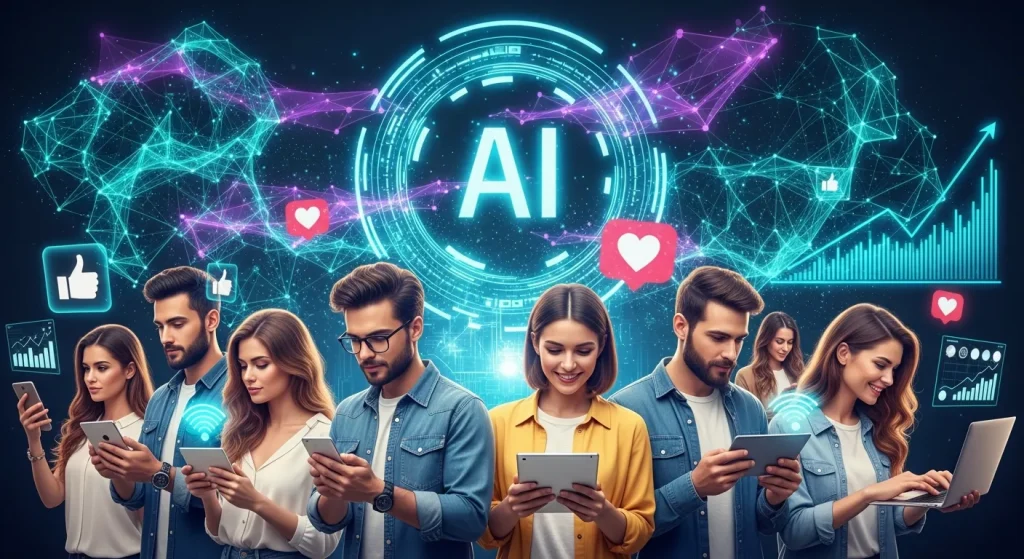
Influencer marketing has been taking the brand new conversation, offering opportunities for brands big and small to get right where their target audience lives, with authentic and familiar voices. By contrast, the rapid advent of AI has opened new pathways for understanding audiences, streamlining back office processes, and driving creative works. But what happens when these two forces meet head-on? How can AI bring influencer marketing to the next level?
Here’s your chance to take a deep breath, because we’re going to examine in this blog how AI is redefining influencer marketing. We will talk about the problems for influencers and brands, taking a look at artificial intelligence applications that shake up their industry–plus actionable advice on how to use tools powered by AI in order to improve campaign performance.
The Challenges in Influencer Marketing
Influencer marketing is not without its own set of obstacles. While it has proven to be a highly effective strategy, some common challenges persist:
- Finding the Right Influencers
With millions of influencers out there, how can a brand identify those that align with their values, goals, and audience? The wrong partnership could jeopardize a brand’s authenticity, alienating its audience.
- Measuring ROI
Unlike traditional ads with clear benchmarks, calculating the ROI of influencer campaigns can be tricky. Brands often find it hard to measure the impact of a partnership on sales, engagement, or brand perception.
- Managing Fake Followers
An ongoing issue in the world of social media, fake followers, and bots inflate engagement metrics, creating an illusion of influence. Brands must work hard to ensure that their efforts are being directed at real audiences.
- Creating Authentic Content
Forced messaging often fails to strike a chord with audiences, diluting the authenticity of both the influencer and the brand. Co-creating organic content while sticking to brand guidelines is always a tightrope walk.
It’s clear that influencer marketing has some roadblocks, but this is where artificial intelligence enters as the ultimate game-changer.
How AI is Changing Influencer Marketing
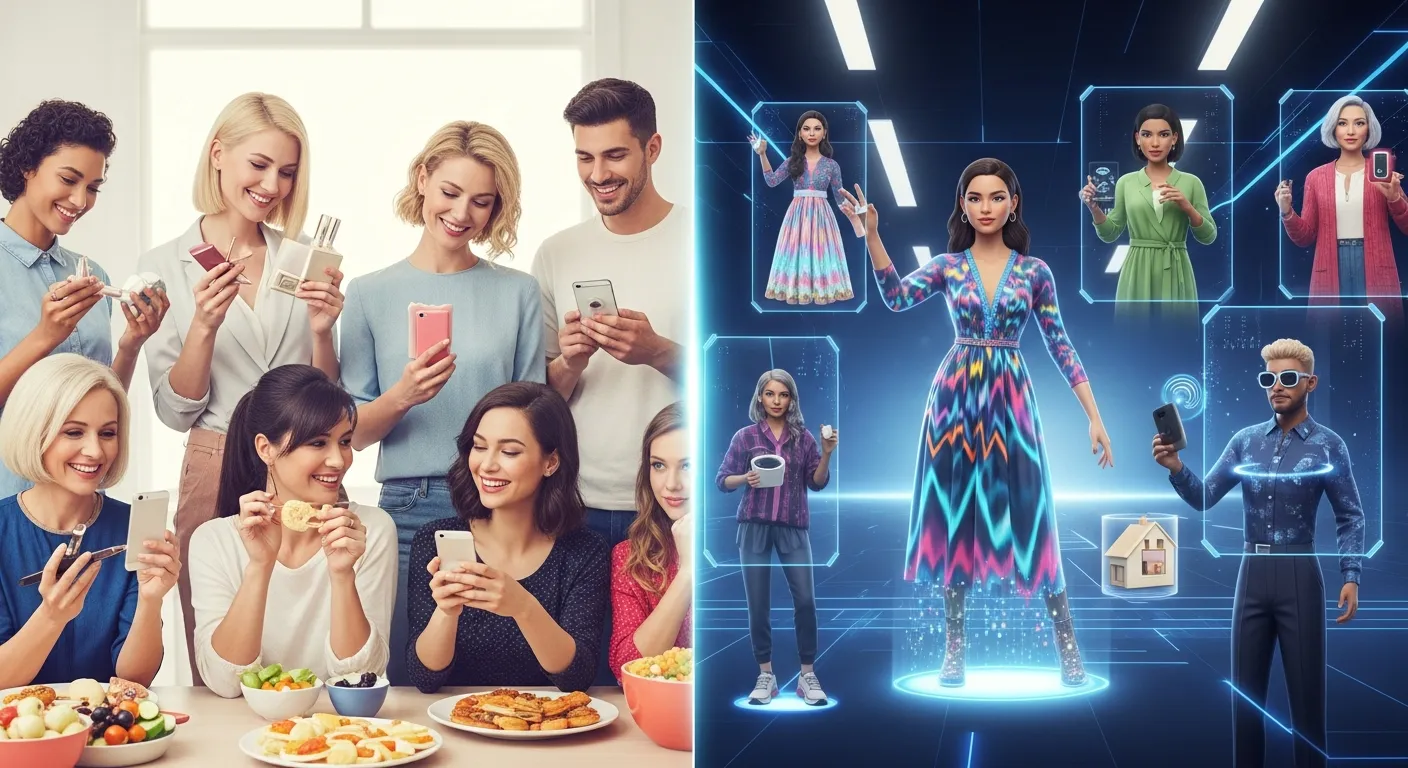
AI is stepping in to solve these challenges and revolutionize the influencer industry with smarter, faster, and more effective solutions. Here’s how it’s happening:
1. AI-Powered Influencer Discovery
Those days seem to be history now when people had to search Instagram or TikTok by hand for suitable influence hopefuls.AI tools can already take tens of millions profiles and conduct a comprehensive analysis, looking at such things as demographic, audience data, engagement rates, relevance to niche markets and so forth.
For example, with technologies such as these Heepsy and Upfluence bring brands and true believers in line. This way brands to find influencers who not only reach their target audience but also represents their values.
2. Fraud Detection
Thanks to AI, spotting fake followers and suspicious activity is easier than ever. Tools like HypeAuditor and Modash analyze metrics like follower authenticity, engagement ratios, and audience demographics to determine whether an influencer has a loyal, genuine audience.
This empowers brands to steer clear of influencers with artificially inflated metrics and focus on those who can drive real results.
3. Predicting ROI with Data
AI can do the heavy lifting when it comes to evaluating the potential ROI of an influencer campaign. By analyzing historical engagement rates, content performance, and audience insights, AI tools can predict how an influencer partnership will perform.
For example, Traackr enables brands to track influencer performance across previous campaigns to identify future opportunities. With this data-driven insight, brands can allocate budgets more strategically.
4. Automating Contracts and Campaigns
AI-powered platforms are also streamlining campaign execution. Automating elements like influencer contracts, campaign briefs, and scheduling saves time and effort, leaving more room for creativity and relationship-building.
Tools like AspireIQ simplify the campaign management process, enabling faster turnarounds for multi-influencer collaborations. This gives brands greater bandwidth to focus on developing better strategies rather than managing minor logistics.
5. Personalized and Scalable Content Creation
It’s not just that AI makes influencer marketing more efficient; it’s also much smarter than ever before. With AI tools such as Jasper, Canva AI, and OpenAI’s GPT models, both brands and influencers can produce high-quality, highly engaging content quickly.
From crafting dazzling catch lines to inspiring blog entries, AI achieves scale at scale. What’s more, all of these tools are guided by data; that ensures the end product is tailored to appeal more closely to an intended target audience with each such step forward.
Benefits of Pairing AI with Influencer Marketing
What do influencers and brands stand to gain from leaning into AI in influencer marketing? The benefits are huge:
- Efficiency: AI streamlines work processes, from influencer selection to content creation, saving time and energy for both influencers and brands.
- Precision: Data-powered insights ensure better brand-influencer alignment and highly targeted campaigns.
- Cost-Effectiveness: With AI predicting campaign outcomes, brands can invest resources more strategically.
- Authenticity: By detecting fake followers and ensuring audience relevancy, partnerships appear more natural and authentic.
AI is more than just a tool; it’s becoming an essential component of a successful influencer marketing strategy.
Real-World Examples of AI and Influencer Marketing Success
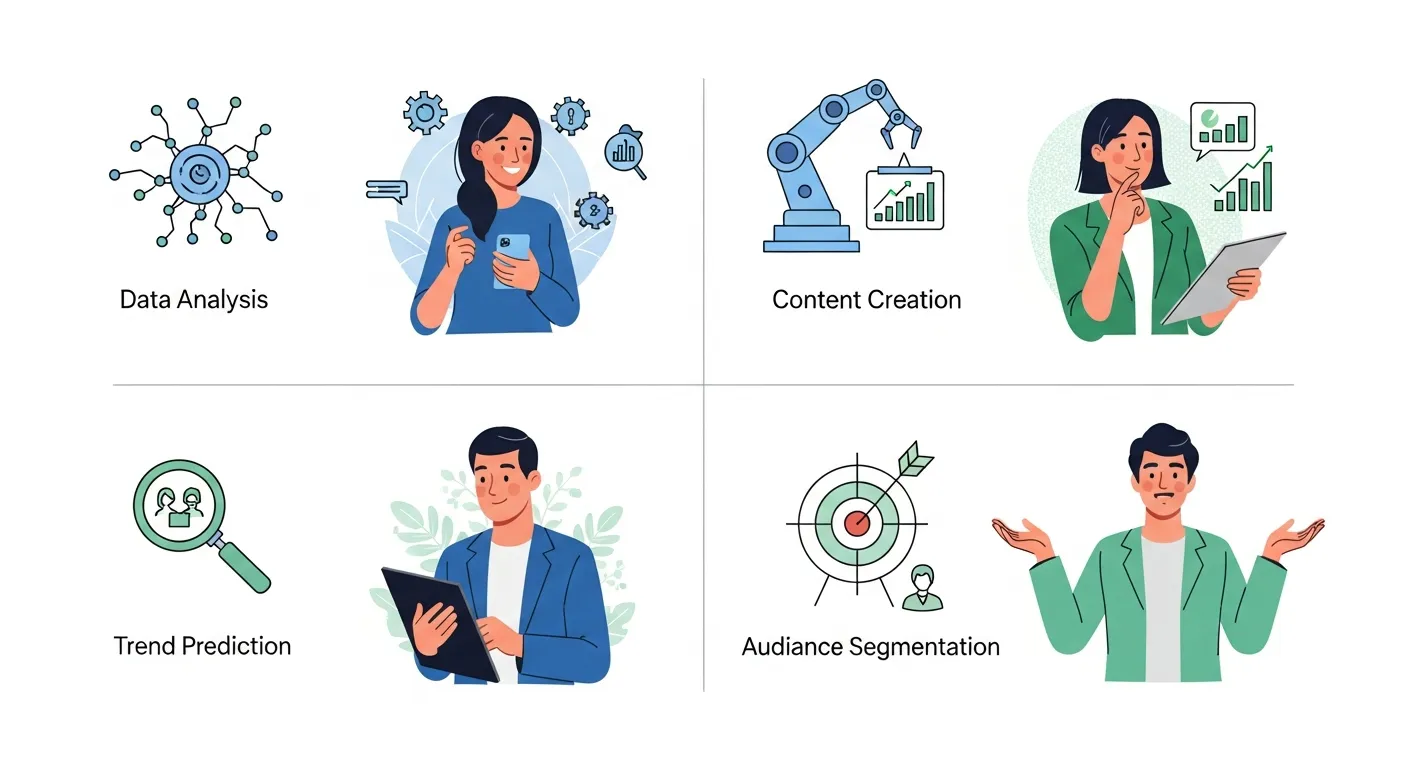
Beauty Industry
Global beauty giant Estée Lauder used AI technology to power their Global Influencer Marketing Program. Using advanced analytics, they identified high-performing beauty influencers and optimized personalized campaigns that resulted in an uptick in customer engagement and sales.
Fashion Industry
Zara has integrated AI to track how audiences engage with influencers in real-time. This data helps them shift campaign strategies instantly, maximizing success and influencing future launches.
Food Industry
When Starbucks launched its influencer outreach program, AI helped the brand pinpoint micro-influencers who aligned with their message. AI tools also helped Starbucks analyze content performance and adjust marketing actions dynamically.
How You Can Get Started
Excited to bring AI into your influencer marketing strategy? Here’s how you can start:
- Explore AI Tools
Research platforms like HypeAuditor, Heepsy, Jasper, and Traackr to see how they cater to your needs. Start small to test the waters.
- Leverage Data
Dig into campaign data and analytics to understand what’s resonating with your audience. AI gives you the ability to uncover trends you may have missed otherwise.
- Focus on Authenticity and Trust
Ensure that AI tools are enhancing—not replacing—the human touch. Build genuine relationships with influencers and co-create meaningful, authentic campaigns.
- Experiment and Analyze
AI tools thrive on data, so don’t hesitate to experiment and test different campaign strategies. Use insights to refine your approach over time.
Real-Time Campaign Optimization
AI allows campaigns to adapt in real time. By tracking performance metrics such as engagement rate, watch time, and click-through rates, AI systems can suggest immediate adjustments. Brands can refine captions, modify posting schedules, or reallocate budgets mid-campaign. This dynamic optimization is a major step in transforming influencer marketing from static promotion to agile strategy. Instead of waiting until campaigns end to evaluate results, marketers make improvements instantly. Real-time adjustments maximize campaign effectiveness and reduce performance gaps.
Influencer Relationship Management Automation
Managing multiple influencers can become overwhelming. AI-driven CRM systems streamline communication, contract management, deliverables tracking, and performance monitoring. Automation reduces administrative workload and enhances efficiency. Transforming influencer marketing through automation enables brands to scale partnerships without sacrificing organization. AI platforms centralize campaign data, simplifying collaboration across teams. By reducing manual processes, marketers can focus more on strategy and creativity rather than logistics.
Fraud Detection and Brand Safety Monitoring
Fake followers and engagement fraud undermine campaign credibility. AI-powered fraud detection tools analyze engagement authenticity, audience growth patterns, and bot behavior indicators. This ensures brands collaborate with genuine influencers. Additionally, AI monitors influencer content for brand safety concerns or controversial topics. In transforming influencer marketing, protecting brand integrity becomes more proactive. Early detection of suspicious activity safeguards investment and reputation. Trust remains a cornerstone of influencer marketing success.
AI-Generated Creative Assistance
AI tools such as GPT-based platforms and design assistants support content creation. From drafting captions to generating visual concepts, AI accelerates creative workflows. However, the key to transforming influencer marketing is balancing automation with authenticity. AI enhances productivity but should complement, not replace, the influencer’s voice. Brands that combine human storytelling with AI efficiency create compelling campaigns that resonate deeply with audiences.
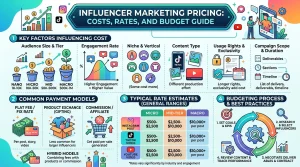
Data-Driven Influencer Pricing Models
AI introduces transparency into influencer pricing. By analyzing historical performance data, audience quality, and industry benchmarks, AI recommends fair compensation rates. This prevents overpayment and ensures influencers are rewarded based on measurable impact. Transforming influencer marketing with performance-based pricing aligns incentives between brands and creators. Data-backed pricing strengthens trust and fosters long-term partnerships.
Cross-Platform Integration and Analytics
Modern campaigns span multiple platforms, including Instagram, TikTok, YouTube, and LinkedIn. AI integrates performance data across channels to provide unified reporting dashboards. This holistic analysis identifies which platforms deliver the strongest ROI. Transforming influencer marketing through cross-platform analytics enables brands to create cohesive, multi-channel strategies. Centralized insights support smarter expansion decisions and consistent messaging.
NFT Marketing: AI in Web3 Influencer Campaigns
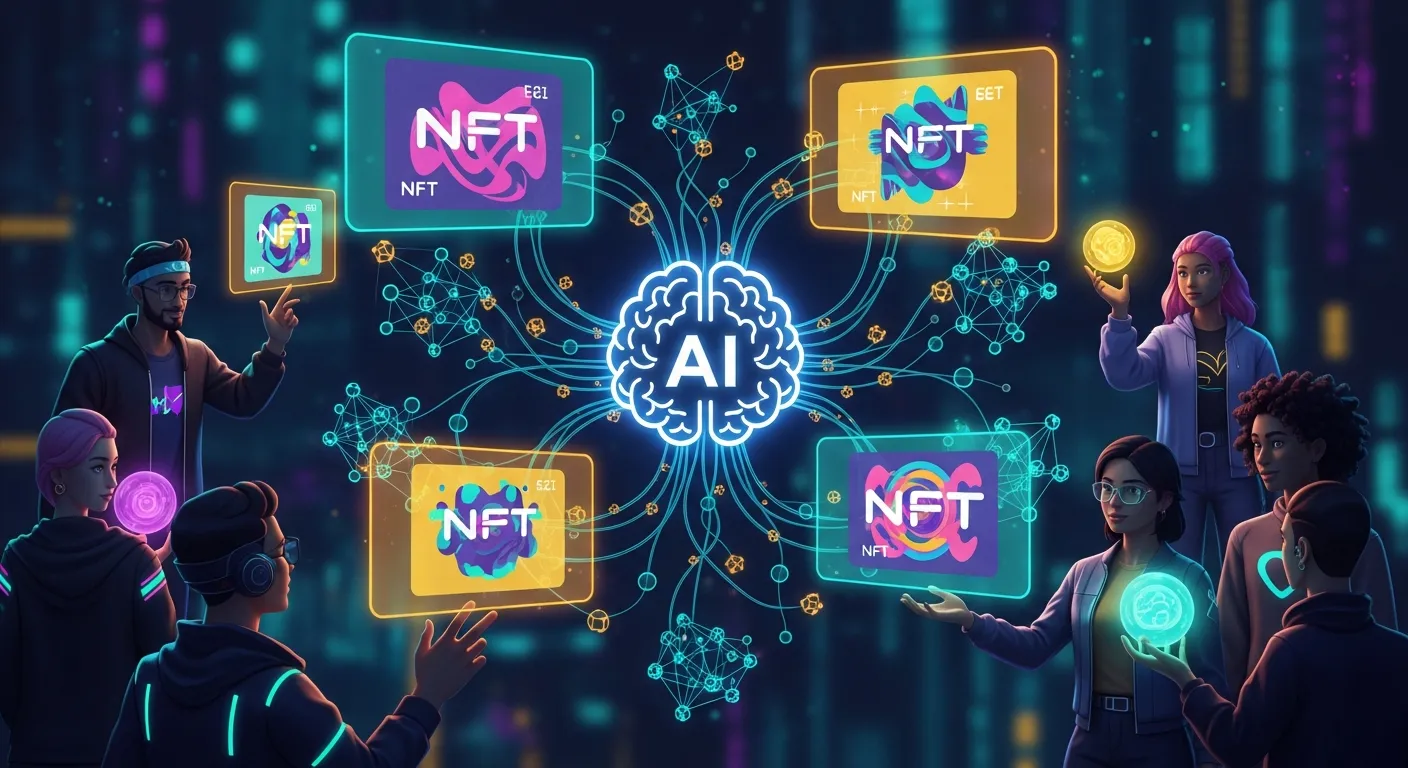
NFT marketing requires community trust, transparency, and education. AI plays a crucial role in transforming influencer marketing within Web3 ecosystems. AI tools analyze blockchain activity, wallet behaviour, and community engagement to identify credible NFT influencers. Sentiment analysis monitors Discord and Twitter (X) conversations to gauge project perception. AI also predicts NFT demand trends and identifies potential red flags. Since crypto promotions face regulatory scrutiny, AI ensures compliance monitoring. By combining influencer education with AI-driven data, NFT brands can avoid hype-driven failures and build sustainable Web3 communities.
Transform Your Influencer Marketing Strategy
It’s not just a dream for some future, but this combination has now arrived and is transforming the way we think about online advertising. Brands can now make influencer marketing more efficient, focused, powerful and effective than ever before using AI tools. If you want to use AI to inspire your marketing campaign, don’t wait for tomorrow. You can begin readily with tools like Jasper, which lets you creatively increase promotional materials over a whole range of different themes and formats.
Conclusion
AI is fundamentally transforming influencer marketing by introducing precision, automation, predictive analytics, and smarter content strategies. While human creativity remains essential, AI enhances efficiency and reduces risk. Brands that embrace AI-driven tools gain a competitive advantage, improved ROI, and stronger audience connections.
FAQs: Transforming Influencer Marketing with AI
1. What does transforming influencer marketing mean?
Transforming influencer marketing refers to integrating artificial intelligence into influencer strategies to enhance targeting accuracy, campaign efficiency, fraud detection, performance tracking, and ROI measurement. AI-driven systems replace guesswork with data-backed insights, improving overall marketing effectiveness.
2. Is AI the future of influencer marketing?
Yes, AI is increasingly shaping the future of influencer marketing by enabling smarter decision-making, predictive analytics, automation, and personalization. Brands leveraging AI gain competitive advantages through improved targeting, stronger audience insights, and measurable performance improvements.
3. How does AI improve influencer selection?
AI improves influencer discovery by analyzing audience demographics, behavioural patterns, engagement authenticity, niche alignment, and historical performance data. This ensures brands collaborate with influencers who genuinely resonate with their target audience and brand values.
4. Can AI predict influencer campaign success?
Yes, predictive analytics powered by AI evaluates historical campaign performance, audience behaviour trends, and engagement metrics to forecast potential outcomes. This helps brands estimate reach, conversions, and ROI before committing budgets.
5. How does AI help measure ROI in influencer marketing?
AI tracks key performance indicators such as conversions, click-through rates, engagement sentiment, audience growth, and sales attribution. By consolidating data across platforms, AI provides clear, data-driven insights into campaign effectiveness.
6. How does AI detect fake followers and fraud?
AI identifies suspicious engagement patterns, unusual follower growth spikes, bot-like comments, and demographic inconsistencies. Advanced fraud detection tools ensure brands partner with influencers who have genuine, active audiences.
7. Does AI replace influencers?
No, AI enhances efficiency but does not replace human creativity. Influencers provide authentic storytelling and emotional connection, while AI supports analytics, automation, and optimization. The combination creates stronger, more impactful campaigns.
8. Can AI improve content quality and creativity?
AI tools assist with caption writing, content ideas, hashtag optimization, trend analysis, and performance testing. While AI speeds up production and optimization, influencers maintain creative direction and authentic voice.
9. Is AI influencer marketing ethical?
AI-driven influencer marketing is ethical when brands prioritize transparency, proper ad disclosures, and data privacy compliance. Responsible AI usage ensures authenticity, audience trust, and regulatory adherence.
10. Is AI expensive for small brands or startups?
Many AI marketing platforms offer scalable pricing models suitable for startups and small businesses. Entry-level tools provide analytics, influencer discovery, and automation features without requiring enterprise-level budgets.
11. What industries benefit most from AI influencer marketing?
Industries such as beauty, fashion, technology, gaming, finance, e-commerce, and NFT sectors benefit significantly. These industries rely heavily on digital engagement, visual storytelling, and data-driven consumer targeting.
12. How is AI used in NFT influencer marketing?
In NFT marketing, AI analyzes blockchain activity, wallet behaviour, community sentiment on Discord or Twitter (X), and influencer credibility. This reduces risk, improves transparency, and strengthens community-driven Web3 campaigns.