When Influencer Marketing Backfires: Mistakes & Lessons
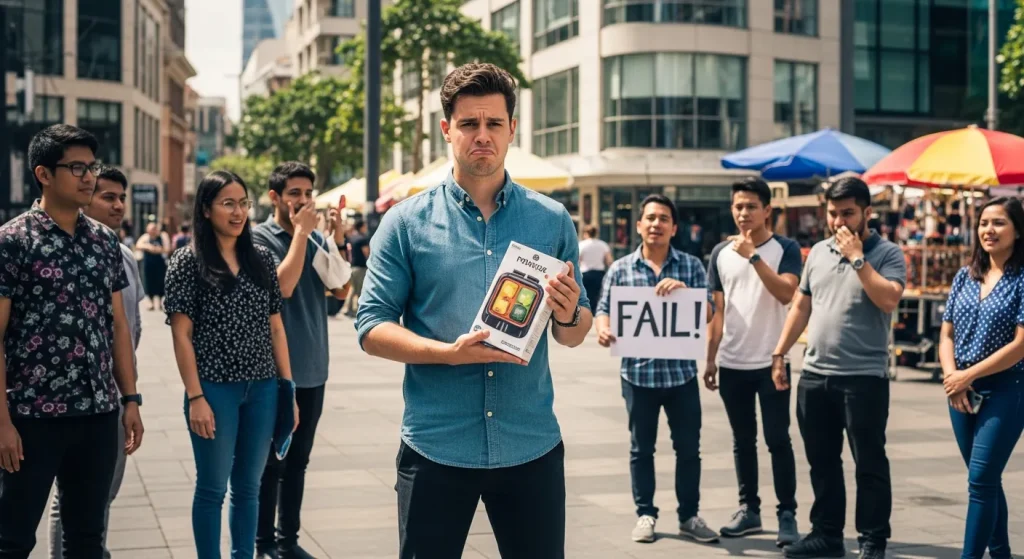
Influencer marketing is one of modern advertising’s fastest-growing tactics, allowing brands to access niche audiences through the trusted voice of an influencer. Whether it’s fashion or beauty, technology or fitness–companies are spending billions each year on influencers. They help to transmit their business message farther than it would otherwise go. However, every influencer campaign is not a winner. Some turn out disastrously for brands, costing them both money and reputation (or even business). And not just the brand itself–the people who have linked their names with a brand are also injured in these fiascos. It can even be said that damage done by some marketing collapses is irreparable.
What happens when influencer marketing backfires? How can you protect your own campaigns from disaster? This blog dissects the biggest errors made by brands and gives real-world cases of influencer marketing gone wrong as well as tips on how to protect your own campaigns.
Common Mistakes in Influencer Marketing
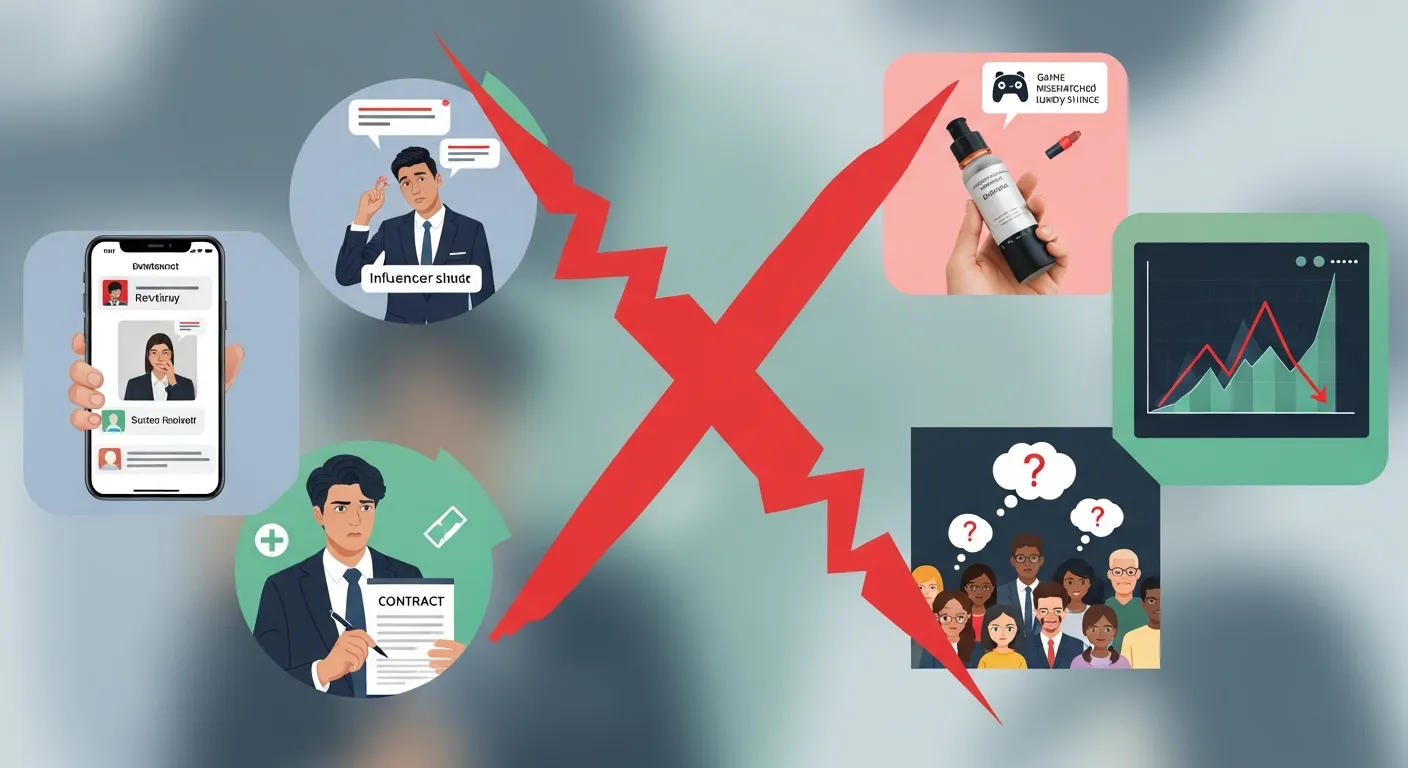
Choosing the Wrong Influencer
Being honest, the biggest trap in influence marketing is that your influencer and brand values, voice, and audience alignment don’t match. Collaborations with dissimilar others bring disconnection, low engagement or worse.
For example, in 2017, a fitness brand signed a partnership deal with an influencer who didn’t even work out and was miles removed from the industry. The commentary on the post exposed conflict outside perceptions immediately, eventually tarnishing this campaign’s maker: let’s say it did not help their credibility!
How to avoid it:
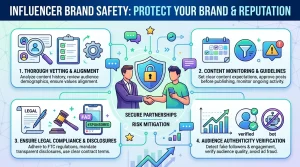
Ensure your chosen influencer aligns with your brand values and resonates with your target audience. Look at factors like:
- Niche expertise
- Audience demographics
- Values and reputation
Lack of Authenticity
It’s easy for audiences to spot an inauthentic partnership. Most people are not convinced by forced promotions or overly scripted videos- they usually feel phoney and make viewers tune out. In addition, admitting that you don’t use the product you’re promoting can damage both an influencer and their company’s credibility at once.
In a now-notorious case, actor Scott Derick posted about his health product. In an Instagram caption, he inadvertently cut and pasted all of the company’s email brief. This meant that his promotion was genuinely little more than a paycheck. Learn more about Social Influencer Marketing Agencies.
How to avoid it:
Allow influencers creative freedom. Their followers trust them because of their originality and personality, so give them room to remain authentic while staying on message.
Ignoring Compliance Rules and Transparency
Transparency is key when it comes to influencer marketing. Both influencers and brands are legally obliged to disclose paid partnerships. When disclosures like #ad or #sponsored are absent, the campaign risks breaking FTC guidelines, leading to hefty fines and reputational damage.
For example, in 2020, a major energy drink brand faced backlash for a campaign featuring influencers who failed to label their posts as ads. The lack of transparency hurt the brand’s image and resulted in public mistrust.
How to avoid it:
Educate your influencers on compliance laws and ensure they label partnerships with the appropriate disclosures upfront. Transparency builds trust with your audience.
Overlooking Engagement Metrics
An influencer’s follower count may feel like an obvious metric to focus on, but it doesn’t tell the full story. Many campaigns flop because brands work with influencers who have a high follower count but low engagement rates, or worse, rely on bots to inflate their numbers.
One highly publicized case involved an influencer with over 2 million followers who struggled to sell even 30 T-shirts as part of a campaign. The debacle exposed the influencer’s low engagement and lack of genuine community, turning a once-promising collab into a PR nightmare.
How to avoid it:
Instead of focusing solely on follower count, prioritize influencers with active and engaged audiences. Tools like HypeAuditor or Social Blade can help analyze engagement rates, audience authenticity, and reach.
Real-World Examples of Influencer Marketing Gone Wrong

Fyre Festival’s Infamous Disaster
Perhaps one of the most infamous examples of influencer marketing failure, Fyre Festival partnered with high-profile influencers like Kendall Jenner and Bella Hadid to promote a luxury music festival. Social media buzz skyrocketed, thanks to influencer endorsements showcasing luxury accommodations and gourmet meals.
The reality, however, was far from glamorous. Attendees arrived to find subpar infrastructure, inedible food, and chaos. The influencers, who failed to disclose their sponsorships, faced heavy criticism alongside the festival organizers. The fiasco turned into lawsuits and irreparable damage to everyone involved.
Pepsi and Kendall Jenner
Pepsi’s 2017 ad featuring Kendall Jenner attempted to use the influencer’s popularity to send a message of unity and activism. Instead, it was widely condemned for trivializing social justice movements and exploiting activism for profit. The ad also felt insincere, leading to backlash against both Jenner and Pepsi.
Key takeaway? Influencer marketing and social issues must be handled with sensitivity and authenticity.
Elle Darby and the Hotel Drama
British influencer Elle Darby faced backlash when she asked for free accommodation from a boutique hotel in exchange for a promotional post. The hotel owner publicized her email, accusing her of entitlement. The feud quickly went viral, sparking debates about entitled influencers and fair compensation.
This incident highlighted how influencer requests can sometimes backfire and damage reputations.
How to Avoid Influencer Marketing Failures
Here are three actionable tips to help you avoid having your campaigns go off the rails:
Do Your Research
Before partnering with an influencer, take the time to dig deep into their content, audience, and alignment with your brand. Check for red flags like controversial past behaviour or low engagement metrics.
Be Clear About Goals
Set expectations upfront with influencers. Define campaign goals, deliverables, tone, and compliance requirements clearly to avoid any miscommunication.
Monitor and Analyze Campaigns
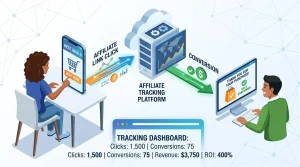
Don’t just assume the campaign will run smoothly once launched. Monitor its performance closely using campaign analytics. Measure metrics like engagement rates, conversions, and ROI to evaluate success.
Cultural Sensitivity and Social Awareness
Campaigns can fail when brands ignore cultural context or social climate. Influencer collaborations must consider timing, global events, and social issues. Insensitive messaging during crises or political movements can appear tone-deaf. Brands should conduct cultural audits and evaluate how campaigns may be perceived across different communities. Influencers also carry their own personal histories and opinions, which may conflict with brand values. Proactive research prevents missteps. Respectful storytelling and awareness of current events reduce backlash risks and strengthen brand reputation.
Contract Clarity and Legal Protection
Clear contracts are essential in influencer partnerships. Agreements should define deliverables, timelines, content approval rights, disclosure requirements, and performance expectations. Without proper documentation, misunderstandings arise easily. Legal clauses should address morality issues, allowing brands to terminate agreements if influencers engage in harmful behaviour. Intellectual property ownership must also be clarified to avoid disputes. Strong legal foundations protect both parties and minimize campaign risk. Professional contracts transform influencer marketing from informal collaboration into strategic business partnerships.
Audience Fatigue and Over-Promotion
When influencers promote too many products, audiences experience fatigue. Over-commercialisation reduces engagement and trust. Followers may unfollow creators who constantly post sponsored content. Brands should evaluate how frequently influencers share ads and ensure promotions align with audience interests. Balanced content maintains authenticity and engagement. Influencer marketing must feel like a recommendation, not an advertisement overload. Sustainable promotional frequency protects long-term brand value and influencer credibility.
Measuring ROI Beyond Likes
Vanity metrics like likes and views do not guarantee success. Brands must measure conversions, website traffic, lead generation, and sales impact. Tracking links, affiliate codes, and performance dashboards provide clearer ROI insights. Campaign objectives should be defined before launch to determine success criteria. Measuring sentiment analysis and brand awareness also offers valuable insights. Strategic measurement ensures accountability and continuous improvement. Without proper evaluation, brands cannot identify what works or prevent future failures.
Micro-Influencers vs Celebrity Influencers
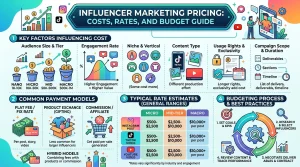
Celebrity endorsements generate massive exposure but often lack deep engagement. Micro-influencers, with smaller but highly loyal audiences, typically produce stronger community interaction. Their followers view them as relatable and trustworthy. Brands must evaluate campaign goals before choosing influencer size. Awareness campaigns may benefit from celebrities, while conversion-driven strategies often succeed with micro-influencers. Choosing the wrong tier can lead to poor ROI and campaign disappointment. Strategic alignment matters more than audience size.
Ethical Marketing and Brand Responsibility
Modern consumers value ethical business practices. Influencers promoting harmful products, misleading claims, or unrealistic results risk severe backlash. Brands must ensure product claims are accurate and responsible. Ethical transparency builds long-term loyalty. Companies should prioritize honesty over hype. Responsible marketing protects both customers and brand reputation. Ethical missteps can result in lawsuits and public distrust. Long-term success depends on integrity and consumer respect.
NFT Marketing and Influencer Risks
NFT marketing introduces additional risks due to volatility, speculation, and regulatory uncertainty. Influencers promoting NFT projects without proper research can mislead audiences. Several crypto influencers have faced lawsuits for undisclosed NFT promotions. The decentralized nature of Web3 makes trust even more critical. Brands must ensure transparency about financial incentives and potential risks. Community-driven marketing is essential in NFT ecosystems. Unlike traditional campaigns, NFT promotions often rely on Discord, Twitter, and Telegram engagement. Proper due diligence, roadmap clarity, and long-term utility planning prevent pump-and-dump accusations. Influencer partnerships in NFT marketing must prioritize education, compliance, and transparency to avoid reputational disasters.
Takeaways on Influencer Marketing
When done right, influencer marketing can bring incredible results. But as these examples prove, overlooking key details or misaligning partnerships can end in disaster.
By choosing the right influencers, promoting authenticity, ensuring compliance, and continuously analyzing performance, you can effectively harness the power of influencer marketing to build trust, visibility, and growth for your brand.
Want to learn more about making influencer marketing work for your business? Contact us today to explore customized strategies!
Conclusion
Influencer marketing remains a powerful strategy, but its risks are real. From authenticity issues to NFT controversies, brands must prioritize research, transparency, and ethical responsibility. Strategic planning, data analysis, and long-term partnerships reduce campaign failures. Success depends on trust, alignment, and accountability.
FAQs About Influencer Marketing Failures
1. What is influencer marketing failure?
Influencer marketing failure occurs when a campaign does not meet its objectives or causes negative consequences for a brand. This may include poor engagement, low conversions, public backlash, legal issues, or reputational damage. In severe cases, failed campaigns can result in financial loss and long-term brand distrust.
2. Why do influencer campaigns backfire?
Campaigns typically fail due to poor brand-influencer alignment, lack of authenticity, weak strategy, cultural insensitivity, or failure to disclose paid partnerships. Unrealistic expectations, unclear communication, and ignoring audience sentiment can also contribute to campaign collapse.
3. What is the biggest influencer marketing mistake?
The most common mistake is choosing an influencer based solely on follower count rather than relevance and engagement. Misaligned values, fake followers, and forced promotions often damage credibility and reduce campaign effectiveness.
4. How can brands choose the right influencer?
Brands should evaluate niche relevance, audience demographics, engagement rate, content quality, brand values, and past collaborations. Reviewing audience comments and using analytics tools can help determine authenticity and alignment before signing a partnership.
5. Are micro-influencers better than celebrity influencers?
Micro-influencers often generate higher engagement rates and stronger community trust within specific niches. Celebrities provide broader visibility but may lack deep audience connection. The right choice depends on campaign goals—awareness versus conversions.
6. What role does engagement rate play in campaign success?
Engagement rate reflects how actively an audience interacts with content through likes, comments, shares, and saves. A high engagement rate indicates genuine community interest and trust, making it a stronger success indicator than follower count alone.
7. How can brands prevent fake followers or bot issues?
Brands should audit influencer accounts using tools like HypeAuditor or Social Blade. Look for sudden follower spikes, low engagement ratios, repetitive comments, or suspicious audience demographics. Authentic growth patterns are key indicators of legitimacy.
8. Why is transparency important in influencer marketing?
Transparency builds audience trust and ensures compliance with advertising regulations such as FTC guidelines. Proper disclosure using tags like #ad or #sponsored protects both influencers and brands from legal penalties and reputational harm.
9. How do NFT influencer campaigns differ from traditional campaigns?
NFT marketing requires deeper community engagement, education, and regulatory awareness. Because NFTs involve financial investment and blockchain technology, transparency, long-term utility, and roadmap clarity are essential to avoid accusations of scams or pump-and-dump schemes.
10. What metrics define influencer marketing success?
Beyond likes and views, brands should measure conversions, website traffic, lead generation, affiliate sales, ROI, customer acquisition cost, and brand sentiment. Data-driven tracking ensures accurate performance evaluation and long-term improvement.
11. How should brands handle influencer marketing backlash?
Brands must respond quickly with honesty and accountability. Acknowledge concerns, clarify misunderstandings, and outline corrective actions. Ignoring criticism can worsen public perception, while transparent communication can rebuild trust.
12. Is influencer marketing still effective in 2026?
Yes, influencer marketing remains highly effective when executed strategically. Brands that prioritize authenticity, long-term partnerships, compliance, and performance tracking continue to see strong engagement, customer trust, and measurable ROI.