Understanding Influencer Marketing and Its Role in the Digital Landscape
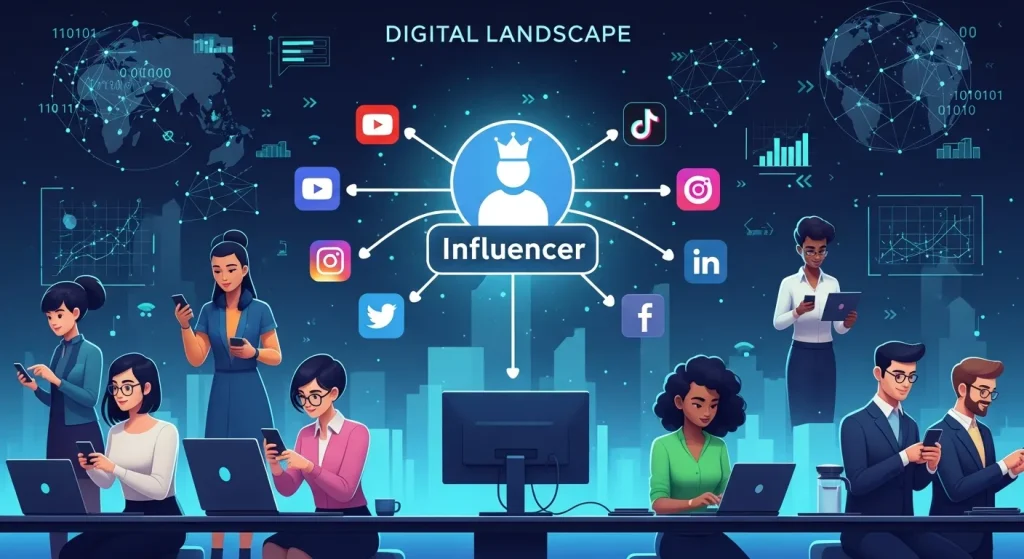
The rapid development of social media platforms, combined with changes in consumer behaviour, has resulted in brands relying more and more on influencers to help drive their message out. Traditionally, it is a new way of marketing where people get paid for promoting products on their social media accounts or in public spaces. But what exactly is influencer marketing, and why do you have to follow that route?
What Is Influencer Marketing?
At its heart, influencer marketing is a form of collaboration between businesses and people who have large online followings, often called influencers. They use the trust and engagement built up over time with their audiences to promote products or services from a brand. This results in word-of-mouth marketing on a large scale that feels authentic and genuine {3b}.
Influencer marketing is not like traditional advertising, where people do not mind being disturbed. The key lies in being genuine. When people see a sponsored post from an influencer whose work they admire, they do not feel it to be fake or disingenuous. Learn more about social media influencer marketing.
Examples include:
- A fashion influencer showcasing outfits from a clothing brand on Instagram.
- A tech enthusiast reviewing the latest gadgets on YouTube.
- A fitness coach sharing their favourite protein shakes on TikTok.
Why Influencer Marketing Works
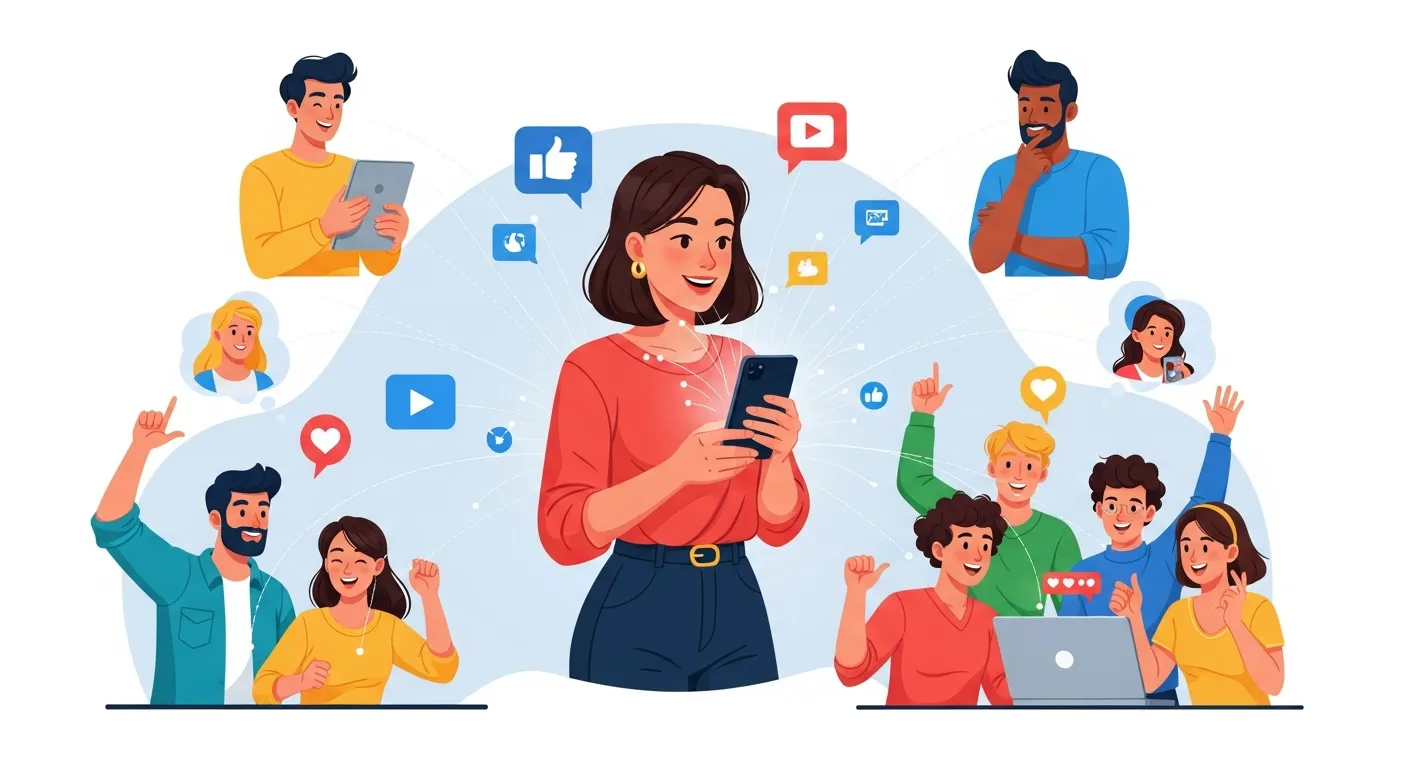
Several studies found on platforms like Google Scholar indicate why influencer marketing continues to grow in effectiveness. Key reasons include:
1. Trust and Credibility
Consumers are more likely to trust recommendations from individuals they admire than from traditional advertisements. Research studies in the Journal of Marketing suggest that influencer endorsements can significantly impact purchasing decisions due to their perceived authenticity.
2. Social Proof
Influencers often act as trendsetters within their niche. When their followers see a product being endorsed by someone they admire, it triggers a psychological effect known as social proof, motivating people to adopt similar behaviours.
3. Niche Targeting
Unlike blanket advertising approaches, influencer marketing allows brands to tap into highly specific audiences. For instance, a brand selling eco-friendly products can collaborate with sustainability-focused influencers for better-targeted reach.
4. Better Engagement
According to data published in the International Journal of Advertising, influencer marketing often yields higher engagement rates compared to traditional media. Because of its conversational and interactive nature, content by influencers generates more likes, comments, and shares.
How to Build an Influencer Marketing Strategy
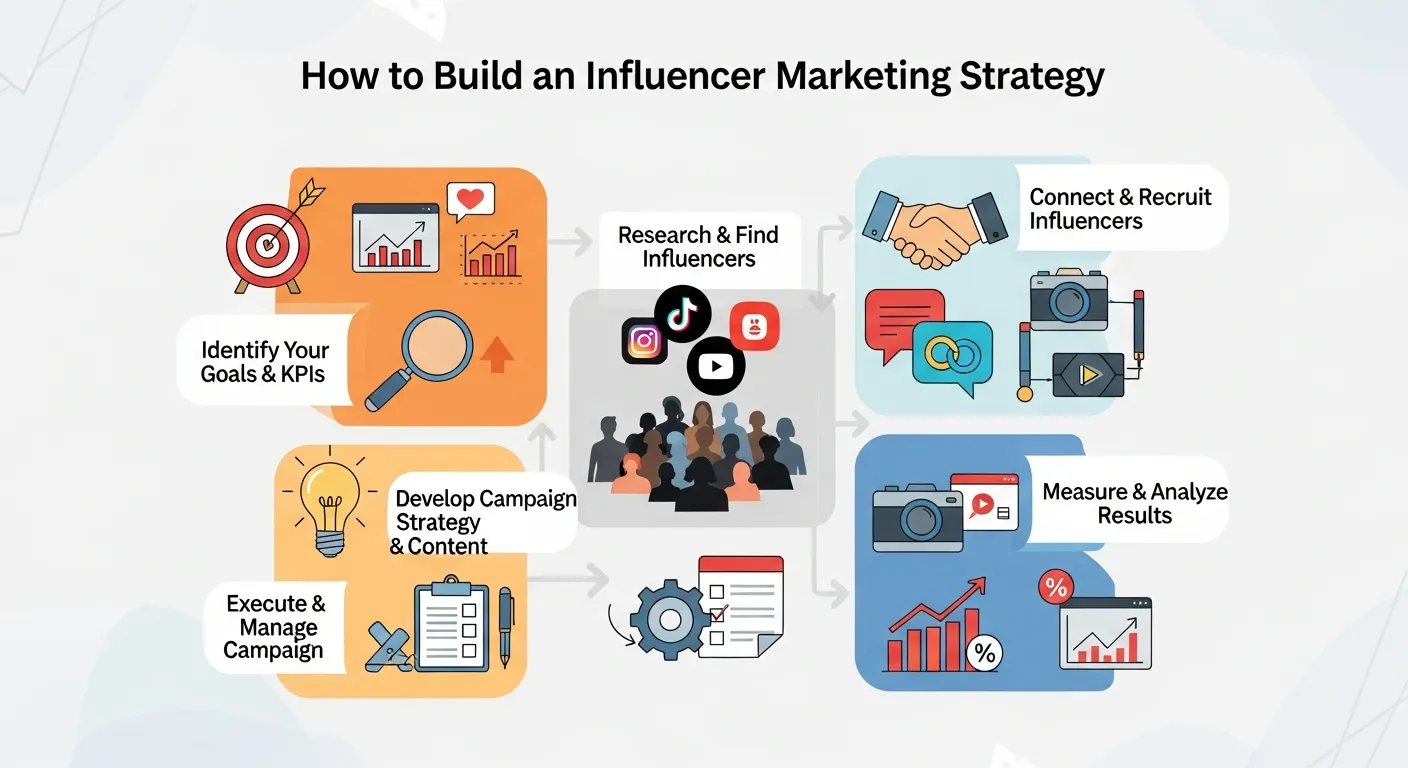
Understanding the concept is only half the battle. To reap the full benefits, it’s essential to craft a thoughtful influencer marketing strategy. Here are the key steps:
Step 1. Define Your Goals
Before reaching out to influencers, determine what you aim to achieve with your campaign. Is your priority brand awareness? Are you trying to drive website traffic, generate leads, or boost sales? Defining your goals will shape your strategy from the start.
Step 2. Identify the Right Influencers
Finding the perfect influencer is crucial. Consider these factors:
- Relevance: Does the influencer’s niche align with your product or service?
- Engagement Rate: A highly engaged audience is more valuable than sheer follower count.
- Authenticity: Does the influencer’s content feel genuine and relatable?
- Platforms: Where is the influencer most active? Choose influencers whose platforms align with your target audience.
Step 3. Collaborate Creatively
When working with influencers, give them creative freedom. Influencers know their audience best, and overly scripted collaborations can come across as inauthentic. Focus on building relationships where influencers feel empowered to represent your brand genuinely.
Step 4. Track ROI
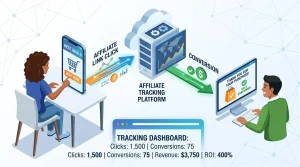
Use metrics such as impressions, click-through rates, conversions, and engagement to measure the success of your campaign. Trackable affiliate links, promo codes, and UTMs can help gather clear, actionable data.
Academic Insights on Influencer Marketing
Google Scholar is a goldmine for those who want to explore the theoretical and practical foundations of influencer marketing. Here are a few key research-backed insights:
- Parasocial Relationships:
Academic research highlights the concept of parasocial relationships, where audiences feel a personal connection with influencers even though the relationship is one-sided. This bond fosters a sense of trust and makes influencer recommendations powerful.
- Micro vs. Macro Influencers:
Studies (e.g., “The Impact of Influencer Type on Perceived Credibility”) suggest that micro-influencers often generate more trust and engagement than macro-influencers. While the latter has a larger audience, the former tends to offer more niche, authentic connections.
- The Role of Disclosure:
Transparency is essential in influencer marketing. Research indicates that audiences respond more positively to content that clearly discloses sponsorships. Brands that prioritize ethical practices in influencer collaborations often benefit from stronger consumer trust.
How Influencer Marketing Applies Across Industries
Every industry can leverage influencer marketing, but its approach may differ across sectors. Here’s how:
- Fashion and Beauty
Influencers in this space showcase products through tutorials, reviews, and styled outfits. For example, brands like Glossier and H&M have successfully grown through Instagram collaborations.
- Tech
Technology brands often partner with YouTubers or bloggers who specialize in gadget reviews. Launch campaigns centred around unboxings or product comparisons are especially effective.
- Health and Wellness
Fitness professionals and nutritionists introduce followers to new health supplements, workout gear, or healthy recipes.
- Travel and Hospitality
Travel influencers create visually stunning content, immersing their audience in new destinations and luxury stays.
Potential Challenges in Influencer Marketing
While influencer marketing offers significant potential, businesses can face hurdles along the way:
- Authenticity Concerns:
Oversaturation of brand deals can sometimes make influencer content feel forced. Ensure your collaborations are authentic and aligned with the influencer’s personal brand.
- ROI Measurement:
Calculating the exact ROI of influencer campaigns can be complex. Use advanced analytics tools to track campaign performance effectively.
- Fake Followers:
Some influencers may inflate their follower count using bots. Be thorough during your selection process by inspecting engagement rates and audience demographics.
Legal and Ethical Considerations
Transparency plays a vital role in influencer marketing. Regulatory bodies require clear disclosure of sponsored partnerships. Using tags such as #ad or #sponsored builds audience trust and ensures compliance. Ethical marketing practices prevent reputational damage and legal penalties. Brands should also prioritize honest product claims and responsible messaging. Maintaining transparency strengthens long-term consumer relationships and brand integrity.
Cross-Platform Strategy Integration
Successful influencer marketing often spans multiple platforms. A campaign might include Instagram posts, TikTok videos, YouTube reviews, and blog features. Cross-platform strategies amplify reach and reinforce messaging. Consistency across channels enhances brand recall. By integrating influencer content with email marketing and paid advertising, brands create cohesive customer journeys. Multi-channel integration maximizes campaign impact.
The Role of Data and AI in Influencer Marketing
Artificial intelligence enhances influencer discovery, audience analysis, fraud detection, and ROI prediction. AI tools identify authentic influencers and predict campaign performance using data insights. Automation streamlines campaign management and reporting. Data-driven strategies reduce risk and improve targeting precision. As technology advances, AI continues to shape influencer marketing efficiency and scalability.
Influencer Marketing in Emerging Markets
Emerging markets offer significant growth opportunities for influencer marketing. Rapid smartphone adoption and social media penetration create new digital communities. Local influencers play a crucial role in shaping purchasing decisions within these markets. Brands expanding globally can leverage regional creators to build credibility and cultural relevance. Understanding local trends and consumer behavior ensures successful market entry.
NFT Marketing and Influencers
NFT marketing relies heavily on influencer credibility and community engagement. In Web3 ecosystems, influencers educate audiences about blockchain projects, digital collectibles, and token utilities. Transparency and long-term utility are critical to avoid hype-driven failures. Platforms like Twitter (X), Discord, and YouTube dominate NFT promotions. Influencers host AMA sessions, explain whitepapers, and build trust within crypto communities. Brands entering NFT markets must prioritize authenticity, roadmap clarity, and compliance. Influencer partnerships in NFT campaigns require careful vetting to prevent reputational risks.
The Future of Influencer Marketing

Looking ahead, influencer marketing is expected to evolve with advancements in AI, VR, and AR. Imagine influencers providing immersive experiences or AI-driven systems identifying up-and-coming influencers before they go viral. The possibilities are endless, making it vital for marketers to stay updated.
Take Your Marketing Strategy to the Next Level
Influencer marketing isn’t just a trend; it’s reshaping the way brands connect with consumers. Its ability to combine authenticity with scale gives it an edge over traditional advertising. By leveraging influencers, businesses can tap into engaged communities and drive meaningful results. If you’re ready to explore the world of influencer marketing, start by identifying a platform that meets your needs. Remember, success lies in aligning with influencers whose values match yours.
Conclusion
Influencer marketing combines authenticity, trust, and targeted reach to deliver powerful results. By understanding strategy, psychology, and measurement, brands can maximize ROI. As AI and NFT trends emerge, influencer marketing continues evolving as a cornerstone of modern digital strategy.
FAQs About Influencer Marketing
1. What is influencer marketing?
Influencer marketing is a digital strategy where brands collaborate with social media creators, bloggers, or industry experts to promote products or services in an authentic and relatable way. Instead of traditional advertisements, influencers share recommendations through content that feels natural, engaging, and trustworthy to their audience.
2. Why does influencer marketing work?
Influencer marketing works because audiences tend to trust people they follow and admire more than traditional advertisements. Influencers build long-term relationships with their followers, creating credibility and emotional connections that make product recommendations feel genuine rather than purely promotional.
3. Is influencer marketing growing?
Yes, influencer marketing continues to expand globally as social media platforms evolve and consumer behavior shifts toward digital content consumption. Brands increasingly allocate larger budgets to influencer collaborations due to measurable engagement, strong ROI potential, and improved targeting capabilities.
4. What are micro-influencers?
Micro-influencers are creators with smaller but highly engaged audiences, typically ranging from 10,000 to 100,000 followers. They often focus on specific niches, such as fitness, tech, or sustainability, and tend to generate higher engagement rates and stronger trust within their communities.
5. Is influencer marketing suitable for small businesses?
Yes, influencer marketing is highly effective for small businesses, especially when partnering with micro or nano influencers. These collaborations are often more affordable while still delivering strong engagement, local reach, and authentic audience connections.
6. How do you choose the right influencer?
Brands should evaluate relevance to their niche, engagement rate, audience demographics, content quality, and authenticity. A well-aligned influencer partnership ensures messaging resonates naturally and reaches the intended target audience effectively.
7. How do brands measure ROI in influencer marketing?
Brands measure return on investment using metrics such as engagement rates, website traffic, conversions, sales, and click-through rates. Trackable links, affiliate codes, UTMs, and analytics dashboards help provide accurate performance insights.
8. What industries benefit most from influencer marketing?
Industries like fashion, beauty, technology, health, travel, gaming, finance, and NFTs benefit significantly. These sectors rely heavily on visual storytelling, community trust, and digital engagement to influence purchasing decisions.
9. What challenges exist in influencer marketing?
Common challenges include fake followers, inflated engagement metrics, difficulty measuring exact ROI, and maintaining authenticity. Brands must carefully vet influencers and use analytics tools to ensure campaign effectiveness and credibility.
10. Is disclosure required in influencer marketing?
Yes, transparency is legally required in many countries. Influencers must clearly disclose sponsored content using hashtags like #ad or #sponsored to maintain audience trust and comply with advertising regulations.
11. How does AI improve influencer marketing campaigns?
AI enhances campaigns by improving influencer discovery, audience targeting, fraud detection, performance forecasting, and ROI tracking. Advanced analytics tools help brands make data-driven decisions and optimize campaign strategies.
12. What is NFT influencer marketing?
NFT influencer marketing involves promoting blockchain-based digital assets, collectibles, or Web3 projects through trusted creators. Influencers help educate audiences, build community trust, and increase adoption within decentralized ecosystems.