How Much Does Influencer Marketing Cost? A Comprehensive Guide
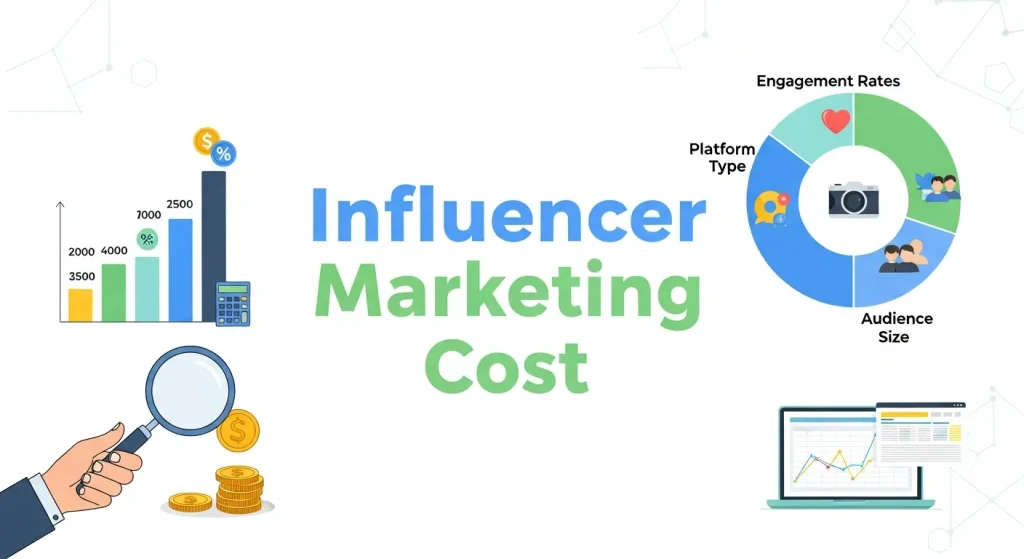
This comprehensive guide explores influencer marketing costs, factors affecting pricing, influencer tiers, platform-specific rates, and additional expenses. It provides actionable insights for brands to optimize ROI and includes FAQs for effective campaign planning.
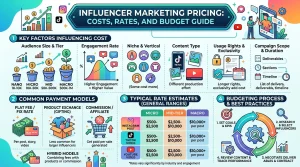
Influencer marketing has cemented its place as a cornerstone of modern advertising. Companies of all sizes, from local startups to global enterprises, are tapping into this strategy to build trust and expand their reach. By partnering with creators who share their products with dedicated followers, brands can achieve remarkable results. However, a crucial question arises for every marketer considering this path: What is the real cost of influencer marketing?
The answer isn’t a simple number. The price of an influencer marketing campaign is shaped by a complex interplay of factors, including the influencer’s follower count, the chosen social media platform, the specific industry, and the required deliverables. This variability can make budgeting seem daunting. This comprehensive guide will break down every element that affects influencer marketing pricing. We will explore how to navigate this dynamic landscape, allocate your budget effectively, and optimise your return on investment (ROI).
Why Influencer Marketing Costs Vary So Much
The flexibility of influencer marketing is both its greatest strength and its most significant complexity. You can launch a campaign on almost any budget, from a small product exchange to a multi-million dollar endorsement. This wide range exists because pricing is not standardised; it’s a fluid market driven by supply, demand, and perceived value. For unique industries such as NFT launches, you can even explore dedicated resources, like this influencer marketing NFT launch guide. Understanding these fluctuations is the first step toward building a successful and cost-effective influencer marketing strategy. For brands focusing on the power of small creators, a micro influencer marketing guide can help in refining the approach and budget. And when you’re considering working with professionals, referring to one of the best influencer marketing services in the UK is a good practice. Let’s delve into the core factors that cause these costs to vary so dramatically.
The Impact of Influencer Size and Reach
Perhaps the most direct factor influencing cost is the size of an influencer’s audience. The number of followers they have is often the primary metric used to determine their base rate. Larger audiences generally command higher fees because of their potential for widespread brand exposure.
- Follower Count as a Baseline: This is the initial sorting mechanism for most brands. An influencer with one million followers has a fundamentally different reach than one with five thousand. This scale directly translates to cost.
- Reach vs. Impressions: It’s important to distinguish between reach (the number of unique users who see the content) and impressions (the total number of times the content is displayed). While a large follower count suggests high reach, an influencer’s actual performance can vary. Experienced marketers look beyond just the follower number to understand the potential impact.
- The Law of Diminishing Returns: While mega-influencers offer massive reach, the cost per engagement can sometimes be higher than that of smaller creators. The most expensive option isn’t always the most effective for every campaign goal. This makes a deep understanding of influencer marketing essential for budget optimisation.
For a helpful primer on influencer marketing specific to NFT and Web3 industries, check out this influencer marketing NFT launch guide.
Platform-Specific Pricing Norms
Each social media platform has its own culture, content format, and audience demographics, which leads to different pricing standards for influencer marketing. The effort required to create content varies significantly from one platform to another, directly impacting the cost.
- Instagram: As the traditional home of influencer marketing, Instagram has a well-established pricing structure. Costs are determined by the type of content—a single feed post, a multi-frame Story, a Reel, or a live video—each carrying a different price tag based on production effort and visibility.
- YouTube: YouTube content is typically the most expensive. Creating a high-quality, long-form video involves significant pre-production (scripting, research), production (filming, audio), and post-production (editing, graphics). A 15-minute dedicated review requires far more work than a single photo, and the pricing reflects that.
- TikTok: Known for its short, viral video format, TikTok has a rapidly evolving influencer marketing landscape. While individual videos may be less expensive than a full YouTube production, successful campaigns often require multiple pieces of content to capture the platform’s fast-paced trend cycle.
- X (formerly Twitter): Influencer marketing on X often involves text-based posts, which are less labour-intensive to create. This generally results in lower costs per post compared to highly visual platforms.
- Blogs: Written blog posts offer long-term SEO value. The cost depends on the article’s length, the inclusion of original photography, and the authority of the blog within its niche.
The Role of Content Type and Deliverables
The specific deliverables you request from an influencer are a major cost driver. A campaign is rarely just a single post. A comprehensive influencer marketing agreement outlines all the content to be produced, and each item adds to the total cost.
- Content Complexity: A simple selfie with a product is at the low end of the cost spectrum. A professionally shot video with custom graphics, voiceovers, and detailed editing is at the high end. The more time and resources an influencer must invest, the higher the price.
- Number of Deliverables: A campaign might include a package deal, such as one Instagram post, three Stories, and one Reel. The total cost will be an aggregate of the individual rates for each content piece, sometimes with a package discount.
- Usage and Exclusivity Rights: If you plan to repurpose the influencer’s content for your own advertising (e.g., running it as a paid ad or using it on your website), you will need to pay for usage rights. These fees can be a significant addition to the base cost. Similarly, if you require the influencer not to work with competitors for a certain period, this exclusivity will come at a premium.
Engagement Rates as a Value Multiplier
An influencer’s follower count only tells part of the story. Engagement rate—the percentage of their audience that actively likes, comments on, shares, and saves their content—is a far more accurate indicator of influence. Influencers with highly engaged audiences deliver more value, and they can charge accordingly. A creator with a passionate and active community is a key asset for any influencer marketing effort.
High engagement signals that the influencer has built a strong, authentic connection with their followers. This trust means their recommendations carry more weight, leading to better campaign results. Marketers often use a formula (Total Engagements / Follower Count x 100) to calculate the engagement rate and assess an influencer’s true value beyond their audience size. For this reason, a micro-influencer with a 10% engagement rate might be more valuable—and potentially more expensive on a cost-per-engagement basis—than a mega-influencer with a 1% rate. This focus on engagement is a core tenet of modern influencer marketing.
Industry and Niche Competitiveness
Finally, the influencer’s industry or niche plays a critical role in determining cost. Basic supply and demand principles apply to influencer marketing. In highly competitive and lucrative niches, the demand for skilled influencers is high, driving up prices.
- High-Demand Niches: Industries like beauty, fashion, fitness, finance, and gaming are saturated with brands competing for consumer attention. Top influencers in these spaces can command premium fees because they have a proven ability to drive sales and trends.
- Specialised and Technical Niches: Niches that require deep expertise, such as B2B technology, sustainable engineering, or scientific communication, may have a smaller pool of credible influencers. This scarcity can also lead to higher costs, as these creators offer access to a highly targeted and valuable audience. For instance, launching a new product in the Web3 space requires a specific approach; a guide on NFT influencer marketing highlights how specialized this field can be.
- Seasonal Demand: Prices can also fluctuate based on seasonality. For example, demand for fitness influencers peaks in January, while toy influencers are in high demand during the holiday shopping season. Planning your influencer marketing campaigns around these peaks can help manage costs.
Decoding Influencer Tiers and Their Costs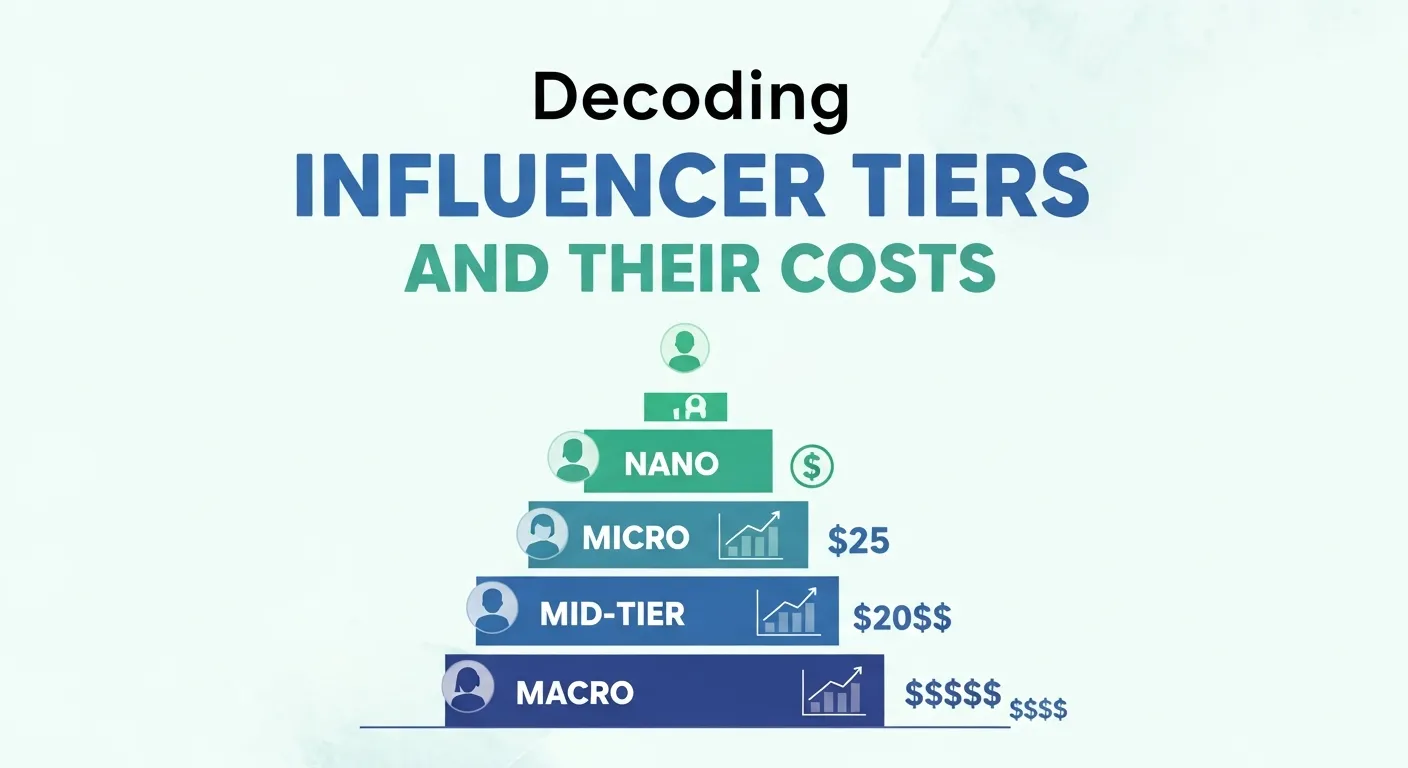
Understanding the different categories of influencers is fundamental to building a budget-aligned strategy. Each tier offers distinct advantages and suits different campaign objectives. The world of influencer marketing isn’t just about celebrities; it’s a rich ecosystem of creators with varying levels of reach and community connection. Let’s break down the main influencer tiers, their typical cost ranges, and why you might choose to work with each one.
1. Nano-Influencers (1K–10K Followers)
Nano-influencers are the most relatable and authentic creators in the influencer marketing sphere. Their audiences are often composed of friends, family, and individuals with a shared, specific interest. This creates a close-knit community where trust is exceptionally high.
Why Choose Nano-Influencers?
They are perfect for brands looking to generate genuine buzz and foster authentic engagement at a very low cost. Their recommendations are often perceived as personal advice rather than paid advertising. This tier is a powerful starting point for any business new to influencer marketing.
- Hyper-Niche Audiences: Nano-influencers often cater to very specific subcultures, from vegan rock climbers to 18th-century historical costumers. This allows brands to reach a highly targeted demographic that is difficult to access through traditional advertising.
- Unmatched Authenticity: Because they are not professional “influencers” in the traditional sense, their content feels more organic and trustworthy. This authenticity leads to higher engagement rates relative to their audience size.
- Cost-Effectiveness: Many nano-influencers are open to collaborations in exchange for free products or services, making them an excellent choice for startups and small businesses with limited budgets. This approach is central to effective influencer marketing for smaller brands.
Typical Cost Range:
|
Platform |
Content Type |
Estimated Cost |
|---|---|---|
|
|
Post / Reel |
$10 – $100 |
|
TikTok |
Video |
$25 – $150 |
|
YouTube |
Short-form video / Mention |
$50 – $400 |
|
Blog |
Mention / Link |
$20 – $100 |
If you’re focused on leveraging small creators for your business, you’ll find actionable insights in this micro influencer marketing guide.
2. Micro-Influencers (10K–50K Followers)
Micro-influencers represent the sweet spot for many brands, offering a perfect balance of reach and engagement. They have cultivated a dedicated following around a specific passion or area of expertise and are seen as credible sources of information within their niche. The power of this tier is explored in-depth in a comprehensive micro-influencer marketing guide, which details how to leverage these creators for maximum impact.
Why Choose Micro-Influencers?
Brands seeking strong ROI often turn to micro-influencers. They deliver greater reach than nano-influencers while still maintaining a high level of authenticity and community trust. Their audiences are large enough to make an impact but small enough to remain highly engaged. This makes them a cornerstone of many successful influencer marketing strategies.
- High Engagement Rates: Micro-influencers often boast some of the highest engagement rates across all tiers. Their followers are genuinely interested in their content and actively participate in conversations.
- Niche Authority: They are considered experts in their specific fields, whether it’s sustainable fashion, home cooking, or personal finance. This authority makes their endorsements particularly powerful and persuasive.
- Affordable Reach: While they charge more than nano-influencers, their rates are significantly lower than those of macro- or mega-influencers, offering excellent value for the reach and engagement they deliver. A well-planned influencer marketing campaign with micro-influencers can generate impressive results.
Typical Cost Range:
|
Platform |
Content Type |
Estimated Cost |
|---|---|---|
|
|
Post / Reel |
$100 – $750 |
|
TikTok |
Video |
$200 – $1,200 |
|
YouTube |
Integrated Mention |
$500 – $2,500 |
|
Blog |
Sponsored Post |
$250 – $1,000 |
3. Macro-Influencers (50K–500K Followers)
Macro-influencers are established digital creators who have often turned content creation into a full-time profession. They possess a large, broad audience and are skilled at producing high-quality, polished content. They act as a bridge between the niche appeal of micro-influencers and the mass-market reach of celebrities.
Why Choose Macro-Influencers?
These influencers are ideal for brands looking to amplify their message to a wider demographic and generate significant brand awareness. They have the power to kickstart trends and drive substantial traffic. Working with them signals a certain level of brand maturity and investment in influencer marketing.
- Significant Reach: Macro-influencers can expose a brand to hundreds of thousands of potential customers with a single post, making them effective for top-of-funnel awareness campaigns.
- Professionalism and Quality: As experienced creators, they understand brand partnerships and deliver professional, high-quality content that aligns with campaign briefs. They often have teams or agents, which can streamline the collaboration process.
- Diverse Audience: While they may have a core niche, their audience is typically more diverse than that of smaller influencers, offering brands a chance to reach new market segments.
Brands interested in outsourcing their campaigns can explore the best influencer marketing services in the UK for trusted agency support.
Typical Cost Range:
|
Platform |
Content Type |
Estimated Cost |
|---|---|---|
|
|
Post / Reel |
$5,000 – $15,000 |
|
TikTok |
Video |
$8,000 – $20,000 |
|
YouTube |
Dedicated Video (10+ min) |
$15,000 – $40,000 |
|
Blog |
Full Feature |
$5,000 – $12,000 |
4. Mega- and Celebrity Influencers (500K+ Followers)
This top tier comprises social media stars and traditional celebrities, such as actors, musicians, and athletes. They offer unparalleled reach and the ability to catapult a brand into the mainstream consciousness overnight. Collaborations with these individuals are complex, expensive, and usually managed by talent agencies.
Why Choose Mega-Influencers?
Mega-influencers are best suited for large, established brands with substantial marketing budgets aiming for mass awareness and brand prestige. A partnership with a celebrity can generate massive PR value and lend instant credibility to a product. This level of influencer marketing is about making a large-scale impact.
- Maximum Exposure: Their posts can reach millions of people instantly, making them the most powerful option for large-scale awareness campaigns.
- Mainstream Credibility: An endorsement from a household name can significantly boost a brand’s public image and trustworthiness.
- High-Impact Campaigns: These collaborations are often part of broader marketing initiatives that include traditional media, PR, and events. This integrated approach maximises the power of the influencer marketing investment.
Typical Cost Range:
|
Platform |
Content Type |
Estimated Cost |
|---|---|---|
|
|
Post / Reel |
$20,000 – $250,000+ |
|
TikTok |
Video Campaign |
$30,000 – $500,000+ |
|
YouTube |
Dedicated Video / Brand Ambassadorship |
$50,000 – $1,000,000+ |
|
X (Twitter) |
Single Tweet |
$10,000 – $100,000+ |
Additional Costs to Factor Into Your Budget
A comprehensive influencer marketing budget extends beyond just paying the influencer. Several other expenses can arise during a campaign, and failing to account for them can lead to unexpected costs. A successful influencer marketing strategy requires careful financial planning that considers every potential outlay, from agency fees to content amplification. Let’s examine the additional costs you need to anticipate.
Agency and Platform Fees
Many brands choose not to manage their influencer marketing campaigns in-house. Instead, they partner with specialized agencies or use influencer marketing platforms to streamline the process. While these services add to the cost, they can provide significant value in terms of expertise, time savings, and campaign effectiveness. To find the right partner, it is often wise to research the best influencer marketing services available that align with your brand’s goals and location.
- Influencer Marketing Agency Fees: Full-service agencies handle everything from strategy and influencer discovery to campaign execution and reporting. They typically charge in one of two ways:
-
- Percentage of Spend: The most common model, where the agency takes a commission of 10% to 30% of the total influencer spend. For a $50,000 campaign, this would mean an additional $5,000 to $15,000 in agency fees.
- Monthly Retainer: For ongoing influencer marketing programs, brands might pay a fixed monthly fee for continuous management and campaign execution. Retainers can range from a few thousand to tens of thousands of dollars per month.
- Influencer Marketing Platform Subscriptions: Platforms like Grin, Upfluence, or CreatorIQ provide software tools for influencer discovery, outreach, and analytics. These are typically SaaS (Software-as-a-Service) models with monthly or annual subscription fees. Costs can range from a few hundred dollars per month for basic access to several thousand for enterprise-level features. This investment can be crucial for scaling your influencer marketing efforts.
- Talent Management Agency Fees: When working with macro- or mega-influencers, you will likely be negotiating with their talent agent or manager. These agencies also take a cut, which is usually built into the influencer’s quoted rate.
Content Production and Boosting
The costs associated with the content itself can sometimes be separate from the influencer’s fee. It is crucial to clarify these details in the contract before the campaign begins.
- Product Seeding Costs: The most basic form of influencer marketing involves sending free products to creators. While you may not be paying a fee, the cost of the products themselves, plus shipping and handling, should be budgeted. For high-value items, this can be a substantial expense.
- Travel and Accommodation: If your campaign requires an influencer to travel to a specific location for a photoshoot, event, or experience, you will be expected to cover all associated costs, including flights, hotels, and meals.
- Boosting and Content Amplification: To maximize the reach of your influencer marketing content, you can promote it as a paid ad. This involves allocating an additional budget for social media advertising. This allows you to target a specific audience beyond the influencer’s organic followers, ensuring your investment reaches the most relevant consumers. This is a common tactic to improve the ROI of any influencer marketing campaign.
Legal, Contractual, and Administrative Costs
Properly managing an influencer marketing campaign involves legal and administrative oversight to protect your brand. These costs are essential for mitigating risk and ensuring a smooth partnership.
- Contract Development: It is highly recommended to have a legally binding contract for every influencer collaboration, regardless of size. This document should outline deliverables, timelines, payment terms, content usage rights, and FTC disclosure guidelines. If you don’t have an in-house legal team, you may need to hire a lawyer to draft or review these contracts, which can cost several hundred to a few thousand dollars.
- Usage Rights: The standard influencer fee typically covers the right for the content to be posted on their channels. If you want to use the influencer’s photos or videos on your own website, in email newsletters, or as part of a digital ad campaign, you will need to purchase additional usage rights. These rights can be licensed for a specific period (e.g., six months) or as a full buyout, with costs varying accordingly.
- Tracking and Reporting Software: While some influencer marketing platforms include analytics, you might invest in separate tools to track campaign performance, measure ROI, and monitor conversions. Software for creating custom tracking links and analysing sales data comes with its own subscription fees. Effective tracking is a vital component of successful influencer marketing.
By anticipating these additional expenses, you can create a more realistic and comprehensive influencer marketing budget. This foresight prevents budget overruns and ensures that your campaign is well-supported from start to finish, setting the stage for a successful partnership and measurable results. This holistic approach to budgeting is a hallmark of mature influencer marketing programs.
Frequently Asked Questions (FAQ)
1. What is the most cost-effective way to start with influencer marketing?
The most cost-effective approach is to start with nano- and micro-influencers. You can often collaborate with them in exchange for free products or services, known as a “gifting” or “barter” campaign. This minimises upfront cash investment while building authentic brand advocacy. For deeper insights and best practices, see this guide on influencer marketing benefits and strategies.
2. How do I measure the ROI of my influencer marketing campaign?
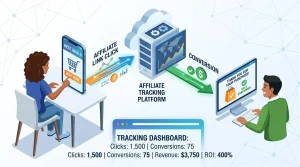
You can measure ROI by tracking key metrics tied to your campaign goals. This includes tracking conversions using unique discount codes or affiliate links, monitoring brand mentions and engagement rate increases, and analysing referral traffic from influencer posts to your website. For more guidance, you can check out tools for influencer outreach and collaboration at this helpful resource.
3. Should I use an agency or manage campaigns in-house?
This depends on your resources and expertise. Managing in-house gives you more control and saves on agency fees, but it is time-consuming. An agency brings expertise, industry connections, and efficiency, which can lead to better results, especially for larger or more complex influencer marketing campaigns.
4. How long should an influencer marketing campaign run?
Campaign duration varies based on your goals. A product launch campaign might be a short, intense burst over one to two weeks. An “always-on” brand awareness strategy could involve continuous partnerships with a rotating cast of influencers throughout the year.
5. What are usage rights, and why are they important?
Usage rights are the legal permissions you purchase to use an influencer’s content on your own brand channels, such as your website, social media ads, or email marketing. They are crucial because without them, you are legally restricted to the influencer’s organic post and cannot repurpose the content.
6. How do I find the right influencers for my brand?
Finding the right influencers involves more than just looking at follower counts. You need to ensure their audience demographics match your target customer and that their brand values align with yours. There are numerous influencer outreach tools available to help you filter creators by niche, engagement rate, and audience data.
7. What’s the difference between a paid post and a gifted collaboration?
A paid post involves a monetary payment to the influencer in exchange for specific deliverables. A gifted collaboration, common with smaller influencers, involves sending free products in exchange for a post. Both are considered sponsored content and require proper disclosure.
8. How is AI changing influencer marketing?
AI is revolutionising how brands execute influencer marketing. AI-powered platforms are making it easier to identify the perfect influencers, predict campaign performance, and detect fraudulent followers or engagement. This technology is bringing a new level of data-driven precision to influencer marketing—more on this can be found in this quick overview: how AI is transforming influencer marketing.
9. What are the key benefits of influencer marketing?
The primary benefits include building authentic brand trust, reaching highly targeted niche audiences, and driving tangible business results like traffic and sales. When done correctly, influencer marketing fosters a genuine connection with consumers that traditional advertising cannot replicate. Learning about influencer marketing benefits and best practices can set your campaigns up for success.
10. How much of my marketing budget should I allocate to influencer marketing?
There is no magic number, but many direct-to-consumer brands allocate between 10% and 30% of their total marketing budget to influencer marketing. Start with a smaller test budget to measure results, and then scale your investment based on the ROI you achieve.