How to Use Influencer Marketing for Your Product Launch
Discover how influencer marketing can revolutionize your product launch. This guide covers strategies, collaboration tips, and success metrics to ensure impactful campaigns. Leverage influencers’ trust and reach to connect with your audience and drive meaningful results.
Launching a new product is an exhilarating journey, yet it stands as one of the most challenging tasks a business can face. The modern marketplace is crowded, noisy, and relentlessly competitive. With traditional advertising channels saturated and consumer skepticism at an all-time high, how can you ensure your new offering doesn’t just launch, but truly lifts off? The answer lies in Influencer Marketing for Product Launch strategies.
By leveraging the established trust, authenticity, and reach of content creators, businesses can cut through the noise. This guide will walk you through everything you need to know to execute a flawless Influencer Marketing for Product Launch, ensuring you connect with your target audience and drive significant results.
Why Influencer Marketing for Product Launch is Essential
In the past, a product launch meant heavy spending on TV commercials, billboards, and print ads. Today, the landscape has shifted. Consumers turn to their phones, scrolling through feeds curated by personalities they trust. This shift has made Influencer Marketing for Product Launch not just an option, but a necessity for modern brands.
The Power of Trust and Credibility
Influencers hold unparalleled sway over their followers because they have spent years building loyal communities fueled by trust and shared interests. When you incorporate Influencer Marketing for Product Launch tactics, you are essentially borrowing that social capital. A recommendation from a trusted creator feels less like an advertisement and more like a tip from a knowledgeable friend. This transfer of credibility is the cornerstone of why Influencer Marketing for Product Launch campaigns often outperform traditional media.
Precision Targeting and Reach
One of the greatest advantages of Influencer Marketing for Product Launch is the ability to target niche demographics with surgical precision. Traditional ads often cast a wide net, hoping to catch a few interested buyers. In contrast, influencers have already curated the audience for you. Whether you are selling eco-friendly cookware or high-tech gaming gear, there is an influencer whose followers match your ideal customer profile perfectly. This targeted reach ensures that every dollar spent on your Influencer Marketing for Product Launch delivers maximum impact.
Authenticity in Advertising
Consumers are savvy; they can spot a scripted corporate message from a mile away. Influencer Marketing for Product Launch succeeds because it relies on authenticity. Unlike overt ads that scream “buy me,” influencer promotions often feel natural and genuine. They show the product in action, solving real problems in real environments. This authenticity is crucial for convincing potential customers that your new product is worth their time and money.
Visual Storytelling that Breathes Life into Products
A static image on a website can only convey so much. Influencers thrive on creating high-quality, engaging visual content—be it video tutorials, unboxing experiences, or lifestyle photography. This visual storytelling breathes life into your product, allowing customers to envision it in their own lives. A strong Influencer Marketing for Product Launch leverages this creativity to showcase features and benefits in ways that standard marketing collateral simply cannot.
Read more on creating a proper product marketing plan here.
Step 1: Laying the Foundation for Your Influencer Marketing for Product Launch
Before you send a single DM or email, you must build a solid foundation. A successful Influencer Marketing for Product Launch requires strategic planning and a deep understanding of your goals.
Defining Your Launch Objectives
What specifically do you want to achieve with your Influencer Marketing for Product Launch? Are you looking to generate immediate sales, build brand awareness, or gather user-generated content for future ads? Your goals will dictate the type of influencers you partner with and the content strategies you employ.
- Brand Awareness: Focus on high-reach influencers to get eyes on your product.
- Conversions: Focus on niche experts with high engagement and trust who can drive clicks.
- Content Creation: Focus on creators with high production value to build a library of assets.
Without clear goals, your Influencer Marketing for Product Launch will lack direction and measurability.
Understanding the Influencer Hierarchy
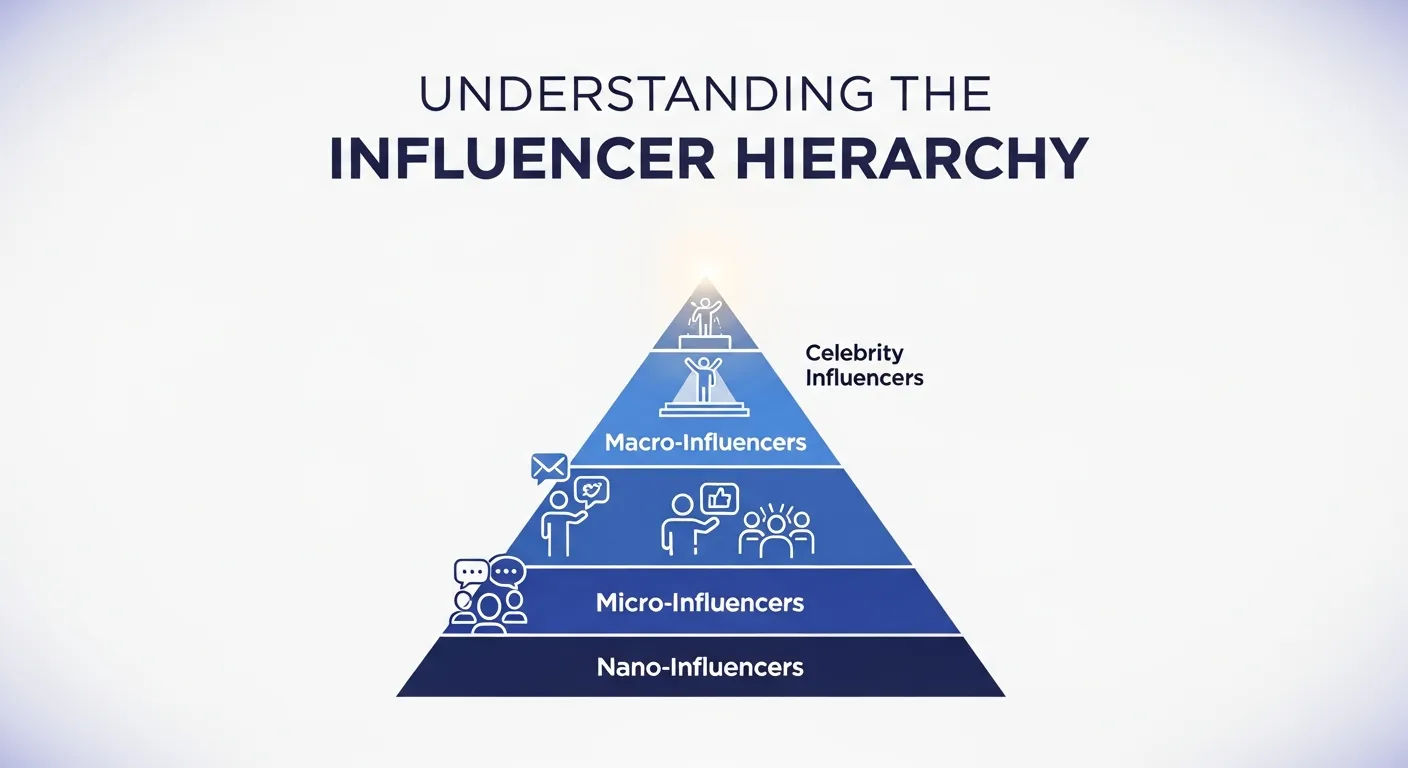
Not all influencers are created equal. To maximize your Influencer Marketing for Product Launch, you need to choose the right tier of creator.
1. Mega Influencers (1M+ Followers)
These are celebrities and household names. Their reach is enormous, but their engagement rates can be lower, and the cost is significantly high. They are best for massive brand awareness campaigns where broad visibility is the goal of the Influencer Marketing for Product Launch.
2. Macro Influencers (100K–1M Followers)
These are established internet personalities, vloggers, or industry experts. They offer a balance of high reach and professional content creation. For a mid-sized Influencer Marketing for Product Launch, they often provide excellent ROI.
3. Micro Influencers (10K–100K Followers)
These creators have smaller followings but highly engaged and niche-focused communities. They are often viewed as experts in specific fields. Influencer Marketing for Product Launch, utilizing a network of micro-influencers can generate incredible trust and conversion rates.
4. Nano Influencers (1K–10K Followers)
While their reach is small, their connection to their audience is often personal. They are very cost-effective and can be powerful for hyper-local campaigns or very specific niches within your Influencer Marketing for Product Launch.
The Selection Matrix: Identifying the Right Partners
Selecting the wrong partner can result in a mismatch and wasted resources. Here is a table to help you evaluate potential partners for your Influencer Marketing for Product Launch:
|
Criteria |
What to Look For |
Why it Matters for Influencer Marketing for Product Launch |
|---|---|---|
|
Audience Demographics |
Age, location, gender, and interests match your buyer persona. |
Ensures your product is seen by people who actually want to buy it. |
|
Engagement Rate |
Consistent likes, comments, and shares relative to follower count. |
High engagement indicates an active audience that listens to recommendations. |
|
Content Quality |
Professional lighting, clear audio, and aesthetic alignment. |
Poor quality content reflects poorly on your brand image during launch. |
|
Brand Safety |
No history of controversy or offensive content. |
Protects your brand reputation during the critical launch phase. |
|
Past Performance |
Success with previous sponsored content. |
Predicts how well they will perform for your specific campaign. |
Vetting for Authenticity
In the world of Influencer Marketing for Product Launch, authenticity is currency. You must look beyond vanity metrics like follower count. Evaluate their comment sections—are they real people asking questions, or bots leaving emojis? Does the influencer reply? A genuine connection is vital for a successful Influencer Marketing for product launch.
Learn how AI is changing the future of product marketing here.
Step 2: Creating a Winning Collaboration Strategy
Once you have identified the right partners, the next step in your Influencer Marketing for Product Launch is to plan a partnership that benefits both parties. A transactional relationship rarely yields the best results; you need a collaboration.
Crafting the Perfect Pitch
Your initial outreach sets the tone. Influencers receive dozens of pitches daily. To make your Influencer Marketing for Product Launch stand out, your pitch must be personalized. Highlight why you believe they specifically align with your brand. Mention a recent post of theirs you enjoyed. Outline the benefits of collaborating clearly, whether it’s monetary compensation, free product, or affiliate commissions.
Outlining Clear Deliverables
Collaborations thrive on clarity. Ambiguity leads to disappointment. When structuring your Influencer Marketing for Product Launch agreement, discuss key details:
- Platform: Instagram, TikTok, YouTube, Blog, etc.
- Format: Stories, Reels, Static Posts, Long-form video.
- Key Messages: What must be said? (e.g., specific features, launch date).
- Deadlines: When must the content go live? (Crucial for launch timing).
- Usage Rights: Can you repost their content on your ads or website?
Defining these parameters early ensures your Influencer Marketing for Product Launch runs smoothly.
Prioritizing Storytelling Over Selling
This is where many brands fail. They hand the influencer a script filled with marketing jargon. Do not do this. Instead, for a successful Influencer Marketing for Product Launch, focus on showcasing the product’s utility in real life. Let the influencer weave the product into their daily routine.
If you are launching a new blender, don’t ask for a video of them reading the specs. Ask them to film their morning smoothie routine using your blender. Influencers excel at this type of integration, and it resonates far better with audiences than a hard sell. This organic approach is the secret sauce of effective Influencer Marketing for Product Launch.
Co-Creating Content
Give influencers the freedom to interpret your product message in their unique style. They know what their audience likes better than you do. When you allow creative freedom in your Influencer Marketing for Product Launch, the content feels more authentic and relatable. Provide a brief, but let them write the caption and choose the filming angle.
Check out this guide on building a product marketing strategy for a new market entry.
Step 3: Executing the Influencer Marketing for Product Launch Campaign
Timing is everything during a product launch. You need to build a crescendo of excitement. Here is how to structure the execution of your Influencer Marketing for Product Launch.
Phase 1: The Tease (2-4 Weeks Before Launch)
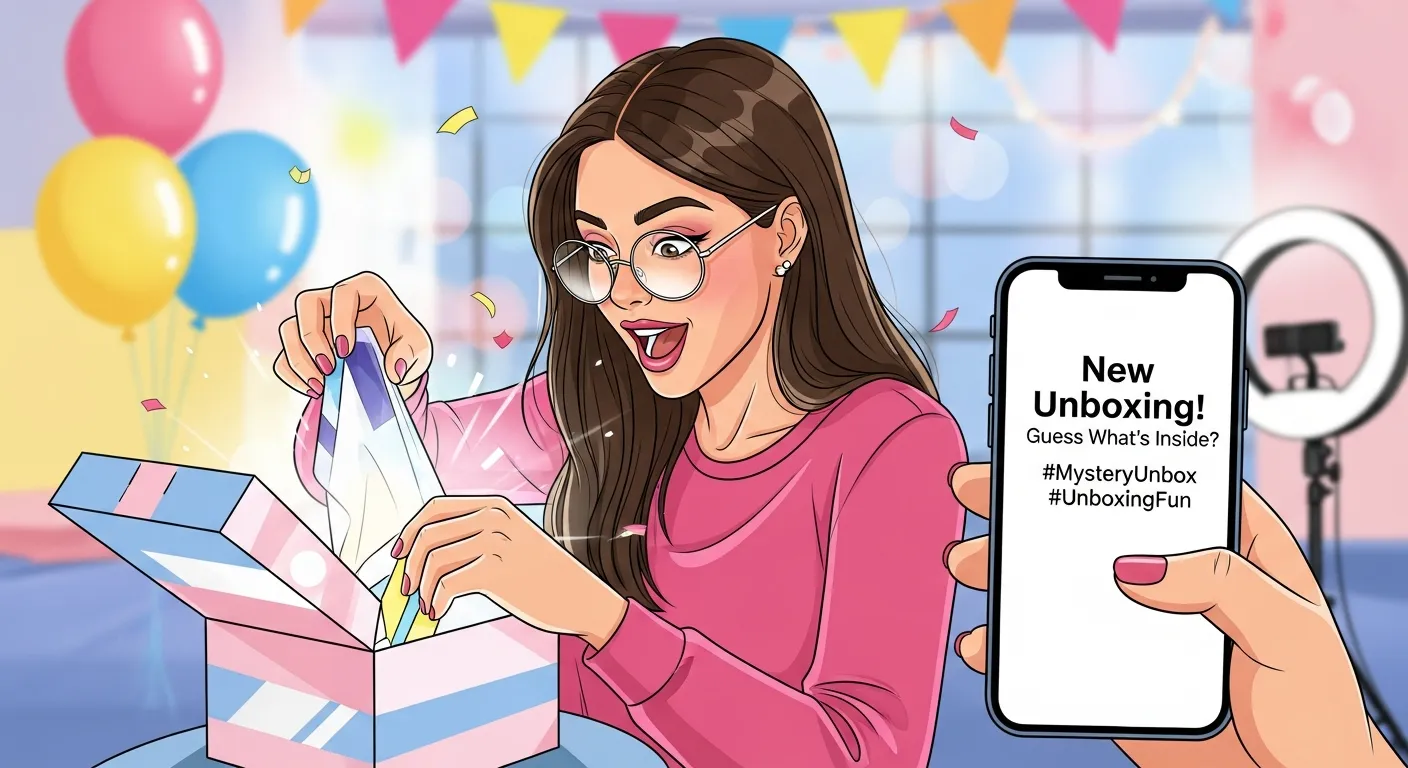
The goal here is to generate buzz without revealing everything. Use Influencer Marketing for Product Launch tactics to seed curiosity.
- Mystery Boxes: Send influencers a locked box or a package marked “Do Not Open Until [Date].” Have them post about receiving it.
- Sneak Peeks: Allow influencers to share extreme close-ups or blurred images of the product.
- Behind the Scenes: If appropriate, let an influencer visit your HQ or factory to show the “making of” process.
This pre-launch phase of your Influencer Marketing for Product Launch primes the audience. They know something is coming, and they are watching to see what it is.
Phase 2: The Launch Day Blitz (Launch Day)
This is the main event. Your goal is maximum noise and visibility. Coordinate your Influencer Marketing for Product Launch so that all influencers post within a tight timeframe (e.g., a 24-hour window). This creates a “surround sound” effect where the target audience sees your product everywhere they look.
- Unboxing Videos: The classic reveal. Influencers show the packaging and their first reaction.
- “It’s Finally Here” Posts: High-energy announcements directing traffic to your site.
- Live Streams: Influencers go live to answer questions about the product in real-time.
A coordinated Influencer Marketing for Product Launch on day one can crash servers (in a good way) and drive immediate sales spikes.
Phase 3: The Sustain Phase (1-4 Weeks Post-Launch)
The launch isn’t over when the day ends. You need to sustain momentum. Your Influencer Marketing for Product Launch should transition into social proof and education.
- Tutorials and How-Tos: Deep dives into how to use the product effectively.
- Reviews and Testimonials: Influencers share their honest thoughts after using the product for a week.
- User-Generated Content Challenges: Influencers encourage their followers to buy the product and post their own content.
Leveraging Exclusive Offers
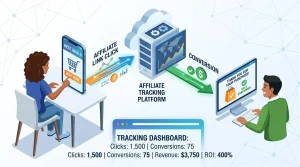
To drive conversions during your Influencer Marketing for Product Launch, give influencers personalized promo codes (e.g., SARAH20). Not only does this incentivize their followers to buy, but it also helps you track exactly which influencer is driving the most sales. This data is invaluable for optimizing your Influencer Marketing for Product Launch.
Hosting Giveaways
Giveaways are a fantastic way to rapidly increase followers and engagement. Encourage followers to engage by hosting a giveaway in collaboration with the influencer. A typical mechanic for an Influencer Marketing for Product Launch giveaway is: “Follow [Brand] and [Influencer], like this post, and tag 3 friends who need this product!” This virality can exponentially increase your reach.
Step 4: Measuring the Success of Your Influencer Marketing for Product Launch
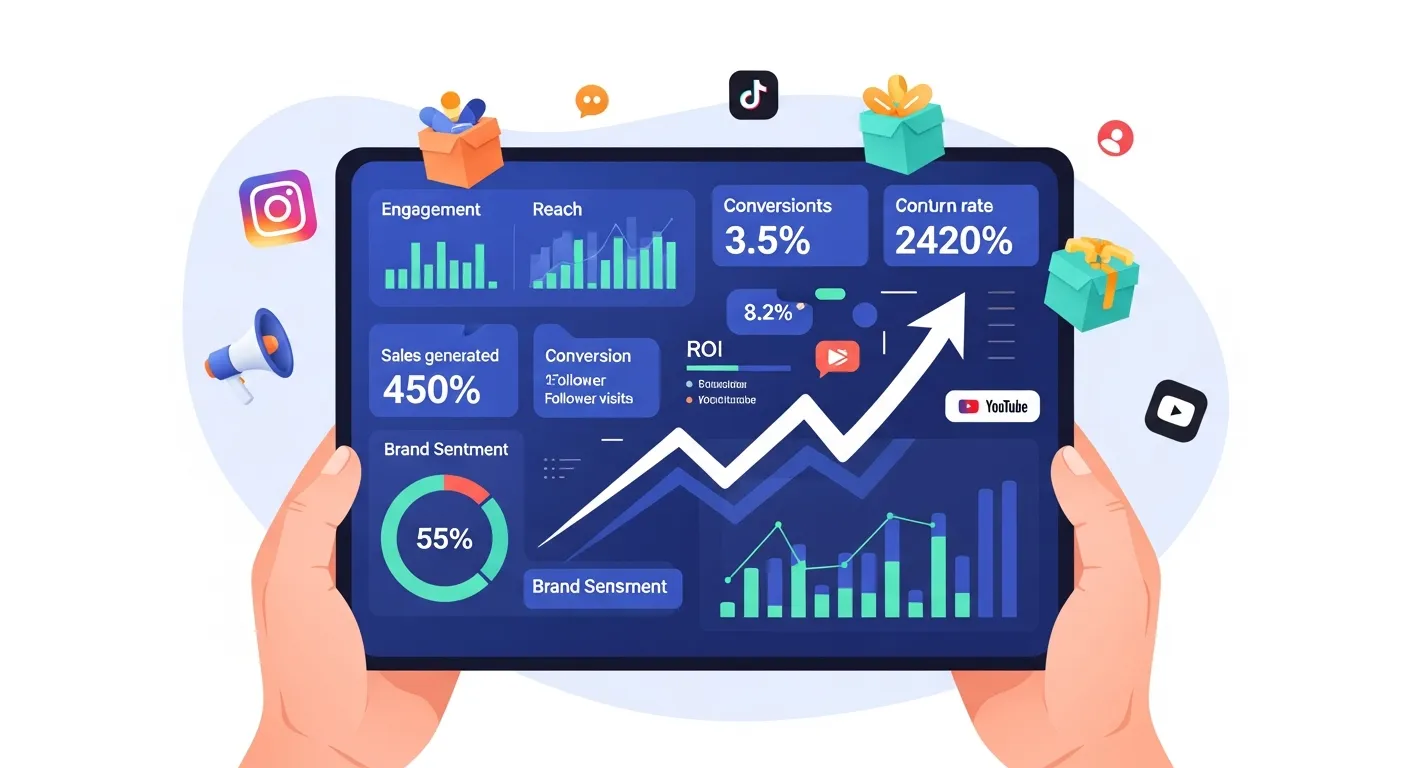
You cannot improve what you do not measure. To understand what worked and refine future strategies, you must track the performance of your Influencer Marketing for Product Launch efforts rigorously.
Key Performance Indicators (KPIs)
- Reach and Impressions: The total number of unique viewers who saw the content. This measures brand awareness.
- Engagement Rates: Likes, comments, shares, and saves. This measures how compelling the content was.
- Click-Through Rate (CTR): How many people swiped up or clicked the link in bio. This measures interest.
- Conversions: The holy grail. How many followers actually purchased using promo codes or affiliate links.
- Cost Per Acquisition (CPA): How much did you spend on the influencer vs. how many customers they brought in?
Analyzing Audience Sentiment
Beyond the numbers, look at the words. Read the comments on the influencer posts. Is the sentiment positive? Are people excited? Or are they complaining about the price or shipping? Audience sentiment analysis during your Influencer Marketing for Product Launch provides real-time market feedback that is often more valuable than a focus group.
The Long-Tail Effect
Remember that Influencer Marketing for Product Launch content often lives on forever (unless it’s a Story). YouTube videos and blog posts can continue to drive SEO traffic and sales for months or even years after the launch. Factor this long-tail value into your ROI calculations for your Influencer Marketing for Product Launch.
Advanced Tactics for Influencer Marketing for Product Launch
For brands looking to go beyond the basics, here are some advanced strategies to supercharge your Influencer Marketing for Product Launch.
Whitelisting (Creator Licensing)
Whitelisting involves getting permission to run ads through the influencer’s social media account, rather than your brand account. You put paid media budget behind their organic post. Because the ad comes from a person, not a brand, it often sees significantly higher click-through rates. Adding whitelisting to your Influencer Marketing for Product Launch combines the trust of influencers with the targeting power of paid social.
Influencer Events
Instead of just mailing products, host a launch party or an experiential event and invite influencers. Create “Instagrammable” moments throughout the venue. The flurry of content generated from a single event can dominate social media feeds for days, creating a massive spike in your Influencer Marketing for Product Launch visibility.
Affiliate Programs
Turn influencers into long-term partners by moving them to an affiliate model post-launch. This ensures they have a vested interest in continuing to promote your product long after the initial Influencer Marketing for Product Launch campaign is over.
Conclusion: Mastering Influencer Marketing for Product Launch
Used properly, Influencer Marketing for Product Launch strategies can turn your new product introduction into a massive success. It is not just about paying someone to hold your product; it is about building relationships, leveraging trust, and telling a compelling story through voices that your customers already listen to.
Wherever and whatever you are promoting, when you find the right influencers, create interesting collaborations, and measure them properly, that is when you hit the sweet spot for both reach and impact. The landscape of digital marketing will continue to evolve, but the core human need for social proof and trusted recommendations will remain constant. By mastering Influencer Marketing for Product Launch, you position your brand to thrive in this relationship-driven economy.
Need help getting started? Think about tapping into expert marketing teams or specialized software to create and execute a data-based Influencer Marketing for Product Launch centered around your brand. The effort you put into planning this strategy today will pay dividends in the loyalty and sales you generate tomorrow.
Frequently Asked Questions (FAQ)
1. How far in advance should I start planning my Influencer Marketing for Product Launch?
Ideally, you should begin planning at least 3 to 4 months before your launch date. This gives you ample time to identify the right partners, negotiate contracts, ship products, and allow influencers to create high-quality content without rushing. A rushed Influencer Marketing for Product Launch often leads to mistakes and lower content quality.
2. What is the most effective platform for influencer marketing for product launch?
The best platform depends entirely on your product and target audience. Instagram and TikTok are superior for visual B2C products like fashion, beauty, and food. LinkedIn is best for B2B software, while YouTube is ideal for complex tech products requiring detailed reviews. See this guide on influencer marketing benefits and best practices for more platform insights.
3. How do I approach influencers for my product launch without being ignored?
Personalization is key; avoid copy-pasting generic templates to hundreds of creators. Mention specific content they have created that you admired, explain why your product is a perfect fit for their specific audience, and be clear about what you are offering in return. A tailored approach significantly increases response rates for your Influencer Marketing for Product Launch.
4. Should I pay influencers or just offer free products?
For a professional Influencer Marketing for Product Launch, you should expect to pay. While nano-influencers might accept free product (gifting), established macro and micro-influencers run businesses and expect compensation for their work and access to their audience. Paying ensures you can demand specific deliverables and adhere to timelines.
5. How do I find influencers who are actually authentic and not just buying followers?
You need to audit their engagement carefully before partnering. Look for comments that are specific to the post content, not just generic emojis. Use third-party tools to analyze follower growth spikes, which indicate bot buying. Check out these influencer outreach tools for your next collab to help with vetting.
6. Can I use the influencer’s content for my own ads?
Only if you have negotiated “usage rights” or “whitelisting” in your contract. Never assume you own the content just because you paid for the post. Clearly defining usage rights is a critical legal aspect of any Influencer Marketing for Product Launch agreement to avoid copyright issues later.
7. What if an influencer posts a negative review during the launch?
If you have vetted well and communicated clearly, this is rare, but it can happen. If the criticism is valid, address it publicly and professionally—this can actually build trust. However, most paid Influencer Marketing for Product Launch campaigns involves content approval stages to ensure the messaging aligns with your brand before it goes live.
8. How do I measure ROI if I am just looking for brand awareness?
For brand awareness, focus on “Cost Per 1,000 Impressions” (CPM) and “Share of Voice.” You want to see how many people saw your content compared to how much you spent. You should also track spikes in direct traffic to your website and branded search volume during the Influencer Marketing for Product Launch.
9. Is it better to work with one big celebrity or 50 micro-influencers?
For most product launches, 50 micro-influencers often yield better results. They have higher engagement rates, cost less in total, and provide more diverse content assets. Relying on one celebrity puts all your eggs in one basket, whereas a network of micro-influencers creates a “buzz” effect essential for a Influencer Marketing for Product Launch.
10. What are the most important metrics to track for a sales-focused launch?
If sales are the goal, you must track Conversion Rate, Average Order Value (AOV), and Return on Ad Spend (ROAS). Ensure every influencer has a unique tracking link or discount code so you can attribute every single sale accurately. Read this influencer marketing KPI guide to understand these metrics better.