Why is Influencer Marketing Important?
This comprehensive guide explores the power of influencer marketing, highlighting its authenticity, audience reach, and measurable ROI. It provides actionable insights, a detailed FAQ, and best practices to help brands build trust, drive engagement, and achieve long-term growth.
The marketing landscape has undergone a seismic shift over the last decade. At the forefront of this evolution is Influencer Marketing. What was once considered an experimental tactic is now a core strategy for businesses of all sizes, from global corporations to burgeoning startups. In a digital world saturated with content, Influencer Marketing offers a powerful way for brands to cut through the noise, build authentic connections, and drive real business results.
But what makes Influencer Marketing so indispensable in today’s competitive environment? This comprehensive guide will explore the profound impact of this strategy. We will delve into why it works, how to implement it effectively, and the measurable returns it can generate. Prepare to uncover the data, insights, and best practices that can transform your brand’s approach to digital engagement.
Section 1: The Foundational Power of Authenticity and Trust
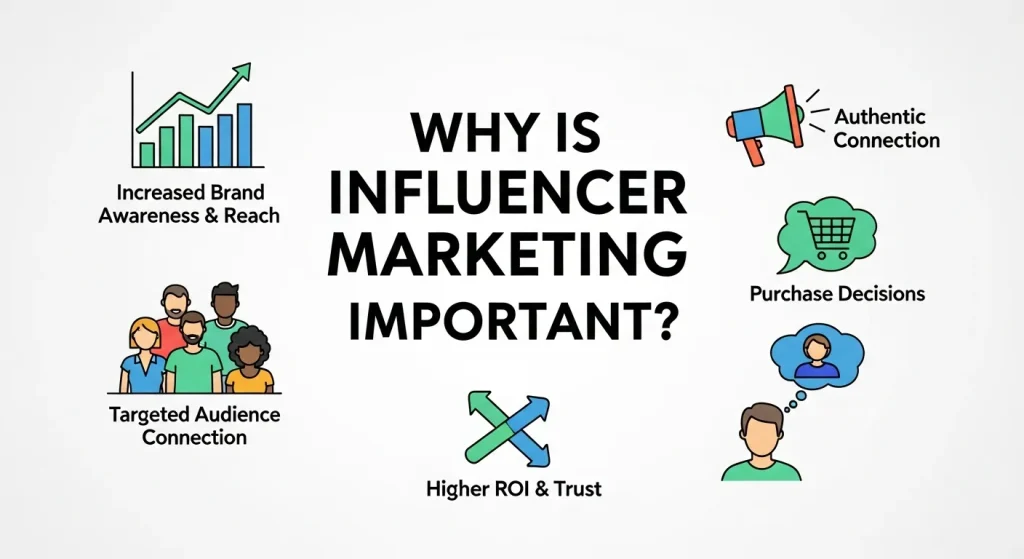
The core principle that fuels successful Influencer Marketing is its ability to leverage authenticity and trust in a way that traditional advertising simply cannot replicate. Modern consumers are savvy and discerning; they have developed a keen sense for overly polished, corporate messaging and often tune it out. They crave genuine recommendations from people they relate to and admire. This is where Influencer Marketing excels.
Building Credibility Through Genuine Connections
Influencers are, first and foremost, content creators who have cultivated a loyal community around a shared interest or passion. Whether their niche is fitness, finance, fashion, or food, their followers trust their opinions and value their insights. When an influencer partners with a brand, they are not just advertising a product; they are lending their credibility and vouching for its quality. This endorsement feels less like a sales pitch and more like a trusted friend’s recommendation.
The Psychology Behind Influencer Trust
The effectiveness of Influencer Marketing is rooted in social proof and relatability. When potential customers see someone they admire using and enjoying a product in a real-world context, it creates a powerful psychological trigger.
- Social Proof: The influencer’s endorsement acts as a signal to their followers that the product is vetted and valuable. The engagement on the post—likes, comments, and shares—further reinforces this perception.
- Relatability: Unlike celebrity endorsements of the past, many influencers feel more accessible and relatable. They share their daily lives, struggles, and successes, creating a bond with their audience that makes their recommendations feel more personal and sincere.
- Aspirational Value: Influencers often represent an aspirational lifestyle or level of expertise. Followers look to them for guidance and inspiration, making them more receptive to the products and services they promote.
This genuine connection is the cornerstone of effective Influencer Marketing. A study found that 63% of consumers trust influencers’ opinions on products more than what brands say about themselves. This highlights the profound shift in consumer trust from corporations to individuals. The strategy behind Influencer Marketing involves carefully selecting partners whose personal brand and values align seamlessly with the company’s, ensuring the collaboration feels natural and not forced. This alignment is critical for maintaining the influencer’s credibility and the brand’s.
Tapping Into Niche Audiences and New Demographics
One of the most significant advantages of Influencer Marketing is its unparalleled ability to reach highly specific and engaged audiences. Traditional advertising casts a wide net, hoping to capture the attention of the right people. Influencer Marketing is a precision tool. By partnering with an influencer in a specific niche, a brand can directly access a pre-built community of passionate and interested potential customers.
For instance, a company selling sustainable home goods can collaborate with a zero-waste lifestyle blogger. A brand launching a new line of vegan protein powder can partner with a plant-based fitness enthusiast. This strategic alignment ensures the marketing message is not only seen but also welcomed by an audience already receptive to it. For practical guidance, check out this micro-influencer marketing guide—it sheds light on connecting with smaller but more passionate audiences.
Expanding Reach Across Generations and Platforms
Influencer Marketing is also incredibly effective for reaching different demographic segments, particularly those that are harder to engage through traditional channels.
- Reaching Gen Z and Millennials: Younger generations are notoriously difficult to reach with conventional ads. They spend significant time on platforms like TikTok, Instagram, and YouTube, where influencers reign supreme. A tech company aiming to connect with Gen Z could collaborate with a popular TikTok creator known for gadget reviews and tech hacks, instantly gaining access to millions of highly engaged young consumers.
- Platform-Specific Strategies: Different platforms attract different audiences and require different content formats. A brand can leverage a multi-platform Influencer Marketing strategy to maximize its reach. An interior design brand might use visually-driven platforms like Instagram and Pinterest for inspiration, while a B2B software company could partner with industry experts on LinkedIn for thought leadership content.
The value here is that the influencer’s followers are already primed to listen. They have opted in to receive content from that creator, demonstrating a high level of interest and trust. When that creator introduces a brand or product, the message is delivered within a context of value and entertainment, making it far more impactful than a disruptive ad. This targeted reach is a game-changer for brands looking to expand their market share and enter new demographic territories efficiently. The strategic use of Influencer Marketing allows brands to navigate the complex digital ecosystem with precision.
Section 2: Maximizing Engagement and Measuring ROI
Beyond building trust and reaching new audiences, Influencer Marketing delivers tangible results in the form of higher engagement rates and measurable return on investment (ROI). Influencers are masters of their craft; they understand what resonates with their audience and know how to create content that sparks conversations and drives action.
Driving Superior Engagement Rates
In the world of social media, engagement is currency. Likes, comments, shares, and saves all indicate your content is making an impact. Influencer Marketing consistently outperforms traditional brand advertising in this arena. An influencer’s post is not just an advertisement; it’s native content seamlessly integrated into their followers’ feeds.
Consider this comparison:
- Traditional Brand Post: A promotional graphic on a brand’s social page might get a modest number of likes and comments—often only from an established customer base.
- Influencer Collaboration Post: A creative, authentic post by an influencer about the same product can generate thousands of likes, hundreds of genuine comments, and shares. This content sparks real discussion among followers, who might tag friends, ask questions, and share their own experiences.
This high engagement translates into increased brand awareness and introduces the brand to new customers. As the field grows, influencers are reshaping everywhere—even in new tech. If you’re curious how this works in emerging fields, see this influencer marketing NFT launch guide for insights into digital asset strategies.
Cost-Effectiveness and Scalability for All Businesses
It’s a misconception that Influencer Marketing is reserved for large corporations with big budgets. In reality, it’s highly scalable and accessible for businesses of all sizes, from local shops to global enterprises. The key: understand the different tiers of influencers and choose your partners according to your goals and budget.
Understanding the Tiers of Influencers
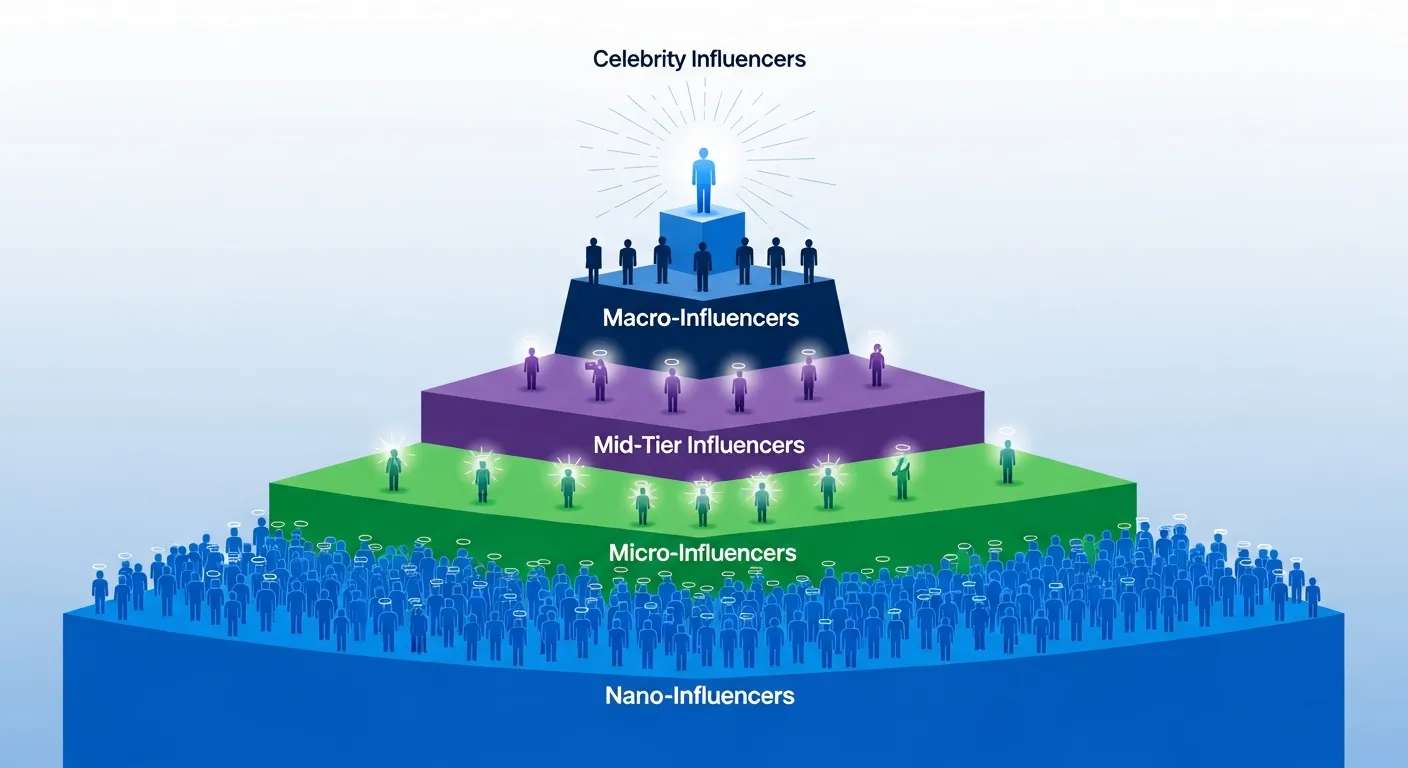
The influencer landscape is diverse, offering options for every campaign. This flexibility is a key strength of Influencer Marketing.
|
Influencer Tier |
Follower Count |
Typical Use Case |
Key Benefit |
|---|---|---|---|
|
Nano-Influencers |
1,000 – 10,000 |
Hyper-local campaigns, niche launches |
Highest engagement, strong community trust |
|
Micro-Influencers |
10,000 – 100,000 |
Targeted campaigns, credibility |
Balance of reach and engagement |
|
Macro-Influencers |
100,000 – 1M |
Brand awareness, major launches |
Significant reach to a diverse audience |
|
Mega-Influencers |
1M+ |
Global exposure, celebrity endorsement |
Maximum visibility and mass-market appeal |
Even emerging brands can run effective Influencer Marketing campaigns by focusing on nano- and micro-influencers. These voices often have a personal connection with their followers, resulting in higher engagement rates and authentic endorsements. Instead of spending huge budgets, start with a handful of micro-influencers and scale as you see results.
Achieving a Measurable and Impressive Return on Investment (ROI)
One of the strongest advantages of Influencer Marketing is its clear, quantifiable results. Unlike traditional marketing (where ROI can be fuzzy), influencer campaigns can be measured precisely. Brands monitor key performance indicators (KPIs) to track success.
Key Metrics for Tracking Influencer Marketing ROI
To accurately measure a campaign, brands should focus on metrics like:
- Reach and Impressions: Unique users who saw the content and the number of times displayed
- Engagement Rate: Total likes, comments, shares, and saves divided by followers
- Click-Through Rate (CTR): The percentage of users clicking on specific links (often tracked with UTM parameters)
- Conversion Rate: The number of users completing a desired action, such as purchasing or signing up
- Cost Per Acquisition (CPA): Total campaign cost divided by new customers acquired
- Follower Growth: Increase in the brand’s social followers
A Tomoson analysis found that brands earn an average of $6.50 for every $1 spent on Influencer Marketing. With such ROI, brands are dedicating more of their budgets to this channel.
Section 3: Building Long-Term Value and Driving Trends
Effective Influencer Marketing goes beyond short-term campaigns. Strategically implemented, it strengthens brand equity, builds customer relationships, and drives market trends.
Cultivating Long-Lasting Customer Relationships

Traditional ads are fleeting and transactional, but influencer collaborations can humanize a brand and nurture enduring connections with the target audience. When a trusted influencer continuously uses a brand’s products, it builds a reputation for reliability and authenticity.
For example, if a beauty influencer regularly features a skincare brand, her audience sees that brand as trustworthy and dependable. Over time, such repeated exposure turns viewers into loyal, repeat customers. Many brands today collaborate with influencer agencies for strategic partnerships—especially those offering the best influencer marketing services in the UK.
Driving Trends and Establishing Brand Authority
Influencers are often the tastemakers and trendsetters of their communities—spotting what’s next and shaping consumer desires.
The Viral Power of Influencer-Led Trends
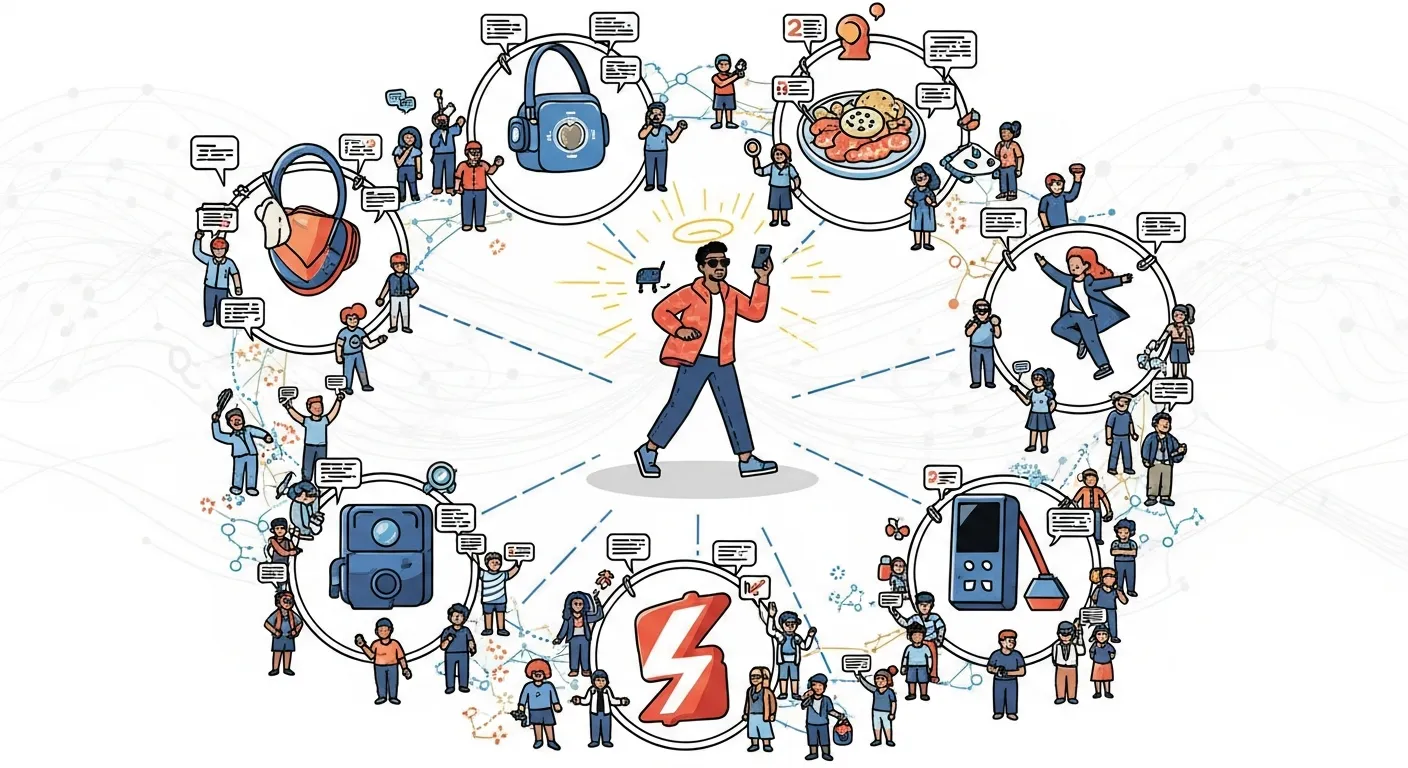
When influencers organically incorporate products into trending content, results can be explosive. Some products go viral on platforms like TikTok after influencer endorsements—consider the famous “TikTok Leggings” and other trending items that sold out overnight.
- Setting Industry Standards: In professional spheres, expert influencers can establish a brand as an industry standard. If a respected thought leader regularly references your brand, it can shift purchasing decisions throughout the sector.
By collaborating with the right influencers, brands can ride current trends and even become catalysts for the next big thing. The best Influencer Marketing strategies position brands at the center of the conversations that matter most.
Frequently Asked Questions (FAQ)
1. What exactly is influencer marketing?
Influencer Marketing is a type of social media marketing involving collaboration with individuals who have a dedicated audience and authority in their niche. Rather than direct advertisements, brands leverage influencer credibility to share their message through authentic content. You can find a thorough overview here: What is influencer marketing?
2. How does influencer marketing differ from traditional advertising?
Unlike direct brand-to-consumer ads, Influencer Marketing delivers peer-to-peer recommendations through trusted third parties. These feel more genuine and are often embedded into educational or entertaining content that audiences already follow.
3. Is influencer marketing only for big brands with large budgets?
Not at all. Influencer Marketing is highly scalable for all business sizes, thanks to nano- and micro-influencers who deliver results at a reasonable cost and with high engagement.
4. How do I find the right influencers for my brand?
Start by prioritizing relevance and authenticity—choose influencers whose values and audience align with your own. Need a step-by-step guide? Check the influencer marketing guide for brands for details.
5. What are the different types of influencers?
Influencer tiers include nano-influencers (1K–10K), micro-influencers (10K–100K), macro-influencers (100K–1M), and mega-influencers (1M+). Each serves specific campaign goals, whether engagement, reach, or brand authority.
6. How is ROI measured in influencer marketing campaigns?
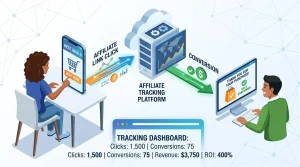
ROI can be tracked with metrics including engagement rates, click-through rates, conversions (with promo codes or affiliate links), and follower growth, giving a clear picture of effectiveness.
7. What are the main benefits of influencer marketing?
Benefits include building authenticity, reaching targeted audiences, and generating high engagement. For a comprehensive list and best practices, visit: Influencer marketing benefits & best practices
8. What kind of content works best for influencer marketing?
Content works best when it feels natural to the influencer’s style—Instagram Stories, Reels, YouTube videos, or blog posts. Authenticity beats overly-scripted endorsements every time.
9. Should I use one-off campaigns or long-term partnerships?
Long-term partnerships build deeper trust and stronger brand associations, resulting in lasting customer loyalty and sustained growth, while short campaigns can provide quick exposure or highlight specific products.
10. What is the first step to starting an influencer marketing campaign?
Define your goals (awareness, sales, followers), then identify your target audience and budget before researching suitable influencers. Start with clear objectives for best results.