How Marketing Drives Business Growth and Competitive Advantage

Strategic marketing builds competitiveness through UVPs, emotional engagement, multi-channel campaigns, data insights, and NFT strategies. These approaches foster loyalty, expand reach, and position businesses for sustainable growth and market leadership.
Marketing is far more than a catchy slogan or a burst of social media activity. At its core, Marketing Drives organizational growth, shapes competitive positioning, and influences how audiences perceive a brand. It is a strategic engine that fuels awareness, builds trust, and creates demand in crowded marketplaces. Businesses that understand how Marketing Drives engagement and differentiation are better equipped to outperform competitors and secure long-term success.
Whether operating as a startup or an established corporation, recognizing how Marketing Drives customer loyalty and brand authority can elevate your competitive standing. When aligned with business goals, marketing transforms from a promotional function into a powerful driver of sustainable competitiveness and measurable growth.
The Symbiotic Relationship Between Marketing and Competitiveness
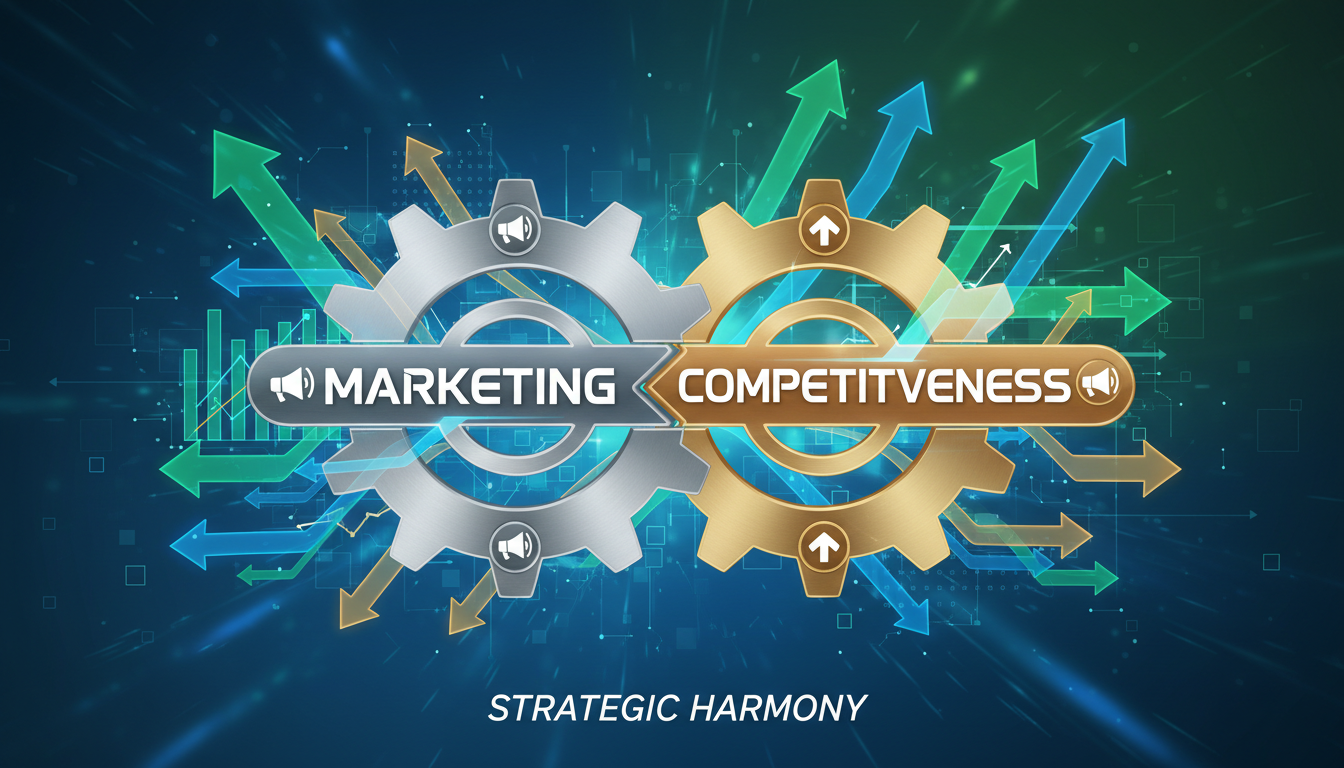
To understand the impact of marketing on competitiveness, think of it as the engine that fuels an organization’s ability to stand out. Marketing helps a company:
- Build awareness of its products or services,
- Differentiate itself from competitors, and
- Capture customer loyalty through consistent communication and trust-building tactics.
If you’ve heard the phrase “the best product doesn’t always win,” you’ve seen this in action. Consider two companies with similar offerings. The one with a smarter, more targeted marketing approach will often win—even if the competitor’s product is slightly superior.
Now, let’s explore specific ways marketing drives competitiveness:
1. Creating a Unique Value Proposition (UVP)
The presence of a Unique Value Proposition (UVP) makes your business different from its competitors. Marketing makes sure that your target market understands both what you are offering and why your products or services are better.
Apple: For example, Apple won’t mind. Apple stresses innovative design, sleek looks and user-friendly technology. Its marketing always emphasizes ease of use and high quality, which strikes a chord with most people. This distinguishes Apple from its competitors and cements the brand as a leader in the industry.
A compelling UVP is critical because it communicates why customers should choose you over others. It needs to answer key questions like:
- What problem does your product solve?
- How is this solution unique from others on the market?
Clear and consistent marketing ensures this message hits home with your audience.
Pro Tip:
Your UVP isn’t a one-and-done effort. Keep testing and iterating it based on feedback from your marketing campaigns and evolving industry trends.
2. Building Emotional Connections with Customers
No one can deny that decisions are frequently emotional. Building emotional connections through a sound marketing strategy can result in a customer base loyal for life. Going further than product, emotional marketing spins a tale that evinces something of aspiration, nostalgia or community.
A prime example is the one taken to make Nike a successful brand. By selling athletic gear, the “Just Do It” campaign became more than simply another sportswear brand; Nike marketing was actually saying that with enough effort and steadfastness, anything could happen-your future needed neither limits nor boundaries.
By creating an emotional bond, marketing can make your brand unforgettable, thus boosting client retention rates and lifelong customer value.
How to Build Emotional Connections Through Marketing:
- Use storytelling to share your brand’s origins, mission, and values.
- Engage in two-way conversations on social media to create a sense of community.
- Leverage visuals, music, and relatable messaging that resonate with your target market.
3. Expanding Market Reach Through Multi-Channel Strategies
Your customers aren’t confined to a single platform, and neither should your marketing be. Businesses that diversify their marketing efforts across multiple channels often see greater success and enhanced competitiveness.
Example:
A car rental service that prioritizes cross-channel marketing might use:
- Search engine optimization (SEO) to attract website visits,
- Email marketing to re-engage lapsed customers,
- Targeted ads for users searching “affordable car rental,” and
- Influencer partnerships to reach younger demographics.
Through such a multi-channel approach, your organization increases brand visibility and stays top of mind.
Channel Optimization Tips:
- SEO ensures your company is discoverable online via organic search.
- Email Marketing strengthens relationships with warm leads.
- Social Media allows for real-time interaction and authenticity.
Done right, these channels work harmoniously to expand your reach and enhance market presence.
4. Providing Data-Driven Insights for Better Decisions
Modern marketing isn’t just creativity–it’s also about analytics. Using data insights from modern marketing tools gives businesses a clearer picture of who their customers are and what they want. This information feeds into everything from product design to customer service, giving organizations a competitive edge.
Marketing generates valuable data metrics, such as:
- Conversion rates
- Audience demographics
- Click-through rates (CTR)
- Customer sentiment
These insights enable businesses to make smarter decisions, tailor offerings, and improve campaigns. For instance, if a particular ad campaign isn’t generating conversions, real-time feedback allows businesses to pivot quickly and allocate resources to what is working.
5. Establishing Expertise Through Content Marketing
Generating content is now one of the most trenchant weapons in marketing. Content is a resource that organizations use to gain credibility and respect; moreover, it shows that one arm of the organization is better than the next.
For example, if you are a vendor of software products, then not only can in-depth reports like “Ten Ways AI Can Help Save Time” help raise visibility and awareness for your brand but making free whitepapers available allows potential clients to see that your business carries the expertise in a particular field.
Content marketing breeds trust. The more people who trust that you are an expert, the more likely it is that they will choose you rather than any of your rivals.
- Create evergreen content that remains relevant over time.
- Address your customers’ pain points to show empathy and knowledge.
- Optimize content for SEO to drive consistent organic traffic.
6. Strengthening Customer Retention through Loyalty Programs

Marketing doesn’t stop when someone makes their first purchase. Retaining customers is equally essential for business growth and competitiveness. Studies reveal that acquiring a new customer costs five times more than retaining an existing one.
How Marketing Supports Retention:
- Loyalty Programs encourage repeat purchases by offering exclusive benefits or discounts.
- Post-Purchase Communication (via email) keeps customers engaged and informed about new offerings.
- Tailored Rewards make customers feel appreciated and valued.
For example, Starbucks’ rewards program uses a mobile app where loyal customers can earn free drinks, boosting retention and fostering brand advocacy.
7. Competing on a Global Scale with Branding Consistency
For organizations looking to expand beyond local markets, marketing drives ensure consistent branding across diverse regions and cultures. A recognizable brand builds trust globally and helps businesses compete internationally.
Take Coca-Cola’s marketing drives, for instance. Whether in Europe, Asia, or the Americas, the brand’s marketing campaigns focus on sharing happiness and unity. This cultural alignment cements Coca-Cola’s position as a global leader.
How to Stay Consistent:
- Develop a clear, brand-wide tone and visual identity.
- Adapt content to resonate with regional markets without compromising core values.
- Use centralized marketing tools to keep global teams aligned.
The Bigger Picture
The concept of marketing is quite extensive. More than doing a simple task like bringing in and influencing customers, marketing is underpinned by an organisation‘s whole committed strategy to stay competitive in the ever changing marketplace of today. Marketing, from creating emotional links with people to exploiting data and broadening one’s public relations activities, allows firms to change, develop and prosper.
When marketing is aligned with overall business goals, organizations not only survive but actually lead in competitive markets.
Global Branding Consistency
For companies expanding internationally, marketing ensures consistent brand messaging across regions. Strong global branding builds trust, supports recognition, and reduces confusion. Adapting campaigns for local culture while maintaining core values ensures competitive advantage in diverse markets. Visual identity, tone of voice, and messaging coherence reinforce credibility and make campaigns more memorable. NFT projects with global audiences benefit from consistent cross-region marketing, enabling participation from multiple geographies while retaining a strong, unified brand identity. Consistency drives both recognition and competitiveness on a global scale.
Integrating NFT Marketing Strategies
NFT marketing drives leverages both community and scarcity. Platforms like Discord, Twitter/X, NFT marketplaces, and Web3 advertising help creators reach collectors and grow engagement. Effective NFT Airdrops Strategies incentivize participation, while storytelling and utility-based marketing drives build trust. Multi-channel campaigns, paired with influencer collaborations, establish visibility, strengthen loyalty, and attract collectors. Using analytics to track engagement, minting rates, and social activity allows creators to optimize strategies and allocate resources to channels that drive both awareness and community growth. NFTs blend traditional marketing principles with digital innovation to maintain competitiveness in the blockchain ecosystem.
Influencer and Partnership Marketing
Collaborations with influencers or complementary projects amplify reach and credibility. Marketing drives campaigns that benefit from shared audiences, authentic endorsements, and cross-promotion. NFT partnerships create excitement, expand communities, and attract new collectors. Selecting partners aligned with brand values ensures trust and engagement. Marketing strategies that leverage influencers combine social proof, storytelling, and credibility, accelerating project awareness. Effective partnership marketing extends reach, strengthens competitive positioning, and builds sustainable networks for ongoing campaigns, especially in niche markets like NFTs.
Marketing Analytics and Continuous Optimization

Tracking campaign performance ensures marketing drives remains effective and competitive. Tools measuring engagement, conversion, and ROI guide iterative improvements. In NFT and digital marketing, analyzing minting, social, and website metrics ensures campaigns target the most valuable segments. Optimization reduces wasted spend and increases impact. Continuous evaluation allows campaigns to evolve with audience preferences, market trends, and competitive dynamics. Combining analytics with creative innovation ensures marketing remains a dynamic tool for growth, engagement, and long-term competitive advantage.
Take Your Marketing Strategy to the Next Level
Want to build a competitive edge for your business? Start rethinking your marketing drives strategy today. Identify your unique value, engage with your audience emotionally, and stay adaptable with data-driven insights.
Need help crafting campaigns that set your organization apart? Our team of experts is here to guide you. Book a free consultation today and discover how we can help propel your brand forward!
Conclusion
Marketing drives competitiveness by building awareness, fostering loyalty, leveraging data, and expanding reach. Integrated strategies—including NFT marketing—ensure businesses remain relevant, grow sustainably, and outperform rivals in any market.
FAQs About Marketing and NFT Strategies
1. What is the role of marketing in competitiveness?
Marketing shapes customer perceptions, builds trust and loyalty, differentiates offerings, drives demand, and positions businesses ahead of rivals, creating sustainable competitive advantage in both traditional and digital markets.
2. How does a Unique Value Proposition (UVP) enhance competitiveness?
A UVP clearly communicates unique offerings and distinct value, helping customers understand why your brand is preferable to competitors, reinforcing positioning, and improving conversion rates across all marketing channels.
3. Why is emotional marketing effective?
Emotions heavily influence purchasing behavior. Emotional marketing builds deep connections, strengthens loyalty, increases lifetime customer value, and encourages brand advocacy by resonating with consumer aspirations and personal experiences.
4. What are multi-channel marketing strategies?
Multi-channel strategies use platforms like SEO, social media, email, paid ads, influencer collaborations, and NFT marketplaces. Coordinated campaigns maximize reach, improve engagement, and enhance brand visibility across diverse audience touchpoints.
5. How does data-driven marketing improve results?
Data-driven marketing provides insights into audience behavior, engagement trends, and campaign performance. This enables smarter decisions, better targeting, campaign optimization, and resource allocation for maximum ROI and competitiveness.
6. Why is content marketing important?
Content marketing establishes expertise, builds trust, educates audiences, and fosters organic engagement. High-quality blogs, videos, whitepapers, or guides position brands as authorities and improve visibility in search and social channels.
7. How do loyalty programs support competitiveness?
Retention-focused strategies, including rewards, exclusive offers, and personalized communication, reduce churn, increase repeat purchases, enhance customer lifetime value, and turn buyers into long-term advocates for your brand.
8. Why is global branding consistency essential?
Consistent branding across regions builds recognition, trust, and credibility. Adapting messages culturally while maintaining core identity ensures international markets perceive the brand cohesively, strengthening competitiveness globally.
9. How do NFT Airdrops Strategies fit marketing?
NFT Airdrops incentivize participation, grow engaged communities, and attract collectors while reinforcing project value. Thoughtful airdrop design strengthens retention, drives social engagement, and integrates with broader NFT marketing campaigns.
10. How do influencer collaborations help marketing?
Influencers amplify reach, provide authentic endorsements, increase credibility, and expose your brand or NFT project to relevant audiences, accelerating awareness, engagement, and potential conversions.
11. How is marketing success measured?
Success is evaluated through metrics such as engagement, conversion rates, retention, revenue growth, audience expansion, and community involvement, allowing marketers to refine strategies and allocate resources effectively.
12. What common mistakes reduce marketing effectiveness?
Common pitfalls include ignoring data insights, inconsistent messaging, poor targeting, failing to engage audiences meaningfully, neglecting multi-channel integration, and overlooking retention-focused strategies.