Why Influencer Marketing is Crucial for Building Your Brand

Influencer marketing drives brand growth through authenticity, data-driven strategies, NFT innovation, and long-term partnerships. It builds trust, boosts engagement, improves SEO, and delivers measurable ROI for startups and established brands alike.
Traditional advertising methods have lost their former effectiveness. Today’s consumers trust peers, community and relatable voices much more than a script slogan or polished ad. Here’s where influencer marketing comes in handy. Through authentic involvement, influencers can build trust with their audiences and bring brands and potential customers closer together.
This blog shows you why influencer marketing is needed to let your brand go far, to grow your business and to gain currency in an increasingly competitive market. Whether you are a little fish or a big mogul, is guaranteed brand-changing this guide will show you how influencers are game-changers.
The Shift Towards Influencer Marketing
The Rise of Authenticity
The digital age has made marketing into a two-way exchange. Consumers do not passively take advertising from other people’s mouths any more; they ask for reliable friends and like-minded figures to make more trustworthy suggestions. This trust is embodied by an influencer, presenting products and experiences that feel absolutely real and down-to-earth.
A Nielsen report from 2023 confirmed that nearly 90% of people trust influencer recommendations as much as a personal recommendation. There is no way traditional advertising can reproduce this kind of authenticity. But it does place the influencer in the role of a guarantor, bridging brands and buyers with trust.
Micro-Niches Yield Big Results
Influencers often address small segments of the market. No matter if your brand is running shoes, vegan snacks, or sustainable skincare, there is probably an influencer who matches your target audience exactly uttering the same words and gestures. Investing in these micro- or nano influencers can bring sharp visibility and reach to a focused audience while still remaining within smaller budgets.
The Numbers Don’t Lie
According to a study from Influencer Marketing Hub, businesses get an average of $5.78 back for every dollar spent on influencer marketing. This kind of ROI is difficult to ignore, especially for startups and businesses with small budgets.
Benefits of Marketing with Influencers

Raise Brand Awareness
When an influencer mentions and promotes your company, this means instant exposure to an engaged audience. The more high-quality signals your brand gets from influencers who match both your target audience’s feelings as well as what they value at the time, the easier it becomes for prospective customers to resonate with your message. Learn more about Influencer Marketing Is Maturing.
More Examples
Fatale-founder is poised on the back of its influencer partners for a global footprint up until now. For instance, here you have Revolve. They’ve worked incredibly hard to create partnerships with content creators big in the fashion niche; no surprise that tribes of millennials now look on it as their own “one must have” label.
Building Trust and Credibility
When an influencer endorses your product, it feels more like a friend’s recommendation and less like a sales pitch. That’s one of the reasons why people follow influencers: they value their judgment and opinions.
(Every) Case in Point
Tech influencer Marques Brownlee evaluates electronics in a deep way, so his endorsement is of great value for brands like Samsung and OnePlus. His followers trust that he will be truthfully judgmental about what’s right to buy; in fact, a great deal more than just persuasive on purchase decisions when they are reaching for the wallet.
Targeted Reach
Unlike traditional marketing campaigns, which have to cast broad nets in hopes of catching interest, influencer marketing lets brands get specific. For example, if you collaborate with a travel influencer, it means that your travel gear goes directly into globetrotters ‘passive turbulence.
Media files, collateral materials, and calls-to-action, but content can be the stake in Ising on the fire. And where do you get all this rich and engaging content? From collaborating with creators, of course! Whether production comes in full-length videos, magazine displays or snippets, stories, and descriptions (as well as images) to complete first-person anecdotes for the customers targeted by your marketing team.
Top Tip
Make sure the terms and conditions you agree with give you the rights to use their content on your email marketing, web pages or in adverts.
Increasing Participation
Thanks to social media algorithms, content that produces a high level of engagement is given priority. Followers will like, comment, share, and save their content as a matter of course.
Indeed, this kind of organic interaction will prompt platforms such as Instagram, TikTok and YouTube to recommend the content. And it gets even more traffic.
For Example:
When gymwear label Gymshark engaged Whitney Simmons, a fitness influencer, to promote its new workout leggings. Sales soon followed her organic posts and try-on haul videos as the level of engagement among her followers climbed north.
Developing an Effective Influencer Marketing Strategy
Define Your Marketing Objectives
Start by setting out what you’re looking to achieve with influencer marketing. Key objectives could include raising brand awareness, driving website traffic, gaining new followers on social media, or boosting sales. Clear goals help you assess a campaign’s success.
Finding the Right Partners
Finding the right influencer is essential. Look for people whose values match your brand and whose followers resemble your target audience. Engagement, rather than the number of followers, is a far more accurate gauge of success. Looking at how follower gender and the average number of comments have evolved will make that much clearer for researchers.
Building Authentic Relationships
Treat influencers as partners, not employees. Get to know their content by liking and commenting on their posts. Make sure that they really like your products before proceeding. You can tell fake endorsements a mile off.
Attend Creative Away Days
Content creators understand their audience better than anyone. supported they support, the better they are at drawing. Conclusion for branch testing. Over-constrained guidelines rob creativity and authenticity of all room to get started.
Monitoring Results
Be sure to monitor the performance of your influencer campaigns. Tools ranging from Google Analytics to codes for affiliates and UTMs associated with influencer promotions can help you measure – to see how far the number of posts is going and whether visitors are increasing or decreasing.
Debunking Influencer Marketing Myths
‘Only big companies do this, right?’
No, that’s not true. Your brand can still work with nano-influencers. Besides having higher-than-average engagement rates – about 6-8 per cent – their costs are more reasonable than one might expect, too.
‘It always means fees?’
Not really. While mega-influencers often command high fees, many are open to trading posts for free products. This is particularly so if the brand and product clearly fall within the scope of their interests.
‘Is it also useful for our B2B?’
Yes! LinkedIn influencers and industry experts can help with thought leadership content that reaches decision-makers at B2B companies. For example, a software brand working together with a business coach could well prove successful in generating sales.
Real Life Success Stories

Daniel Wellington’s Influencer Strategy
A watch company, Daniel Wellington, grew its brand almost solely relying on influencers. Fashion and lifestyle influencers got timepieces as gifts. They posted great photos of themselves wearing the watches, amplifying the appeal for a highly aspirational life that existed globally.
Inclusive Influencers For Fenty Beauty
Fenty Beauty’s considerable success can be attributed partly to the diversity of its influencer partnerships. By working with bloggers of all different skin tones, nationalities and sexes, they successfully positioned themselves as an inclusive brand.
Why Begin Now?
In the modern marketing playbook, influencer marketing is no longer an option. Trust building, expanding brand outreach, and sparking real engagement are what make it one of today’s most powerful tools available for use.
For brands looking to take the plunge into influencer-driven marketing, the time has arrived. Start small, experiment with mixes of influencers and check results. Before long, you’ll find how influencers turn your brand effort upwards in ways you never knew — but are pleased with!
NFT Marketing and Influencer Collaboration
NFT marketing introduces a new dimension to influencer campaigns. Brands can collaborate with influencers to launch limited-edition NFTs tied to exclusive perks, digital collectables, or loyalty programs. These NFTs may provide access to events, discounts, or private communities. Influencers can educate their audiences about NFT utility, helping bridge the gap between digital innovation and brand engagement. When used strategically, NFTs create scarcity, exclusivity, and new revenue streams. However, brands should ensure transparency and select energy-efficient blockchain networks to align with sustainability concerns. Combining influencer marketing with NFT innovation can position brands as forward-thinking and digitally savvy.
Enhancing SEO Through Influencer Collaborations
Influencer marketing also contributes to search engine optimization (SEO). When influencers mention brands in blog posts, YouTube descriptions, or social media bios, they create valuable backlinks and brand signals. Increased brand searches, website traffic, and social engagement improve domain authority and search visibility. Influencer-generated content often ranks independently on search engines, providing additional exposure. Strategic keyword integration within collaborations can further strengthen SEO performance. By combining influencer outreach with content marketing, brands amplify their digital presence across multiple platforms simultaneously.
Community Building and Brand Loyalty
Influencers help brands cultivate strong communities rather than passive customers. Social media interactions—comments, shares, live sessions—create two-way conversations. Influencers can host Q&A sessions, giveaways, and challenges that involve audiences directly. This participation builds emotional investment and strengthens loyalty. When customers feel part of a brand’s journey, retention rates increase. Community-driven campaigns also generate user-generated content, expanding reach organically. Strong communities provide long-term value far beyond immediate sales conversions.
Cost-Effective Growth for Startups
Startups often face budget limitations, making influencer marketing particularly attractive. Nano and micro-influencers offer affordable collaboration opportunities with highly engaged audiences. Instead of investing heavily in traditional advertising, startups can allocate smaller budgets toward targeted influencer partnerships. Product gifting, affiliate programs, or commission-based models further reduce upfront costs. This flexible structure allows startups to experiment and scale gradually. With careful selection and strategic messaging, influencer marketing can deliver significant returns even with modest investment.
Cross-Platform Marketing Synergy
Influencer campaigns work best when integrated across multiple platforms. A single collaboration can generate Instagram posts, YouTube reviews, TikTok videos, and blog mentions simultaneously. Repurposing influencer content for email marketing, ads, and website landing pages increases efficiency. Cross-platform synergy enhances brand consistency and maximizes exposure. Consumers often interact with brands on multiple channels before purchasing, so consistent influencer messaging reinforces trust throughout the decision-making journey.
Transparency and Compliance in Influencer Campaigns
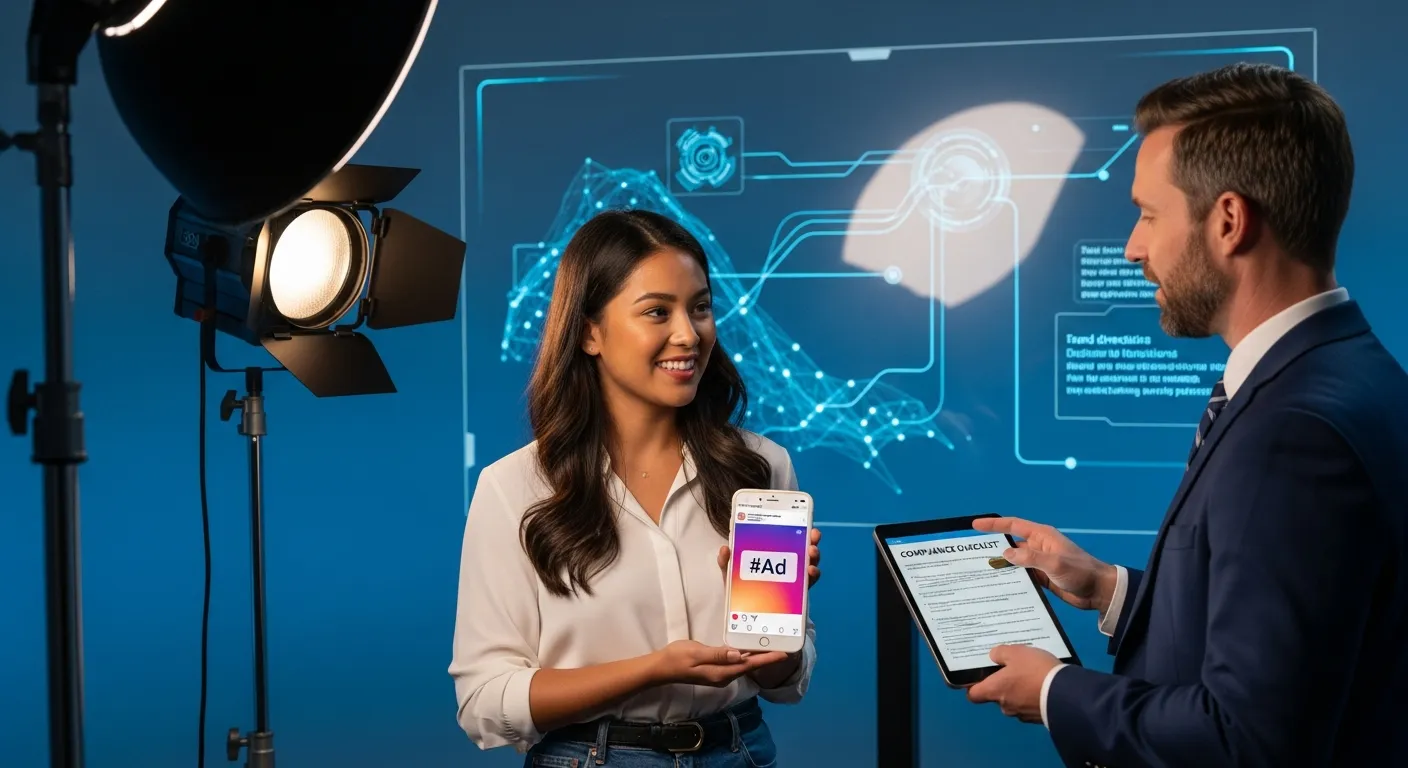 As influencer marketing matures, transparency becomes critical. Clear disclosure of sponsored partnerships builds trust and complies with advertising regulations. Brands should establish written agreements outlining deliverables, rights usage, and ethical guidelines. Honest communication protects both brand and influencer reputations. Transparent collaborations prevent backlash and strengthen credibility. Ethical influencer marketing ensures sustainable growth and long-term audience trust.
Conclusion
Influencer marketing has transformed how brands connect with consumers. By prioritizing authenticity, leveraging data, integrating NFT innovation, and building long-term partnerships, brands can expand reach and drive measurable growth. In an era defined by trust and digital engagement, influencer marketing remains one of the most powerful tools for sustainable brand expansion. Businesses that act strategically and transparently will see lasting impact in competitive markets.
Frequently Asked Questions (FAQs)
1. What is influencer marketing, and how does it work?
Influencer marketing is a strategy where brands collaborate with content creators who have engaged audiences. These influencers promote products or services through authentic storytelling, reviews, and recommendations that resonate with their followers.
2. Why is influencer marketing considered effective today?
Influencer marketing works because consumers trust relatable individuals more than traditional advertisements. Authentic endorsements feel personal and credible, making audiences more likely to engage with the brand and make purchasing decisions.
3. Is influencer marketing suitable for small businesses and startups?
Yes, small businesses can benefit greatly by partnering with micro or nano influencers. These creators often have highly engaged niche audiences and offer cost-effective collaboration opportunities compared to large celebrity influencers.
4. How can brands measure influencer marketing ROI accurately?
Brands measure ROI using metrics such as engagement rates, click-through rates, website traffic, conversions, affiliate sales, and unique tracking links. Data analytics tools help evaluate campaign performance and optimize future strategies.
5. Which social media platforms work best for influencer marketing?
The most effective platforms depend on the target audience and industry. Instagram and TikTok excel for lifestyle brands, YouTube for product reviews, and LinkedIn for B2B influencer marketing campaigns.
6. How much does influencer marketing typically cost?
Costs vary based on influencer reach, engagement rate, content type, and campaign duration. While macro influencers charge higher fees, micro and nano influencers often provide affordable and high-performing alternatives.
7. Can influencer marketing help improve SEO performance?
Yes, influencer collaborations can generate backlinks, increase branded search queries, and drive website traffic. These signals strengthen domain authority and enhance search engine visibility over time.
8. What is NFT marketing in influencer campaigns?
NFT marketing involves influencers promoting blockchain-based digital assets, collectibles, or exclusive brand experiences. When used strategically, NFTs can create scarcity, enhance engagement, and open new digital revenue streams.
9. Are long-term influencer partnerships more effective than one-off campaigns?
Long-term partnerships build stronger authenticity and audience trust. Consistent collaboration makes endorsements appear genuine and allows influencers to share ongoing experiences with the brand.
10. Is influencer marketing effective for B2B companies?
Yes, B2B brands can collaborate with industry experts, thought leaders, and LinkedIn influencers to build credibility, generate leads, and strengthen professional brand positioning.
11. How do brands choose the right influencer for their campaign?
Brands should evaluate audience demographics, engagement rates, content quality, niche relevance, and shared values. Alignment between brand identity and influencer personality ensures authentic and effective collaborations.
12. Does influencer marketing replace traditional advertising entirely?
No, influencer marketing complements traditional advertising strategies. When integrated effectively, it enhances overall marketing performance by combining credibility-driven promotion with broader brand awareness campaigns.