What is the ROI of Influencer Marketing?

This comprehensive guide explores influencer marketing ROI, covering goal-setting, metrics, and advanced strategies. It highlights the importance of authenticity, long-term partnerships, and AI-driven tools, offering actionable insights for maximizing returns and building sustainable brand growth.
Influencer marketing has become a cornerstone of modern digital strategy. Businesses are increasingly allocating significant portions of their budgets to collaborations with online creators to reach new audiences and drive sales. But with any investment comes a critical question: what is the return? Understanding the Return on Investment (ROI) of influencer marketing is not just about justifying the spend; it’s about refining your strategy, making smarter decisions, and maximizing your brand’s growth potential. This comprehensive guide will explore the nuances of influencer marketing ROI, from defining your goals to tracking complex metrics and understanding the long-term value.
Decoding the Fundamentals of Influencer Marketing ROI
Understanding the financial return of your influencer marketing efforts is the ultimate measure of campaign success. It quantifies how much revenue you generate for every dollar spent. In the context of influencer marketing, this means evaluating whether your investment in sponsored content, creator partnerships, and other collaborative activities is translating into tangible business results. With the digital landscape becoming increasingly saturated, having a firm grasp of ROI is essential for any brand looking to compete effectively. For a specialized look at ROI in NFT campaigns, see: influencer marketing NFT launch guide.
The rapid growth of influencer marketing has made precise ROI measurement a necessity. Without clear objectives and a system for tracking returns, investing in digital personalities can feel like a gamble. A well-defined approach to ROI transforms this uncertainty into a predictable, scalable marketing channel. By understanding what drives success, you can optimize your campaigns for better performance, ensuring your marketing dollars are spent wisely. This foundational knowledge is the first step toward building a profitable influencer marketing program.
Why ROI is the North Star of Your Influencer Marketing Strategy
ROI serves as the definitive benchmark for any marketing initiative. It provides a clear, data-driven answer to whether your strategies are working. In the dynamic world of influencer marketing, where trends and algorithms constantly shift, ROI offers a stable metric to guide your decisions.
- Justifies Marketing Spend: A positive ROI demonstrates the value of influencer marketing to stakeholders and justifies continued or increased investment in this channel. It proves that your efforts are contributing directly to the company’s bottom line.
- Informs Strategic Decisions: By analyzing the ROI of different campaigns, platforms, and influencer tiers, you can identify what resonates most with your audience. This data allows you to double down on successful tactics and pivot away from those that underperform.
- Optimizes Campaign Performance: Consistent ROI tracking enables you to refine your approach over time. You can test different types of content, calls to action, and influencer partnerships to continually improve your results and achieve higher returns.
- Enhances Accountability: When ROI is the primary KPI, it creates a culture of accountability within your marketing team. Every decision is made with the end goal of generating a measurable return, leading to more focused and effective campaigns.
The focus on ROI ensures that your influencer marketing is not just about generating buzz but about driving real business growth. Even in specialized niches like Web3, understanding these principles is key; for instance, a detailed influencer marketing NFT launch guide would heavily emphasize pre-launch ROI projections and post-launch analysis to measure success. This level of strategic planning is what separates successful campaigns from costly experiments.
The Core ROI Formula and Its Components
At its most basic level, the formula for calculating influencer marketing ROI is straightforward. However, the accuracy of your calculation depends on the precision with which you track the inputs.
The standard formula is:
ROI = [(Net Profit – Marketing Investment) / Marketing Investment] x 100
To use this formula effectively, you must meticulously track both your costs and your returns.
Marketing Investment (Costs): This includes all expenses related to your influencer marketing campaign. It’s more than just the influencer’s fee.
-
- Influencer Compensation: The fee paid to the creator for their services. This can be a flat rate, a commission, or a combination of both.
- Product Costs: The value of any free products or services provided to the influencer.
- Agency or Platform Fees: If you use an influencer marketing agency or platform, their fees are part of the investment.
- Content Production Costs: Any additional costs for professional photography, videography, or editing.
- Team Hours: The time your internal team spends planning, managing, and analyzing the campaign.
Net Profit (Returns): This is the revenue directly generated by the campaign, minus the cost of goods sold (COGS). Tracking this requires specific attribution methods.
-
- Unique Discount Codes: Assigning a unique code to each influencer is one of the easiest ways to track sales.
- UTM-Tracked Links: Using links with Urchin Tracking Module (UTM) parameters allows you to monitor website traffic and conversions from each influencer in your analytics platform.
- Affiliate Links: These function similarly to UTM links but are tied to a commission-based payment structure.
- Dedicated Landing Pages: Creating a unique landing page for each campaign can help isolate traffic and conversions.
By diligently tracking these components, you can achieve a clear and accurate picture of your influencer marketing ROI.
|
Metric Type |
Examples |
How It Contributes to ROI |
|---|---|---|
|
Direct Revenue Metrics |
Sales via promo codes, affiliate link clicks, conversions from UTM-tracked URLs. |
These are the most direct indicators of financial return and form the core of the ROI calculation. They show immediate sales impact. |
|
Cost Metrics |
Influencer fees, product seeding costs, agency retainers, and internal team time. |
These values represent the “Investment” part of the ROI formula. Accurate cost tracking is crucial for a true ROI figure. |
|
Engagement Metrics |
Likes, comments, shares, saves, story views, swipe-ups. |
High engagement suggests strong audience resonance, which often correlates with higher brand awareness and future purchase intent. |
|
Website Metrics |
Referral traffic, bounce rate, time on site, new vs. returning visitors. |
These metrics show how effectively an influencer is driving qualified traffic to your digital properties, a key step in the conversion funnel. |
|
Brand Lift Metrics |
Follower growth, brand mentions, sentiment analysis, survey results. |
These “soft” metrics indicate long-term value, such as increased brand loyalty and market position, which indirectly contribute to future revenue. |
Advanced Strategies for Maximizing and Measuring ROI

Once you have the fundamentals down, the next step is to implement advanced strategies to both maximize and more accurately measure your influencer marketing ROI. This involves moving beyond simple sales tracking and embracing a more holistic view of the value that influencer partnerships can bring. It requires a deeper dive into different types of influencers, campaign structures, and the nuanced metrics that signal long-term brand health. Successful influencer marketing is a continuous cycle of planning, execution, analysis, and optimization.
A sophisticated approach to influencer marketing recognizes that not all value can be captured in a single transaction. Building brand equity, fostering community trust, and generating high-quality user-generated content are all valuable outcomes that contribute to sustained growth. Therefore, your measurement framework must evolve to account for these less tangible, yet critically important, benefits. This means looking at metrics that indicate brand affinity, audience loyalty, and the overall impact on your marketing ecosystem.
Choosing the Right Influencers for Optimal ROI
The single most important factor determining your influencer marketing ROI is your choice of partners. Selecting influencers whose audience perfectly aligns with your target demographic is paramount. However, follower count is not the only metric to consider. In fact, many brands are finding that smaller influencers deliver a much higher return. For a deep dive, see: micro influencer marketing guide.
- Nano-Influencers (1k-10k followers): These creators often have hyper-niche communities and deep, personal connections with their followers. Their recommendations are perceived as highly authentic, leading to exceptional engagement rates and trust.
- Micro-Influencers (10k-100k followers): This tier offers a powerful balance of reach and engagement. A comprehensive micro-influencer marketing guide will highlight their cost-effectiveness and ability to drive significant results for brands with specific target audiences. Their content often feels more relatable and less like a traditional advertisement.
- Macro-Influencers (100k-1M followers): These influencers provide broader reach and are effective for large-scale brand awareness campaigns. They can introduce your brand to a massive new audience in a short amount of time.
- Mega-Influencers (1M+ followers): Celebrities and top-tier creators fall into this category. While their fees are substantial, they can deliver unparalleled reach and are often used for major product launches or brand announcements.
Authenticity is the currency of influencer marketing. Modern consumers are adept at spotting inauthentic endorsements. The most successful partnerships are with creators who genuinely love and use your product. This genuine connection translates into more persuasive and trustworthy content, which in turn boosts ROI.
Structuring Campaigns to Drive Measurable Results

The structure of your influencer marketing campaign plays a significant role in its ability to generate a positive ROI. Moving beyond one-off sponsored posts to more strategic, long-term partnerships can yield far greater returns.
- Always-On Programs: Instead of short, intensive campaigns, consider building an “always-on” network of brand ambassadors. These are typically nano or micro-influencers who consistently promote your brand over a long period. This approach builds momentum, reinforces brand messaging, and creates a steady stream of authentic content and social proof.
- Tiered Campaign Objectives: Not every campaign needs to be focused on direct sales. You can structure your efforts with a tiered approach:
-
- Awareness Tier: Use macro-influencers to introduce your brand or a new product to a wide audience. The primary goal is reach and impressions.
- Consideration Tier: Work with micro-influencers to create detailed reviews, tutorials, or comparison content. The goal is to educate the audience and drive traffic to your website.
- Conversion Tier: Leverage nano-influencers and existing customers for highly authentic content focused on driving immediate sales through specific calls to action and discount codes.
- Content Repurposing: One of the most overlooked aspects of influencer marketing ROI is the value of the content itself. Secure the rights to repurpose influencer-generated content (IGC) across your own marketing channels, such as social media ads, email newsletters, and your website. This provides you with a library of high-quality, authentic creative assets, saving you significant production costs.
This strategic approach ensures that your influencer marketing efforts are aligned with your broader business objectives, delivering value at every stage of the customer journey.
|
Campaign Structure |
Primary Goal |
Ideal Influencer Tier |
Key ROI Metrics |
|---|---|---|---|
|
One-Off Sponsored Post |
Quick Brand Exposure |
Macro/Mega |
Impressions, Reach, Engagement Rate |
|
Multi-Post Campaign |
Deeper Storytelling |
Micro/Macro |
Website Clicks, Engagement Over Time |
|
Brand Ambassador Program |
Long-Term Advocacy & Trust |
Nano/Micro |
Follower Growth, Sentiment, Sales |
|
Product Launch Blitz |
Maximum Initial Impact |
All Tiers (Tiered) |
Sales Velocity, Media Mentions, Reach |
|
Affiliate Marketing Program |
Performance-Based Sales |
All Tiers |
Conversion Rate, Revenue, CPA |
|
Content Usage Rights |
Asset Generation |
Micro/Macro |
Content Production Cost Savings |
The Long-Term Value and Future of Influencer Marketing ROI
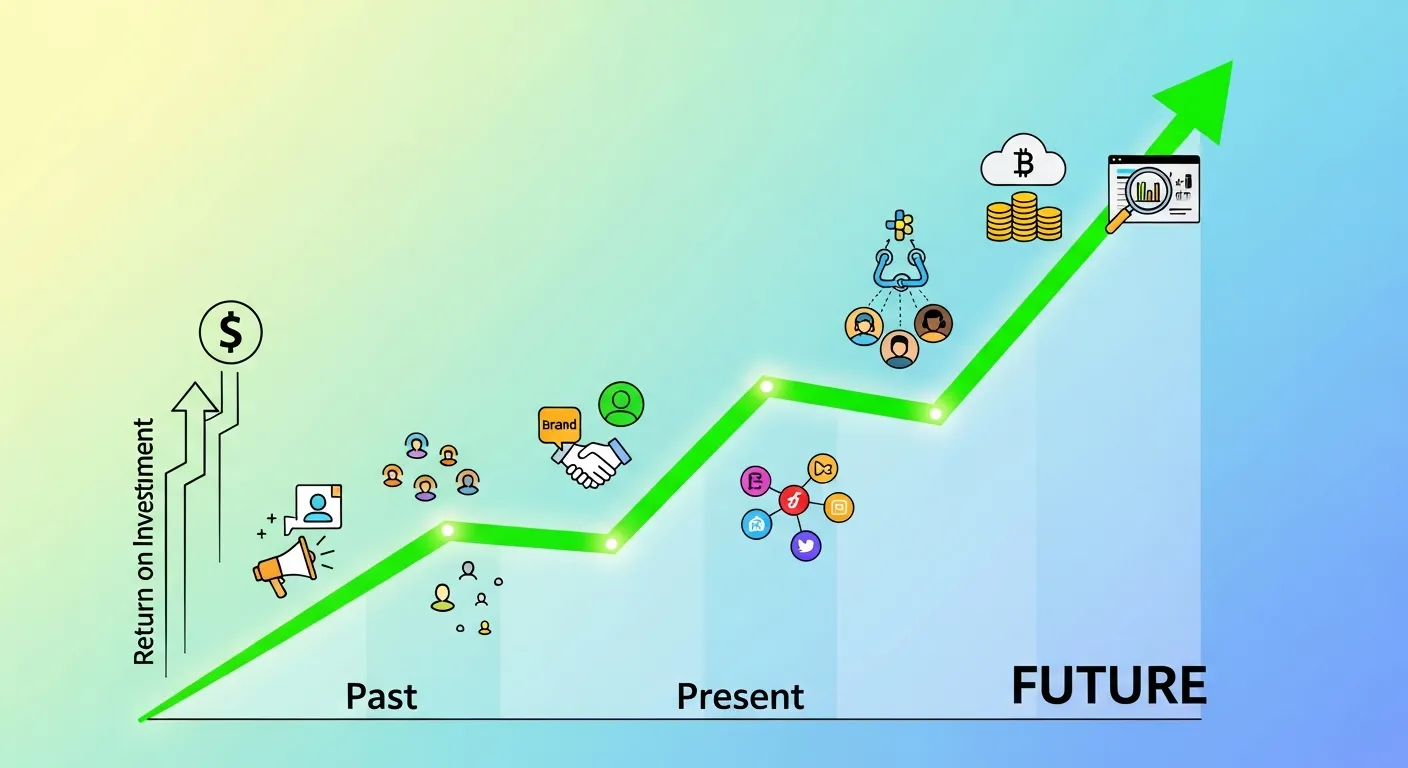
While immediate financial returns are crucial, the true power of influencer marketing lies in its ability to build long-term brand equity. A myopic focus on direct sales can cause you to miss the bigger picture. The trust, credibility, and brand affinity generated through authentic partnerships are assets that pay dividends long after a campaign has ended. For deeper expertise and tailored strategies, it’s often helpful to consult leading industry partners—check out: best influencer marketing services in the uk. This long-term value, though harder to quantify, is often what separates market leaders from the competition. Effective influencer marketing cultivates a loyal community around your brand, creating a sustainable competitive advantage.
Looking ahead, the methods for measuring and achieving influencer marketing ROI are set to evolve. The rise of artificial intelligence, new social platforms, and changing consumer behaviors will require marketers to be more agile and data-savvy than ever. The future of influencer marketing will be defined by deeper integrations, more sophisticated attribution models, and a greater emphasis on authentic, long-term relationships between brands and creators. Staying ahead of these trends will be essential for maximizing your returns in the years to come.
Beyond the Sale: Measuring the “Soft” ROI of Influencer Marketing
Not all benefits of influencer marketing can be immediately tied to a dollar value. These “soft metrics” contribute significantly to your brand’s long-term health and should be considered part of your overall ROI assessment.
- Enhanced Brand Affinity and Trust: When a respected influencer endorses your brand, they transfer a degree of their credibility to you. This builds trust with an audience that is often skeptical of traditional advertising. This enhanced brand affinity can lead to higher customer loyalty and lifetime value.
- Valuable Social Proof: Influencer content acts as powerful social proof. Seeing real people use and enjoy your product validates a potential customer’s purchasing decision. This collection of positive mentions and reviews across social media builds a strong perception of popularity and trustworthiness.
- Audience Growth and Community Building: Successful influencer campaigns don’t just drive sales; they drive new, engaged followers to your own social media channels. This grows your owned audience, giving you a direct line of communication for future marketing efforts and reducing your reliance on paid media.
- Market Insights and Feedback: Influencers and their communities can be a valuable source of feedback. Monitoring comments and conversations around campaign content can provide you with direct insights into consumer perceptions, product suggestions, and market trends.
While attributing a precise monetary value to these outcomes is challenging, you can track them through metrics like follower growth rate, brand sentiment analysis, and customer surveys. For businesses looking to scale these efforts, engaging with one of the best influencer marketing services in the UK can provide the expertise needed to measure both hard and soft ROI effectively.
The Future of ROI: AI, Attribution, and Authenticity
The landscape of influencer marketing is constantly changing, and so are the tools and strategies for measuring its impact. Several key trends are shaping the future of how we think about ROI.
- The Rise of AI in Influencer Marketing: Artificial intelligence is revolutionizing how brands find influencers, predict campaign performance, and measure results. AI-powered platforms can analyze millions of data points to identify creators with the most engaged and relevant audiences, flag fraudulent followers, and even forecast a campaign’s potential ROI before it begins. This data-driven approach removes much of the guesswork from influencer selection and budget allocation.
- Sophisticated Attribution Models: The limitations of last-click attribution are well-known. The future of ROI measurement lies in more sophisticated multi-touch attribution models. These models assign value to each touchpoint in the customer’s journey, from the initial awareness-driving post by a macro-influencer to the final conversion-focused story from a nano-influencer. This provides a much more accurate picture of how influencer marketing contributes to sales over time.
- The Enduring Power of Authenticity: As influencer marketing matures, audiences are becoming even more discerning. The demand for authenticity will only grow. The highest ROI will come from genuine, long-term partnerships where influencers are true brand advocates. This means moving away from transactional relationships and investing in building real connections with creators who align with your brand’s values.
The evolution of these areas will empower marketers to build more efficient, effective, and profitable influencer marketing programs.
|
Future Trend |
Impact on Influencer Marketing |
How it Changes ROI Measurement |
|---|---|---|
|
Artificial Intelligence (AI) |
AI-driven influencer discovery, fraud detection, and performance prediction. |
Enables more accurate forecasting of ROI before campaigns begin and automates performance analysis, increasing efficiency. |
|
Multi-Touch Attribution |
A more holistic view of the customer journey, recognizing multiple influencer touchpoints. |
Moves beyond last-click models to more accurately credit influencer marketing’s role in the entire conversion funnel. |
|
Creator Economy Diversification |
Rise of new platforms (e.g., BeReal, Web3) and content formats (e.g., live shopping). |
Requires new tracking methods and an understanding of how value is created and measured on different platforms. |
|
Long-Term Partnerships |
Shift from one-off campaigns to “always-on” ambassador programs. |
Focus shifts from short-term sales spikes to measuring long-term metrics like Customer Lifetime Value (CLV) and brand equity. |
|
First-Party Data Integration |
Combining influencer campaign data with a brand’s own CRM and sales data. |
Allows for a closed-loop view of ROI, connecting influencer activity directly to long-term customer behavior and value. |
|
Regulatory Scrutiny |
Increased regulations around disclosures and advertising standards (e.g., FTC, ASA). |
Non-compliance can lead to fines and brand damage, representing a negative ROI. Proper governance becomes part of the cost. |
Frequently Asked Questions (FAQ)
1. What is a good ROI for an influencer marketing campaign?
A good ROI for influencer marketing can vary widely by industry, but a commonly cited benchmark suggests that for every dollar spent, brands earn an average of $5.20 in media value. However, a “good” return is ultimately defined by your specific business goals, profit margins, and what you consider a successful investment compared to other marketing channels.
2. How long does it take to see ROI from influencer marketing?
You can see immediate ROI from campaigns focused on direct sales, often within days of a post going live, especially when using trackable discount codes. However, the full ROI, including long-term benefits like brand trust and audience growth, unfolds over months. Building brand equity is a marathon, not a sprint.
3. Can I do influencer marketing with a small budget?
Absolutely. Influencer marketing is highly scalable. With a small budget, you should focus on nano- and micro-influencers. These creators often have high engagement rates and are more affordable, sometimes working in exchange for a free product. This approach can deliver a surprisingly high ROI for small businesses.
4. How do I find the right influencers for my brand?
Finding the right influencers involves researching hashtags relevant to your niche, analyzing your competitors’ collaborations, and using influencer marketing platforms. Look for creators whose content style, values, and audience demographics align perfectly with your brand. Proper vetting is key to avoiding partnerships that could damage your brand’s reputation. For a full breakdown on best practices, check out: influencer marketing benefits and best practices.
5. What’s the difference between reach and engagement?
Reach is the total number of unique people who see an influencer’s content. Engagement refers to the interactions that content receives, such as likes, comments, shares, and saves. High engagement is often more valuable than high reach because it indicates a more active and interested audience, which is more likely to convert.
6. Should I pay influencers a flat fee or a commission?
This depends on your goals. A flat fee is common for brand awareness campaigns where the goal is reach and impressions. A commission-based (or affiliate) model is ideal for conversion-focused campaigns, as you only pay for performance. Many brands use a hybrid model, offering a smaller flat fee plus a commission to motivate influencers.
7. How do I handle influencer outreach effectively?
Effective outreach is personalized and professional. Address the influencer by name, explain why you believe they are a good fit for your brand (referencing specific content they’ve created), and be clear about what you’re proposing. You can streamline your efforts by exploring dedicated tools—see: influencer outreach tools for your next collab for more details.
8. How is AI changing influencer marketing?
AI is transforming the industry by automating and optimizing many processes. It helps with influencer discovery by analyzing performance data to find the best matches, detecting fraudulent followers to ensure you’re paying for real reach, and predicting campaign outcomes. For a deeper understanding of AI’s role and emerging trends, check out: How AI is transforming influencer marketing.
9. What are the biggest mistakes to avoid in influencer marketing?
The biggest mistakes include choosing influencers based solely on follower count, failing to set clear goals and KPIs, micromanaging the creator’s content (which stifles authenticity), and neglecting to track results. Another major error is focusing only on short-term sales and ignoring the long-term brand-building value.
10. How do I measure the ROI of a brand awareness campaign?
Measuring the ROI of a brand awareness campaign involves tracking “soft” metrics. Key indicators include increases in brand mentions on social media (social listening), growth in your brand’s social media followers, spikes in direct and branded search traffic to your website, and post-campaign brand lift surveys to measure changes in audience perception and recall.