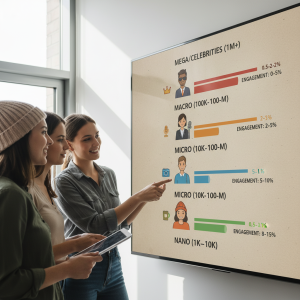
Influencer Marketing Across Industries: Strategies & Trends
Influencer marketing connects brands with audiences through trusted creators. Fashion, tech, travel, gaming, and lifestyle sectors leverage authenticity, storytelling, and NFTs to boost engagement, drive conversions, and cultivate long-term consumer loyalty.
Influencer marketing has exploded over the past decade. What began as a niche strategy for reaching specific online communities has become a core component of modern marketing. Industries of all shapes and sizes are now leveraging the power of influencers to connect with audiences in authentic and engaging ways. But which industries make the most of influencer partnerships?
If you’re a brand considering influencer marketing or curious about how other sectors use it effectively, this article will break down the industries where influencer marketing thrives. We’ll explore how they implement this strategy and why it consistently pays off.
Why Influencer Marketing Works Across Industries
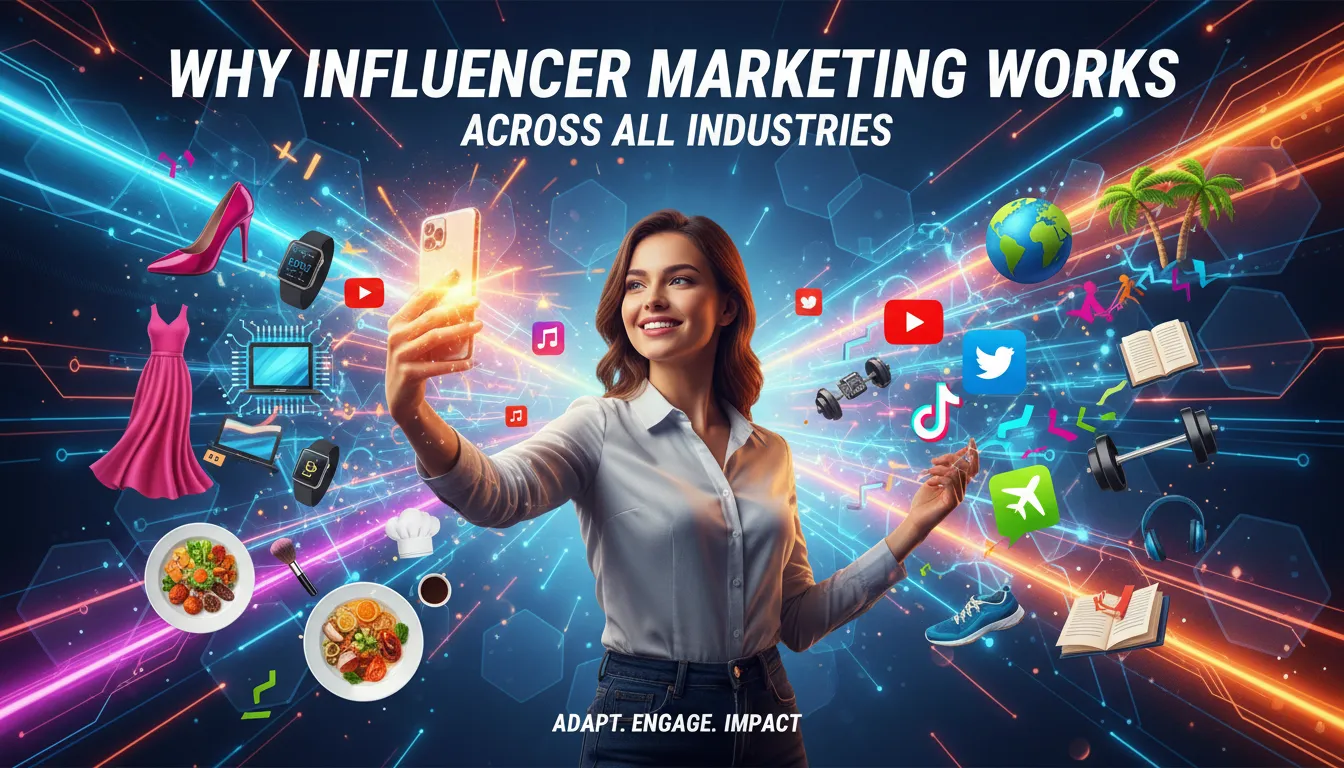
Influencer marketing works because it places trust at the centre of the strategy. Consumers today are sceptical of overt advertising and prefer recommendations that feel authentic. Influencers bridge this gap by offering a personal connection to their audiences.
Instead of relying solely on glossy ads, brands can tap into the genuine bond influencers have with their followers. This approach not only builds awareness but also enhances credibility and trust.
Now, let’s take a closer look at which industries have found the most success with influencer marketing.
The Top Industries Leveraging Influencer Marketing
1. Fashion and Beauty
If there’s one industry where influencer marketing reigns supreme, it’s fashion and beauty. Brands rely heavily on influencers to showcase their products in real-life scenarios, making them more relatable to their target audience.
Why It Works
- Visual Appeal: Platforms like Instagram and TikTok thrive on visual content, making them ideal for showcasing clothing hauls, makeup tutorials, and skincare routines.
- Trendy Content: Influencers are often on the cutting edge of trends, helping brands stay relevant in the fast-moving fashion and beauty world.
- Trust in Expertise: Many beauty influencers are considered experts. Their authenticity builds trust when they endorse a product.
Example
Fenty Beauty, Rihanna’s cosmetics brand, used influencer marketing from day one by partnering with micro and macro influencers of all skin tones. This inclusive approach highlighted the brand’s values and attracted a wide audience.
2. Health and Fitness
The health and fitness industry is built around personal goals, lifestyles, and transformations. Influencers in this space inspire their followers by sharing their journeys, workouts, and healthy habits, making them key partners for brands.
Why It Works
- Inspirational Content: Fitness influencers often blend motivational messaging with authenticity, making their endorsements powerful.
- Tutorial Focus: Workout routines and supplement reviews tap into audiences actively looking for guidance.
- Community Building: Followers trust fitness influencers due to their relatable stories and regular engagement with their audience.
Example
Nike collaborates with fitness influencers to create motivational content under its #justdoit campaign, connecting its products with themes of empowerment and perseverance.
3. Food and Beverage
Food and beverage brands use influencer marketing to appeal to a broad audience, from foodies to home cooks. Whether through enticing food photography or recipe tutorials, influencers bring creativity to the table.
Why It Works
- Mouth-Watering Visuals: Instagram is flooded with visually stunning food photos, drawing in users looking for inspiration.
- Recipe Integration: Influencers seamlessly incorporate products into recipes, creating authentic content.
- Local Focus: Some campaigns use local influencers to highlight restaurants and regional products.
Example
HelloFresh works with home chefs and foodie influencers to showcase how easy it is to whip up delicious meals using their meal kits. Their relatable, family-oriented content resonates across target demographics.
4. Technology
Consumer tech companies have found influencer marketing to be a great way to explain complicated concepts in a digestible way. They rely on tech experts, gamers, and lifestyle influencers to highlight product benefits.
Why It Works
- Complex Concepts Simplified: Influencers break down complicated tech features into relatable terms for everyday consumers.
- Product Demonstrations: Hands-on reviews from influencers build confidence in product usability.
- Engaged Communities: Gamers and tech reviewers follow niche influencers for trusted recommendations.
Example
Samsung partners with tech influencers and YouTube creators to demonstrate the features of their latest devices, giving potential buyers an in-depth look at the product.
5. Travel and Hospitality
Travel and hospitality naturally align with influencer marketing, as consumers are often inspired by visuals that spark wanderlust. Travel influencers bring locations, hotels, and experiences to life for their audiences.
Why It Works
- Dreamlike Visuals: Beautiful scenic shots and immersive videos drive curiosity and desire.
- Authentic Reviews: Influencers document their stays and experiences in an honest, relatable way.
- Global Reach: Travel influencers often target international audiences, providing broader exposure to brands.
Example
Marriott International has created influencer campaigns that incorporate user-generated content, working with travel influencers to highlight their global properties and experiences authentically.
6. Parenting and Family
Parenting influencers play a trusted role in the lives of many families, providing expert advice, product reviews, and insight into everyday life. Brands in this space know the power of turning to mom and dad influencers.
Why It Works
- Trustworthy Advice: Parents relate to other parents, making these endorsements feel organic.
- Practical Demonstrations: Parenting influencers show how products can make daily life easier for families.
- Engaged Community: Their followers frequently ask questions and seek personal advice, fostering interaction.
Example
Brands like Pampers collaborate with parenting influencers to showcase their products in everyday family scenarios through comforting and relatable content.
7. Gaming
The gaming industry has seen tremendous growth in influencer marketing thanks to the rise of platforms like Twitch, YouTube Gaming, and Discord. This niche thrives on loyal audiences and strong community engagement.
Why It Works
- Highly Engaged Audience: Gaming audiences dedicate hours to streams daily, giving influencers ample time to talk about products.
- Integration into Gameplay: Gamers naturally incorporate sponsored products into streaming sessions.
- Trust in Expertise: Influencers are often skilled gamers, making their product endorsements highly credible.
Example
Logitech partners with prominent gaming influencers to showcase their latest headsets and accessories, tying the quality of their products to an enhanced gaming experience.
8. Lifestyle Brands
Lifestyle influencers can promote a variety of products, from home goods to fashion and travel, making this a broad but effective category.
Why It Works
- Versatile Content: These influencers cover multiple topics, appealing to a wide audience.
- Relatable Stories: Followers see lifestyle influencers as people they aspire to or relate to, adding credibility to recommendations.
Example
Airbnb often works with lifestyle influencers to highlight unique stays, tying their offerings to aspirational, achievable experiences.
Health and Fitness Engagement

Health and fitness brands benefit from influencers who blend motivational messaging with educational content. Fitness creators share personal transformations, workout routines, and dietary tips, inspiring audiences to adopt healthier lifestyles. Engagement is fueled by tutorial-based content, live Q&A sessions, and community-driven challenges. Brands like Nike leverage fitness influencers to align their products with empowerment and perseverance messaging, increasing both credibility and conversions. Micro-influencers often outperform larger celebrities because their content feels more relatable and trustworthy. Tracking engagement, app downloads, and product trials provides brands with actionable insights. Health and fitness influencer marketing strengthens brand reputation, builds long-term loyalty, and encourages lifestyle adoption through authentic storytelling.
Food and Beverage Creativity
Food and beverage brands utilize influencer marketing to showcase recipes, cooking hacks, and unique flavors. Visual storytelling on Instagram and TikTok highlights product appeal, while YouTube tutorials enable detailed guidance. Collaborating with local and home chef influencers provides authenticity and regional relevance. HelloFresh uses influencer partnerships to demonstrate how its meal kits fit real-life families, building relatability and trust. Influencers seamlessly integrate products into recipes, showing practical application, increasing product trials, and boosting brand awareness. Metrics like engagement, recipe clicks, and referral traffic measure campaign success. Food influencer marketing transforms simple advertising into interactive, creative, and shareable content that inspires audiences while strengthening the brand’s credibility and reach.
Technology and Consumer Electronics
Tech brands often face the challenge of explaining complex products to a wide audience. Influencer marketing simplifies this through hands-on reviews, tutorials, and real-world demonstrations. Tech influencers break down complicated features into digestible insights, helping consumers make informed purchasing decisions. Companies like Samsung collaborate with YouTube tech creators to showcase devices effectively. Gaming influencers also play a crucial role, demonstrating performance and usability within immersive gameplay. The engagement and trust built through tech influencer content increases conversion rates and reduces skepticism. Metrics such as video views, click-through rates, and pre-orders help evaluate ROI. Influencer marketing bridges the gap between complex technology and everyday consumers, making products more approachable and appealing.
Travel and Hospitality Inspiration
Travel and hospitality brands excel with influencer marketing due to the immersive and visual nature of their services. Travel creators highlight destinations, accommodations, and experiences with scenic photos, videos, and personal stories. Marriott International and boutique hotels leverage influencers to create authentic content that boosts website traffic and global brand awareness. Travel influencer content sparks wanderlust and informs decision-making, combining credibility with emotional appeal. Tracking engagement, inquiries, bookings, and social shares enables measurable results. Long-term collaborations enhance brand trust, while creative storytelling drives authentic exposure. Travel influencer marketing transforms experiences into aspirational narratives, inspiring potential guests and elevating a brand’s profile in a competitive marketplace.
Parenting and Family Marketing
Parenting and family brands leverage influencers to provide advice, product reviews, and relatable content. Parents trust other parents’ recommendations, creating organic engagement and credibility. Pampers and other family-oriented brands collaborate with influencers to demonstrate product usability, comfort, and practical benefits in real-life scenarios. Interactive content, including tutorials, Q&A sessions, and social challenges, fosters a community-driven approach. Campaign success is measured through engagement, referral traffic, and purchase conversions. Micro-influencers are particularly effective, as their authentic experiences resonate deeply with followers. Parenting influencer marketing strengthens brand trust, provides educational value, and cultivates a loyal, long-term audience invested in both product quality and lifestyle alignment.
Gaming Industry Influence
The gaming sector thrives on influencer marketing due to highly engaged communities. Twitch, YouTube Gaming, and Discord allow creators to integrate products naturally into gameplay. Influencers demonstrate accessories, software, and in-game features while providing credibility and expertise. Logitech and other brands showcase headsets and peripherals through immersive content, generating excitement and trust. Metrics like stream engagement, referral links, and in-game purchases measure ROI. Gaming influencer campaigns build community loyalty, enhance brand visibility, and encourage product adoption. Engaged audiences respond to skill-based recommendations and entertainment-driven content, creating a strong connection between product performance, influencer credibility, and consumer behaviour.
Lifestyle Brands
Lifestyle influencers bridge multiple industries, from travel and fashion to home products. Their versatility enables brands like Airbnb to promote aspirational yet achievable experiences. Influencer storytelling highlights real-life applications, product functionality, and emotional appeal. Cross-platform campaigns amplify reach and reinforce relatability. Authentic content increases consumer trust and conversion, particularly when influencers share personal experiences and practical demonstrations. Success is measured by engagement, follower growth, website traffic, and conversions. Lifestyle influencer marketing blends versatility with relatability, allowing brands to connect emotionally with audiences while showcasing a diverse range of products and experiences effectively.
NFT Integration in Influencer Marketing
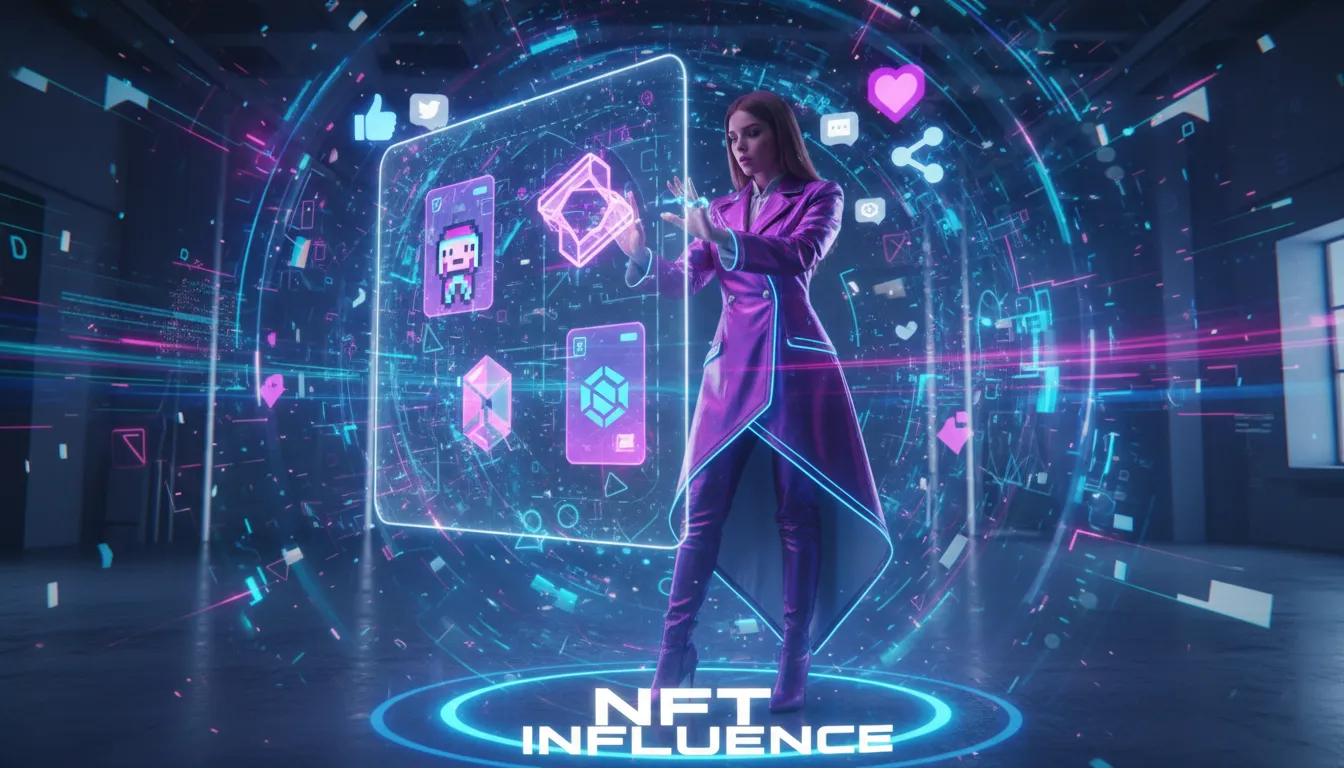
NFTs are emerging as powerful tools within influencer marketing. Brands can offer NFTs as loyalty rewards, exclusive perks, or collectables, incentivising engagement and boosting campaign visibility. Hotels, fashion, and entertainment brands use NFTs to grant VIP access or limited experiences, enhancing both authenticity and excitement. Influencers promote NFT-based campaigns, amplifying awareness and fostering community-driven enthusiasm. NFTs also create a lasting digital footprint, allowing fans to showcase brand affinity publicly. This integration merges technology and creativity, appealing to digital-savvy audiences while offering measurable engagement metrics. NFT influencer marketing enhances exclusivity, strengthens brand identity, and encourages repeat interactions with innovative digital experiences.
Key Metrics for Success
Measuring influencer marketing effectiveness ensures strategic decision-making. Important metrics include engagement rates, follower growth, website traffic, promo code usage, conversions, and sentiment analysis. Long-term tracking captures brand loyalty and repeat purchases. Campaigns must align KPIs with objectives, whether raising awareness, generating sales, or fostering community engagement. Tools like Google Analytics, UTM links, and social listening platforms provide actionable insights. Consistent measurement allows brands to refine strategies, optimize collaborations, and select high-performing influencers. Data-driven insights ensure influencer marketing delivers tangible ROI and informs future campaigns. Metrics translate creative content into measurable impact, validating the investment in influencer partnerships.
Common Mistakes to Avoid
Brands often make mistakes like overvaluing follower counts, controlling content too tightly, lacking transparency, or ignoring feedback. Micro-influencers often outperform larger celebrities due to engagement and authenticity. Clear guidelines, creative freedom, and ethical collaborations are essential. Avoiding irrelevant partnerships and focusing on aligned messaging protects brand reputation. Transparency about sponsorships ensures trust with audiences. Monitoring feedback and addressing issues promptly prevents negative perceptions. Strategic planning and data analysis mitigate risks while maximizing campaign effectiveness. Learning from common pitfalls helps brands refine their influencer marketing approach, improve ROI, and maintain positive consumer relationships.
The Key Takeaways
Influencer marketing continues to thrive across industries because of its ability to connect brands with audiences authentically. While the fashion and beauty sectors lead the pack, industries like tech, travel, and gaming are catching up fast, demonstrating that the strategy works in diverse contexts.
If you’re considering launching an influencer marketing campaign, start by identifying the industry trends and who your target audience already trusts. Need help navigating the influencer space? We’ve got the expertise to connect you with the right creators for your brand.
Conclusion
Influencer marketing drives authentic engagement across industries. Strategic partnerships, creative freedom, and measurable KPIs build trust, credibility, and conversions. Brands that embrace technology, NFTs, and storytelling gain lasting consumer loyalty.
FAQs About Influencer Marketing Across Industries
What is influencer marketing?
Influencer marketing involves partnering with social media creators or online personalities to promote products or services authentically, using engaging content that resonates with their audience, building trust and enhancing brand visibility.
Why is it effective?
It builds credibility, relatability, and trust, as consumers prefer recommendations from influencers they follow rather than traditional advertising. Authentic storytelling helps brands connect emotionally and encourages action, such as purchases or engagement.
Which industries use it most?
Top sectors include fashion, beauty, travel, hospitality, tech, gaming, lifestyle, parenting, health, and fitness. Brands across these industries leverage influencer content to reach highly targeted, engaged audiences and increase awareness, loyalty, and conversions.
How to select influencers?
Choose based on audience demographics, content quality, engagement rates, authenticity, brand alignment, niche relevance, and track record. Micro-influencers may outperform larger creators in engagement and trust, while larger influencers increase reach rapidly.
Which platforms work best?
Instagram, TikTok, YouTube, Twitch, and newsletters are ideal depending on content type. Instagram and TikTok thrive on visual storytelling; YouTube enables in-depth reviews; Twitch engages gaming audiences, while newsletters maintain long-term audience connection.
How to measure ROI?
Track engagement, follower growth, website traffic, conversions, promo code usage, click-through rates, and sentiment analysis. Use analytics and social listening tools to evaluate performance, optimize campaigns, and determine the true impact on brand objectives.
Should content be controlled?
Provide guidelines to maintain brand consistency but allow influencers creative freedom. Authentic content resonates more with audiences, increases engagement, and ensures trust. Over-controlling content may reduce effectiveness and authenticity.
Are micro-influencers effective?
Yes, they often deliver higher engagement, more authentic connections, and niche audience reach. Micro-influencers are ideal for campaigns emphasizing trust, relatability, and community-building, even if their total follower count is lower than macro-influencers.
Can NFTs enhance campaigns?
Yes, integrating NFTs can provide exclusive rewards, collectibles, or VIP access, increasing engagement and loyalty. NFTs appeal to digitally savvy audiences and create long-term interactions with brands through innovative and shareable content.
How long should partnerships last?
Long-term collaborations foster trust, loyalty, and repeated exposure. Consistent partnerships with influencers allow brands to maintain continuous presence, improve campaign effectiveness, and cultivate authentic, ongoing engagement with audiences.
What mistakes to avoid?
Avoid overvaluing follower counts, neglecting audience fit, ignoring feedback, lacking transparency, or choosing irrelevant influencers. Poor alignment can damage credibility, reduce engagement, and waste marketing resources.
Which brands succeed with influencer marketing?
Luxury, boutique, fitness, eco-conscious, lifestyle, travel, tech, and parenting brands excel by leveraging authentic storytelling, consistent engagement, and creative campaigns that align with their audience’s interests and values.