How Tariffs Influence Consumer Behavior and Market Trends
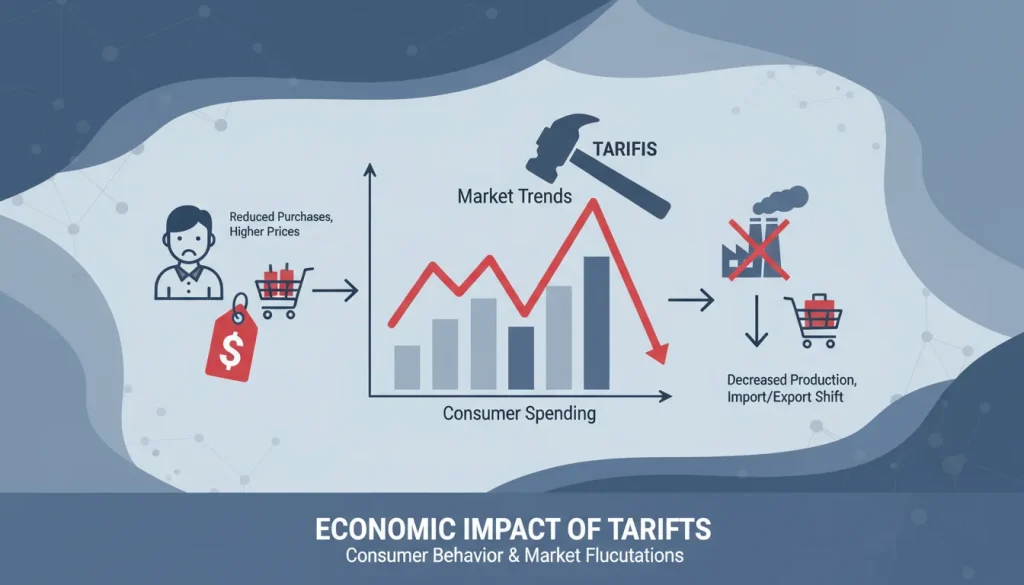
Tariffs influence prices, consumer behavior, supply chains, and global market trends. While they protect domestic industries and stimulate innovation, they also increase costs and economic uncertainty, reshaping long-term spending habits and international trade dynamics.
Tariffs are a key part of international trade policy, frequently popping up in newspapers and on TV reports about relationships between countries. They also play an important role in determining how consumers behave and thus what welfare businesses receive throughout their lives. After all, they can change spending habits, alter market trends and even redefine entire industries over time. These government-imposed taxes on imported goods directly affect prices, availability, and choice, meaning that almost every purchase a consumer makes can be influenced. Understanding the connection between policy and behavior is essential, as Tariffs Influence Consumer decisions in ways that ripple through markets, supply chains, and even domestic production preferences. Over time, these shifts affect brand loyalty, spending patterns, and the overall economic landscape, making it clear that tariffs are far more than a trade tool—they are a major factor in shaping consumer behavior and market dynamics worldwide.
Different Types of Tariffs and Their Meanings
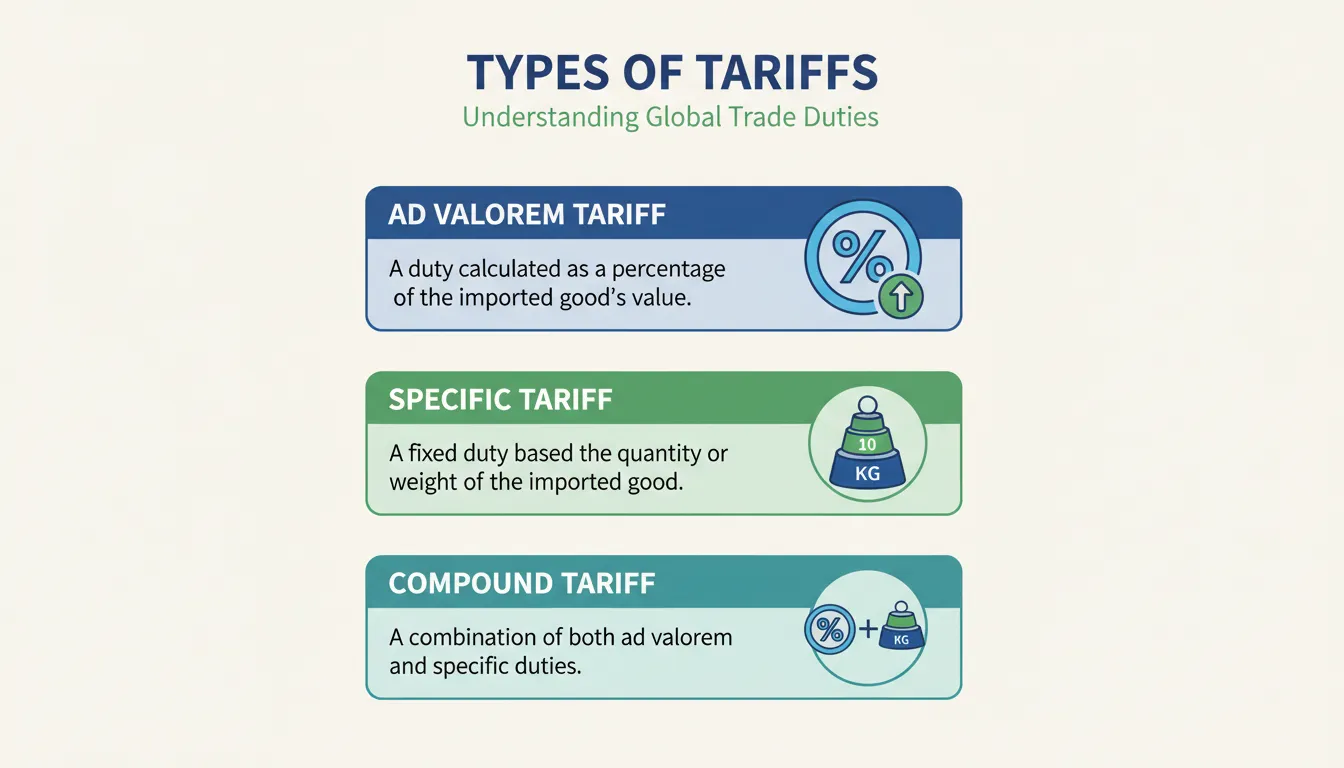
At the outset of seeking to determine their implications it is necessary first to define tariffs. A tariff is basically a tax imposed by the government on goods imported into that country. Officially speaking, tariffs serve several purposes:
- Source of Income: In the past tariffs were a major source of revenue for the government.
- Lifesaver for Local Industry: By making imports more expensive, tariffs encourage domestic production of those items instead. This naturally helps employment.
- Weapon in Trade War: Sometimes, governments use tariffs as a trump card in trade talks or to offset trade imbalances. In practice
While these are very rational reasons, Terms of trade between consumer and producer are where some interesting dynamics are observed.
How Tariffs Affect Behavior of Consumers
When tariffs are imposed, they usually result in changes in the price of imported products. Inevitably, this causes a ripple effect on consumer behaviour and impacts it in several ways. For example, much like how shifts in digital strategies such as influencer marketing can reshape how consumers interact with brands, tariffs alter consumer spending patterns by influencing cost, availability, and perceived value.
Higher Prices of Imported Goods
Yes, one in sight change that everyone can see is the greater expense for items imported. For example, if steel is tariffed, then any commodity which uses steel will have raised prices—cheap steel gets scarce, no guy wants to keep building houses without it.
Impact on Consumers:
- Higher Prices: Whatever the purchase, from electronics or clothing to cars or anything in between, consumers have to put up with higher prices at check-out, thanks to tariffs.
- Change in Habits: In order to resist the higher costs, consumers may search out alternative products within their own domestic market or in foreign markets, which are lower price substitutes.
- Less Consumption: As a result, consumers will stop buying some items altogether if the price goes up too much.
Brand Loyalty Versus Price Sensitivity
With tariffs, consumers’ loyalty to their preferred brands comes under trial. Think of it–you are hooked on Italian designer handbags. With the tariffs, those bags go up by 25% in price. Are you willing to swallow the additional cost, or would you rather switch to something made more locally?
Point:
Even though some loyal customers will stick to its brand no matter how high the price, for many people, it has to be cheaper before they switch brands.
Changing Attitudes Toward Domestic Products
Another effect of tariffs is to subtly encourage domestic consumers towards domestic products, although it may not be immediately apparent. With foreign products more expensive, domestically available alternatives begin to look more attractive—even if that product had not been as competitive as a foreign one in terms of quality and reputation.
The After-effects on Market Trends
While tariffs have a direct bearing on consumers, they also influence market trends. As the industry adjusts to changes in cost, supply chain and demand, new patterns emerge.
Encouraging Domestic Production
The aim of tariffs is to encourage production at home by making foreign competition suffer for it. When there is a large tariff, companies often find it much easier to manufacture goods inside than to have to pay such high import duties.
Market Trend Insight:
Reduced external imports and increased domestic production are expected to result in a redistribution of wealth and job growth for manufacturing sector workers. This trend, however, also heralds increased competition within regional industries as companies must improve efficiency and product quality to keep up with global standards.
Changes in Supply Chain
The extremely complex nature of global supply chains, in which components are sourced from every corner of the globe, is easily disrupted when tariffs are imposed. For example, companies affected by steel or aluminium tariffs may look for suppliers in non-tariffed regions or turn to local materials.
Trend Impact:
Remote partners will become strategic importers, as businesses will be eager to avoid dependence on production hubs in countries where tariffs apply while seeking out regional allies instead.
Increase in Substitutes or Alternatives
With tariffs pushing up costs, markets innovate alternatives. For example, a tax on imported dairy products can not only stimulate domestic food companies to invest more effort in product development but also to create milk substitutes like almond or oat milk.
Real-life Case:
Tariffs on Chinese solar panels imposed by the U.S. in 2018 led to a surge of activity in alternative renewable energy materials at home.
Changes to International Trade Arrangements
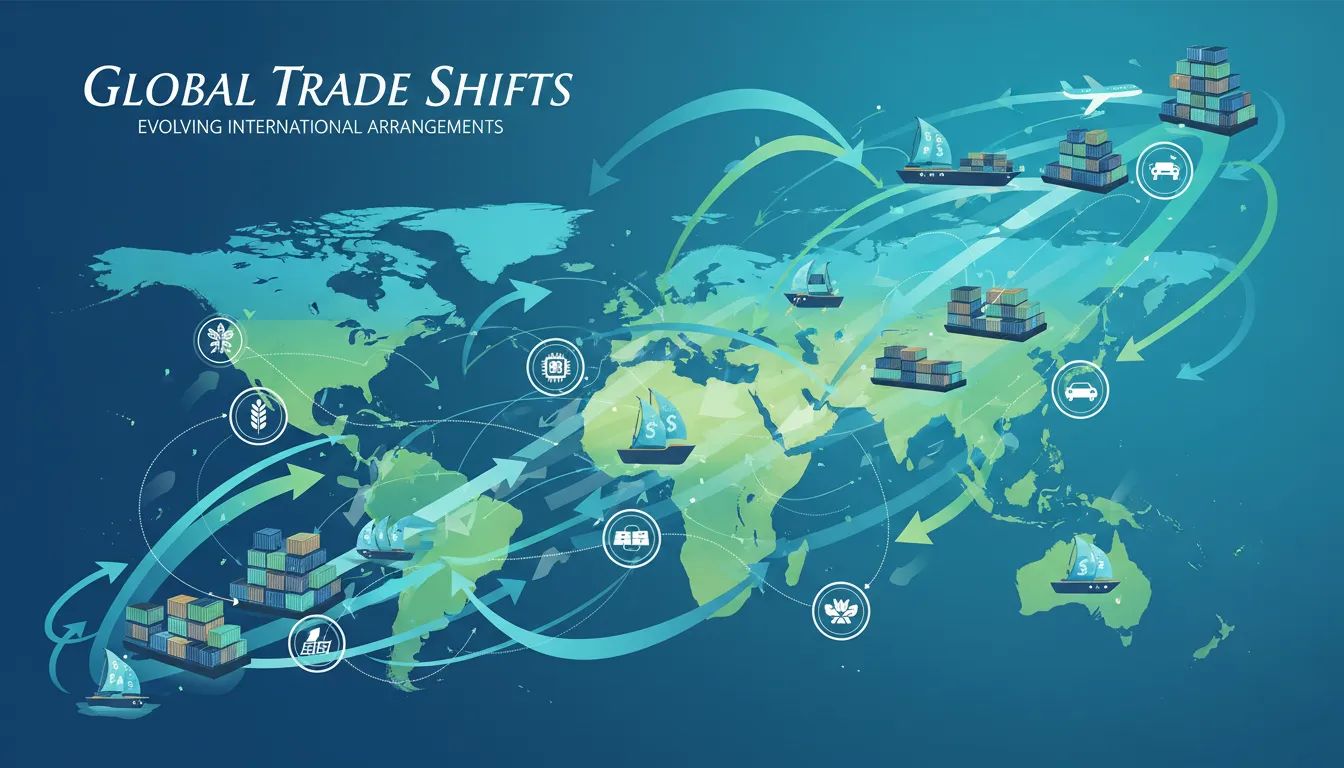
Tariffs can also recast international trade relationships. Countries may seek alternative trading partners or renegotiate terms of trade in order to relieve the financial pressure. Companies will respond by taking their products into new markets, for example, when foreign tariffs on goods mean that they are not sellable abroad.
Evolving Trend:
When businesses that face export restrictions are forced to siphon off their production capability, they are often driven to emerging markets or regions with fewer restrictions. This opens up new opportunities globally, especially as companies adopt innovative strategies like faceless digital marketing to enter and engage with these new markets more efficiently.
Any Positive Effects of Tariffs?
Although tariffs often evoke fears of higher prices and strained trade relations, some positive consequences can be discerned:
- Creation of jobs at home: Demand for independent production at home will benefit such industries as agriculture, construction, printing, and automotive.
- Economic self-sufficiency is also a result of the development of local industries. Type of inquiries Kurabiye. net, as we get more local, we are less bound to resources from faraway countries.
- Better Trade Agreements: Oftentimes, tariffs are taken as a signal from the trading partner to renegotiate agreements. In the end, it may benefit both producers and consumers.
Downside Risks in Tariffs
However, these benefits can also lead to risks. Some of the downsides include:
- Inflationary Pressure: With higher prices being charged on imported goods comes a general rise in price level, thus reducing consumers’ purchasing power.
- Trade Wars: Tariffs may well trigger action for retaliation from other countries joinied the World Trade Organization; this may cause worsening trade relations and bring economic uncertainty.
- Fewer Choices: Consumers have less variety, especially when it comes to limited-sourced luxury items from abroad.
What It All Means for Businesses and Consumers
Understanding how tariffs affect the behaviour of current actors in that market can benefit both businesses and consumers:
- Businesses must remain flexible. They must carefully watch for and adjust pricing, sources of supply, and marketing strategies in light of any changes due to tariffs on goods.
- Consumers should use their resources. This may mean looking for alternatives among products not subject to the tariff or changing their buying habits to get the most important and most sought-after items.
By staying ahead, both businesses and the individual can turn the challenges of new tariff rules into chances for growth and reinvigoration.
Making Plans for the Future: When Tariffs Come Into Play
As global trade continues to evolve, tariffs are a fact of life. Whether you’re running a company or simply a smart shopper, acknowledging their influence can help you make more informed decisions.
Think tariffs are perplexing? They don’t have to be. Learn how to keep up constantly with market trends and cleverly change course by looking around our guides created for professionals and savvy consumers alike.
Consumer Confidence and Economic Psychology
Tariffs often generate uncertainty in financial markets. News about trade disputes or rising import taxes can reduce consumer confidence. When households feel uncertain about future prices or employment stability, they reduce discretionary spending. This cautious behavior impacts industries such as travel, luxury goods, and entertainment. Psychological perception sometimes has a stronger effect than actual tariff rates. Transparent policy communication and economic stability are crucial in maintaining confidence during tariff adjustments.
Digital Commerce and Cross-Border E-commerce
E-commerce platforms feel immediate effects from tariff changes. Cross-border online shopping becomes more expensive when duties apply at checkout or delivery. Consumers may abandon foreign sellers and favour local online stores. Global platforms adapt by establishing regional warehouses to reduce import costs. This transformation accelerates localization strategies in digital commerce. As tariffs reshape online trade flows, digital businesses must rethink fulfilment models, pricing transparency, and customer experience to maintain competitiveness.
Innovation and Product Substitution
Tariffs frequently stimulate innovation. When imported goods become expensive, businesses invest in alternative materials or technologies. For instance, tariffs on certain agricultural products may encourage plant-based substitutes. Similarly, restrictions on foreign tech components can accelerate domestic research and development. Innovation helps industries reduce dependency on imports. However, research investment requires time and capital, meaning short-term price increases often precede long-term adaptation. Ultimately, tariffs may unintentionally drive technological advancement.
Global Supply Chain Diversification
Modern supply chains are interconnected across continents. Tariffs disrupt these networks, forcing companies to diversify sourcing strategies. Businesses seek suppliers in tariff-free regions or nearshore production hubs to minimize costs. This diversification reduces reliance on single-country manufacturing dominance. Over time, global trade patterns shift toward regional clusters. While diversification enhances resilience, restructuring supply chains involves transitional costs that may temporarily raise consumer prices.
Tariffs and Competitive Market Dynamics
Tariffs can alter competitive balance within industries. Domestic producers gain temporary protection from foreign competition. However, reduced competition may decrease incentives for innovation and cost efficiency. In contrast, companies exposed to tariffs often become more competitive globally as they seek efficiency improvements. The long-term impact depends on how industries adapt. Markets with healthy competition and innovation tend to benefit more sustainably than those relying solely on protectionism.
NFT Marketing and Tariff-Resilient Digital Assets

Unlike physical goods, NFTs and digital assets are not directly affected by traditional import tariffs. This creates interesting implications for NFT marketing and digital commerce. As tariffs increase the costs of physical collectables or luxury imports, consumers may shift interest toward digital ownership. NFT projects can leverage this shift by promoting borderless, tariff-free digital assets. Blockchain-based goods eliminate customs duties and shipping barriers. In times of trade restrictions, digital economies may experience increased adoption. However, NFT markets remain influenced by broader economic conditions and investor sentiment.
Conclusion
Tariffs play a powerful role in shaping consumer behaviour, pricing strategies, domestic production, and global market trends. While they can protect industries and stimulate innovation, they also create higher prices and economic uncertainty. Understanding their broader implications allows businesses to adapt strategically and helps consumers make informed purchasing decisions in an evolving global economy.
FAQs About Tariffs and Consumer Behaviour
1. What is a tariff?
A tariff is a government-imposed tax on imported goods, intended to regulate trade, protect domestic industries, and influence consumer purchasing behavior. It can affect prices, product availability, and market competitiveness.
2. Why do governments impose tariffs?
Governments impose tariffs to generate revenue, shield local industries from foreign competition, reduce trade deficits, or strengthen negotiating positions in trade agreements. Tariffs also serve as strategic tools in international economic diplomacy.
3. How do tariffs affect consumers?
Tariffs often increase product prices, limit available options, and influence spending habits. Consumers may switch to domestic alternatives, delay purchases, or reduce consumption, depending on how significantly prices and availability are impacted.
4. Do tariffs always cause inflation?
Not always, but extensive or widespread tariffs can contribute to inflation by raising costs for imports and raw materials. This price increase often flows through to end consumers, affecting overall purchasing power.
5. How do tariffs impact small businesses?
Small businesses can be heavily affected by tariffs because higher import costs reduce profit margins. They may struggle to compete with larger companies or need to find alternative suppliers to remain viable and competitive.
6. Can tariffs create jobs?
Yes, tariffs can encourage domestic production, leading to job creation in local industries. However, employment benefits may vary depending on sector efficiency, cost competitiveness, and the ability of companies to expand production domestically.
7. What is a trade war?
A trade war occurs when countries impose retaliatory tariffs against each other, escalating trade tensions. This can disrupt global markets, affect supply chains, and increase costs for consumers and businesses alike.
8. Do tariffs affect global supply chains?
Yes, tariffs disrupt supply chains by increasing costs for imported goods. Companies often restructure sourcing strategies, diversify suppliers, or shift production to regions with lower or no tariffs to maintain competitiveness.
9. How do tariffs influence market trends?
Tariffs can shift demand toward domestic goods, stimulate innovation in substitutes, and alter investment patterns. Businesses adapt pricing, sourcing, and production strategies to remain competitive, ultimately reshaping industry trends over time.
10. Are digital goods affected by tariffs?
Most digital goods, including NFTs and online software, are generally exempt from traditional import tariffs. However, indirect effects such as reduced consumer spending or exchange rate fluctuations may still influence demand for digital products.
11. How can consumers respond to tariffs?
Consumers can respond by comparing alternatives, seeking domestic substitutes, budgeting carefully, or adjusting purchasing habits. Staying informed about tariff policies helps make cost-effective, strategic decisions when buying goods affected by tariffs.
12. Are tariffs permanent?
No, tariffs are not necessarily permanent. They can be increased, reduced, or removed depending on political negotiations, trade agreements, and economic circumstances. Consumers and businesses must monitor changes to anticipate impacts.