How Red Bull Uses Influencer Marketing to Energize Its Brand
Red Bull combines athletes, lifestyle influencers, micro-creators, events, and NFTs to build brand authenticity, engage audiences, and foster community. Storytelling, co-creation, and digital strategies exemplify cutting-edge influencer marketing.
Red Bull is not just an energy drink. Known for extreme sports, high-octane events and bold marketing, it has achieved global brand recognition. One of its most potent tools that runs behind its bold campaigns is the collaboration with influencers.
We then break down how Red Bull integrated influencers into their marketing mix in this blog here. From extreme athletes to social media icons, we’ll reveal how personalized partnerships help solidify Red Bull’s brand and boost audience attention. This guide will help you whether you work in marketing or you are genuinely curious about what makes Red Bull so unique.
Creating a Brand Rooted in Adventure
Now, in order to digest how Red Bull infuses influencers in to its strategy, the first thing we need to do is to sync in with its brand philosophy. More than an energy drink company. It peddles a lifestyle of adventure, accomplishment and pushing the limits. The company has been very successful in associating itself with high-octane, adrenaline-fueled communities – sponsoring everything from Red Bull Rampage to the Red Bull Air Race.
This positioning instantly opens the door to very differentiating influencer partnerships. This is the kind of lifestyle that Red Bull collaborates with people who inspire this lifestyle so it gives a good message that it lives up to the brand itself. But how does it find and work with influencers? To understand the broader impact of influencer marketing and how to leverage it effectively, check out our complete guide on the success of influencer marketing.
Bringing the Brand to Life with Accompanying Athletes
Academically, Red Bull is dependent on athletes as influencers. Not just people who shill the product, but athletes who embody the essence of the brand, a life of adventure and adrenaline. Red Bull work with a variety of disciplines from mountain biking, snowboarding and skateboarding to motocross.
Athlete Case Study: Nikita Ducarroz
Such is the case with Nikita Ducarroz, a BMX freestyle rider on the Red Bull athlete roster. Her amazing success and understanding path resonates with aspiring BMX riders and more casual fans. Red Bull doesn’t just throw a logo on her helmet and then walk away. As part of the collaboration, they are creating content that showcases Nikita, from high-production stunt videos to how she prepares for competitions behind the scenes.
Long-term partnerships with athletes allow Red Bull to create a stronger and more relevant bond with its target markets.
Partnerships That Go Beyond Logos Sponsorship-Converted
Instead of just putting a logo on a shirt or a car, Red Bull approaches sponsorships by crafting stories for specific audiences. Between cinematic video edits, interactive social media campaigns, and the live-event performance of these athletes, their association does not feel forced and pseudo-commercialised.
Social Media Influencing the Way
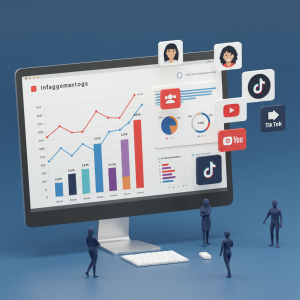
Though athlete partnerships are the cornerstone of Red Bull’s strategy, social media influencers have recently become a pivotal element. These influencers are already well-equipped with platforms like Instagram, TikTok, and YouTube, and give Red Bull a much quicker access to attract the younger, digital audience.
Mixture of Lifestyle Influencers With Wide Reach
Your lifestyle influencers, like fitness or travel creators, are a way into the lifestyle side of the content for audiences who might not be hardcore extreme sports fans but still embody Red Bull’s ethos of action and adventure. For example, Red Bull partners with fitness influencers showing how the drink fits into their active lifestyles, or travel influencers to showcase the moments of exploration powered by Red Bull.
Work With Micro-Influencers For Niche Contacts
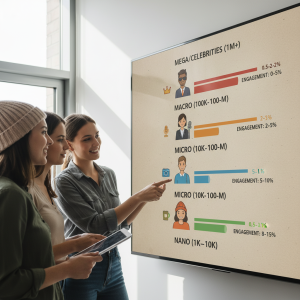
Instead of working exclusively with mega athletes or international influencers, Red Bull also utilises micro influencers who have a deep connection with their respective small communities. They may have a smaller audience, but their audiences are very targeted. For example, a not-so-popular rock climber may gain attention in their community by demonstrating how Red Bull powers their climbs.
The relatability of micro-influencers could help consumers connect with them more, therefore putting more weight behind micro-influencer endorsements for niche demographics. This strategy further reinforces Red Bull’s event-driven, grassroots marketing strategy.
Opportunities for Co-Branded Content Creation
Now, Red Bull never viewed influencers simply as a promotional channel, but as a part of Red Bull that participates in the making of their content. These unique consumer insights, paired with the creative skills of influencers enables the brand to co-create videos, live stream events, or exclusive behind-the-scenes content with the participating influencers.
Red Bull Media House x Long-Form
The secret sauce behind this content creation success is Red Bull Media House, an in-house production facility that collaborates closely with influencers to create world-class videos and documentaries. Partnerships with athletes have yielded classic films such as The Art of Flight and positioned Red Bull not only as a brand but as a content producer as well.
These collaborations serve a dual purpose, also spotlighting Red Bull products, but also creating storytelling moments that form deeper emotional connections with fans.
Memorable Event Element/Engagement
An example of something Red Bull does best when it comes to marketing strength — putting the world into the real world with spectacles you can witness in cities and venues across the globe, including Red Bull Flugtag or Crashed Ice. In that way, Red Bull creates memorable interactions between influencers and fans through these events.
Influencer Spotlight at Live Events
These events are often fronted by influencers who offer live commentary or headline the performance. It forges an aspirational link for audiences; seeing someone they admire so closely linked to the brand reinforces Red Bull’s image as one that is adventurous and pushes boundaries.
Social Amplification — Aligning Events With Social Channels
The influencers’ participation goes beyond an appearance in the event program. They then use their own social platforms to organically hype up the event-related stories and experiences amongst their followers.
Getting In Line With The Collective Perspective
Across Red Bull’s influencer marketing successes, there is clearly a strong theme woven: community. From sponsoring an inspiring athlete to developing engaging assets to creating lasting live experiences, Red Bull is well-versed in cultivating a passion-driven, loyal following.
Red Bull does not simply advertise a product through influencer partnerships. A consumer is invited into a lifestyle of energy, excitement and aspiration.
Red Bull Influence Model3.
Marketers hoping to apply the influencer marketing successes of Red Bull will be able to take away lessons from the case, which might just help them achieve a similar effect to that of Red Bull. The following are some actionable takeaways from their playbook:
- Force Authenticity: Only work with influencers who actually fit your brand values and the expectations of your target outcomes.
- Content is King: Partner with creators to produce compelling, appealing, and platform-tailored content that clicks.
- Build Community: Give fans a place to engage with both Influencers and your Brand beyond social media.
Lifestyle Influencers for Broad Appeal
Red Bull collaborates with lifestyle influencers in fitness, travel, and adventure niches. These influencers showcase how the brand complements active, aspirational lifestyles, even outside traditional extreme sports.
For example, travel influencers integrate Red Bull into adventure narratives, while fitness creators highlight energy and performance benefits. This strategy introduces Red Bull to audiences who might not follow BMX, snowboarding, or motocross, extending the brand’s lifestyle image. By blending mainstream lifestyle with high-energy pursuits, Red Bull reinforces its ethos while appealing to both niche and broad audiences.
Micro-Influencers for Targeted Engagement
Red Bull also leverages micro-influencers, who have smaller but highly engaged communities. These niche creators offer credibility and relatability, often converting followers more effectively than larger celebrities.
Micro-influencers help the brand reach specific subcultures, such as rock climbers, BMX enthusiasts, or local sports communities. By supporting micro-influencers, Red Bull fosters grassroots engagement, increases authenticity, and strengthens its community-driven marketing approach. These partnerships complement mega-athlete campaigns by creating hyper-targeted content that resonates deeply with audiences.
Co-Creation and Content Production
Red Bull treats influencers as collaborators rather than simple promotion channels. Through co-created content—videos, live streams, and behind-the-scenes features—Red Bull blends influencer creativity with its in-house production expertise.
Red Bull Media House enables world-class storytelling, producing documentaries and cinematic experiences such as The Art of Flight. By combining influencer insight with professional production, Red Bull delivers engaging, high-quality content that entertains, inspires, and subtly markets its products while maintaining authenticity and brand alignment.
Live Events and Experiential Marketing
Red Bull engages audiences through live events like Flugtag and Crashed Ice. Influencers play a key role in these experiences, offering live commentary or participating in performances.
These events create memorable interactions between influencers and fans, allowing consumers to experience the brand first-hand. When shared on social media, these live moments amplify reach and engagement. The combination of real-world experiences and influencer storytelling strengthens emotional connections, reinforces brand identity, and encourages community participation.
NFT Integration and Gamified Engagement
Red Bull explores NFTs and gamified campaigns to enhance engagement and loyalty. Fans can earn limited digital collectables tied to events, challenges, or purchases, creating exclusivity and deeper involvement.
NFTs project can include behind-the-scenes footage, special access to athletes, or digital memorabilia from live events. These innovative campaigns attract tech-savvy audiences, incentivize interaction, and strengthen Red Bull’s reputation as an innovative, lifestyle-driven brand. By merging digital ownership with real-world experiences, Red Bull adds a futuristic, collectable dimension to influencer marketing strategies.
Building Community Through Influencer Collaboration
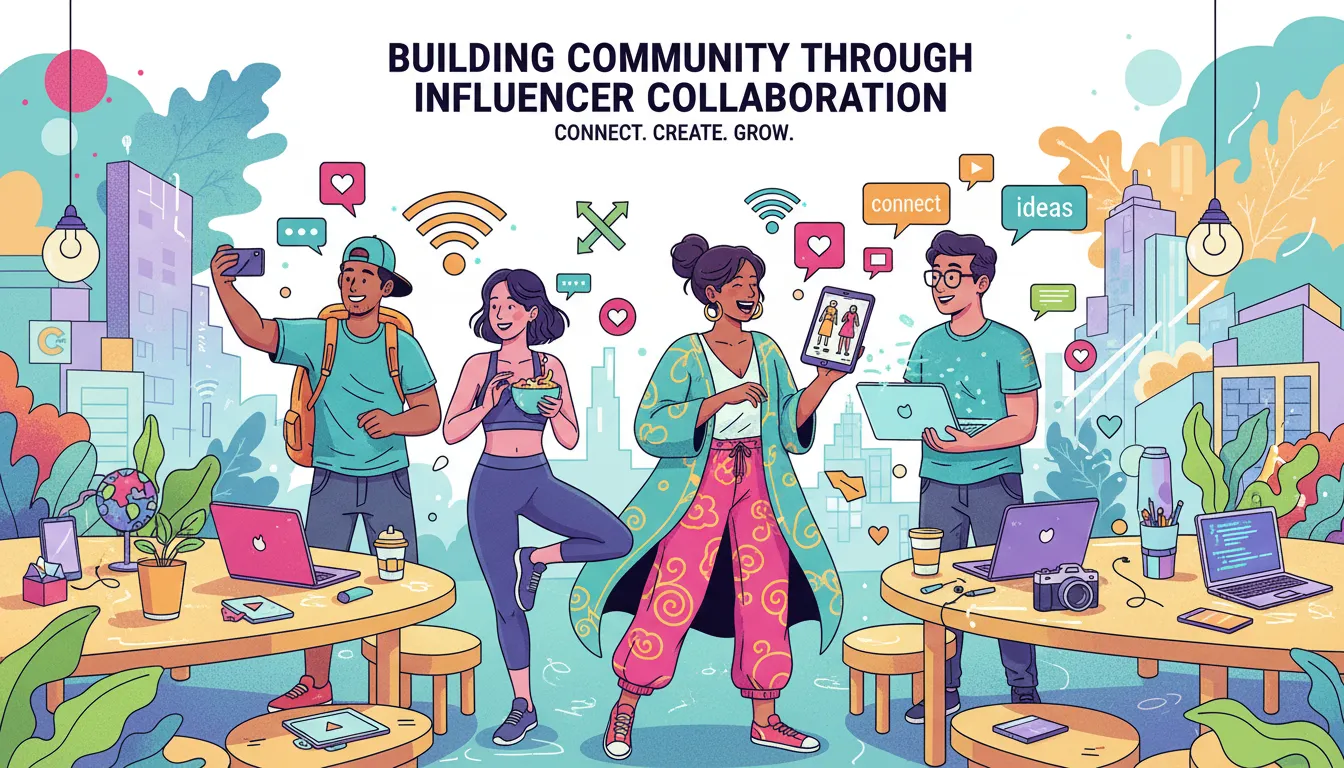
Across campaigns, Red Bull prioritizes community. Influencers create content, engage with audiences, and strengthen brand loyalty. Fans don’t just consume content—they interact, comment, and share experiences.
Through consistent collaboration, Red Bull fosters a sense of belonging among followers. Community-focused strategies make the brand feel approachable and participatory, reinforcing loyalty and advocacy. Influencer partnerships help the brand transcend product promotion to become a lifestyle movement, engaging fans across sports, lifestyle, and digital channels.
Level Up On Your Influencer Strategy
The influencers Red Bull works with are best-in-class examples of how to execute authentic partnerships and brand alignment. When you implement some of these strategies in your brand, too you can, through influencer marketing usage factors, gain the best credibility, brand awareness, and engagement.
Need more influencer strategy advice? Keep reading and check out more best practices for marketers in our blog archive.
Conclusion
Red Bull leverages influencers across athletes, social media, lifestyle niches, and micro-communities to drive authenticity, engagement, and brand loyalty. Their innovative campaigns, events, and NFTs exemplify modern experiential marketing.
FAQs About Red Bull Influencer Marketing
1. What makes Red Bull’s influencer marketing strategy unique?
Red Bull combines extreme athletes, lifestyle creators, micro-influencers, cinematic storytelling, and high-impact events across multiple platforms. Instead of simple sponsorships, the brand builds immersive experiences that align perfectly with its adventurous identity and long-term community-building goals.
2. Who are Red Bull’s core influencers?
Its core influencers include extreme sports athletes, adventure personalities, digital content creators, and niche micro-influencers. These partners genuinely reflect the brand’s high-energy lifestyle, ensuring credibility, authenticity, and strong audience alignment across diverse global markets.
3. How does Red Bull use social media effectively?
Red Bull leverages Instagram, YouTube, TikTok, and other platforms to amplify campaigns, stream events, share behind-the-scenes content, and engage younger digital audiences. Influencers extend reach by sharing authentic, experience-driven content with loyal followers.
4. Why does Red Bull focus on co-creating content?
Co-creation allows influencers to maintain creative freedom while aligning with brand messaging. This collaboration produces authentic storytelling, high-quality visuals, and emotionally engaging content that resonates more naturally than traditional advertisements.
5. What role do live events play in influencer marketing?
Events like Red Bull Flugtag or Rampage create unforgettable real-world experiences. Influencers participate, document, and amplify these moments online, strengthening brand visibility while building aspirational connections with global audiences.
6. Why is micro-influencer marketing important to Red Bull?
Micro-influencers provide targeted engagement within niche communities. Their smaller but highly loyal audiences trust their recommendations, increasing relatability and credibility while reinforcing Red Bull’s grassroots and community-driven marketing approach.
7. How are lifestyle influencers integrated into campaigns?
Beyond extreme sports, Red Bull collaborates with fitness, travel, and adventure influencers. These creators showcase how the drink complements active, everyday lifestyles, broadening the brand’s appeal beyond hardcore adrenaline enthusiasts.
8. How does Red Bull Media House support influencer collaborations?
Red Bull Media House produces world-class documentaries, cinematic videos, and branded storytelling content. This professional production elevates influencer collaborations, transforming campaigns into premium entertainment experiences rather than simple promotions.
9. Can NFTs enhance Red Bull’s influencer campaigns?
Yes, NFTs can offer exclusive digital collectibles, special access, and limited-edition rewards tied to events or athletes. This innovation adds gamification, increases engagement, and strengthens loyalty among tech-savvy audiences.
10. How does influencer marketing impact Red Bull’s brand perception?
It reinforces authenticity, energy, innovation, and lifestyle alignment. By partnering with credible influencers, Red Bull positions itself as more than a beverage—it becomes a symbol of adventure, achievement, and community.
11. Are Red Bull’s influencer partnerships long-term?
Many partnerships are long-term, enabling consistent storytelling and deeper audience trust. Ongoing collaborations feel more genuine and strengthen emotional connections between athletes, influencers, and fans.
12. Can smaller brands apply Red Bull’s influencer model?
Yes. While budgets differ, smaller brands can replicate the strategy by prioritizing authenticity, strong brand alignment, storytelling, and community engagement instead of relying solely on large follower counts.