Instagram Influencer Marketing Guide

Instagram influencer marketing helps brands build trust, reach engaged audiences, and drive conversions through authentic creator partnerships. When aligned with strategy and creativity, it delivers sustainable growth across industries, including NFTs and e-commerce.
At present, Instagram has become a powerful marketing platform, in addition to being a simple photo-sharing app. On Instagram, major brands who have come together to collaborate with trusted voices in front of substantial audiences have transformed the social media landscape. Instagram has a monthly worldwide use over 2 billion television shows. Businesses find new communities among this app that cannot be found elsewhere.
What’s Instagram Influencer Marketing?
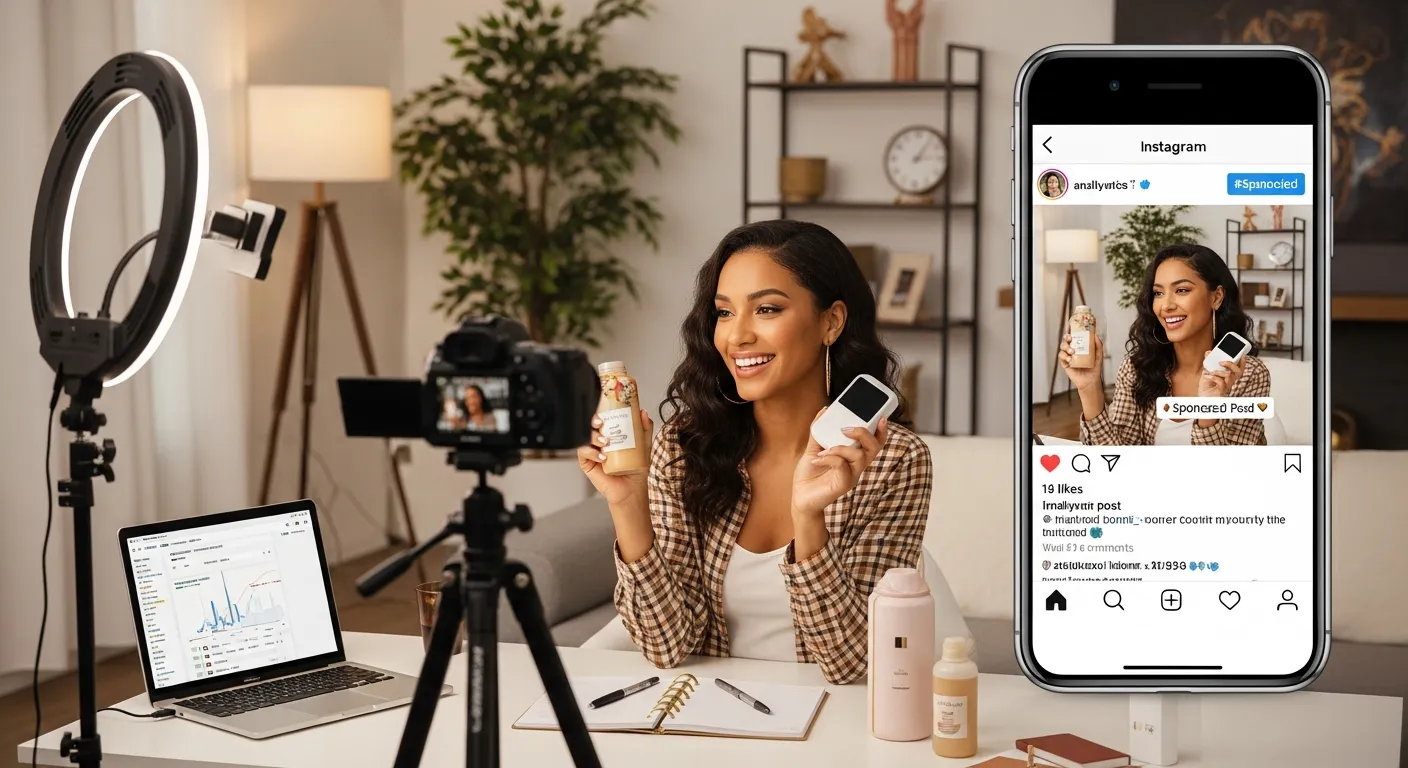
Sustainability-based Instagram influencer marketing involves the partnership of content creators who have built an audience on the platform. These influencers take your brand, products, or services and lay into truly unique content for their followers. They then integrate this authentic content by speaking through endorsements to better effect.
Influencer marketing is worlds apart from the advertising of bygone days in. When an influencer endorses a product, their audience will regard it as an independent review rather than a sales pitch or advertisement with little credibility.
The Power of Influence on Instagram
Brands can use Instagram’s visual nature for product demonstrations, lifestyle content, storytelling in great detail, and so forth. With features like Stories and Reels that are directly embedded in complete-at-once videos or live streaming, real-time adaption capabilities are perfect for all kinds of brand needs and demands.
User engagement is key on Instagram. Influencers’ content is thus particularly valuable. High-quality posts from influencers often achieve greater reach and a better interaction rate than traditional brand publishing.
Types of Instagram Influencers
Knowing the different influencer categories helps you find the right partners for your brand objectives and budgets.
Nano-Influencers (1K-10K followers)
A nano influencer offers engagement rates more than any other kind of influencer and the most authentic connections with their audiences. Its smaller follower base makes each interaction seem personal and real.
These influencers work well for local businesses, niche products, or brands looking for authentic testimonials. They tend to be less expensive than their larger counterparts and more open around doing creative projects together in a collaborative spirit.
Micro-Influencers (10K-100K followers)
Micro-influencers sit at the point where reach becomes an appropriate balance with effort. They’ve built substantial followings while remaining real and engaged with people.
Many micro-influencers have their own niches—say wellness, beauty, or tech. Each one of these makes them particularly well-suited for brands wanting to target those demographics.
Macro-Influencers (100K-1M followers)
Macro-influencers reach a large audience yet still maintain strong engagement rates. They have developed professional content creation skills and understand brand partnership dynamics.
These influencers are perfect for brands trying to achieve more widespread public recognition or launch new products into large markets.
Mega-Influencers (1M+ followers)
Mega-influencers—like movie stars and major content creators—achieve enormous reach. However, this comes at a price: both higher costs and lower engagement rates per person reached.
They are ideal for brand launches that are major undertakings, worldwide campaigns, or where you need to reach millions in short order.
Building Your Instagram Influencer Marketing Strategy

To succeed, your structure must be in accord with both business objectives and brand values.
Define Your Goals
Establish clear, measurable objectives. Typical goals are:
-
Raising brand awareness
-
Driving traffic to a website
-
Upping sales or conversions
-
Increasing Instagram followers
-
Launching new products
-
Improving brand credibility
Identify Your Target Audience
Think in terms of:
-
Age and sex
-
Location
-
Interests
-
Occupation
-
Spending habits
-
Values
Set Your Budget
Your budget should be:
-
Realistic
-
Affordable
-
Include:
-
Influencer fees
-
Product costs
-
Campaign management
-
Content creation tools
-
Performance tracking software
-
Finding the Right Instagram Influencers
Discovering influencers who are a good fit requires more than follower count.
Use Instagram’s Search Features
-
Search relevant hashtags
-
Check local tags
-
Analyze competitor interactions
-
Explore suggested similar accounts
Use Influencer Platforms
-
AspireIQ – Influencer casting
-
Grin – Influencer relationship management
-
Upfluence – Analytics and tracking
-
Creator.co – Authentic partnerships
Evaluate Influencers
-
Engagement Rate: Aim for 1–5%
-
Audience Authenticity: Look for real comments and likes
-
Content Quality: Professionalism and message clarity
Brand Alignment: Ensure values and style match your brand
Instagram Influencer Marketing for E-commerce Brands
For e-commerce businesses, influencer marketing shortens the buyer journey. Shoppable posts, product tags, and Instagram Checkout enable seamless purchases directly from influencer content. Influencers demonstrate real-life product use, reducing hesitation and increasing conversion rates. User-generated content from influencer campaigns can also be repurposed across ads, websites, and emails, maximizing ROI. When executed well, influencer marketing becomes a powerful revenue driver for online brands.
Creating Compelling Influencer Campaigns
Develop a Campaign Brief
Include:
-
Campaign objectives
-
Brand message
-
Visual guidelines
-
Required hashtags & FTC disclosures
-
Content preferences (e.g. Reels, Stories)
-
Timelines and delivery
-
Content usage rights
Content Format Strategies
-
Feed Posts: Long-term visibility
-
Stories: Authentic and raw
-
Reels: High reach, viral potential
-
IGTV: Detailed reviews and storytelling
Types of Teamwork
-
Paid Partnerships: Controlled messaging
-
Product Gifts: Honest reviews
-
Affiliate Programs: Performance-based
-
Long-Term Ambassadorships: Authentic, ongoing content
Measuring the Success Of Instagram Influencer Marketing
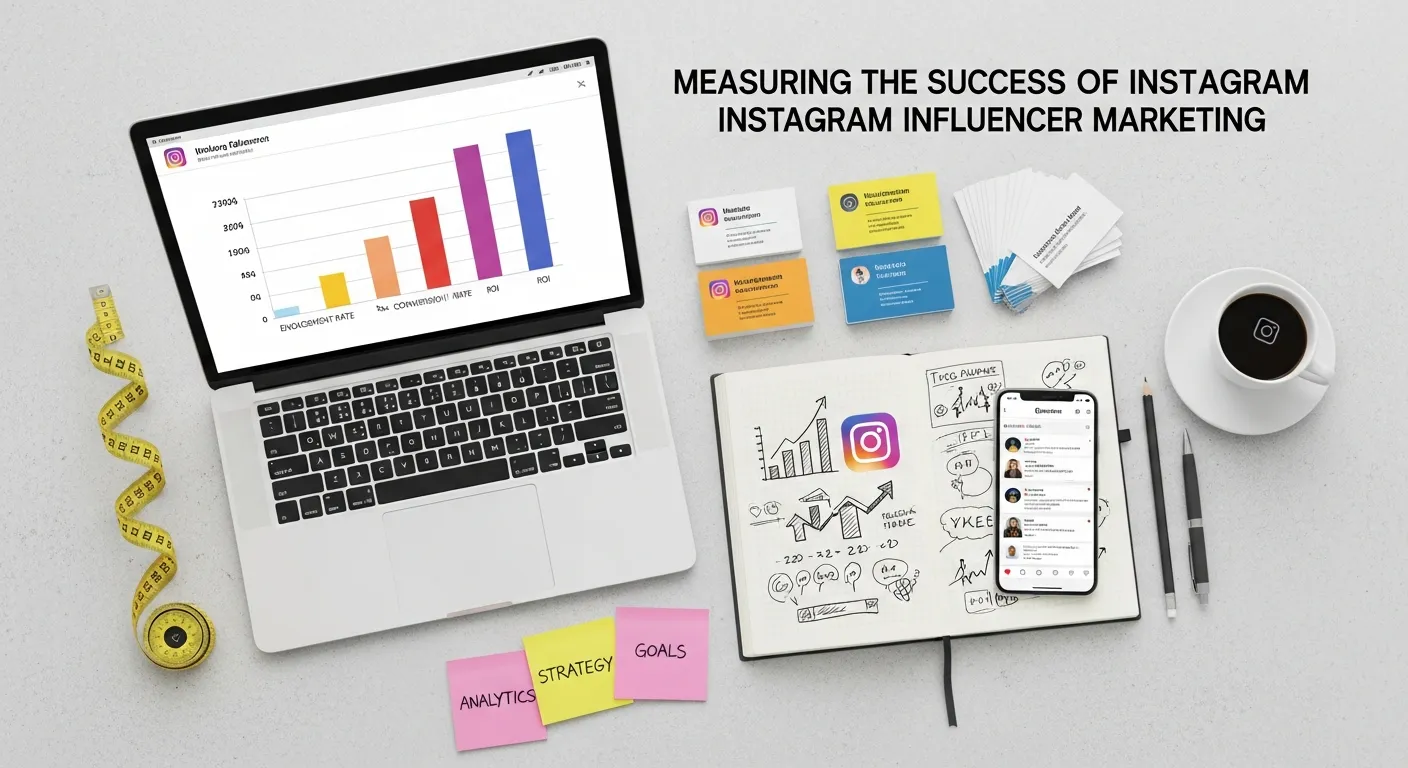
Key Performance Indicators
-
Reach and Impressions
-
Engagement Metrics
-
Website Traffic (with UTM links)
-
Conversions and Sales
-
Brand Mention Sentiment
Tools For Tracking Performances
-
Instagram Insights
-
Google Analytics
-
Social Listening Tools
-
Influencer Marketing Platforms
Return On Investment Calculation
-
Cost per engagement/acquisition
-
Customer lifetime value
-
Brand awareness impact
-
Ongoing engagement growth
Best Practices For Instagram Influencer Marketing
-
View influencers as partners, not just channels
-
Allow creative freedom while maintaining brand consistency
-
Follow FTC guidelines (#ad, #sponsored)
-
Focus on long-term relationships
-
Diversify influencer sizes and niches
Common Instagram Influencer Marketing Mistakes
-
Choosing based only on follower count
-
Over-controlling creative direction
-
Ignoring fake followers
-
Vague briefs or unclear expectations
The Future of Instagram Influencer Marketing
Emerging Trends
-
Video content dominance (especially Reels)
-
Integrated shopping in posts
-
A shift toward authentic recommendations
-
Niche influencer growth
Preparing for Change
Stay agile with new features, maintain diverse influencer partnerships, and invest in genuine, two-way collaborations.
NFT Marketing Through Instagram Influencers (NFT-Relevant Section)
Instagram plays a growing role in NFT marketing by connecting creators with mainstream and crypto-native audiences. Influencers help explain NFT utility, showcase digital art, and build community trust—crucial in Web3 spaces. Visual storytelling is ideal for NFT previews, roadmap highlights, and behind-the-scenes creation. Influencers also drive traffic to Discord servers, mint pages, and marketplaces. For NFT projects, influencer marketing supports education, global reach, collector engagement, and long-term community growth through authentic storytelling rather than hype alone.
Start Your Instagram Influencer Marketing Journey
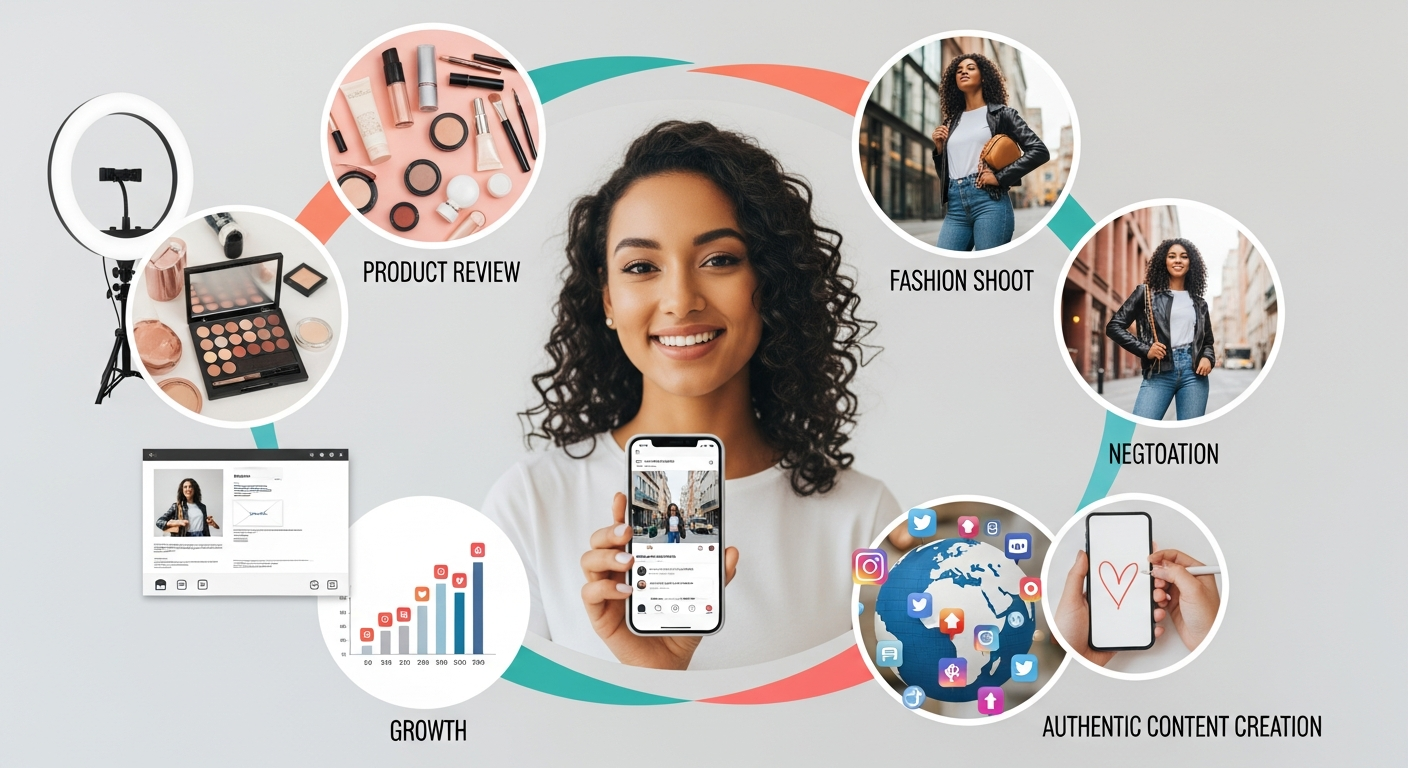
With Instagram influencer marketing, companies can reach highly involved audiences represented by people they trust. More than anything, however, it means the business must meet audiences on their terms.
Start by defining your objectives and target audience. Research influencers for engagement and brand alignment, and craft compelling campaigns that empower creativity. Measure results, refine as needed, and focus on long-term, authentic relationships.
The most successful campaigns feel natural—focused on wins for both the influencer and their followers, which means brand awareness, interaction, and sales for you.
Conclusion
Instagram influencer marketing is no longer optional—it’s a core growth strategy. By partnering with the right creators, brands can build trust, expand reach, and drive conversions. Success depends on authenticity, strategic planning, and long-term collaboration. When influencers and brands align, the result is meaningful engagement, loyal communities, and measurable business impact.
FAQs
1. What is Instagram influencer marketing?
Instagram influencer marketing is a digital strategy where brands collaborate with content creators who have established trust and credibility with specific audiences. Influencers promote products or services through authentic posts, Stories, or videos that feel natural rather than promotional. This approach leverages social proof and peer influence to drive awareness, engagement, and conversions more effectively than traditional advertising.
2. Why is influencer marketing so effective on Instagram?
Instagram is a highly visual platform designed for storytelling, lifestyle content, and discovery. Features like Reels, Stories, Lives, and shopping tools allow influencers to showcase products in real-life contexts. Because followers actively choose to engage with influencers they trust, recommendations feel genuine, resulting in higher interaction rates and stronger purchase intent.
3. Is Instagram influencer marketing suitable for small businesses?
Yes, it is especially effective for small businesses. Nano- and micro-influencers offer affordable collaboration opportunities while maintaining strong engagement rates. Small brands can reach niche, highly relevant audiences without large advertising budgets, making influencer marketing a scalable and cost-efficient growth strategy.
4. How do brands choose the right influencer?
Brands should evaluate more than follower count. Key factors include engagement rate, audience demographics, content consistency, authenticity of comments, and alignment with brand values. Reviewing past collaborations and content quality helps ensure the influencer’s audience matches the brand’s target market and messaging style.
5. Are nano-influencers actually effective?
Yes. Nano-influencers (1K–10K followers) often have the highest engagement rates and the most personal relationships with their audience. Their recommendations feel relatable and trustworthy, making them ideal for local businesses, niche products, and brands seeking authentic testimonials rather than mass exposure.
6. What type of content performs best in influencer campaigns?
A mix of formats performs best. Reels offer the highest reach and discovery, Stories create urgency and authenticity, and feed posts provide long-term visibility. Campaigns that combine these formats guide audiences from awareness to action more effectively than single-format strategies.
7. How much does Instagram influencer marketing cost?
Costs vary depending on influencer size, content type, exclusivity, and campaign duration. Nano- and micro-influencers may charge low fees or accept product-based collaborations, while macro- and mega-influencers require higher budgets. Brands should focus on ROI rather than upfront cost alone.
8. Can influencer marketing actually drive sales?
Absolutely. Influencer marketing drives sales through trust, product demonstrations, and social proof. Features like shoppable posts, affiliate links, promo codes, and Instagram Checkout allow users to purchase directly from influencer content, significantly shortening the buyer journey.
9. Is influencer marketing measurable?
Yes. Performance can be tracked using reach, impressions, engagement rate, website traffic, conversions, and sales. Tools like Instagram Insights, UTM links, affiliate dashboards, and Google Analytics help brands measure campaign effectiveness and optimize future collaborations.
10. Do influencers need to disclose paid partnerships?
Yes. FTC guidelines require influencers to clearly disclose sponsored content using labels such as #ad or #sponsored. Transparency protects both the brand and influencer while maintaining audience trust and legal compliance. Proper disclosure does not reduce performance when the content is authentic.
11. Can Instagram influencer marketing help NFT projects?
Yes. Influencers help NFT projects educate audiences, showcase digital art, explain utility, and build global collector communities. Instagram’s visual format is ideal for previews, storytelling, and driving traffic to Discord servers, mint pages, and NFT marketplaces.
12. Is Instagram influencer marketing a long-term strategy?
Yes. Long-term partnerships and brand ambassadorships outperform one-off campaigns by building familiarity, trust, and loyalty over time. Sustainable influencer relationships lead to consistent engagement, stronger brand identity, and long-term growth rather than short-lived hype.