Influencer Marketing vs Paid Ads Which is Best for Your Brand
Understanding the Basics
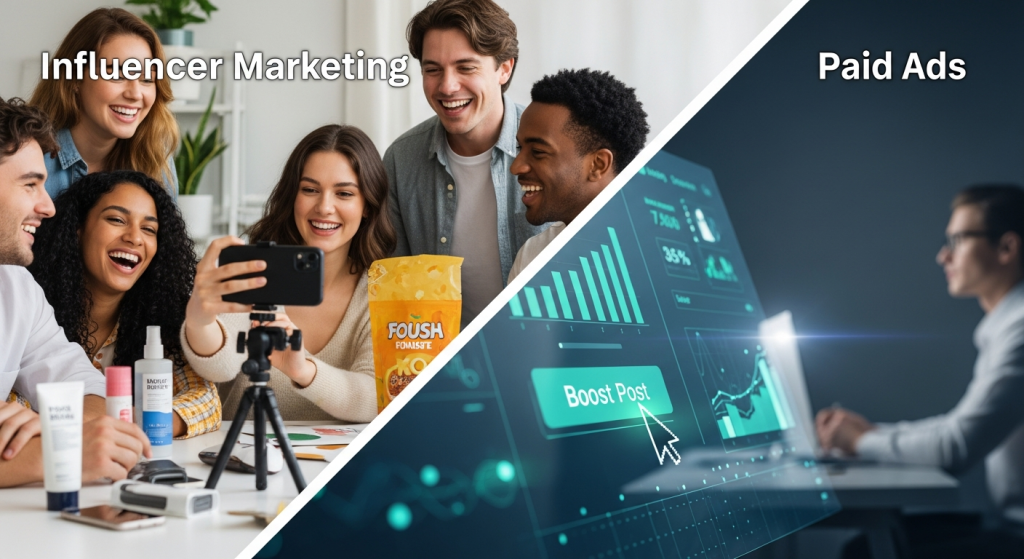
Before we get into the head-to-head comparison, it’s essential to define what influencer marketing and paid ads entail.
Influencer Marketing
Influencer marketing involves partnering with individuals who have a dedicated online following. These influencers use their platform to promote your product or service to their audience in an organic, relatable way.
Example: Imagine a beauty brand collaborating with a YouTube skincare influencer to showcase the benefits of a new moisturizer. Instead of a hard sales pitch, the influencer shares their authentic experience, creating a sense of trust.
Paid Ads
Paid advertising uses platforms like Google Ads, Facebook Ads, or Instagram Ads to display promotional content. These ads are created and managed by your brand, targeting specific demographics, keywords, or behaviours.
Example: A clothing brand might use Instagram ads to show carousel posts featuring their latest collection to women aged 18–34 who are interested in fashion.
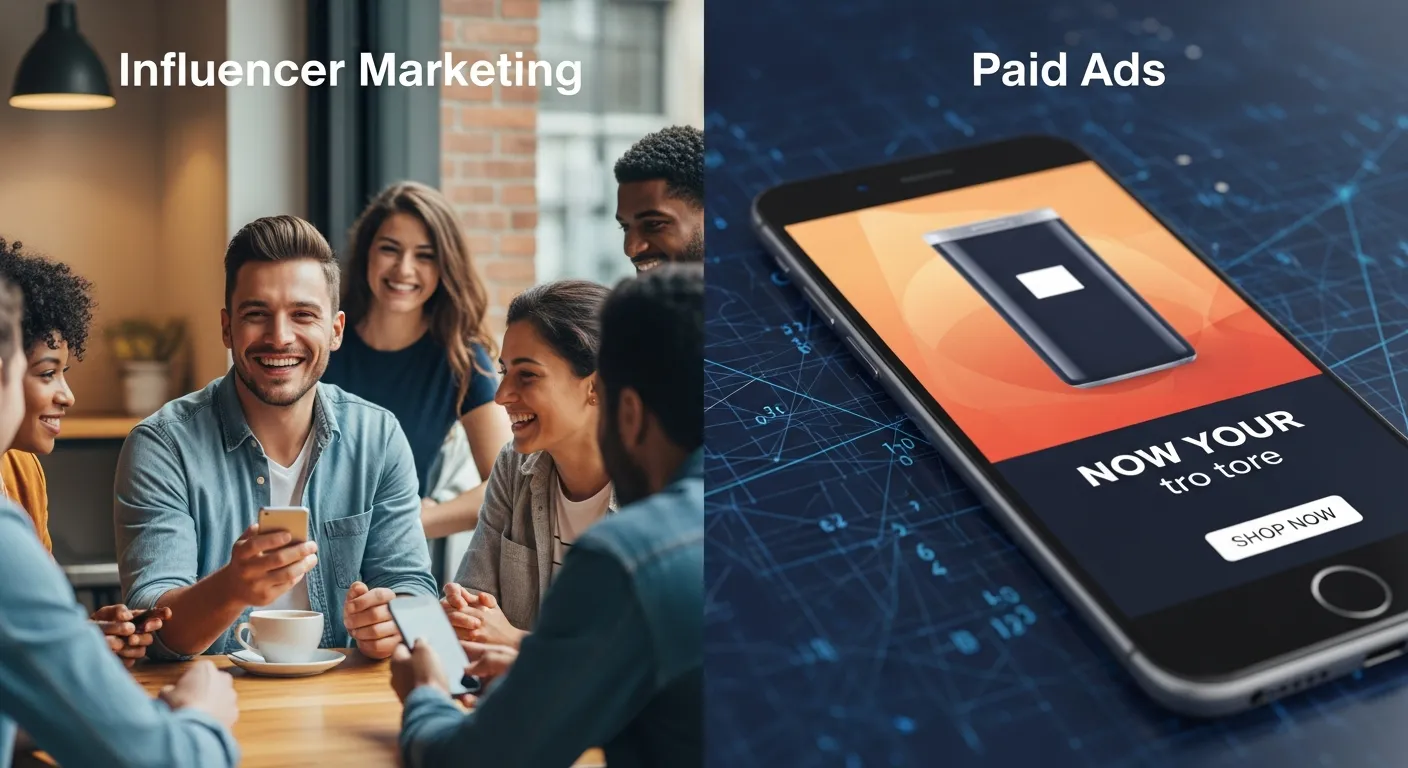
Both approaches can be highly effective—but the way they work, and their impact, differ significantly.
Comparing Influencer Marketing and Paid Ads
Every business has unique marketing goals, and understanding where influencer marketing and paid ads shine will help you make informed decisions.
Reach and Audience Targeting
- Influencer Marketing:
Influencers come with a pre-established audience that is often highly engaged. Their followers trust their opinions, making influencer marketing excellent for reaching niche communities. However, because their reach is dependent on their follower count, scalability can be limited.
Best for: Building trust with a specific audience or targeting niche markets.
- Paid Ads:
With paid ads, you can reach a broader audience. Platforms like Facebook Ads Manager allow you to target based on location, interests, age, and behaviour, making it highly scalable. However, audiences may not always be as receptive since ads are often seen as overt promotions.
Best for: Driving consistent traffic across broad demographics.
Engagement
- Influencer Marketing:
When done right, influencer marketing generates authentic engagement. People naturally interact with content from influencers they admire. This type of engagement tends to build stronger, long-term brand recognition.
Stat: A study by the Digital Marketing Institute reveals that 49% of consumers rely on influencer recommendations.
- Paid Ads:
While paid ads can generate clicks and conversions, engagement tends to be more transactional and less personal. Ads often lack the storytelling element that makes influencer collaborations so compelling.
Stat: The average click-through rate for Facebook ads across all industries is 0.9%, according to Wordstream.
Cost
- Influencer Marketing:
The cost of influencer campaigns varies widely, depending on the influencer’s follower count, platform, and niche. Micro-influencers (less than 100,000 followers) are generally more affordable but often have more engaged audiences. On the flip side, top-tier influencers charge premium rates.
Example Cost: Collaborating with a micro-influencer could cost $250–$500 per post, while a celebrity influencer could charge upwards of $10,000.
- Paid Ads:
Paid ads give you complete control over budgeting. Whether you’re a startup looking to spend $50 or a multinational allocating $50,000, you can scale up or down as needed. However, poorly planned campaigns can quickly drain resources if they don’t convert effectively.
Example Cost: The average cost-per-click for a Google AdWords ad is around $2.69.
Time and Effort
- Influencer Marketing:
Finding the right influencers, negotiating terms, and managing content can require significant time and effort. However, a successful partnership can deliver impressive long-term benefits, including word-of-mouth marketing and brand credibility.
Pro Tip: Use influencer platforms like Aspire or Upfluence to streamline the discovery process.
- Paid Ads:
Setting up and running ads is quicker and more automated. Platforms like Google Ads and Meta Ads offer tools to manage, track, and adjust campaigns in real-time. However, frequent monitoring and optimization are necessary to maintain performance.
Pro Tip: A/B test different versions of ads to identify which performs best.
Trust and Authenticity
- Influencer Marketing:
Because influencers have built trust with their audience, their recommendations often feel more authentic than traditional ads. Followers are more likely to relate to and act on their endorsements.
Challenge: One downside is the risk of inauthentic partnerships. Audiences can detect when an influencer promotes a product they don’t genuinely use or believe in.
- Paid Ads:
Consumers often perceive paid ads as less authentic because they are clearly promotional. This doesn’t mean they aren’t effective—but it highlights why content and design quality are crucial to maintaining credibility.
How to Choose Between Influencer Marketing vs Paid Ads
There’s no one-size-fits-all answer when deciding between influencer marketing and paid ads. The right option depends on your business goals and resources.
When to Use Influencer Marketing
- Building brand awareness
- Tapping into a niche or loyal audience
- Creating authentic, story-driven content
- Growing trust and credibility
Example: A startup skincare brand collaborates with eco-conscious influencers to emphasize their sustainable practices.
When to Use Paid Ads
- Driving immediate traffic, leads, or sales
- Targeting a broad demographic
- Scaling campaigns quickly
- Testing different types of messaging
Example: An e-commerce clothing brand uses retargeting ads to bring back shoppers who added items to their cart but didn’t complete the purchase.
Combining the Two
For maximum impact, consider combining influencer marketing vs paid ads. For instance, you can repurpose influencer content in your ad campaigns to amplify reach and boost credibility.
Pro Tip: Meta Ads allow you to use influencer posts as promoted content within their platform, blending the authenticity of influencer marketing with the scalability of paid ads.
Creative Control and Messaging

Paid advertising gives brands full control over visuals, copy, targeting, and timing. Every element is carefully designed to align with brand guidelines. Influencer marketing requires brands to surrender some creative control. Influencers understand their audience best, and over-controlling content can reduce authenticity. Successful influencer campaigns allow flexibility while maintaining key messaging points. Brands that value strict brand consistency may prefer paid ads, whereas those seeking organic storytelling benefit from influencer partnerships.
Budget Allocation Strategy
Marketing budgets must be distributed strategically. Influencer campaigns often require upfront payments without guaranteed conversions, though engagement may be high. Paid ads operate on scalable budgets where spending can increase or decrease instantly. For startups with limited funds, micro-influencer campaigns can deliver cost-effective brand exposure. Larger companies often allocate funds to both influencer partnerships and paid media for maximum reach. Evaluating cost-per-acquisition (CPA) helps determine which channel performs better financially.
Retargeting Opportunities
Paid ads dominate in retargeting capabilities. Brands can re-engage website visitors, cart abandoners, or previous customers with tailored messages. Influencer marketing lacks built-in retargeting tools unless paired with paid amplification. However, influencer content can warm up audiences before retargeting ads are shown. For example, users who engage with influencer posts can later see conversion-focused ads. Integrating influencer awareness with paid retargeting creates a powerful sales funnel.
Data Transparency and Measurability
Paid advertising platforms provide detailed analytics, including impressions, clicks, conversions, and customer acquisition costs. Influencer marketing metrics may be less transparent unless tracked through affiliate links or UTM parameters. Brands must establish clear KPIs before launching campaigns. Measuring success through ROI, engagement, and conversion tracking ensures informed decisions. Data-driven marketers often combine both methods to compare performance accurately.
Risk Factors and Brand Safety
Influencer marketing carries reputational risk if the influencer becomes involved in controversy. Paid ads have lower personal risk but may face compliance or policy violations. Brand safety checks, background research, and monitoring systems are essential. Contracts should include morality clauses. Evaluating risk tolerance helps brands choose appropriate partnerships.
Industry-Specific Effectiveness
Certain industries benefit more from influencer marketing. Beauty, fashion, fitness, and lifestyle brands thrive on influencer trust and visual storytelling. Conversely, industries like SaaS, finance, or local services may see stronger results from paid search ads targeting high-intent keywords. Understanding industry dynamics ensures effective resource allocation.
Global Reach vs Local Targeting
Paid ads allow precise geographic targeting, ideal for local businesses. Influencers, especially macro or global creators, can introduce brands to international audiences. Businesses expanding into new markets often use influencers for credibility, then reinforce presence with paid campaigns. Strategy depends on whether your goal is local dominance or global expansion.
NFT Marketing: Influencer Marketing vs Paid Ads in Web3
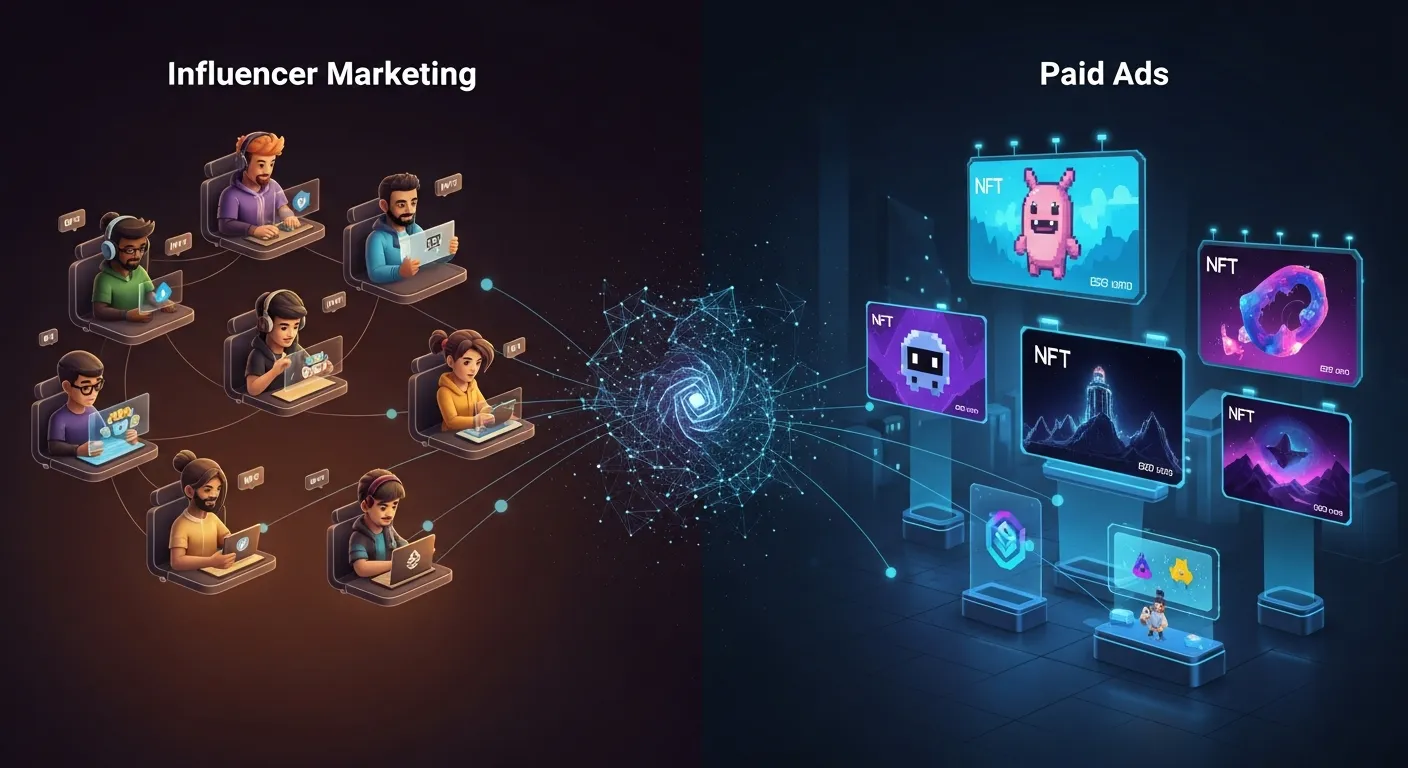
NFT marketing operates differently from traditional digital marketing. Influencer marketing in Web3 relies heavily on Twitter (X), Discord, and YouTube crypto creators. Trust is critical because NFT buyers invest financially. Influencers can generate hype quickly, but without transparency, projects risk accusations of scams. Paid ads for NFTs are more restricted due to platform policies around crypto promotions. Therefore, community-building often matters more than ad spend. Successful NFT projects combine influencer education, AMA sessions, Discord engagement, and limited paid amplification. In Web3, authenticity and roadmap clarity outweigh aggressive advertising.
Final Thoughts Maximizing Your Marketing Results
Each vacation is one to remember. In this article you will find seven tips which guarantees a truly unforgettable experience.
The stronger, weaker areas of Influencer Marketing and paid ads. By understanding the strengths and limitations of each You can create a strategy that meets your brand’s goals.
No matter you want to attract attention via a trustworthy influencer or use high-performing ads to broaden your reach, both of these strategies are valuable tools in today’s landscape for digital marketing. Experiment with each and see how you measure your results to find just the right mixture.
Considering your first influencer campaign and paid ad? Let’s talk about them in the comments–we would like to help get you started!
FAQs: Influencer Marketing vs Paid Ads
1. What is the main difference between Influencer Marketing Vs Paid Ads?
The primary difference between Influencer Marketing vs Paid Ads lies in trust versus control. Influencer marketing leverages established audience relationships and credibility, while paid ads provide brands with complete control over targeting, messaging, budget, and measurable performance outcomes.
2. Which strategy is better for long-term growth?
For sustainable growth, combining Influencer Marketing vs Paid Ads often delivers the best results. Influencer marketing builds long-term trust and brand loyalty, while paid ads consistently generate traffic and conversions. A balanced approach ensures both awareness and scalable revenue generation.
3. Which offers better ROI: Influencer Marketing vs Paid Ads?
ROI depends on campaign objectives, industry, targeting precision, and execution quality. Influencer marketing may generate stronger brand loyalty and engagement, while paid ads often produce measurable short-term conversions. Tracking KPIs like CPA and lifetime value determines true performance.
4. Are paid ads faster than influencer marketing?
Yes, paid ads typically produce immediate visibility and traffic once campaigns go live. Influencer marketing, however, builds momentum gradually through trust and storytelling. The speed advantage favours paid ads, but influencer marketing often delivers a deeper audience connection.
5. Is influencer marketing more authentic than paid ads?
In many cases, yes. Influencer marketing feels more authentic because recommendations come from trusted creators. However, authenticity depends on alignment. Poor partnerships can damage credibility. Paid ads may feel promotional but remain effective when messaging resonates with the audience.
6. Which strategy is more scalable?
Paid ads are generally more scalable because budgets can be increased or decreased instantly. Platforms allow brands to expand targeting globally. Influencer marketing scalability depends on influencer size, audience reach, and the availability of relevant creators.
7. Which strategy works best for startups?
Startups often benefit from micro-influencers to build early credibility and community trust. Paid ads help generate targeted traffic and test messaging quickly. In the Influencer Marketing vs Paid Ads comparison, startups usually gain from combining both strategically.
8. Do paid ads work well for brand awareness?
Yes, paid ads can effectively drive brand awareness through video campaigns, display ads, and social promotions. However, awareness from influencer marketing may feel more personal and memorable due to storytelling and creator endorsement.
9. Can Influencer Marketing vs Paid Ads be combined?
Absolutely. Many brands use influencer-generated content within paid advertising campaigns. This hybrid strategy blends authenticity with scalability, improving engagement rates while expanding reach beyond the influencer’s existing audience.
10. Is influencer marketing risky for brands?
Influencer marketing carries reputational risk because brand image becomes associated with the influencer’s behavior. Controversies or misalignment can harm credibility. Proper vetting, contracts, and monitoring reduce risk significantly.
11. How do NFT brands approach Influencer Marketing vs Paid Ads differently?
NFT brands focus heavily on community trust, transparency, and Web3 engagement. Influencer education and Discord or Twitter (X) discussions are critical. Paid ads may face restrictions, making influencer-driven community building more important.
12. What industries benefit most from influencer marketing?
Industries such as beauty, fashion, lifestyle, fitness, gaming, and travel benefit significantly from influencer marketing due to visual storytelling and community trust. However, paid ads often perform better for SaaS, finance, and high-intent search-driven industries.