Influencer Marketing Trends: How Social Media Is Transforming Brand Growth

Influencer marketing is evolving toward authenticity, niche communities, social commerce, and data-driven strategies. Brands that prioritize trust, engagement, and long-term partnerships can achieve sustainable growth through social media.
Influencer marketing and social media have redefined how brands tell customers about their products. It ‘s no longer a matter of spending money on banner ads or purchasing airtime for TV commercials; now we are entering community-influencer landscape powered by users like you and me. When you ’ re a start-up founder, marketing executive, or just a person curious about what all of this means for Internet networking. I will be recording my thoughts on the trends in influencer marketing and social media that 2024 brings with it so keep an eye out here for more! And I won’t be speaking only from theory or gut feeling either because as we speak many Chinese consumers are using social media to mark what they buy from abroad.
The Explosive Rise of Niche Influencers
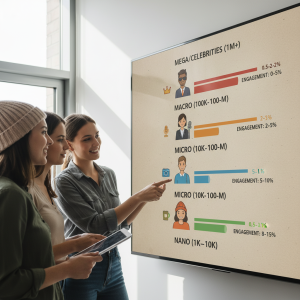
 Gone are the days when only megastars could command an influencer’s title. Enter niche influencers. These are micro-influencers (typically 10,000–100,000 followers) or even nano-influencers (fewer than 10,000 followers) who have highly engaged, targeted communities.
Why Niche Influencers Matter
Niche influencers understand their audience intimately. With smaller followings, they can foster genuine connections and trust, providing brands with better engagement rates than macro-influencers.
Example: Consider YouTube creators who specialize in DIY crafts or TikTok food bloggers focusing on budget-friendly meals. Their followers are likely to be enthusiasts actively looking for advice, giving brands targeting these niches a direct (and cost-effective) line of communication.
Takeaway: Focus your influencer marketing efforts on niche influencers within your industry. This strategy yields authenticity, along with higher ROI.
Video Content Remains King—but Live Content is Rising
Social media platforms continue to prioritize video content, and this trend shows no signs of slowing down. Whether through Instagram Reels, TikTok, or YouTube Shorts, short-form videos are dominating feeds worldwide.
The Live Streaming Boom
Live content, however, is taking this a step deeper. Platforms like TikTok Live, YouTube Live, and Facebook Live enable influencers to interact with their audiences in real-time, offering incredible opportunities for brands.
Why Live Matters:
- Live streaming creates urgency and exclusivity.
- Brands and influencers can answer questions instantly, fostering trust.
- Compared to pre-recorded material, live broadcasts have a raw, unfiltered feel that appeals to younger audiences.
Tip for Brands: Work with influencers to host live sessions featuring product launches, Q&A segments, or behind-the-scenes peeks to leverage real-time interaction.
The Authenticity Pivot
One of 2026’s most defining trends in influencer marketing is the move toward authenticity over perfection. Gen Z and Millennial audiences, in particular, value influencers who are genuine and transparent over those with glossy, “too-good-to-be-true” images.
Breaking Down “Authenticity” in Influencer Work
- Candid posts of daily life rather than highly curated photo shoots.
- Discussing flaws or vulnerabilities, such as product reviews that include both pros and cons.
- Openly addressing societal topics like sustainability, mental health, or inclusivity.
Brand Takeaway: Work with influencers whose values align with your own. Sponsor content that resonates with your audience’s values rather than trying to push a polished, one-size-fits-all narrative.
TikTok’s Continuous Reign and Its Monetization Evolution
TikTok’s dominance over the social media space continues, with over 1 billion active users monthly. Its short-form, highly engaging videos are unmatched in their ability to capture attention.
What’s New With TikTok?
The platform has upped its game in monetization tools, making it even more appealing for influencers and brands. Features such as TikTok Shop or its partnership with Shopify allow users to shop directly without leaving the app.
Pro Tip: Partner with influencers who can subtly integrate your product into their content while leveraging TikTok’s shopping functionality. Combined with TikTok trends and challenges, this could be an impactful way to increase sales.
Social Media Commerce Is the New Norm
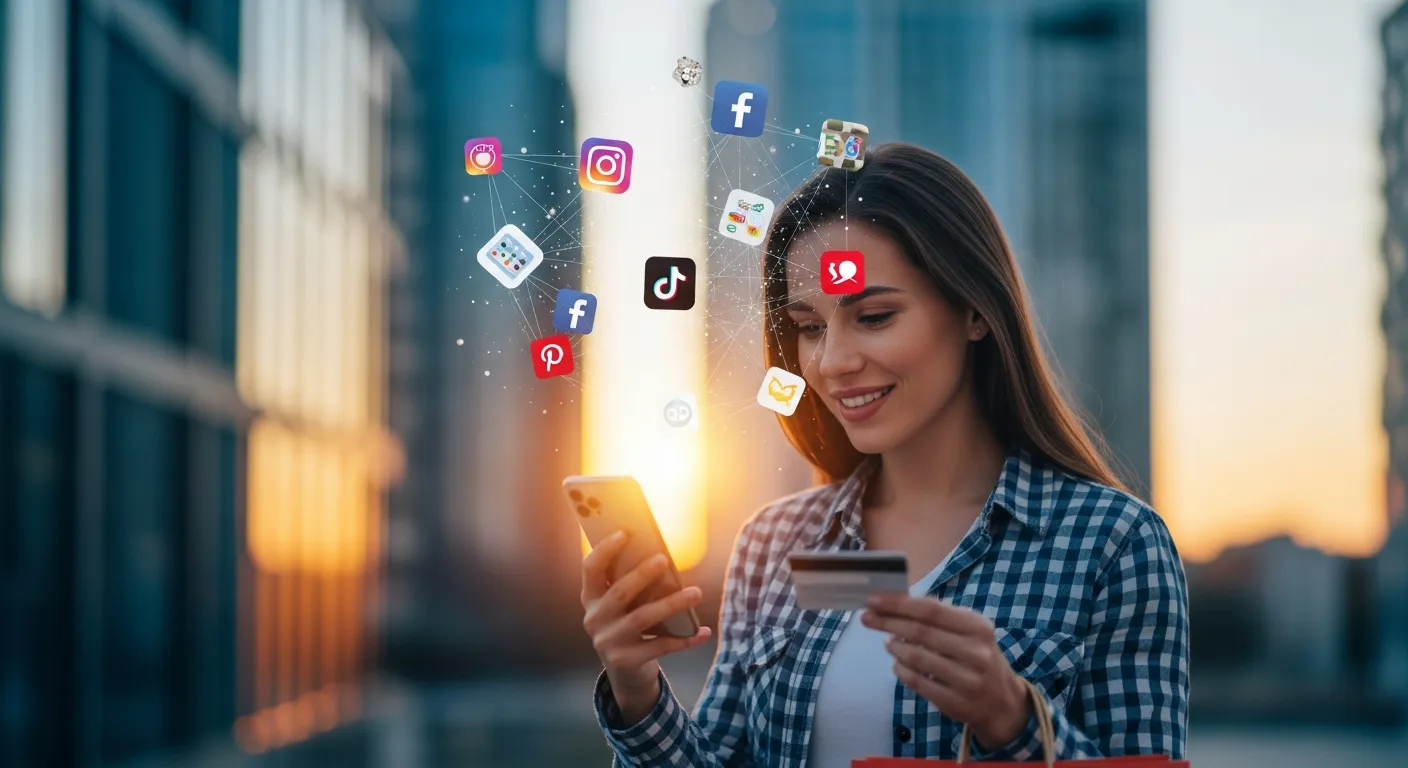 Relying on its widespread use as a shopping platform, e-commerce is officially integrating with social media, leading — surprise surprise — social commerce. Instagram, TikTok, and Pinterest have all served to make it super easy for users to purchase straight from the app.
For influencers, this could mean that people who have been watching their videos can have something else on screen within seconds. For example, if your favorite fashion blogger tries on some jewelry and you are able to order it in just one step without leaving the platform where they’re posting videos for fear that their audience may go elsewhere…
Stats That Back This Trend
- A survey by eMarketer predicts US social commerce sales will surpass $100 billion by 2024.
- Nearly 48% of consumers say they’ve already purchased something directly through an influencer post or recommendation.
What This Means for Brands: Invest in content made specifically for social commerce platforms. Work with influencers to run campaigns that integrate clickable product tags and shoppable videos.
AI-Driven Influencer Campaigns
Artificial intelligence (AI) is taking influencer marketing to new heights. With tools that analyze audience engagement, predict trends, and identify the best-fit influencers for campaigns, brands can plan highly targeted and effective strategies.
How AI Helps Brands and Influencers
- Precision Matching: AI programs help brands identify influencers whose followers align exactly with the target persona.
- Content Recommendations: AI tools can suggest the type of posts influencers should create to achieve the best engagement.
- Performance Analytics: Measure ROI from influencer campaigns with advanced AI analytics.
Key Example: Platforms like CreatorIQ and AspireIQ are already dominating this space, helping companies streamline their influencer marketing processes with AI-powered tools.
Trends in Metrics and ROI Measurement
Gone are the days when follower count was the ultimate measure of an influencer’s success. Now, brands place increasing value on micro metrics like engagement rates, saves, and shares.
Metrics to Prioritize
- Saves and Shares: Indicative of content that resonates deeply with audiences.
- Clicks and Conversions: Reflect true purchase intent, not just visibility.
- Audience Sentiment: Analyzing feedback to understand how positively or negatively an audience perceives a campaign.
Final Tip: Before initiating influencer partnerships, clarify which KPIs best reflect your campaign goals.
Ethical and Responsible Influencer Marketing
Transparency and ethics are becoming essential in influencer campaigns. Audiences expect clear disclosure of sponsored content and honest opinions. Brands that encourage ethical practices protect their reputation and maintain consumer trust. Responsible marketing also includes diversity, inclusivity, and avoiding misleading claims. Ethical influencer collaborations build long-term credibility rather than short-term hype.
User-Generated Content as Social Proof
User-generated content (UGC) is becoming one of the most powerful outcomes of influencer marketing. Influencer campaigns now inspire everyday users to create and share their own content featuring brands. This organic amplification acts as social proof, reinforcing trust among potential buyers. UGC also provides brands with reusable content for ads, websites, and social channels. Consumers trust real users more than polished brand ads, making UGC a high-impact asset.
Short-Form Storytelling Techniques
Short-form content dominates, but storytelling still matters. Influencers now use quick hooks, relatable scenarios, and emotional storytelling within seconds. Brands that support creative freedom allow influencers to craft stories that feel natural and engaging. Effective short-form storytelling increases watch time, shares, and saves—key metrics for algorithm visibility.
Localization and Regional Influencers
Global brands are increasingly turning to regional and local influencers. These creators understand cultural nuances, language, and regional trends better than global influencers. Localization improves relevance and resonance, especially in emerging markets. Regional influencers also tend to have stronger trust within their communities, resulting in higher engagement and conversion rates.
Influencer Marketing for Brand Education
Influencer content is evolving beyond promotion into education. Tutorials, explainers, comparisons, and product walkthroughs help audiences understand how products fit into their lives. Educational influencer content positions brands as problem-solvers rather than advertisers. This approach builds authority and supports informed purchasing decisions.
Performance-Based Influencer Campaigns
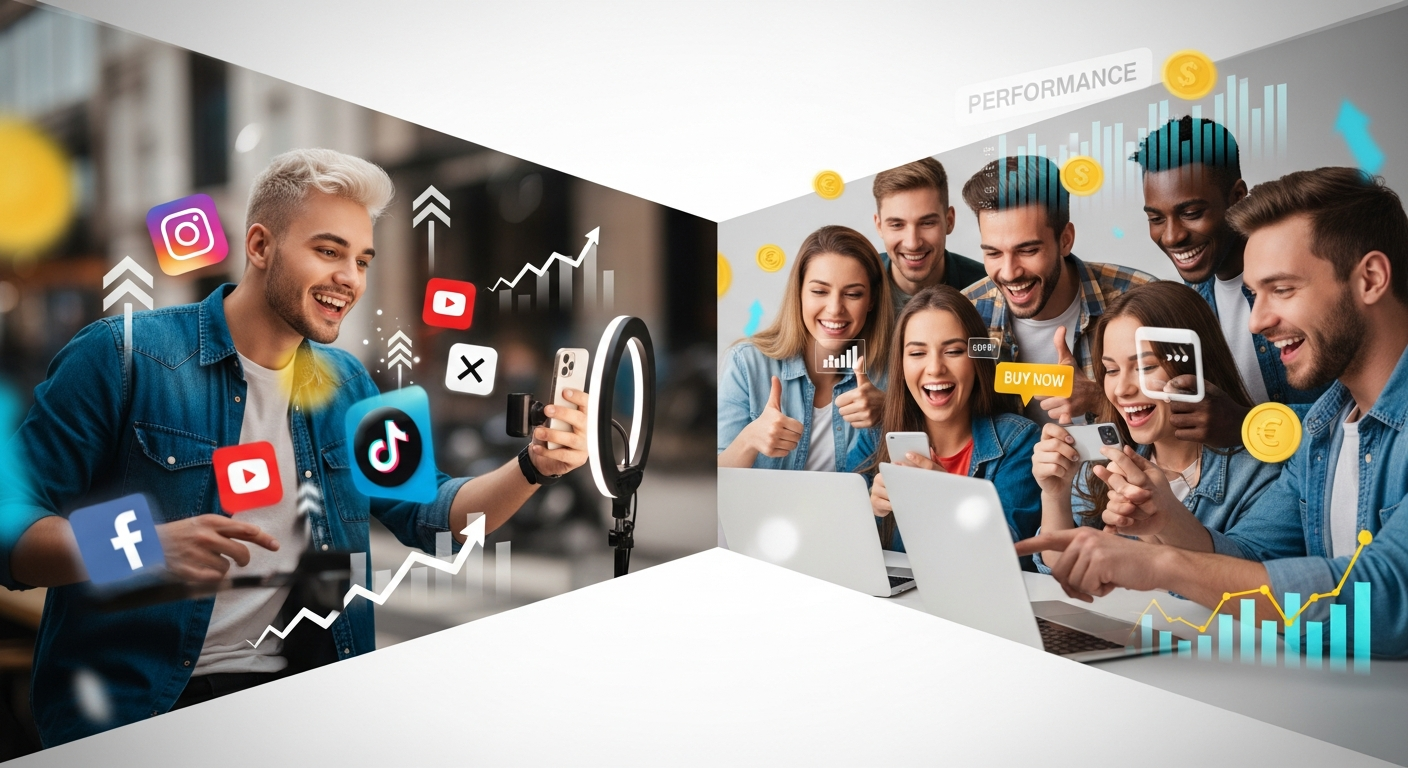 Brands are increasingly adopting performance-based influencer models. Compensation tied to clicks, sales, or conversions ensures accountability and measurable ROI. Influencers are motivated to create high-performing content, while brands reduce financial risk. This model aligns incentives on both sides and supports scalable influencer marketing strategies.
What the Future Holds
Even if influencer marketing and social media trends evolve, one thing is certain: they are essential for linking today’s brands with today’s audience. By utilising niche influencers, placing a premium on sincerity, and focusing on interactive, good-to-shop pieces of content, you can ensure that your marketing strategy keeps up with any changes.
Looking to get started with some meaningful influencer partnerships that get results? Get in touch with us today and find out how we could help.
Conclusion
Influencer marketing continues to evolve as social media becomes more interactive, authentic, and commerce-driven. Brands that focus on community, trust, and data-backed strategies will stand out. By embracing niche influencers, social commerce, AI insights, and long-term partnerships, businesses can create meaningful connections and sustainable growth in an ever-changing digital landscape.
Frequently Asked Questions (FAQs)
1. What is influencer marketing?
Influencer marketing is a digital marketing strategy where brands collaborate with individuals who have established credibility and influence within a specific niche or community. These influencers promote products or services through authentic content on social media platforms, blogs, or video channels. Instead of traditional advertising, influencer marketing relies on trust, relatability, and peer recommendations, making brand messages feel more organic and persuasive to modern audiences.
2. Why are niche influencers more effective today?
Niche influencers are effective because they serve highly targeted and engaged audiences. Unlike mega influencers, they focus on specific interests such as fitness, tech, beauty, or food. Their smaller but loyal communities trust their opinions, resulting in higher engagement rates and better conversion potential. Brands benefit from authentic recommendations and cost-effective campaigns with stronger ROI.
3. Is influencer marketing suitable for startups?
Yes, influencer marketing is highly suitable for startups. It allows new brands to gain visibility, credibility, and trust without massive advertising budgets. By partnering with micro or nano influencers, startups can reach relevant audiences, generate awareness, and drive conversions organically. Influencer content also doubles as reusable marketing assets for websites and ads.
4. What platforms are best for influencer campaigns?
The best platform depends on the brand’s target audience and goals. TikTok and Instagram are ideal for lifestyle, fashion, and entertainment brands. YouTube works well for long-form reviews and tutorials. LinkedIn is effective for B2B influencer marketing, while Pinterest performs well for visual and shopping-focused content. A multi-platform strategy often delivers the best results.
5. How do brands choose the right influencers?
Brands choose the right influencers by analyzing audience demographics, engagement quality, content relevance, and brand alignment. Metrics such as engagement rate, audience authenticity, past performance, and value alignment matter more than follower count. Data-driven tools and influencer platforms help brands identify creators who best match campaign objectives.
6. Why is authenticity important in influencer content?
Authenticity builds trust, which is the foundation of influencer marketing. Audiences can easily detect forced or overly scripted promotions. Influencers who share honest experiences, including pros and cons, feel more relatable. Authentic content increases credibility, engagement, and long-term brand loyalty, especially among Gen Z and Millennials.
7. How does live content benefit influencer marketing?
Live content allows real-time interaction between influencers, brands, and audiences. It creates urgency, transparency, and engagement through Q&A sessions, product demos, and live launches. Viewers feel included and valued, which increases trust and purchase intent. Live content also tends to generate higher engagement than pre-recorded posts.
8. How does social commerce impact influencer marketing?
Social commerce enables users to purchase products directly within social media platforms. Influencer content now drives immediate conversions through shoppable posts, tagged products, and in-app checkout features. This reduces friction in the buyer journey and allows brands to measure sales more accurately from influencer campaigns.
9. What role does AI play in influencer campaigns?
AI helps brands optimize influencer marketing through data analysis and automation. It assists in influencer discovery, audience matching, content recommendations, and performance tracking. AI tools predict campaign success, identify trends, and measure ROI more accurately, making influencer marketing more strategic and scalable.
10. How should influencer ROI be measured?
Influencer ROI should be measured using clear KPIs aligned with campaign goals. These include engagement rates, website traffic, clicks, conversions, sales, and audience sentiment. Tracking tools, affiliate links, discount codes, and UTM parameters help brands accurately assess campaign effectiveness beyond vanity metrics.
11. Are long-term influencer partnerships better?
Yes, long-term influencer partnerships often deliver better results than one-time collaborations. Ongoing partnerships build credibility, reinforce brand messaging, and create stronger audience trust. Repeated exposure to a brand through the same influencer leads to higher recall, loyalty, and lifetime value.
12. What is the future of influencer marketing?
The future of influencer marketing lies in authenticity, community-driven content, social commerce, AI-powered insights, and performance-based partnerships. Brands will focus more on long-term relationships, ethical practices, and measurable impact. Influencer marketing will continue to evolve as a key driver of digital brand growth.