Top Influencer Marketing Tools to Elevate Your Campaigns

Influencer marketing tools simplify campaign management, influencer discovery, and ROI tracking. Platforms like Aspire, Upfluence, and HypeAuditor help brands target authentic influencers, monitor performance, and prevent fraud. From small businesses to enterprises, these tools enhance efficiency, optimize content, and improve engagement. Choosing the right platform based on goals and scale maximizes campaign success and long-term marketing impact.
Influencer marketing has transformed how brands connect with audiences. With the right influencers, your brand can reach highly engaged followers who trust the person promoting your product. However, running a successful influencer marketing campaign isn’t as simple as finding someone with a large following. It involves identifying the right partners, managing relationships, monitoring performance, and ensuring return on investment.
Enter influencer marketing tools. These platforms make the job easier, helping brands streamline workflows and increase the effectiveness of their campaigns. This guide highlights the top influencer marketing tools to help you take your campaigns to the next level.
What Are Influencer Marketing Tools?
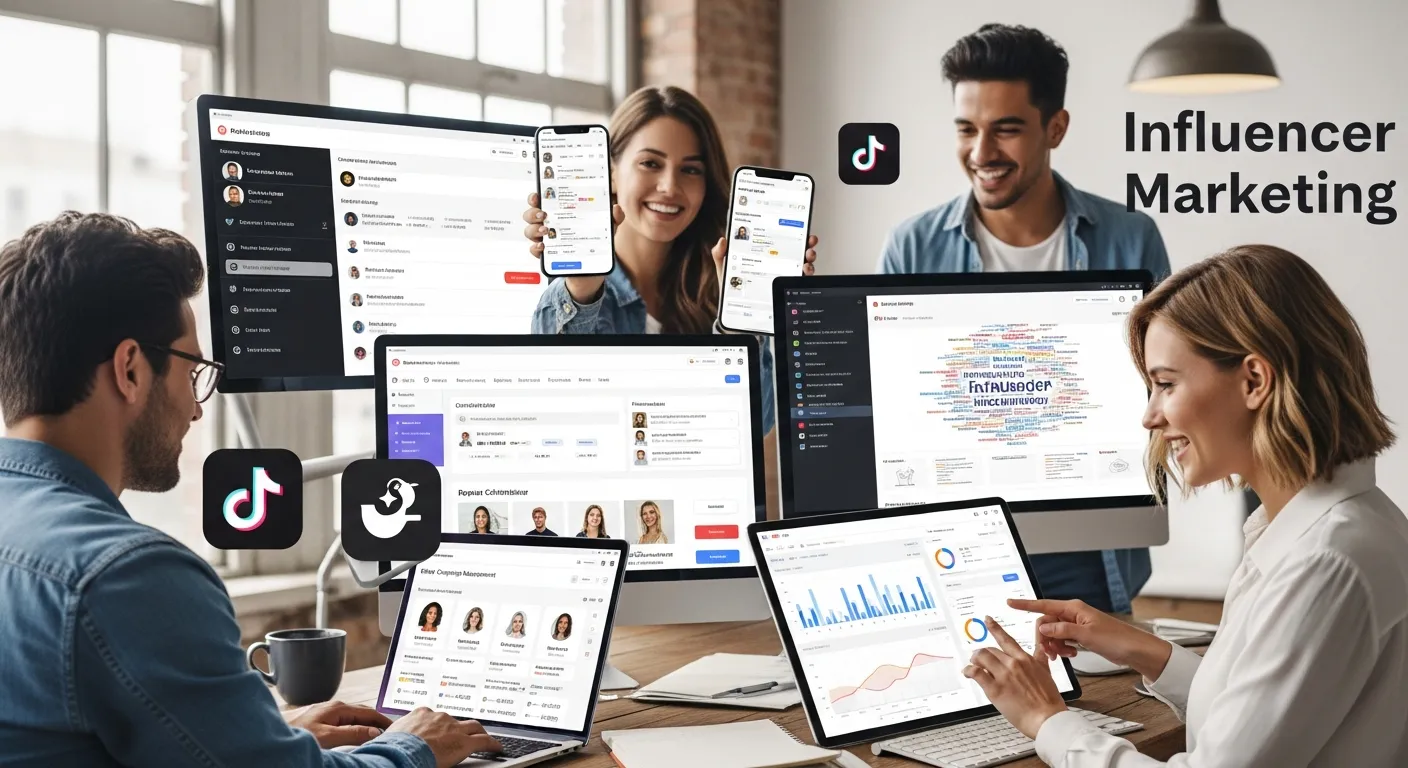
Before we dive into the tools, it’s worth understanding what they are and why they matter. Influencer marketing tools are platforms or software designed to help brands discover influencers, manage partnerships, and track the success of campaigns. Think of them as your all-in-one system for handling every detail of influencer collaborations.
These tools save time by automating processes like influencer search, campaign reporting, and communications. Most importantly, they help you identify influencers who best align with your target audience and campaign goals, maximizing your chances of success. Read more about
Why Do You Need Influencer Marketing Tools?
Here are a few reasons these tools are indispensable:
- Discovering the right influencers: These platforms help you find influencers based on specific criteria like niche, engagement rate, location, or follower size.
- Managing campaigns at scale: Juggling multiple campaigns can be overwhelming. Tools centralize communication and task management, keeping campaigns organized.
- Measuring ROI: Track performance metrics like reach, impressions, clicks, and conversions to evaluate the effectiveness of your campaigns.
- Avoiding fake followers: Many tools offer fraud detection features to ensure influencers have genuine audiences.
Best Influencer Marketing Tools You Should Consider
1. Aspire
Aspire (formerly AspireIQ) is a powerful tool for brands looking to build authentic partnerships with influencers.
Key Features:
- A vast database of aspiring and established influencers.
- Advanced search filters to find influencers based on niche, tone, or follower size.
- Built-in content tracking to analyze visual content performance.
- Campaign management tools to organize collaborations.
Best For: Brands wanting a hands-on approach to influencer partnerships.
2. Upfluence
Upfluence is known for its data-driven approach to influencer marketing. This platform integrates with e-commerce platforms, allowing you to identify influencers who are already customers.
Key Features:
- Identify influencers directly through your customer base.
- Seamless integrations with Shopify and WooCommerce.
- Advanced influencer search and filter options.
- ROI tracking for campaigns.
Best For: E-commerce brands seeking a tailored influencer strategy.
3. Heepsy
If you’re on a budget and focusing on micro or nano influencers, Heepsy is the perfect tool. It specializes in helping you find authentic influencers with smaller yet highly engaged followings.
Key Features:
- Filters for niche, location, average engagement rate, and follower count.
- Performance analytics to spot fake followers or bots.
- Easy export of influencer data for comparisons.
Best For: Small businesses and brands focusing on niche audiences.
4. Traackr
Traackr is a robust influencer relationship management platform designed for large-scale brands and agencies.
Key Features:
- Relationship management tools for nurturing your influencer partnerships.
- Campaign and content tracking with detailed reporting.
- Competitive benchmarking to identify industry trends.
- AI-powered fraud detection for authentic collaborations.
Best For: Enterprise brands and agencies running large-scale campaigns.
5. BuzzSumo
BuzzSumo isn’t just an influencer discovery tool. It also excels at identifying trending content for powerful campaign strategies.
Key Features:
- Search for influencers by the content they’ve created and shared.
- Analyze trending topics to better align your campaign.
- Performance benchmarks to evaluate influencer reach and engagement.
Best For: Content-focused campaigns that require niche expertise.
6. Klear
Klear provides a comprehensive suite of tools for influencer discovery, management, and campaign optimization.
Key Features:
- Find influencers from over 60,000 categories.
- Visualize performance metrics like reach and engagement at a glance.
- Integrated FTC compliance tools.
Best For: Brands that value in-depth analytics and comprehensive reporting.
7. HypeAuditor
HypeAuditor takes influencer verification seriously. It’s particularly known for identifying fake followers, making it a top choice for avoiding fraud in campaigns.
Key Features:
- AI-driven analysis of influencer quality.
- Identify follower authenticity and audience demographics.
- Detailed campaign analytics.
Best For: Brands prioritizing audience authenticity and fraud prevention.
8. Grin
Grin is a go-to platform for direct-to-consumer (DTC) brands looking to scale influencer programs.
Key Features:
- E-commerce integrations for seamless product gifting.
- Direct communication tools like email and influencer portals.
- Post-campaign insights to measure ROI.
Best For: Brands with a strong focus on gifting and affiliate-focused campaigns.
How to Choose the Right Tool for Your Brand
Selecting the right tool requires weighing your needs and resources. Here are some considerations:
- Budget: Some tools come with a premium price tag. Ensure the investment aligns with your expected ROI.
- Campaign Goals: Decide whether you’re focusing on awareness, engagement, or driving conversions.
- Scale of Operations: If you’re managing a small campaign, a simpler, budget-friendly tool might suffice. For larger operations, opt for a more sophisticated platform.
Integration Needs: Consider tools that integrate seamlessly with your existing CRM or e-commerce platform.
Collaboration and Communication Features
Influencer marketing tools enhance collaboration between brands and creators. Centralized messaging, content approval workflows, and shared project dashboards improve communication efficiency. Tools reduce missed deadlines, ensure campaign consistency, and maintain professional relationships. Platforms like Traackr and Grin enable brands to manage influencer contacts, share assets, and provide feedback in real time. Streamlined collaboration ensures campaigns are executed smoothly and professionally, resulting in higher engagement and audience trust.
Discovering the Right Influencers
Finding influencers who align with your brand is critical. Tools allow you to filter candidates by niche, engagement rate, location, audience demographics, and follower count. This precision helps brands avoid irrelevant or low-quality partnerships. Platforms like Upfluence and Heepsy provide advanced search capabilities, helping marketers discover both macro-influencers for broad reach and micro-influencers for targeted engagement. The right influencer not only promotes products effectively but also resonates with the audience, enhancing trust and credibility.
Managing Influencer Campaigns
Managing multiple influencer collaborations can be challenging. Tools provide centralized dashboards to streamline communication, track deliverables, and monitor campaign milestones. Features like task assignments, content approval workflows, and automated reminders ensure campaigns run smoothly. Platforms such as Aspire and Traackr offer campaign management modules that facilitate collaboration between brands and influencers. Efficient management reduces errors, improves content quality, and maintains professional relationships, ultimately maximizing the campaign’s impact.
Tracking ROI and Analytics
Monitoring influencer marketing ROI is essential for measuring success. Tools track metrics such as reach, engagement, impressions, clicks, conversions, and sales. Advanced platforms provide detailed reports, highlighting top-performing influencers and campaign elements. By analyzing data, marketers can refine strategies, allocate budgets more effectively, and demonstrate the tangible value of influencer efforts. Tools like Grin and Klear offer real-time dashboards that simplify analytics, allowing brands to make timely, informed decisions.
Avoiding Fake Followers and Fraud
Fraudulent accounts can distort campaign results. Influencer marketing tools like HypeAuditor use AI to verify audience authenticity and detect fake followers or bots. These platforms analyze engagement patterns, audience demographics, and historical data to ensure influencers have real, active followers. Avoiding fake audiences protects budgets and maintains credibility. Authentic collaborations lead to genuine engagement, stronger trust, and better ROI, reinforcing the importance of verification in influencer marketing campaigns.
E-Commerce and Influencer Integration
E-commerce brands benefit from tools integrated with platforms like Shopify and WooCommerce. Tools such as Upfluence or Grin allow seamless product gifting, affiliate tracking, and direct influencer communication. Integration ensures smooth campaign execution, simplifies tracking sales driven by influencer activity, and streamlines reporting. By connecting marketing tools with online stores, brands can optimize campaigns, measure conversions accurately, and increase revenue, making influencer marketing a scalable and measurable strategy for e-commerce success.
Content Tracking and Performance Analysis
Tracking influencer content performance is critical for optimizing campaigns. Tools monitor post engagement, impressions, shares, and audience sentiment. Aspire, Klear, and BuzzSumo allow brands to evaluate which content types resonate best with audiences. Insights help refine messaging, identify high-performing influencers, and guide future campaigns. Effective content tracking ensures campaigns achieve desired impact, maximizes return, and helps brands maintain a consistent voice across multiple channels.
Competitive Benchmarking and Trend Analysis
Some influencer marketing tools provide competitive analysis, helping brands understand industry trends and benchmark performance. Platforms track competitor campaigns, influencer networks, and trending content topics. These insights inform strategy adjustments and highlight opportunities to differentiate campaigns. BuzzSumo, for instance, identifies trending content to align influencer campaigns with popular topics, increasing engagement potential. Benchmarking and trend tracking allow marketers to make data-driven decisions, maintain relevance, and stay ahead of competitors.
Choosing the Right Influencer Marketing Tool
Selecting the best tool depends on budget, campaign scale, and goals. Small businesses may benefit from cost-effective options like Heepsy, while enterprises may require advanced platforms like Traackr. Consider integration with e-commerce, CRM, or analytics tools. Evaluate features such as influencer discovery, content tracking, ROI reporting, and fraud detection. Prioritize usability, support, and scalability to ensure long-term value. Choosing the right platform simplifies campaigns, improves efficiency, and enhances overall marketing results.
Unlock Your Brand’s Potential with Influencer Marketing

Influencer marketing tools are no longer just “nice to have.” They’re critical for managing the complexity that comes with modern influencer campaigns. Whether you’re a small business or an enterprise, these tools can save time, reduce guesswork, and make your campaigns more effective.
Now that you know which tools can meet your needs, it’s time to elevate your strategy. Take the plunge and try a tool that aligns with your budget and goals.
By integrating the right tools into your marketing workflow, you’re not just saving time but also creating campaigns that truly resonate with your audience.
Which influencer marketing tool do you think will have the biggest impact on your brand’s success?
Conclusion
Influencer marketing tools streamline discovery, management, and performance tracking, making campaigns more effective and measurable. From small businesses to enterprises, these platforms help identify authentic influencers, improve ROI, and simplify communication. Choosing the right tool based on goals and scale ensures campaigns run smoothly, resonate with audiences, and deliver tangible business results.
Frequently Asked Questions (FAQ) About Influencer Marketing Tools
1. What are influencer marketing tools?
Influencer marketing tools are software platforms that help brands identify, connect with, and manage influencers. They streamline tasks like influencer discovery, campaign management, content tracking, performance analysis, and reporting. By centralizing all campaign data in one place, these tools save time and help marketers make data-driven decisions, ensuring influencer collaborations are efficient, transparent, and results-oriented.
2. Why should brands use influencer marketing tools?
Brands use these tools to simplify complex influencer campaigns. They improve targeting by helping marketers find influencers whose audience aligns with their niche. Tools automate communication, track engagement, and measure ROI, reducing manual effort. Additionally, they protect brands from fraudulent activity by verifying influencer authenticity, making campaigns more efficient, credible, and profitable.
3. Which tools are best for small businesses?
For small businesses or startups, cost-effective and user-friendly platforms like Heepsy or BuzzSumo are ideal. They focus on micro and nano influencers, providing high engagement at lower budgets. These tools allow small brands to discover niche creators, track basic metrics, and manage campaigns without requiring advanced technical knowledge, making them perfect for limited-resource marketing teams.
4. Which tools are best for large brands and enterprises?
Large brands and agencies require comprehensive platforms like Traackr, Aspire, or Klear. These enterprise-level tools offer advanced features such as campaign scalability, influencer relationship management, AI-driven analytics, competitive benchmarking, and detailed reporting. They are designed for multi-channel campaigns and high-volume influencer collaborations, ensuring maximum visibility and ROI across markets.
5. Can influencer marketing tools detect fake followers?
Yes, many modern tools like HypeAuditor and Upfluence use AI-driven analytics to verify influencer audiences. They detect fake followers, bots, and inactive accounts, providing demographic insights and engagement quality scores. This ensures brands only collaborate with influencers who have authentic, engaged audiences, preventing wasted budgets and maintaining credibility.
6. Do these tools track campaign ROI?
Absolutely. Influencer marketing platforms monitor essential KPIs like impressions, clicks, conversions, sales, and engagement rates. By tracking these metrics, marketers can calculate the return on investment (ROI) for every collaboration. Tools like Grin and Klear offer detailed dashboards and reports to help marketers evaluate campaign performance and optimize future strategies.
7. Can influencer marketing tools integrate with e-commerce platforms?
Yes, many tools integrate seamlessly with e-commerce platforms like Shopify, WooCommerce, or Magento. This allows brands to manage influencer gifting, affiliate links, product promotions, and track sales generated by influencer campaigns in real time. Integration simplifies workflow, enables precise measurement, and ensures campaigns directly contribute to revenue growth.
8. Are influencer marketing tools suitable for beginners?
Yes, most platforms offer user-friendly dashboards and tutorials suitable for beginners. Tools like Heepsy or BuzzSumo provide intuitive search, filtering, and reporting functions, allowing marketers with little experience to discover influencers, run campaigns, and analyze results effectively without needing advanced technical skills.
9. How do tools help track content performance?
Influencer marketing tools monitor the performance of every piece of influencer content. Metrics tracked include likes, shares, comments, engagement rate, reach, and sentiment analysis. This helps brands understand which content resonates with their target audience, identify high-performing influencers, and adjust campaigns for maximum impact.
10. Can I manage multiple campaigns at once?
Yes. Centralized dashboards allow brands to manage several campaigns simultaneously. You can track deadlines, deliverables, content approvals, and influencer communications in one place. Platforms like Traackr and Aspire simplify multi-campaign management, ensuring smooth execution and consistency across all marketing initiatives.
11. Do these tools offer competitive benchmarking and trend insights?
Yes. Some platforms provide analytics on competitors’ campaigns, trending content, and influencer performance. Tools like BuzzSumo analyze market trends, helping brands identify high-performing strategies and gaps in their own campaigns. Benchmarking ensures marketers stay ahead of competitors and adapt campaigns to evolving audience preferences.
12. How do I choose the right influencer marketing tool for my brand?
Selecting the right tool depends on your business size, campaign goals, budget, and technical requirements. Consider factors such as influencer discovery features, campaign management capabilities, integration options, analytics, fraud detection, and usability. Small brands may prioritize cost and simplicity, while large enterprises may need advanced reporting, automation, and scalability. Test tools where possible before committing.